Brand Audit

Vans Brand Audit

Rishabh Jain
October 19, 2026
6 Minutes
October 19, 2026
6 Minutes
No items found.
No items found.
This is some text inside of a div block.
Posted On
Estimated Reading Time
6 Minutes
Category
Brand Audit
Wrriten By
Nimisha Modi

Book a call and get unlimited revisions for your project!

Book A Call
A stylized pink thunderbolt or lightning icon
Get Instant Response

Need Help In Building Your Brand?

Click the button below & book a call with our founder directly.

Rishabh Jain

Managing Director

Book A Call

Vans | Confetti's Verdict ⭐⭐⭐ ½

Attribute Details
Confetti Rating ⭐⭐⭐½ (3.5 / 5)
Brand Vans (founded as The Van Doren Rubber Company)
Year Founded 1966
Industry Skate and lifestyle footwear, apparel, accessories
Founders Paul Van Doren, James Van Doren, Gordon Lee, Serge D'Elia
Headquarters Costa Mesa, California, USA
Parent Company VF Corporation (acquired 2004, reported at $396 million)
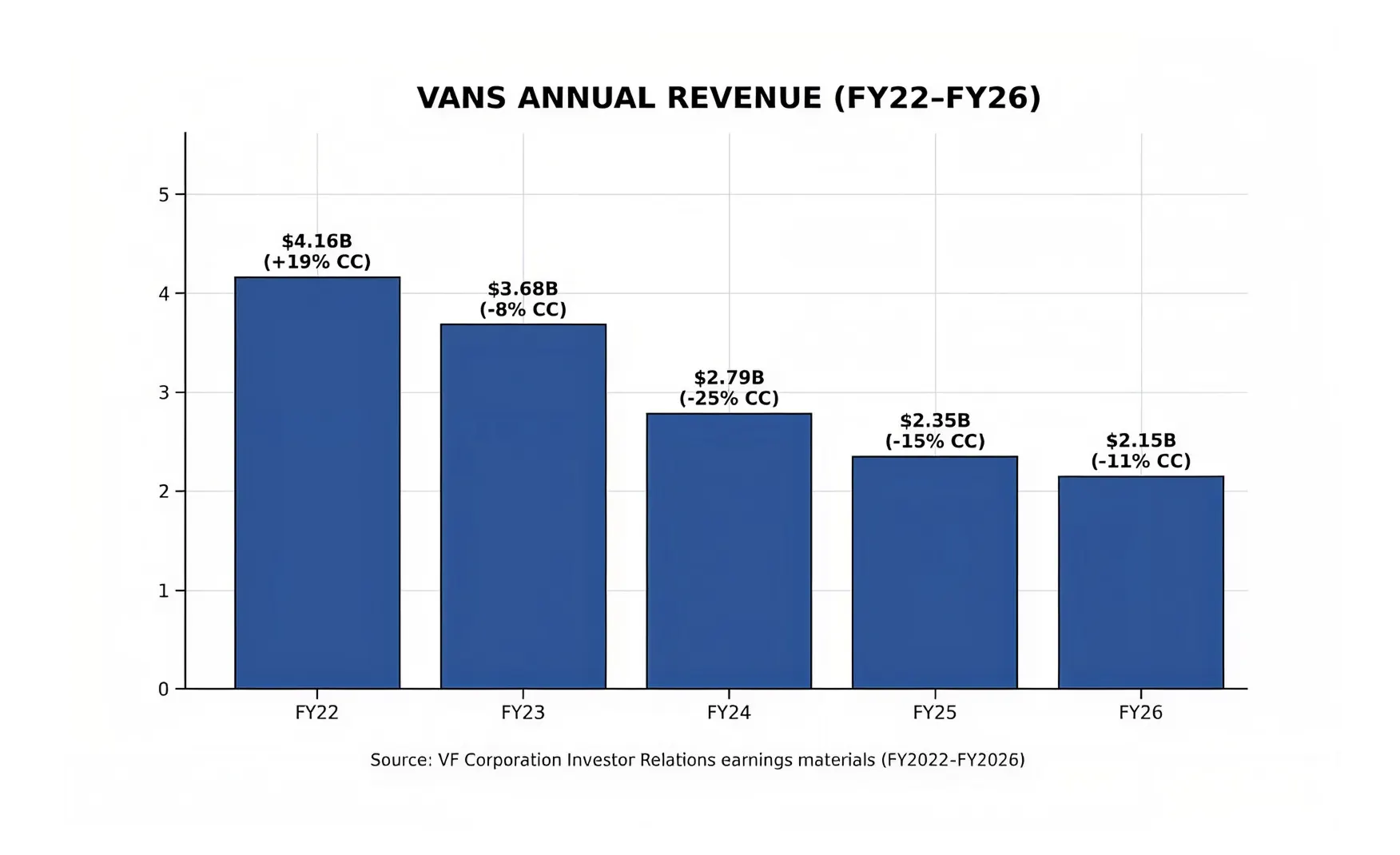
Revenue About $2.1 billion (FY2026), down 11% in constant currency and from a peak of about $4.2 billion in FY2022
Outlook VF guides to a mid-single-digit decline in Vans revenue for FY2027

Confetti Design Studio has analysed the design language, community model and turnaround strategy of Vans, the Southern California footwear brand that turned a canvas deck shoe into one of the most recognisable visual systems in fashion. 

It opened in Anaheim on 16 March 1966, when twelve customers chose their shoes on the first day, took them home and paid the next day. Under VF it has since closed around 140 stores in two years and seen its revenue fall by about half. This audit asks whether a brand built by its customers can win them back without discounting, and it is as per October 2026.
Vans Brand Strengths: What the Brand Gets Exceptionally Right 💪

1. A Factory That Sold Direct Before Anyone Called It D2C 🏭

Most shoe brands in the 1960s sold through other people’s stores. But Vans did the opposite, and that choice makes the brand stand out even today.

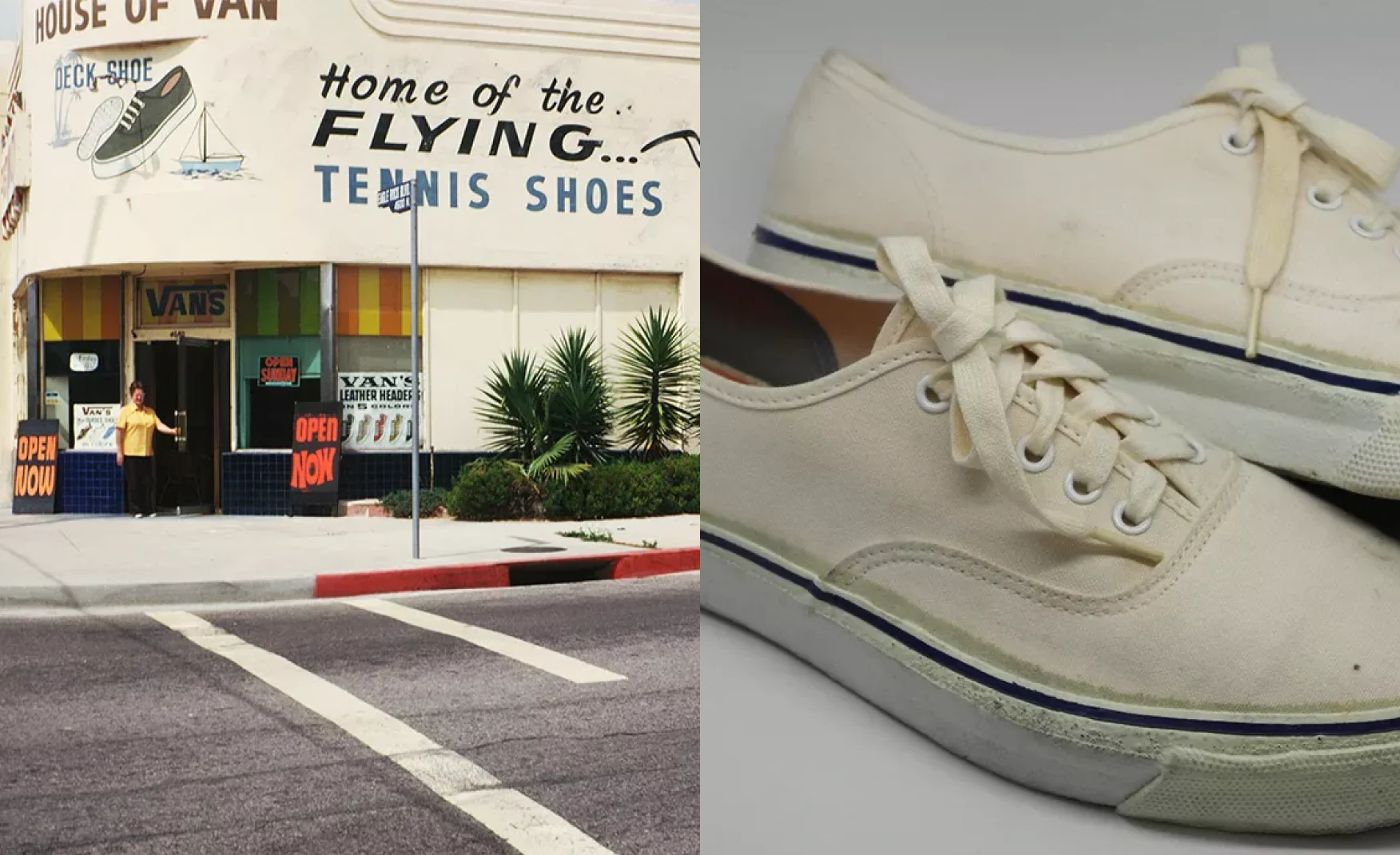
The Van Doren Rubber Company opened in Anaheim on 16 March 1966. It made shoes on the spot and sold them straight to the public. 

The shoes were made locally, sold directly and built on trust. 

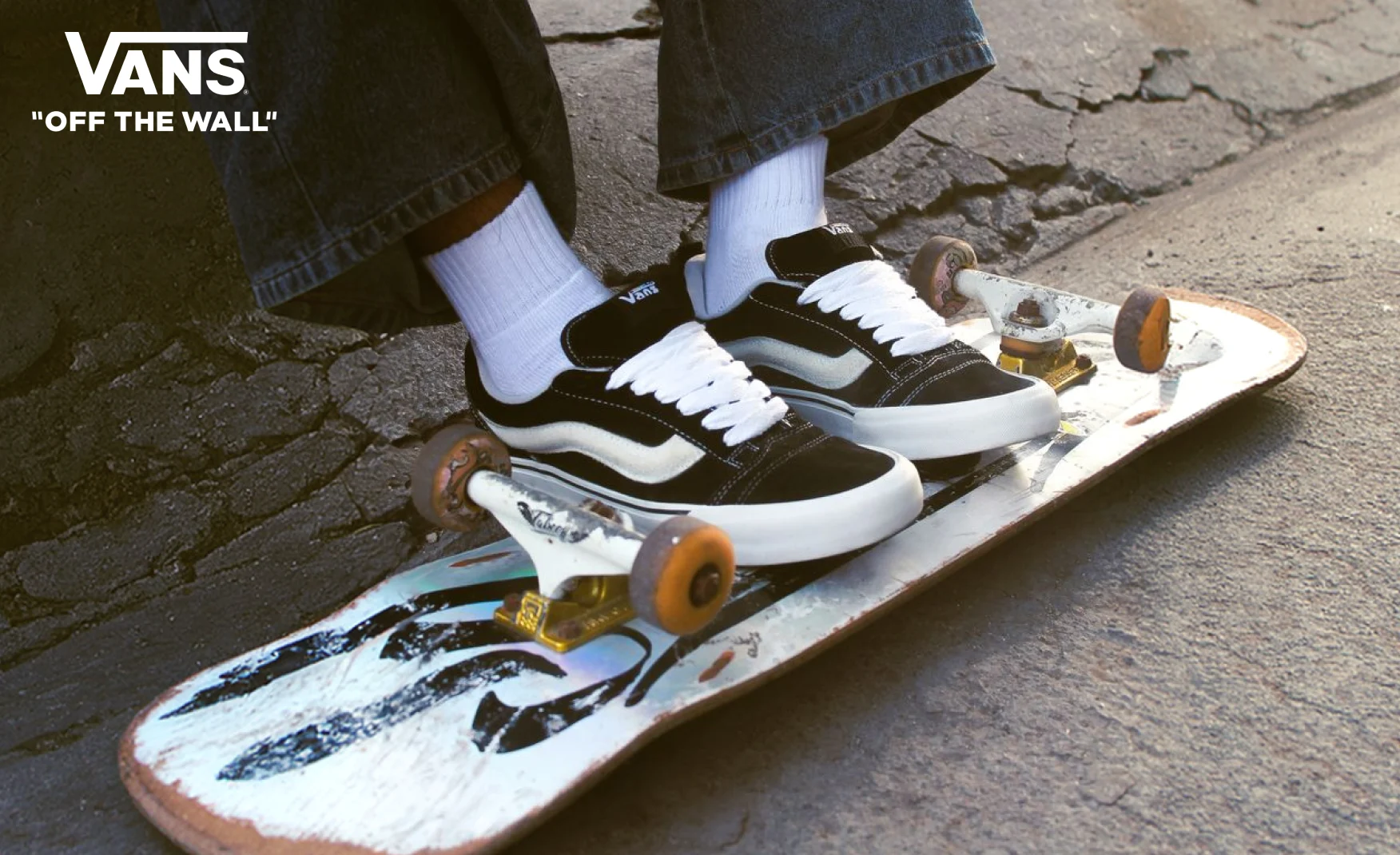
The first product was the #44 deck shoe, now called the Authentic, and skateboarders and BMX riders picked it up through the 1970s.

Selling direct kept the factory close to the customer. That is why many of the brand’s best-known designs came from the people wearing them.
2. A Visual Language You Can Recognise From the Sole Up 🏁

Most shoe brands are known by a logo. Vans is known by a whole set of marks that work together.

A logo can be covered up or copied. 

But patterns, stripes, textures and shapes stay recognisable even when the name is missing. Vans built its look over time with one piece at a time.

The waffle sole is the feel of the brand. The side stripe began as a doodle by Paul Van Doren and first appeared on the Old Skool in 1977. 

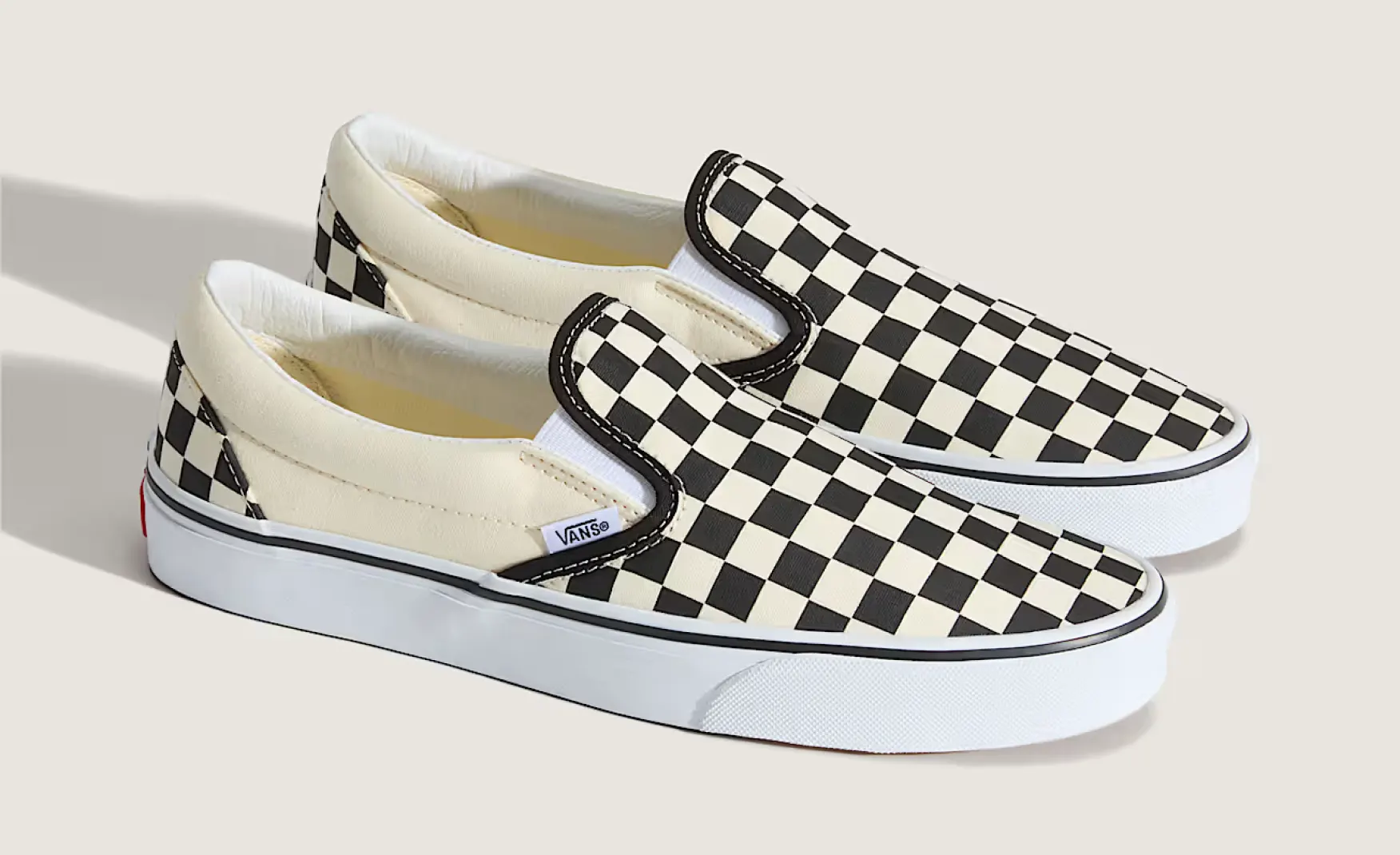
The “Off The Wall” logo arrived in 1976, using a skateboarding phrase about riders launching off the curved walls of empty pools. The checkerboard took off in 1982, when Sean Penn wore it in Fast Times at Ridgemont High.

These marks travel easily. A checkerboard on a sock, a bag or a concert stage says Vans without a single word. Even the wordmark is simple. It began as a bold heel tag on a factory shoe, and the long arm of the V gave it its shape.

Vans protects this look too. In December 2023, a US appeals court upheld an order against the art group MSCHF over its Wavy Baby sneaker. The court pointed to the Old Skool’s black and white colours, side stripe, perforated sole and heel logo. A doodle from the 1970s is now protected property.
3. The Customers Designed the Brand 🎨

Most brands design, and the customer picks. But Vans works the other way round.

Skaters helped shape its best shoes. The Era came out in 1976 and was designed with skaters Tony Alva and Stacy Peralta. 

The Half Cab, made with pro skater Steve Caballero, arrived in 1988 as the first signature skate shoe. Even the name came from customers. 

People kept calling the shoes “Vans,” and the company became Vans, Inc. in 1991.

The brand keeps this going. Vans Customs lets anyone design their own pair online, like a digital version of the 1966 store. 

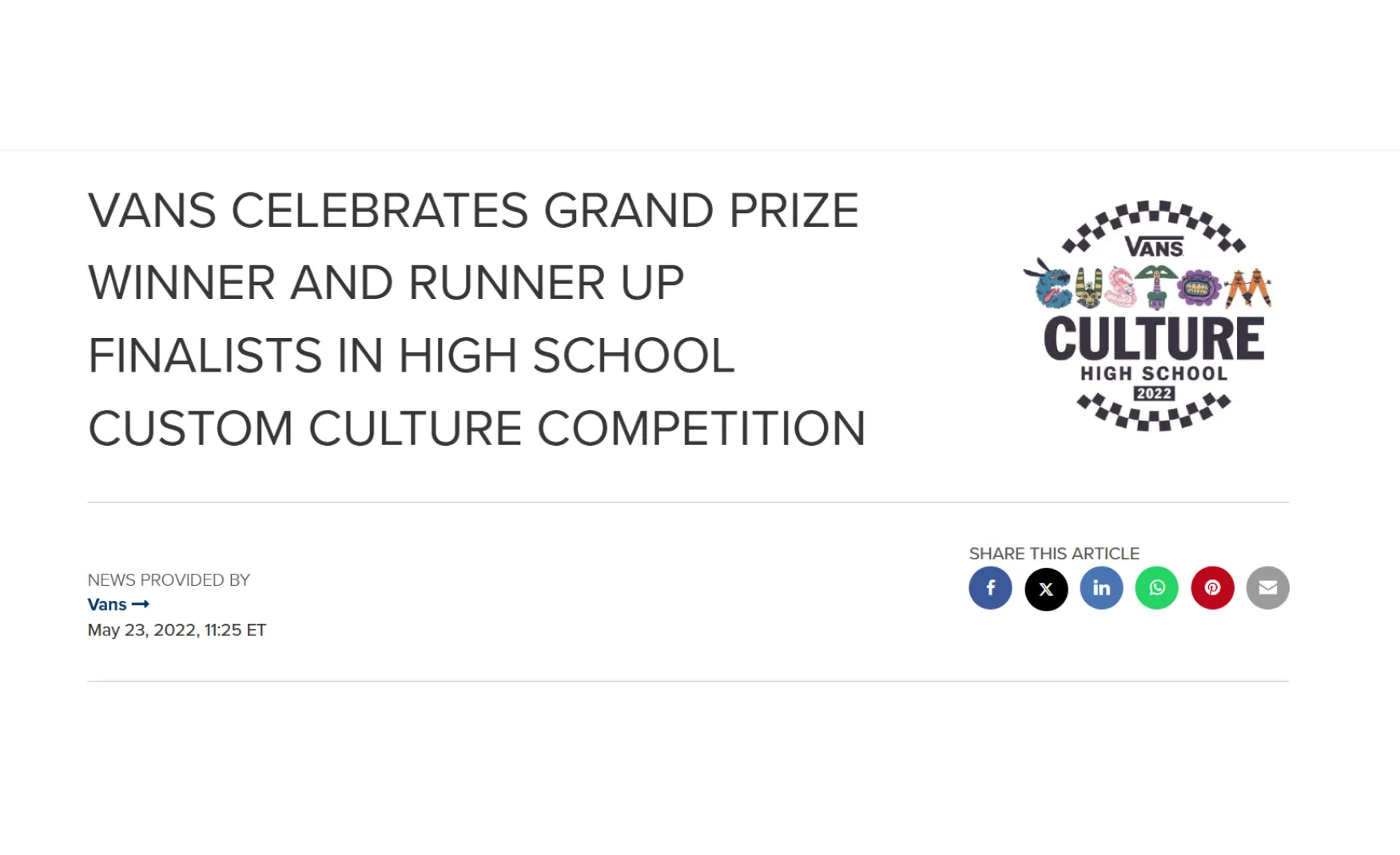
Vans Custom Culture is a contest for US high school art students. In 2022, Moanalua High School in Honolulu won a $50,000 prize for its art programme, and four other schools won $15,000 each.

People stand up for brands they helped build. Collaborations like Valentino Garavani, now in its second chapter in 2026, bring in other creative voices in the same spirit.

Could your customers co-design your brand?
Talk to our team about turning customer ideas into brand identity.
  • Discuss your project in detail
  • Get our expert advice, completely for free
  • Ask any questions you may have
Book A Call
Book A Call

4. Culture Venues Instead of Ad Space 🛹

Many brands sponsor an event for a season, pay an athlete to wear the product, then move on when the budget changes.

Vans builds the places where the culture happens. 

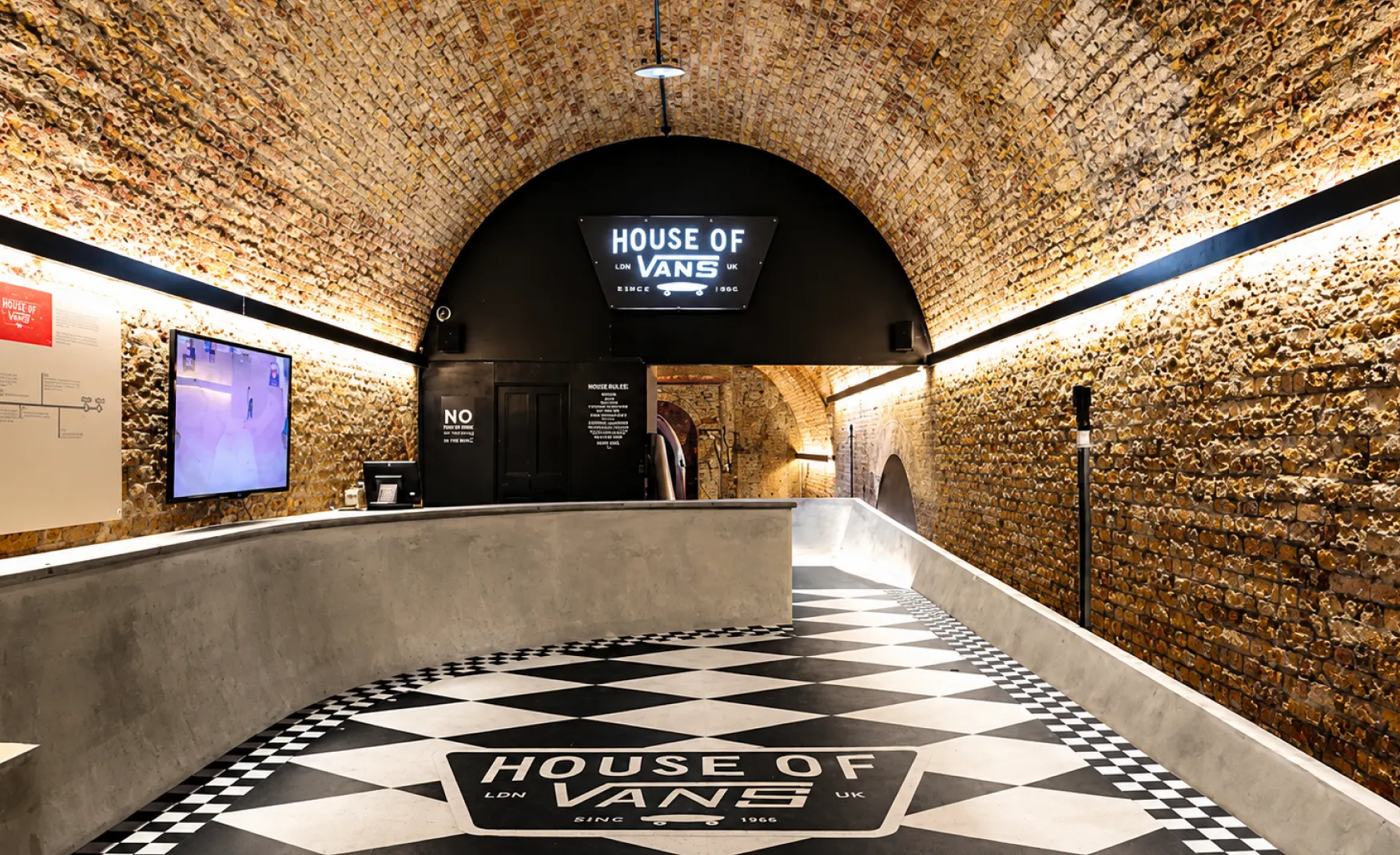
House of Vans opened in Brooklyn in 2010, and the London venue opened in 2014 in the Old Vic Tunnels under Waterloo station. The London space has an indoor skate park, a cinema, four art studios and a gig space for 850 people. Entry is free five days a week.

And music follows the same pattern. The Vans Warped Tour came back in 2025 for its 30th anniversary, with two-day festivals in Washington DC, Long Beach and Orlando. In 2014, Vans also became title sponsor of the US Open of Surfing. 

Vans spends its money on places for the skate scene to gather rather than on ads.

A place keeps working long after it opens. An ad stops working the day the spending stops, but a skatepark or a festival keeps creating stories and first experiences for years.
5. The Comeback Starts With Culture 🎤

Vans seems to be starting its recovery in the place it has always been strongest, which is culture.

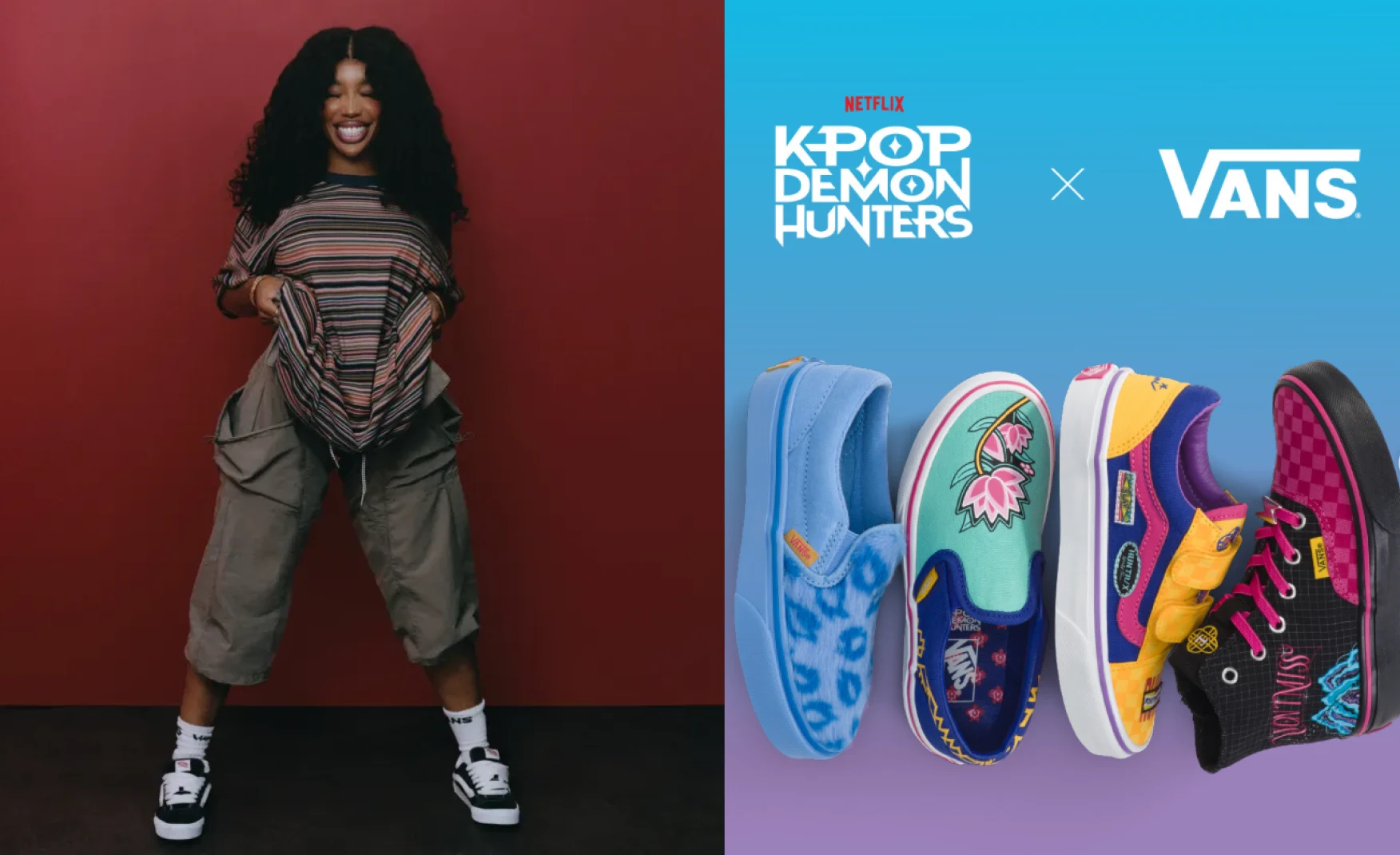
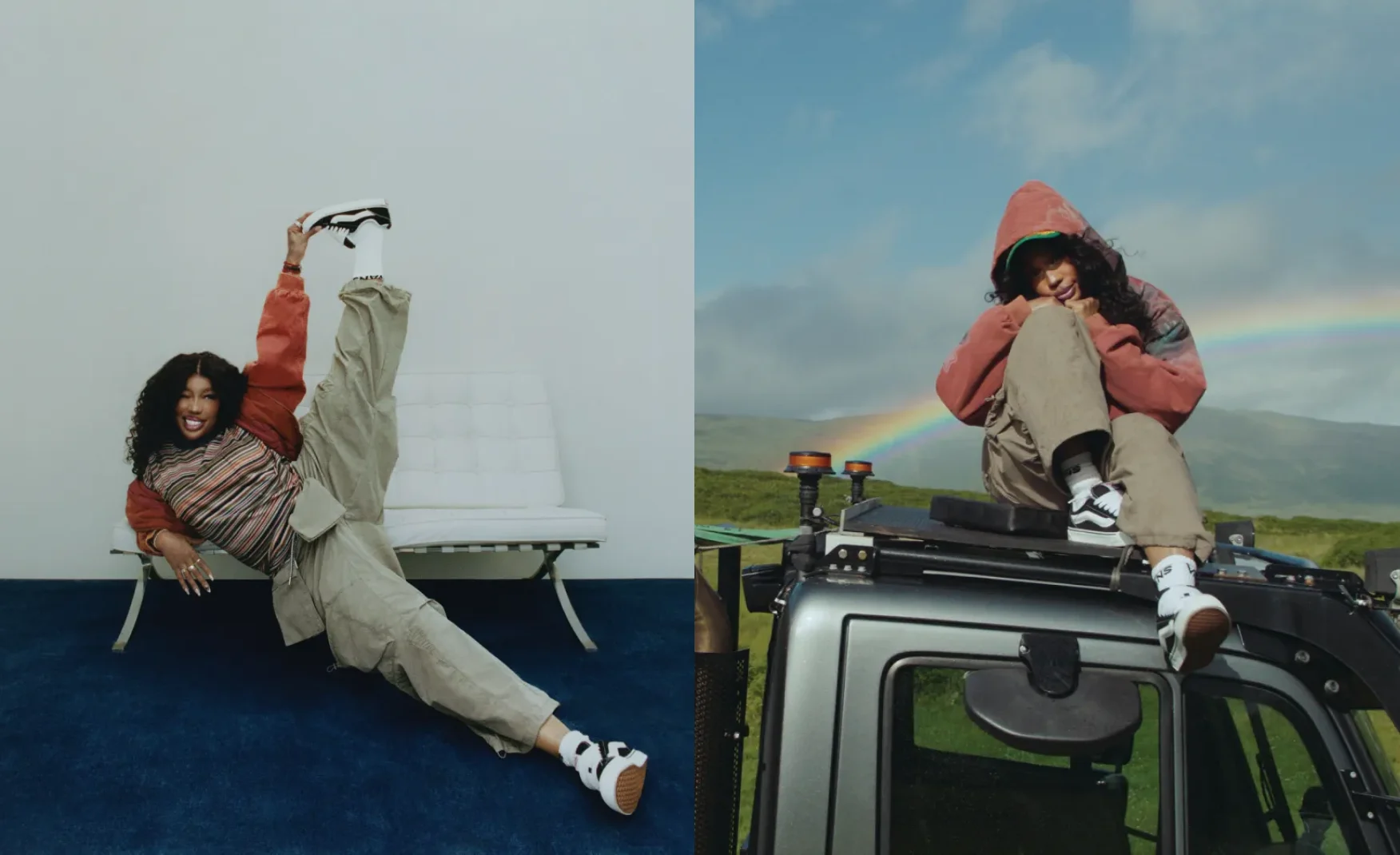
It is working with Grammy-winning artist SZA is the brand’s artistic director, in a multi-year partnership. She has a real say in how Vans looks and feels, and it already shows. She turned up at Paris Fashion Week in custom Vans, in rooms where a skate shoe rarely goes.

Then there is the collaboration with Netflix’s “KPop Demon Hunters,” a global hit that millions of younger fans love. It puts Vans in front of a new crowd, inside a story they already care about.

Vans now works “social-first,” with content and collaborations leading and the product following & that suits a brand born in skate culture. 

The numbers are still catching up. VF expects a small sales decline for the full year, with improvement in the second half. So this is a beginning, and the recovery is not finished.
6. An Instagram That Feels Like a Gallery 🎨

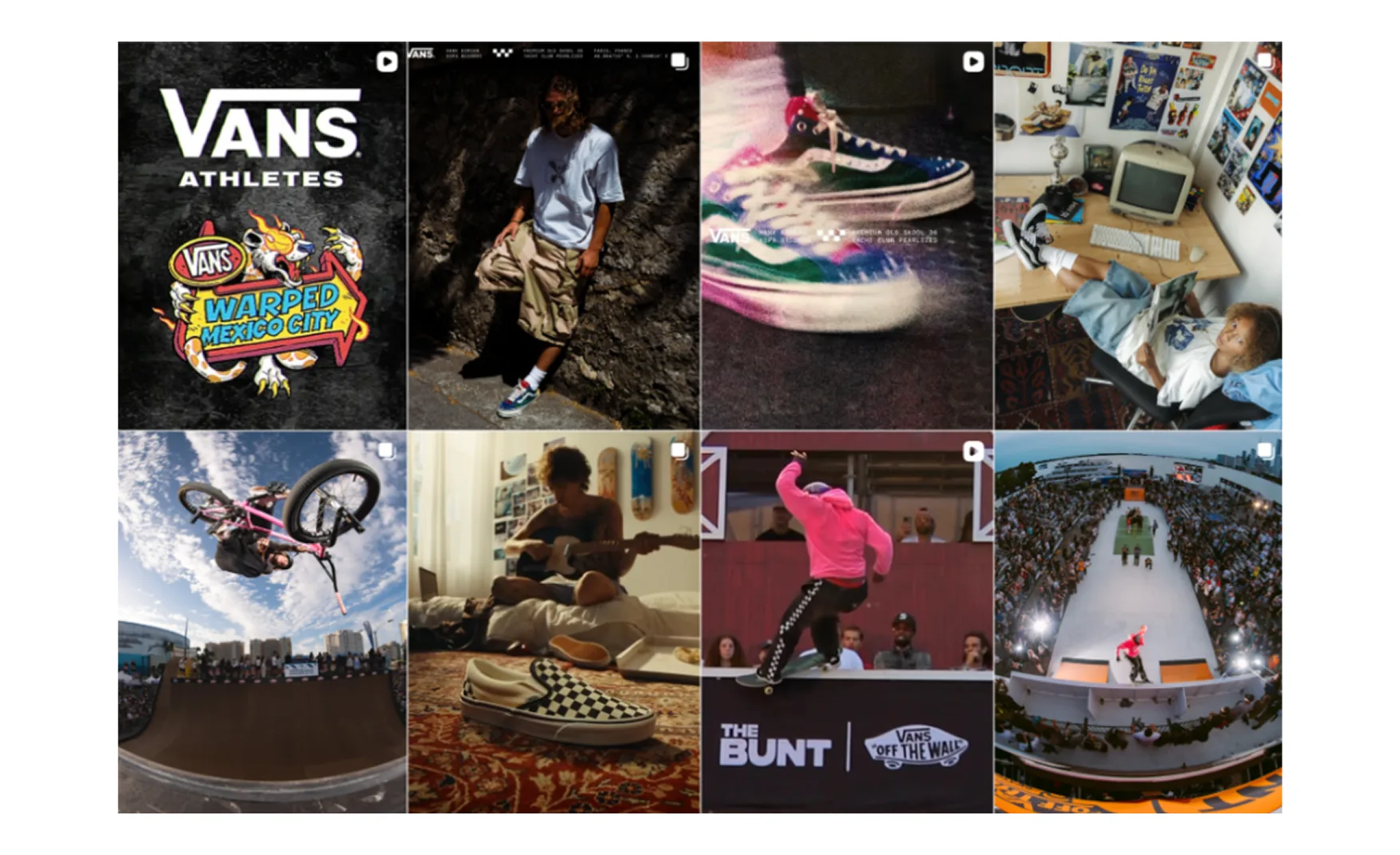
Vans’ Instagram is organised, and every post has a point of view.

The page looks planned, with clear colours, mood and rhythm from one post to the next. 

The shoes get room to breathe. Each pair is framed so you can see the shape, the sole and the small details that make it Vans. It sells without shouting.

The collaborations fit in well. SZA appears as the artist behind the brand’s creative direction, and the K-pop group CORTIS brings in a young, global crowd. They sit inside the same visual world, so they feel like part of the Vans story and not guests passing through.

Skateboarding keeps showing up too. Skaters land tricks, boards hit concrete, and the movement is real. That is the edge that built the brand, and the feed keeps it alive.
Vans Growth Challenges and Areas to Watch ⚠️

1. The Icons Became a Commodity ⚠️

The five shoes that built Vans also became its biggest exposure. The Authentic, Era, Old Skool, Slip-On and Sk8-Hi were sold everywhere at every price. And revenue fell from about $4.2 billion in FY2022 to about $2.1 billion in FY2026.

Vans’ sales have dropped by about half in four years & in FY2026 alone, they fell 11%. 

Shoe trends moved towards terrace styles like the Adidas Samba and soft, cushioned comfort brands, and Vans had little new to offer.

Some of its newer shoes still feel like a reply to what others started. The Knu Skool brings back a chunky shape. That makes sense for sales, but it does not yet show Vans leading, the way the checkerboard once did.

In the first quarter of fiscal 2027, Vans sales fell 9%. VF expects a small decline of around 4% to 6% for the full year.
2. A Celebrity Layer on a Skate Foundation 👀

Vans got its authority from skaters, musicians and artists who chose it themselves. 

SZA is a smart and serious choice, and the 60th anniversary cast mixes her with skaters and punk musicians.

Vans earned its respect from the ground up, starting with skaters and the people around them. Now that big names like SZA are leading the brand, there is a risk it starts to look like it is using fame to seem relevant, instead of earning that standing from the street. 

Skaters are quick to notice this. They have spent years watching brands show up in their world only when it suits them, so they can tell when something feels real and when it feels like an ad.
3. The Recovery Still Depends on Vans’ Own Channels 📉

The good news is that Vans is growing in its own stores and website in the Americas. But that is also where the weakness shows. 

Sales to other shops are still falling into fiscal 2027, and CEO Bracken Darrell expects them to improve a lot only in the second half.

Those shops decide how Vans is shown to many of its customers. They are careful about ordering more from a brand that has shrunk for four years. Until Vans sells well enough to win them back, the recovery is mostly happening in places the brand controls itself.

There is a second challenge inside the parent company, VF. It sold Supreme in October 2024 and Dickies in November 2025, and cut its debt ratio to 3.1x from 4.1x a year earlier. 

Making Vans feel rare again means selling less in the short term, and that can pull sales down before it helps.
How Confetti Sees Vans's Next Chapter 💡

1. Give Each Icon a Clear Place and Limit the Colours 🏗️

Vans needs clearer structure around its icons more than it needs new silhouettes. 

The Classics should sit in a well organised architecture.

The core line would have a fair price and a small, steady set of colours. The Premium line would use better materials, building and packaging. The Vault line would sit at the top, rare and made with collaborators.

Each level should look different enough on the shelf that a customer can see what they are paying for. The checkerboard and the black and white Old Skool should always be available and well protected. Everything else should come out in planned, limited releases.

CEO Bracken Darrell has said a Souvenir Asphalt release sold out in thirty minutes. The goal is to make that rarity something Vans plans, and not something that happens by luck.

For founders, this may be the most useful lesson in the Vans story. When a best-selling product ends up on everyone’s feet, the answer is rarely a new best seller. It is usually a better plan around the old one. Levi’s, for example, keeps its classic 501 and builds its premium and vintage lines around it.

2. Make Customisation the Front Door 🎨

Vans’ most unusual strength is that its customers helped write its design. But today that idea sits on the side, in Vans Customs and a school contest.

Confetti would actually put it at the centre. Every flagship store could have a station where customers pick their own fabrics, prints and details. That would bring back the feel of the first Anaheim store in 1966.

The brand could also make small batches of shoes designed by customers, and name the designer on each one. Winners of Custom Culture and local artists should get real space on the shelf and time in campaigns.

This gives Vans something rivals cannot easily copy, which is new ideas from its own customers and its own history.

3. Build Retail on the House of Vans Model 🌍

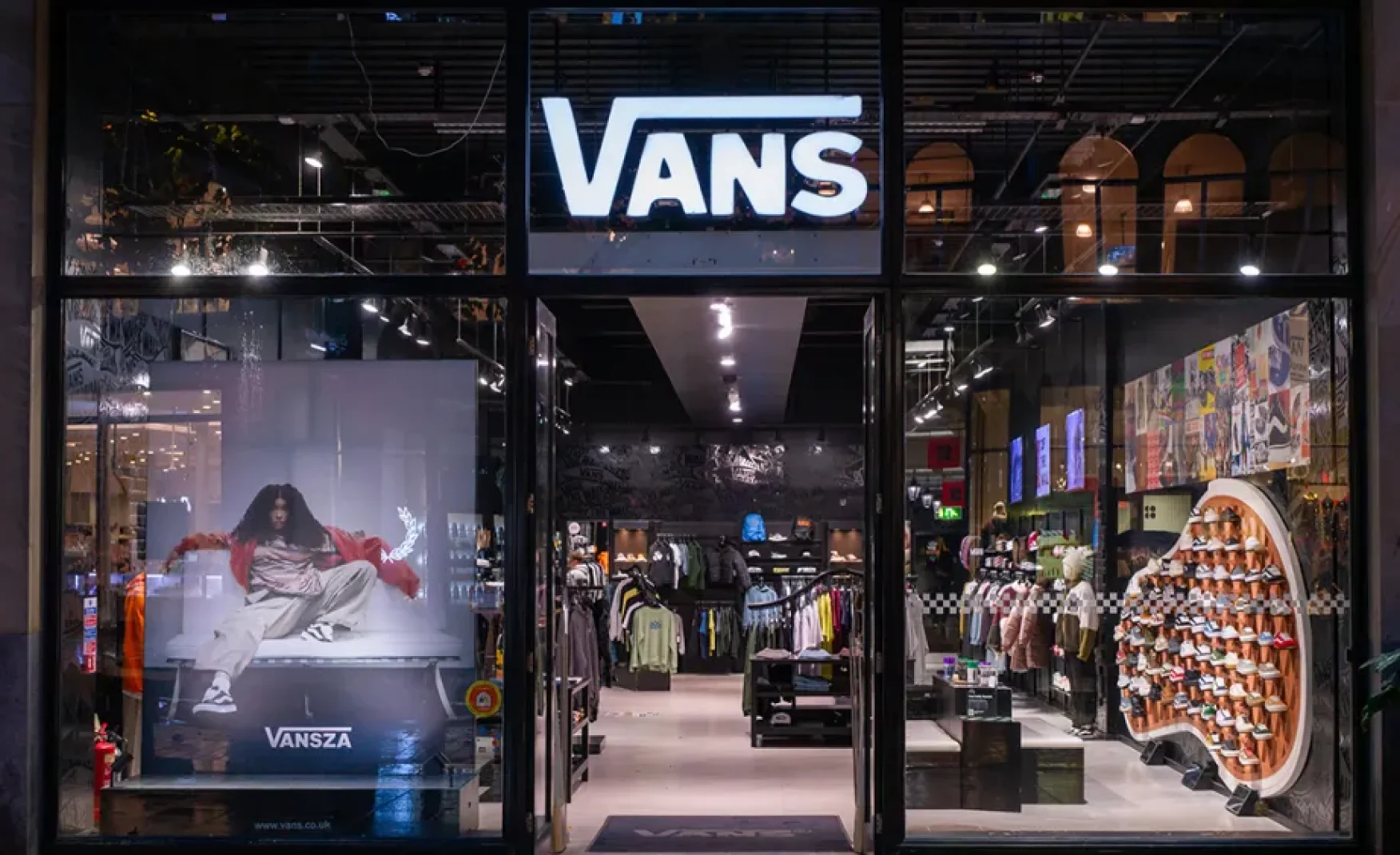
Vans already knows how to build places where people want to spend time and House of Vans London shows this.

Most Vans stores still look like normal shoe shops. That is where the brand does worst, because it has to compete on price and choice against everyone else.

The next flagship stores should borrow from House of Vans. Where there is space, they could have a small skate area, a wall for local artists, a screen for events and a custom design bar in the middle. 

A few better stores run like cultural spaces would do more for the brand than many more shops selling the same classic shoes.

This also suits markets where Vans is still growing, such as India. Many young people there find sneaker culture through friends and events as much as through the shoes. 

A House of Vans style space in Mumbai or Bengaluru would show Vans as a culture brand first, which is how it was built.

Vans Verdict and Confetti Rating ⭐

Vans has one of the strongest brand foundations in consumer products. It started as a factory that sold straight to the people who wore its shoes. That closeness meant customers helped shape its design.

A side stripe that began as a doodle and a checkerboard made famous by a film are now protected assets. House of Vans shows the brand can build culture, and not just pay to borrow it. Few brands, even much older ones, have this much earned respect.

The problem was never a lack of history. The problem was showing too much of it. Selling the same classic shoes everywhere at every price cut revenue from about $4.2 billion to about $2.1 billion in four years.

The turnaround under Bracken Darrell and Sun Choe starts in the right place. It cut discount sales first, before spending on SZA and the 60th anniversary campaign. What Vans needs next is firm rules for how it sells its classic shoes, customer design at the heart of the brand, and stores that feel like House of Vans and not like a regular shoe shop.

Confetti Rating: ⭐⭐⭐½ (3.5 / 5)

If you’re building a shoe or sneaker brand and want your look to be known from one pattern, one stripe or one shape, that’s the kind of branding and packaging work we do at Confetti. Get in touch with our team.

Want strategic branding and packaging like this for your business?

Book A Call
Share:

Other Brand Audits

Alo Yoga built every flagship to be filmed first and shopped second, gave the brand a name that's actually a whole philosophy, and let retail itself become the brand's storyteller.

Author:
Rishabh Jain

Glow Recipe took a single idea, make every product look like the fruit it's named after, and turned it into one of skincare's most recognisable packaging systems.

Author:
Rishabh Jain

Fenty Beauty turned forty shades into an industry standard and a hexagon into a packaging system that has held five categories together for eight years, and still has more it could say.

Author:
Rishabh Jain

Summer Fridays named itself after a feeling instead of a product, then designed every pack to photograph better and now has to defend that exact look from everyone copying it.

Author:
Rishabh Jain

Lululemon built its premium on something customers could feel for themselves, not just believe. This audit looks at what's left of that promise now that leggings, stores and leadership are all being tested at once.

Author:
Rishabh Jain

Kayali made a generation start layering perfumes, a real shift, and the brand's whole identity. Now they've carried that idea into body care. But competitors already copied the playbook. The real question is whether Kayali can still own "layering" before it becomes industry wide.

Author:
Rishabh Jain

WishCare's name splits neatly into a promise and a discipline, and the packaging on its shelf does not carry the same idea.

Author:
Rishabh Jain

ClayCo designed a platform built to hold every beauty ritual on earth, and three years in, it still only tells Japan’s story, and even that one is slipping.

Author:
Rishabh Jain

NIC built a well-run house of ice cream brands, and gave its flagship label a name that keeps doing marketing work for a rival called Naturals.

Author:
Rishabh Jain

Foxtale is the upcoming skincare brand with colour coded packaging that customers can spot before reading the label, and now has to prove that colour can carry a brand once everyone else copies it.

Author:
Rishabh Jain

Rhode built a billion dollar exit on three products and one food led idea, and sold it for $10M in e.l.f Beauty in just 11 days.

Author:
Rishabh Jain

How Kimirica turned five-star hotel amenities into a bootstrapped Rs 300 crore vegan luxury bath and gifting brand.

Author:
Rishabh Jain

How BlissClub built India's most talked-about women's activewear brand from a WhatsApp community, and why profitability is now the harder game.

Author:
Rishabh Jain

How Inde Wild became the first homegrown Indian brand to sell out at Sephora US through founder-led branding and a modern take on Ayurveda.

Author:
Rishabh Jain

How Zouk built a Proudly Indian, PETA-approved bag brand by turning Indian handicraft into modern everyday carry, and why becoming iconic is the next design problem.

Author:
Rishabh Jain

How Hyphen used Kriti Sanon as a co-founder rather than a mascot to build a skincare brand in two years, and why credibility is now its real battle.

Author:
Rishabh Jain

How Needledust turned the traditional jutti into a luxury, celebrity-worn shoe, and why growing beyond the occasion is its next design problem.

Author:
Rishabh Jain

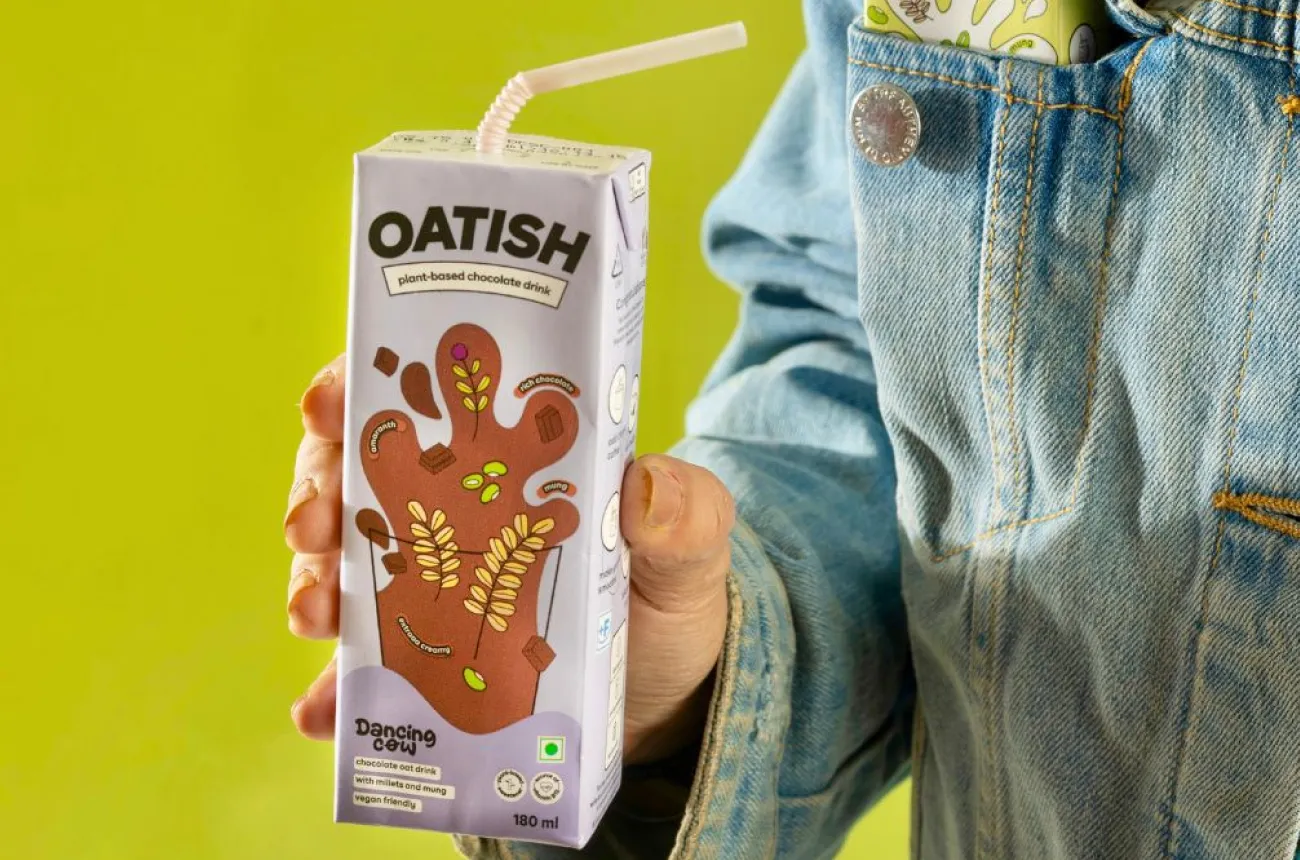
How Dancing Cow turned animal rescue into an alt-dairy brand, and why its two names now compete for the same shelf.

Author:
Rishabh Jain

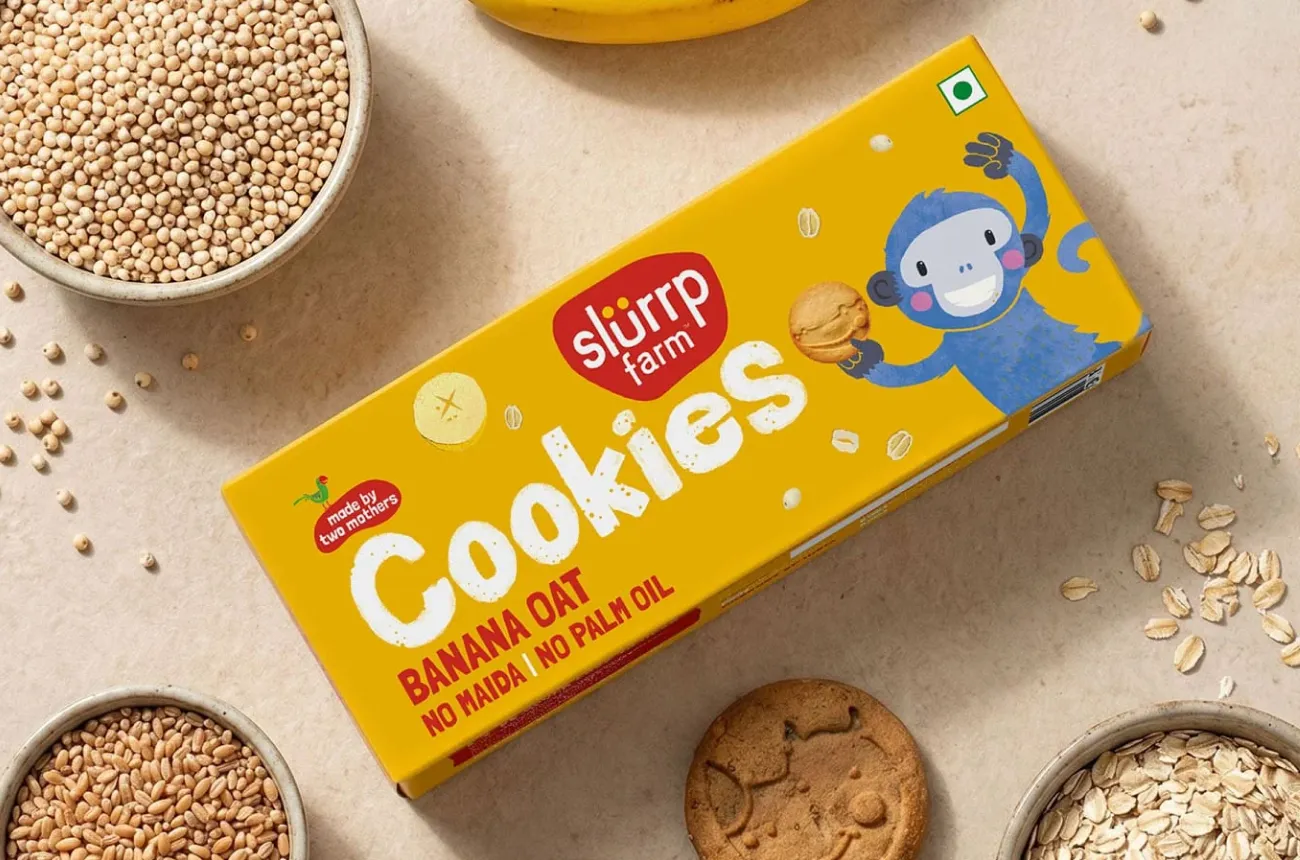
How Slurrp Farm made millets a children's food category through design-led packaging and a parent community it built itself.

Author:
Rishabh Jain

How Soulflower turned two decades of aromatherapy expertise into India's best-selling online hair oil, and why coherence is now its design challenge.

Author:
Rishabh Jain

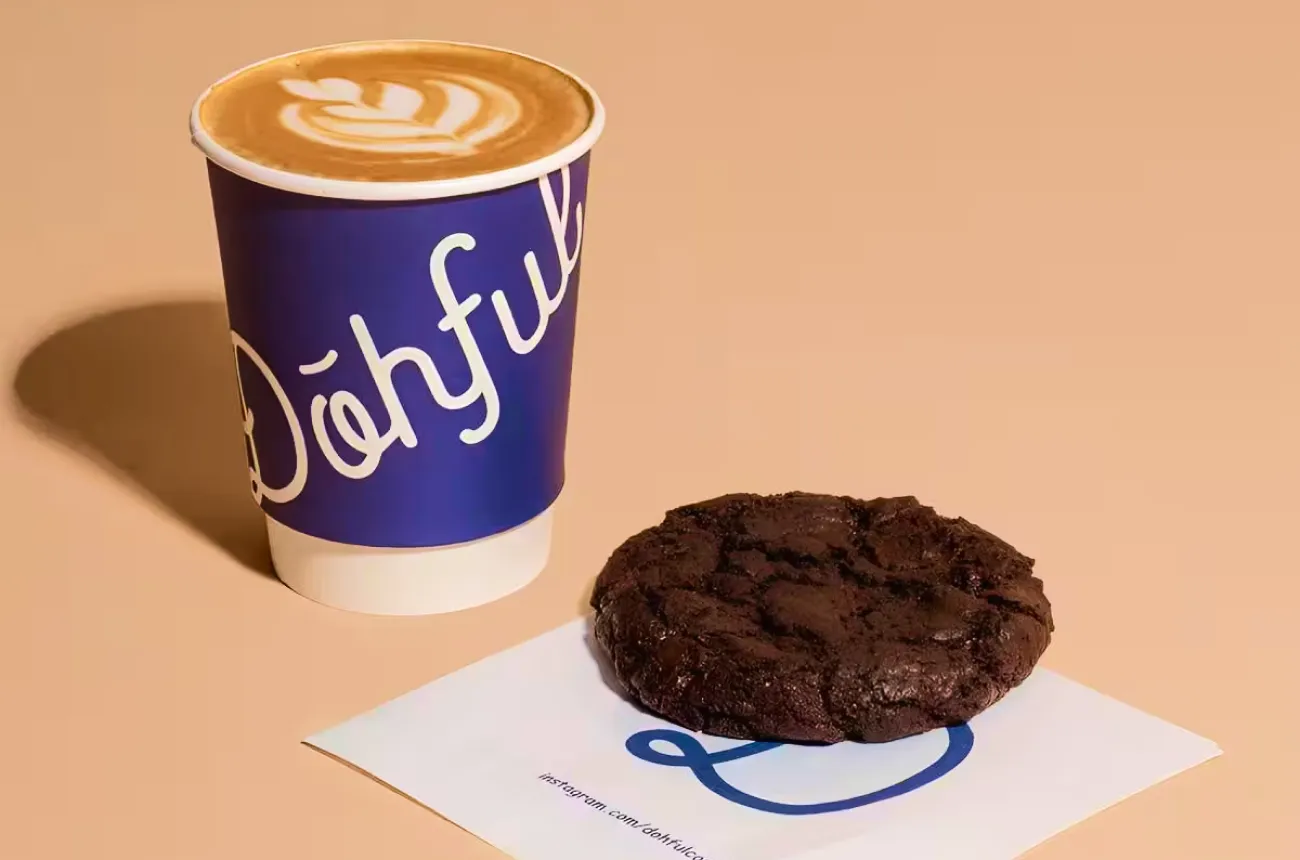
How Dohful turned soft-baked cookies and a candid founder newsletter into India's most intimate D2C brand, and why its offline pivot is the real test.

Author:
Rishabh Jain

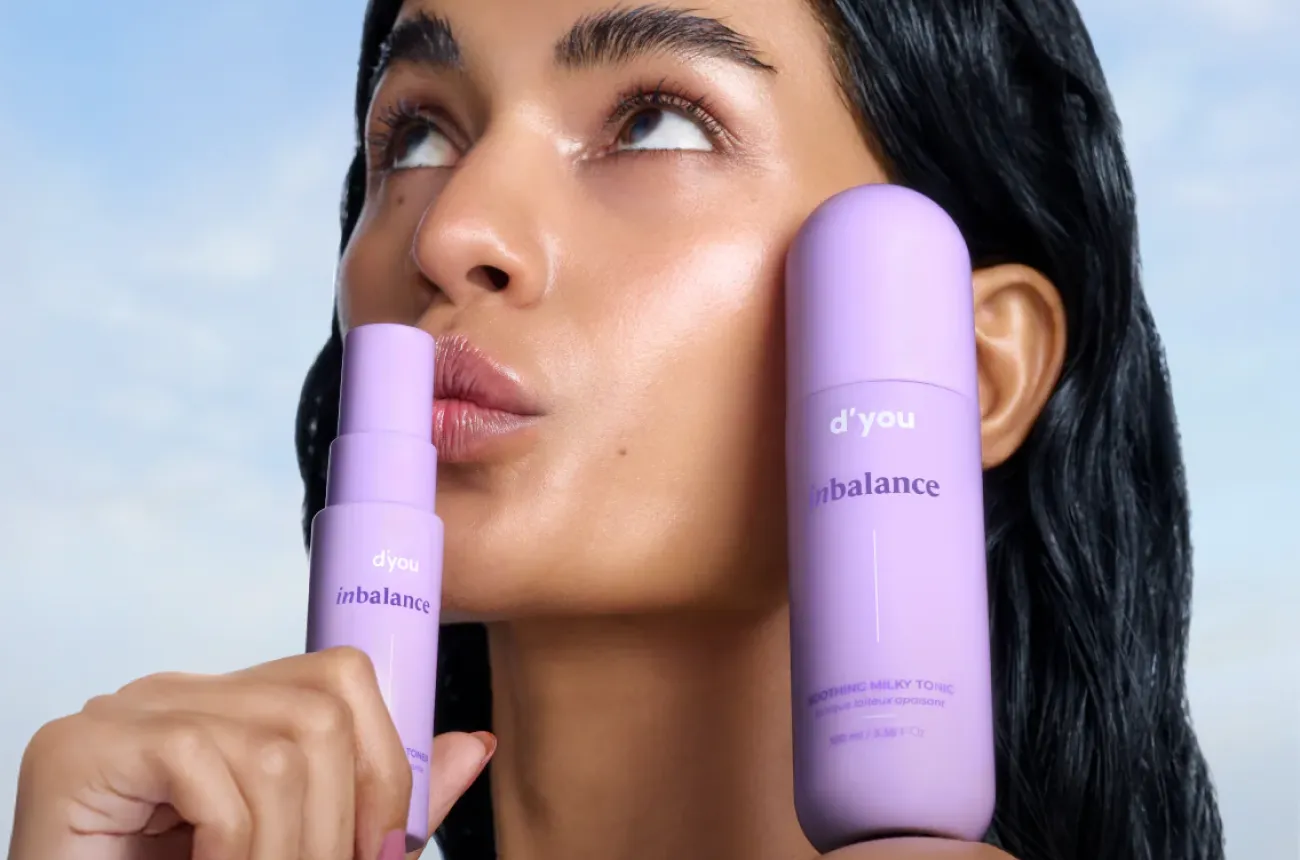
How d'you turned a single 11-active serum into a bootstrapped, profitable cult skincare brand by making the formula the whole brand.

Author:
Rishabh Jain

Cosmix built one of India's cleanest supplement brands through root-cause formulation and founder-led education, and earned a Marico buyout doing it.

Author:
Rishabh Jain

XYXX has cracked distribution in a way almost no premium Indian menswear brand has, but that same reach is now the thing putting its premium identity at risk.

Author:
Rishabh Jain

Bombay Shirt Company built a genuine zero inventory business on the promise that a shirt made for you fits better than one made for everyone, and now it has to prove that promise still holds across 40 stores.

Author:
Rishabh Jain

Palmonas turned a Bollywood actor into an equity holding co-founder and rode that bet to 40x revenue growth, but the brand behind the face still looks like every other demi-fine label on the shelf.

Author:
Rishabh Jain

India built the luxury Ayurveda category around Kama, and the brand is now watching a rival it once matched get bought outright by a global beauty giant.

Author:
Rishabh Jain

How Plix grew to Rs 436 crore by solving a format problem before a formulation problem, built a browse-by-plant experience no competitor has matched.

Author:
Rishabh Jain

How Benne built a Rs 350 crore brand story from a 12-seater dosa café in Bandra by picking one product, doing it obsessively well, and letting the queues tell the rest of the story.

Author:
Rishabh Jain

How Bummer built the first genuine personality in Indian innerwear, survived Ashneer Grover's "doglapan" moment on national television, and still has the most important question in front of it: how does a brand this loved become a business this large?
Author:
Rishabh Jain

How Nicobar built India's most disciplined lifestyle brand by refusing to raise capital, discount, or borrow a design language from anywhere else, and why it has become the quiet reference point for an entire generation of Indian founders.

Author:
Rishabh Jain

How Moxie Beauty told Indian women with curly and wavy hair something the global haircare industry had never bothered to say: it was never your hair, it was always the product.

Author:
Rishabh Jain

How Forest Essentials turned ancient Indian Ayurveda into a Rs 585 crore global luxury brand, and why the full Estée Lauder acquisition announced in March 2026 is the most consequential moment in its 25-year history.

Author:
Rishabh Jain

How Sleepy Cat built India's most coherent sleep brand by doing the one thing its better-funded rivals forgot: staying obsessively focused on sleep, and nothing else.

Author:
Rishabh Jain

How Country Bean made flavoured coffee India's softest entry into specialty before anyone else thought the market was ready, and why the brand that opened the category needs a next act before the market moves fully past it.

Author:
Rishabh Jain

How Nuuk is filling the gap between Dyson and cheap imports with design-first home appliances built for modern Indian homes, and why the brand identity now needs to move as fast as the product has.

Author:
Rishabh Jain

How Poppi turned colour, a founding story, and a TikTok community into a USD 1.95B acquisition by PepsiCo and why its biggest design challenge now has nothing to do with the can.

Author:
Rishabh Jain

How ZYN used design precision and sport sponsorship to make nicotine feel like a premium lifestyle choice, and what that reveals about the power and limits of branding.

Author:
Rishabh Jain

How OLIPOP made gut health fun instead of clinical, built a USD 1.85B brand that turned down acquisitions from both Coke and Pepsi, and became the last serious independent in a category that consolidated around it.

Author:
Rishabh Jain

How Gully Labs made Indian streets the design brief, built a Noida factory before most investors believed in it, and raised Rs 35 crore to prove the category is real.

Author:
Rishabh Jain

How NOTO spotted India's guilt-free ice cream opportunity before anyone else, earned 87 investors across eight rounds, and why the packaging and portfolio focus need to catch up with the founding insight before the competition does.

Author:
Rishabh Jain

How Bluorng proved that Indian streetwear does not need a Western reference point to command Rs 20,000 for a sweatshirt, and what it means for every brand building in a category that did not exist before they arrived.

Author:
Rishabh Jain

How Cumin Co consolidated India's scattered cookware market with patented technology and design so good that people ask where to buy it, and why the brand building work is what comes next.

Author:
Rishabh Jain

How Arata built a 1.5 million customer haircare business on product quality and quick commerce reach alone, and why both Unilever and L'Oréal invested in it.

Author:
Rishabh Jain

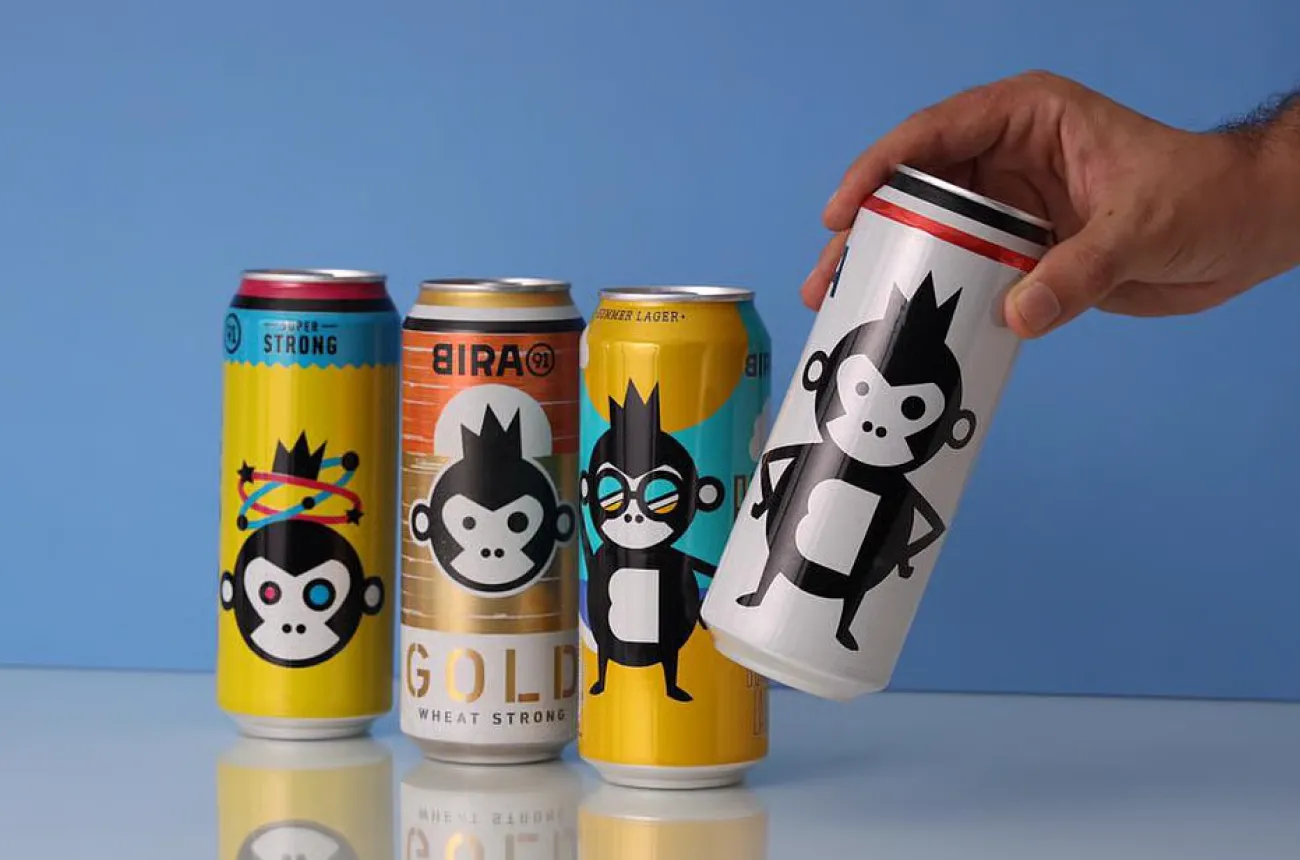
How Bira91 created India's craft beer category, became the default drink of a generation, and why the brand's cultural achievement and the business's financial crisis are two entirely separate stories.

Author:
Rishabh Jain

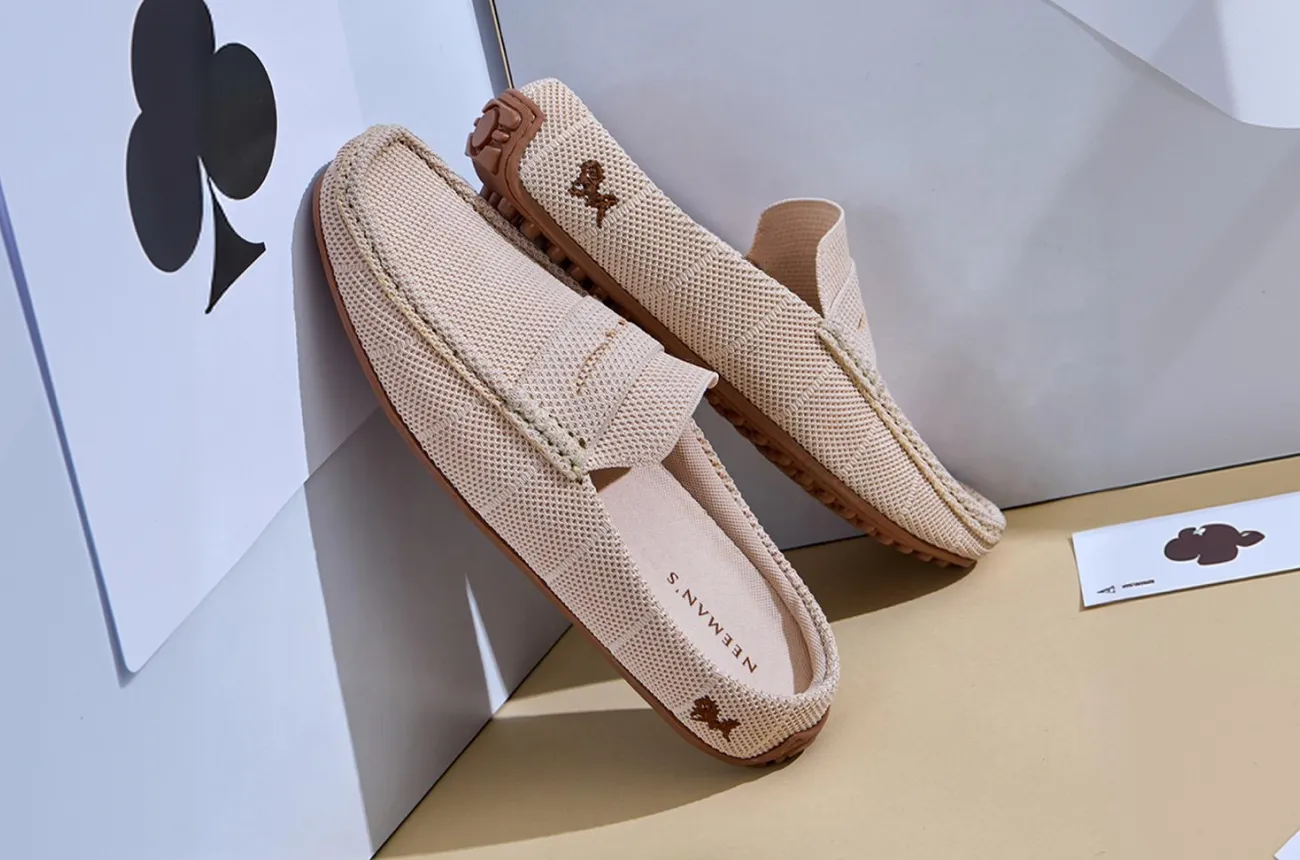
How Neeman's democratised sustainable footwear for India rather than premium-ising it, and why the brand identity has not yet caught up with the product's ambition.

Author:
Rishabh Jain
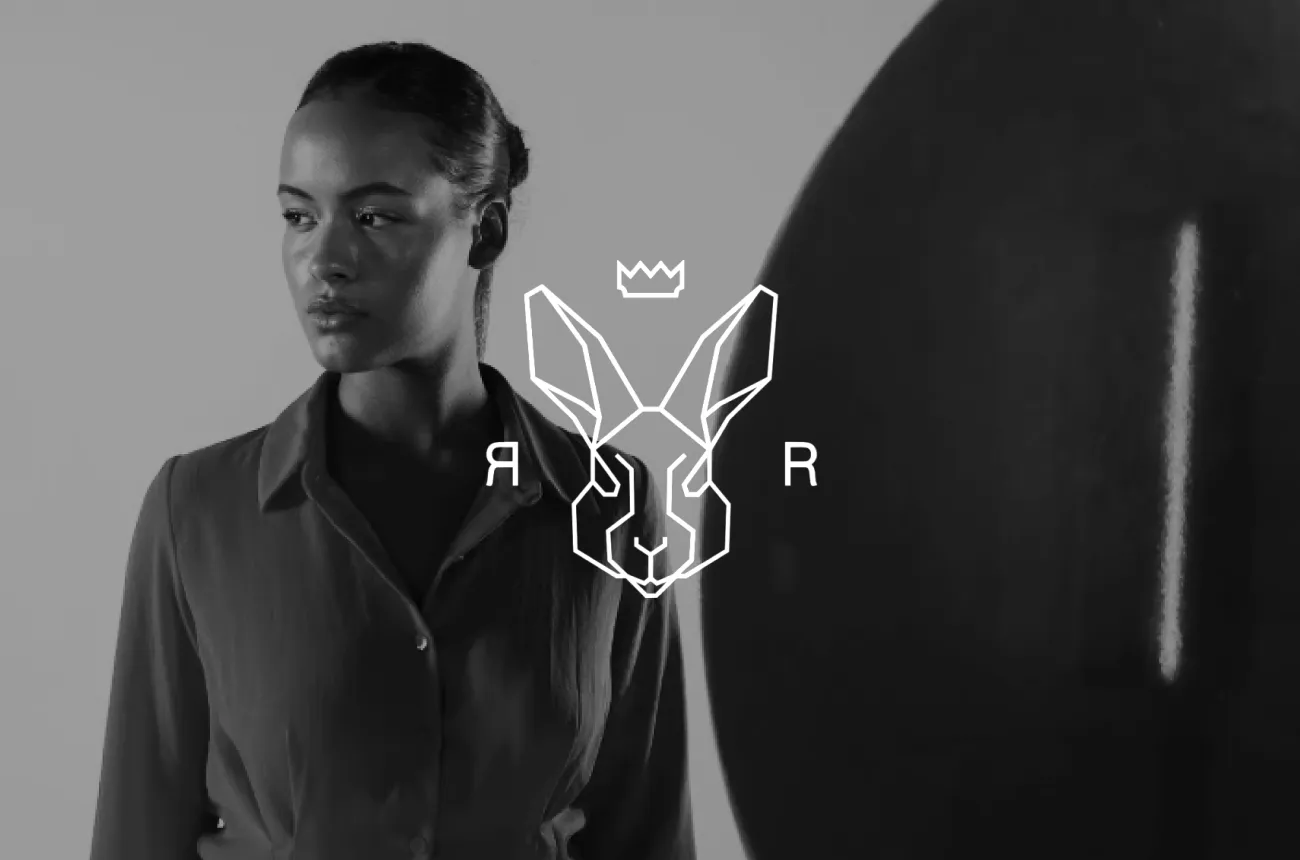
Rare Rabbit Brand Audit By Confetti Design Studio

How Rare Rabbit built India's most commercially serious premium fashion brand on product restraint, a tier 2-3 city strategy nobody talked about, and a monogram that does more brand work than any billboard could.

Author:
Rishabh Jain

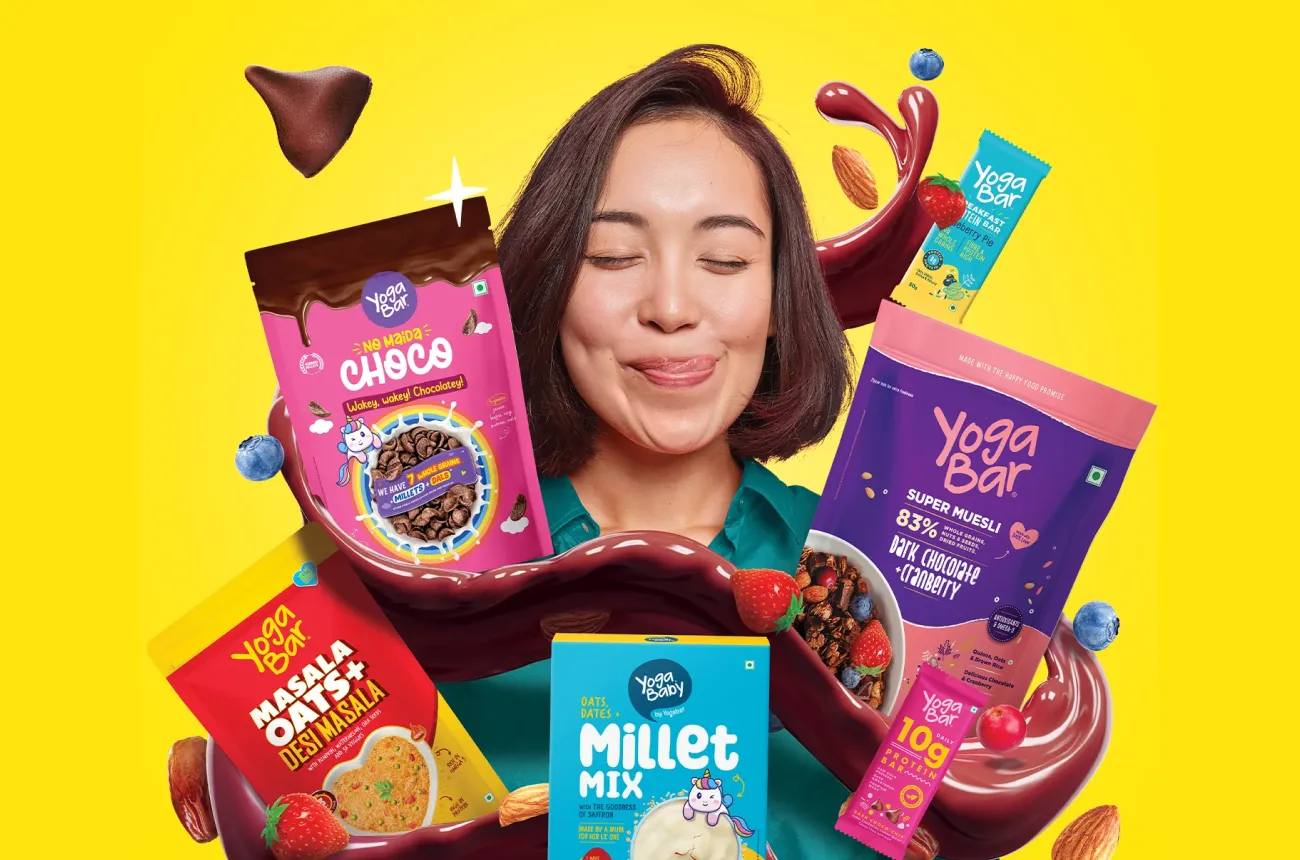
How Yogabar built a decade of consumer trust on ingredient honesty, scaled to Rs 201 crore through ITC's distribution reach, and now faces its most important brand question yet.

Author:
Rishabh Jain

How Jaipur Rugs built the most powerful Indian luxury story in the world through 40,000 artisans, Paris Fashion Week, and a founder who started with a Rs 5,000 loan.

Author:
Rishabh Jain

How Snitch went from Rs 11 crore to Rs 900 crore in five years by building the fastest trend pipeline in Indian menswear, and why the next Rs 900 crore requires something the machine cannot produce by itself.

Author:
Rishabh Jain

Mokobara made Indian luggage worth wanting. Whether it can hold its ground as the scrutiny grows is the next design problem to solve.

Author:
Rishabh Jain

How the Comet sneakers brand is building hype in India through iconic design, limited drops and streetwear culture.

Author:
Rishabh Jain

How UnderNeat is normalising shapewear in India through influencer-led branding, real women, and category-first storytelling.

Author:
Rishabh Jain

How Subko turned specialty coffee into a South Asian cultural movement: a Confetti brand audit.

Author:
Rishabh Jain

How Tipsy Tiger built a cocktail mixer brand with more personality than most funded competitors, and what it needs to do to translate that identity into breakout commercial scale.

Author:
Rishabh Jain

4700BC turned a commodity snack into a gourmet category, attracted PVR INOX and then Marico, and built the most disciplined brand identity in Indian premium snacking.

Author:
Rishabh Jain

Bold Care turned one of India's most stigmatised categories into a Rs 100 crore conversation. The next chapter is about proving the brand can convert attention into sustainable profit.

Author:
Rishabh Jain

Bombay Shaving Company scaled faster than most Indian D2C brands ever will. The question now is whether the brand system can catch up with the ambition.

Author:
Rishabh Jain

How The Good Bug made gut health feel like a lifestyle choice rather than a medical prescription, and why brand consistency is now the most important product it needs to build.

Author:
Rishabh Jain

How Vahdam built a globally scaled Indian tea brand by controlling the supply chain from plantation to doorstep, without losing what makes it Indian.

Author:
Rishabh Jain

How Plum turns simplicity and functional design into a skincare staple, and what it takes to go from dependable to iconic.

Author:
Rishabh Jain

How Keventers blends a century of legacy with contemporary design to stay timelessly relevant in India's crowded indulgence category.

Author:
Rishabh Jain

A closer look at how bold naming and visual cues turn coffee into an adrenaline experience, and why Rage Coffee has not fully committed to the promise its name makes

Author:
Rishabh Jain

How Sleepy Owl made cold brew a habit for urban India, and why staying interesting is now the harder challenge.

Author:
Rishabh Jain

How MyMuse made sexual wellness feel safe, modern, and completely normal for India.

Author:
Rishabh Jain

What happens when cocktail culture is designed for real homes, real parties, and real drinkers.

Author:
Rishabh Jain

How Indri became India's most awarded single malt by designing for all five senses, not just the glass.

Author:
Rishabh Jain

A look at how focus, simplicity, minimalism and intention built an unmistakably premium coffee experience.

Author:
Rishabh Jain

Third Wave Coffee put specialty coffee on the Indian map. The harder question now is whether it can protect the philosophy that made the name mean something.

Author:
Rishabh Jain

How Wellbeing Nutrition built a design system flexible enough to serve every age group without losing the plot.

Author:
Rishabh Jain

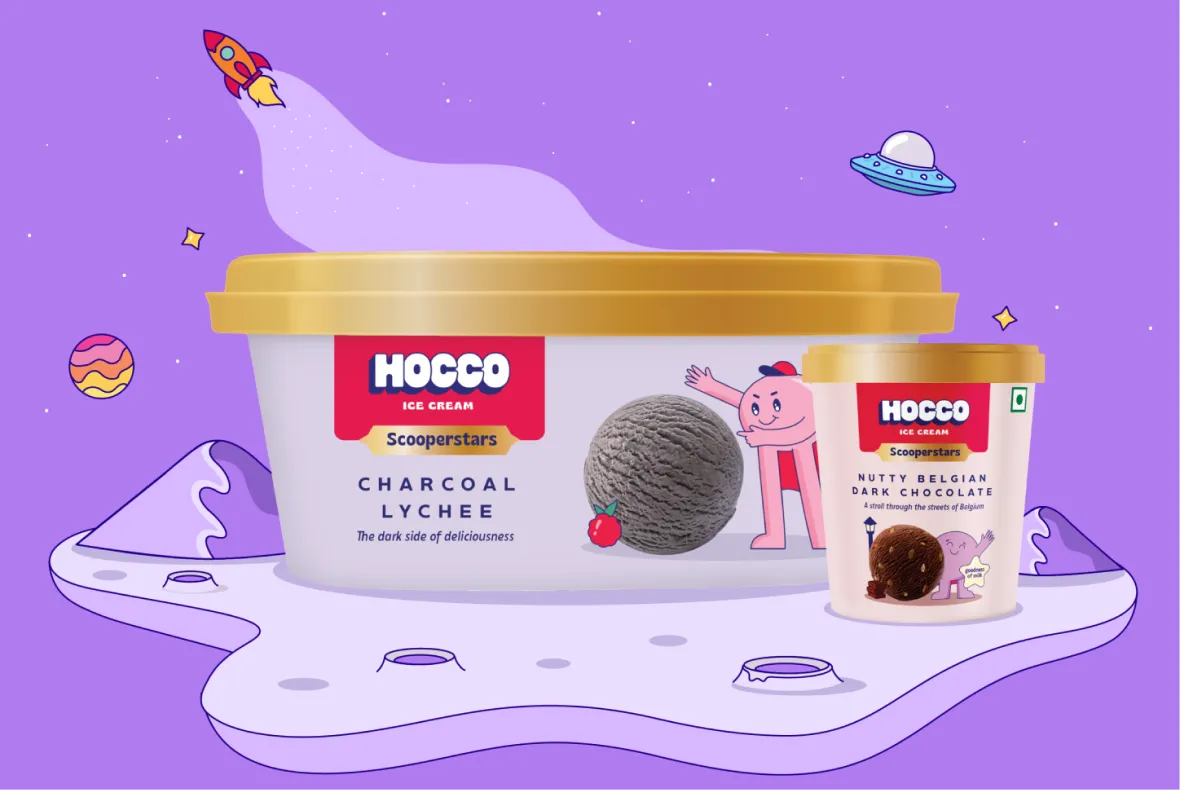
How Hocco reimagined indulgence through playful design, bold naming, and a joyful brand language that India's frozen aisles had never seen before.

Author:
Rishabh Jain

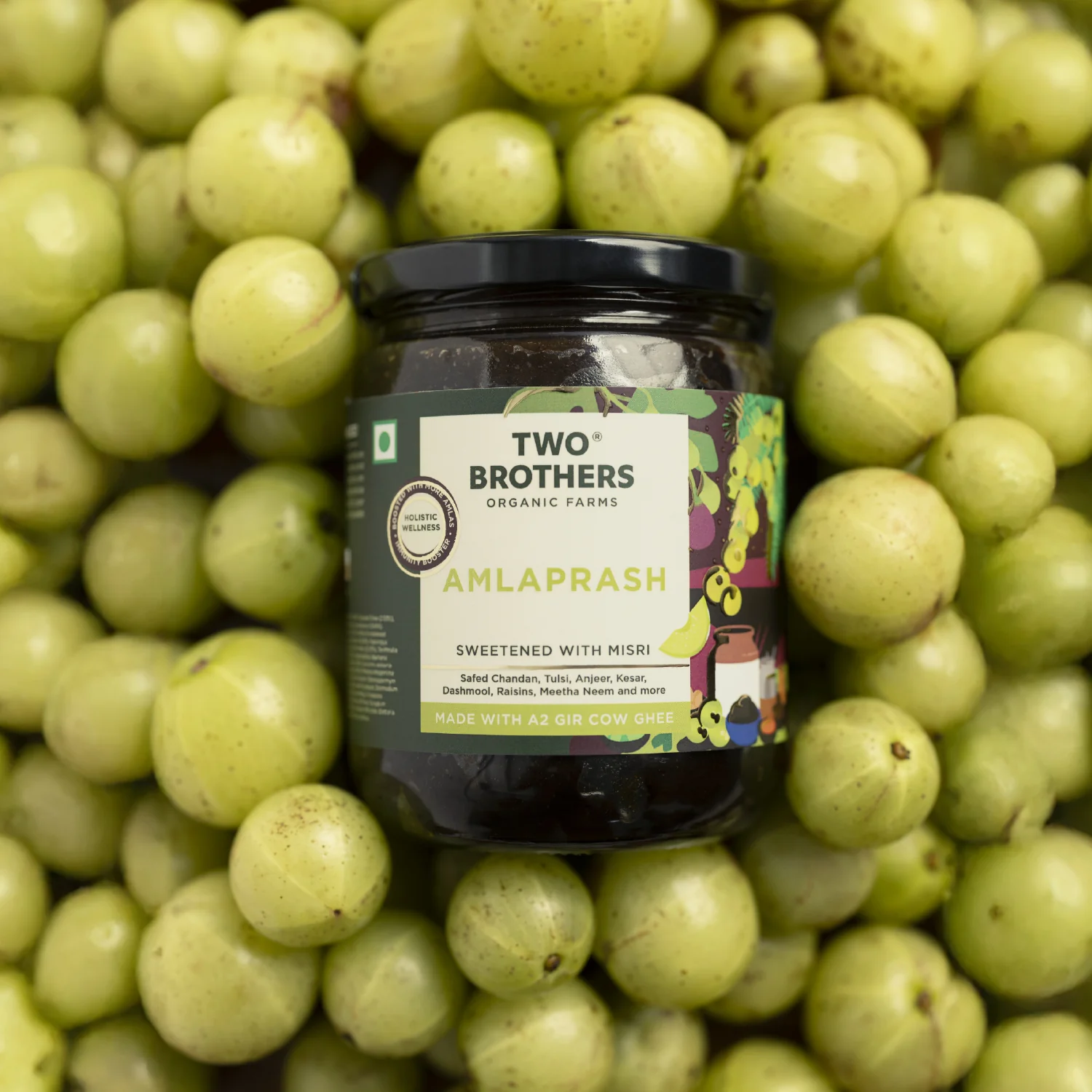
A closer look at how Two Brothers translates farm-first values into a trusted, premium identity.

Author:
Rishabh Jain

How The Whole Truth turned honesty into a design system, a business model, and a transparency movement.

Author:
Rishabh Jain

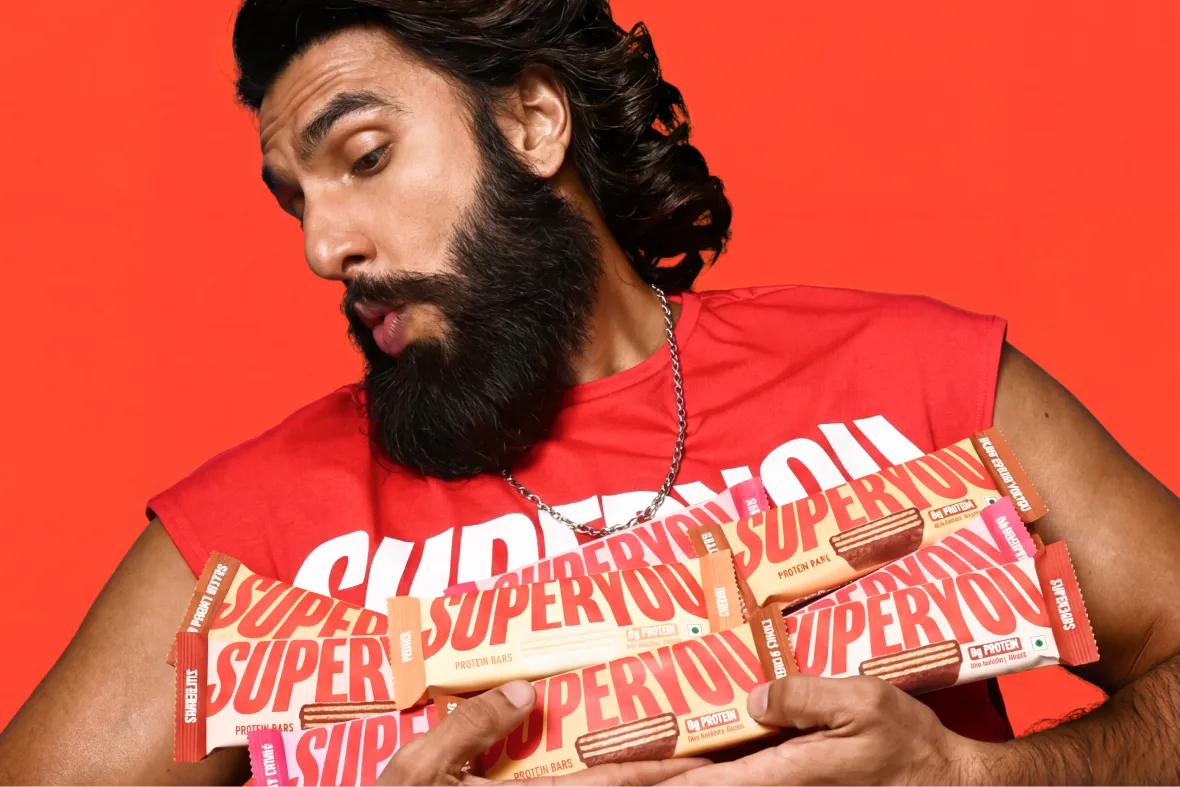
How SuperYou became India's fastest-growing celebrity D2C snack brand by making protein mainstream, not niche.

Author:
Rishabh Jain

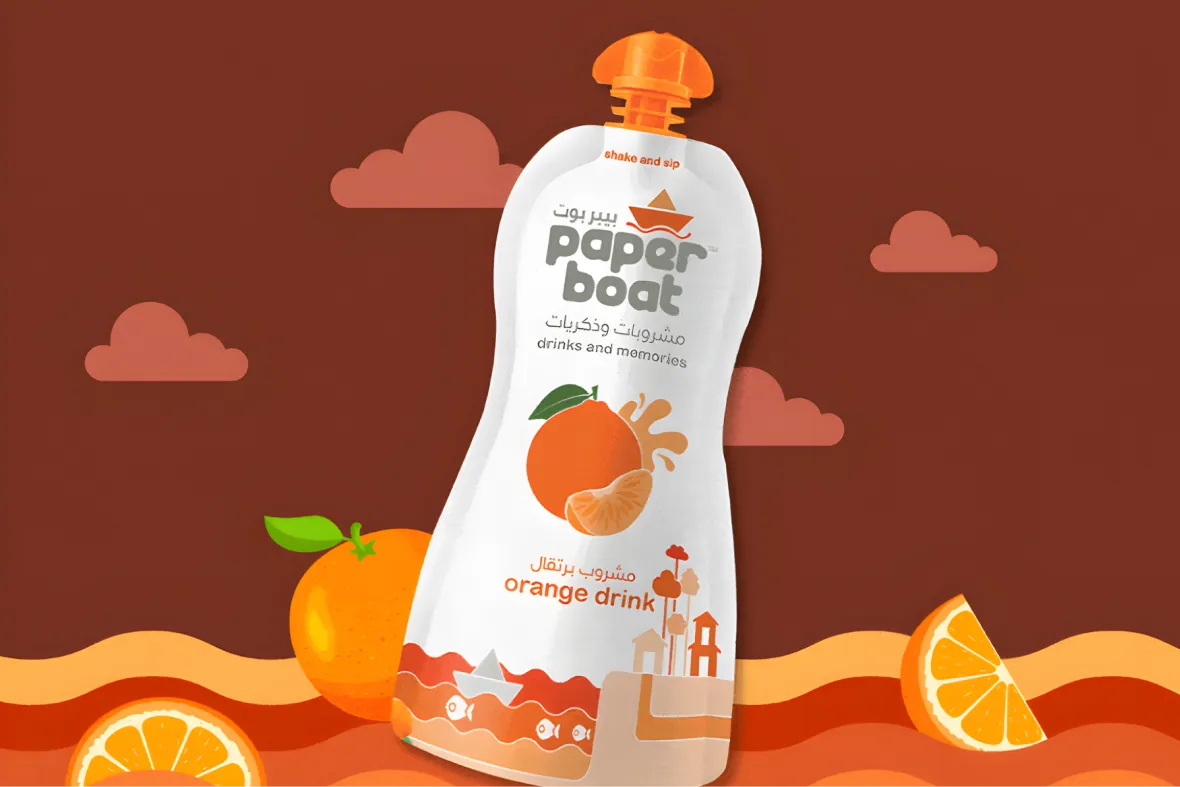
How Paper Boat bottled childhood and sold it back to a generation, and why the next decade demands something more than memory.

Author:
Rishabh Jain

A closer look at how Phool reimagines a traditional ritual through sustainable design, storytelling, and modern luxury.

Author:
Rishabh Jain

How Mamaearth found the sweet spot between Patanjali and the Western beauty giants, and why that middle ground is getting harder to hold.

Author:
Rishabh Jain

Let’s Build The Next Big Thing

Portrait photo of Rishabh Jain, Founder of Confetti, smiling and sitting down.
Rishabh Jain's signature
Rishabh Jain
Founder @Confetti
Get Started
A stylized pink thunderbolt or lightning icon
Get Instant Response
We’re looking forward to talk to you!
There was an error in form submission.
Please try to submit the form again.

Global Recognition

The logo for the publication PACKAGING OF THE WORLD, featuring the word 'PACKAGING' in bold black capital letters and 'OF THE WORLD' in a smaller font size.
ITC Bingo Chatpat Kairi is featured in ‘Packaging Of The World', 2025
A product photograph showing a green bottle of 'Bingo! Chatpat Kairi' drink, surrounded by glasses of mango juice, a woven basket filled with raw green mangoes, and slices of mango.
The logo for the World Brand Design Society, which includes a black geometric symbol, the Royal Coat of Arms of the United Kingdom, and the words 'WORLD BRAND DESIGN SOCIETY'.
WhatABite is featured in ‘World Brand Design Society’, 2025
Close-up of a bag of orange-red 'WhatABite Chicken Chips (Barbecue)' resting on a bright yellow surface, surrounded by a laptop, an open book, a black vintage-style camera, a red thermos, and a small white bowl holding some of the chips.
The logo for the packaging editorial Dieline, represented by a black circle containing a stylized white 'D' shape.
AIM Nutrition is featured on ‘Dieline, 2025’, a globally reputed packaging editorial
A flat lay photograph of several products from AIM Nutrition's 'MeltinStrips' line, including blue boxes for 'Sleep' and white boxes for 'Beauty,' along with small orange sachets for 'Energy,' all scattered on a light background
The logo for the publication PACKAGING OF THE WORLD, featuring the word 'PACKAGING' in bold black capital letters and 'OF THE WORLD' in a smaller font size.
ITC B Natural is featured in ‘Packaging Of The World', 2025
A light green bottle of B Natural Tender Coconut Water sits on a blue and white patterned tile table next to a half coconut shell filled with a drink and garnished with a grapefruit slice and rosemary. The background is a bright seaside landscape with a blue ocean and distant cliffs.
The logo for the publication PACKAGING OF THE WORLD, featuring the word 'PACKAGING' in bold black capital letters and 'OF THE WORLD' in a smaller font size.
Pawsible Foods is featured in ‘Packaging Of The World', 2025
A smiling Golden Retriever dog wearing a green tag, leaning on a table next to a large green box of Pawsible Foods Core Wellbeing Nutritional Topper and a stainless steel bowl containing the food. The background is a blurred, lush green outdoor setting.
The logo for the publication PACKAGING OF THE WORLD, featuring the word 'PACKAGING' in bold black capital letters and 'OF THE WORLD' in a smaller font size.
Miduty is featured in ‘Packaging Of The World', 2025
A set of three black-lidded supplement bottles from the Miduty brand, labeled Estrogen Balance, Liver Detox, and Methyl B-12 & Folate, displayed against a sleek, light blue, clinical-style background.
The logo for the publication PACKAGING OF THE WORLD, featuring the word 'PACKAGING' in bold black capital letters and 'OF THE WORLD' in a smaller font size.
Swizzle is featured in ‘Packaging Of The World', 2025
A visually striking product photo featuring three cans of Swizzle Premium Mocktails (Pineapple Mojito, Blue Lagoon, and Desi Lemonade), each bearing a polar bear mascot wearing sunglasses. They are arranged on a pink surface next to a red cloth and a bowl of salad, with a hand reaching for the can on the right.
The logo for the publication PACKAGING OF THE WORLD, featuring the word 'PACKAGING' in bold black capital letters and 'OF THE WORLD' in a smaller font size.
ITC Bingo Chatpat Kairi is featured in ‘Packaging Of The World', 2025
A product photograph showing a green bottle of 'Bingo! Chatpat Kairi' drink, surrounded by glasses of mango juice, a woven basket filled with raw green mangoes, and slices of mango.
Like what you see?
Let's discuss your project
Book A Call