Brand Audit

WHOOP Brand Audit

Rishabh Jain
October 29, 2026
6 Minutes
October 29, 2026
6 Minutes
No items found.
No items found.
This is some text inside of a div block.
Posted On
Estimated Reading Time
6 Minutes
Category
Brand Audit
Wrriten By
Nimisha Modi

Book a call and get unlimited revisions for your project!

Book A Call
A stylized pink thunderbolt or lightning icon
Get Instant Response

Need Help In Building Your Brand?

Click the button below & book a call with our founder directly.

Rishabh Jain

Managing Director

Book A Call

WHOOP | Confetti's Verdict⭐⭐⭐⭐½

Attribute Details
Confetti Rating ⭐⭐⭐⭐½ (4.5 / 5)
Brand WHOOP
Year Founded 2012
Industry Screenless wearable and health membership
Founders Will Ahmed, John Capodilupo, Aurelian Nicolae
Headquarters Boston, Massachusetts, USA
Members 3 million+ (July 2026), up from 2.5 million+ in March 2026
Revenue $1.1 billion bookings run rate exiting 2025, up 103% year on year. Reportedly cash-flow positive in 2025
Valuation $10.1 billion (March 2026), after a $575 million Series G led by Collaborative Fund
Funding About $900 million raised since founding, with a previous valuation of $3.6 billion

Confetti Design Studio has analysed the product design, business model and partnership strategy of WHOOP, the Boston company that built a billion-dollar brand around a fitness band with no screen.

It was founded in 2012 by Will Ahmed, a Harvard squash captain, with John Capodilupo and Aurelian Nicolae, and it gives its hardware away inside a membership priced from $199 to $359 a year. It has raised about $900 million, from investors that now include Abbott, Mayo Clinic, Cristiano Ronaldo and LeBron James. This audit asks whether a brand built on removing things can keep its promises as clear as its design, and it is as per October 2026.
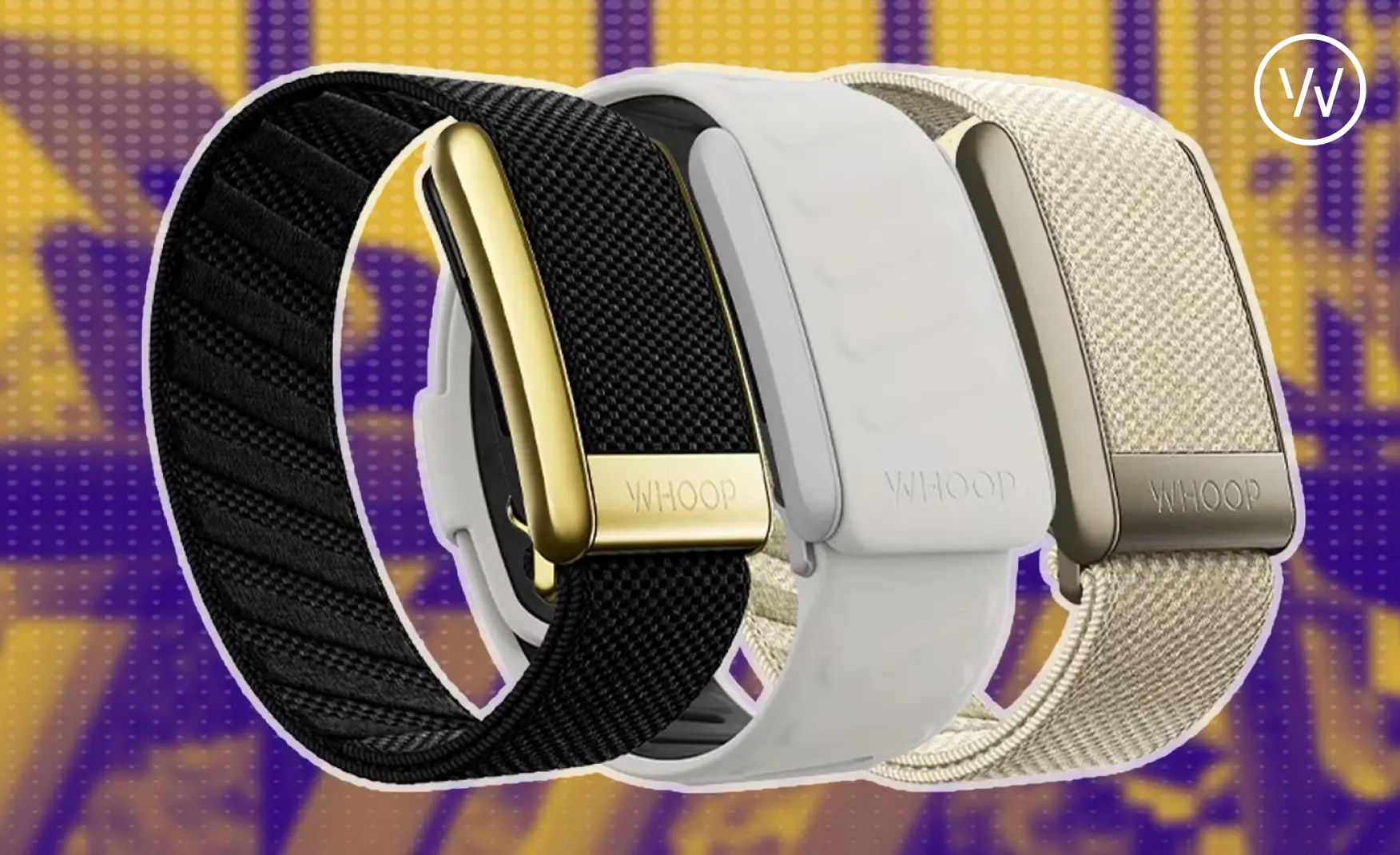
WHOOP Brand Strengths: What the Brand Gets Exceptionally Right 💪

1. The Missing Screen Is the Positioning ⌚

Most wearable brands compete on what the screen can do. WHOOP took the screen away, leaving a knit strap and a small sensor.

Everything it measures is read on a phone, usually once in the morning. The wrist stays quiet.

The missing screen is WHOOP’s smartest move. A device with a screen is a watch, and a watch has to compete with every other watch. 

Without one, WHOOP avoided a fight with Apple, Samsung and Garmin that it could not win. It became a coach you wear, not a gadget you look at.

The missing screen also helped it win a place in sport. 

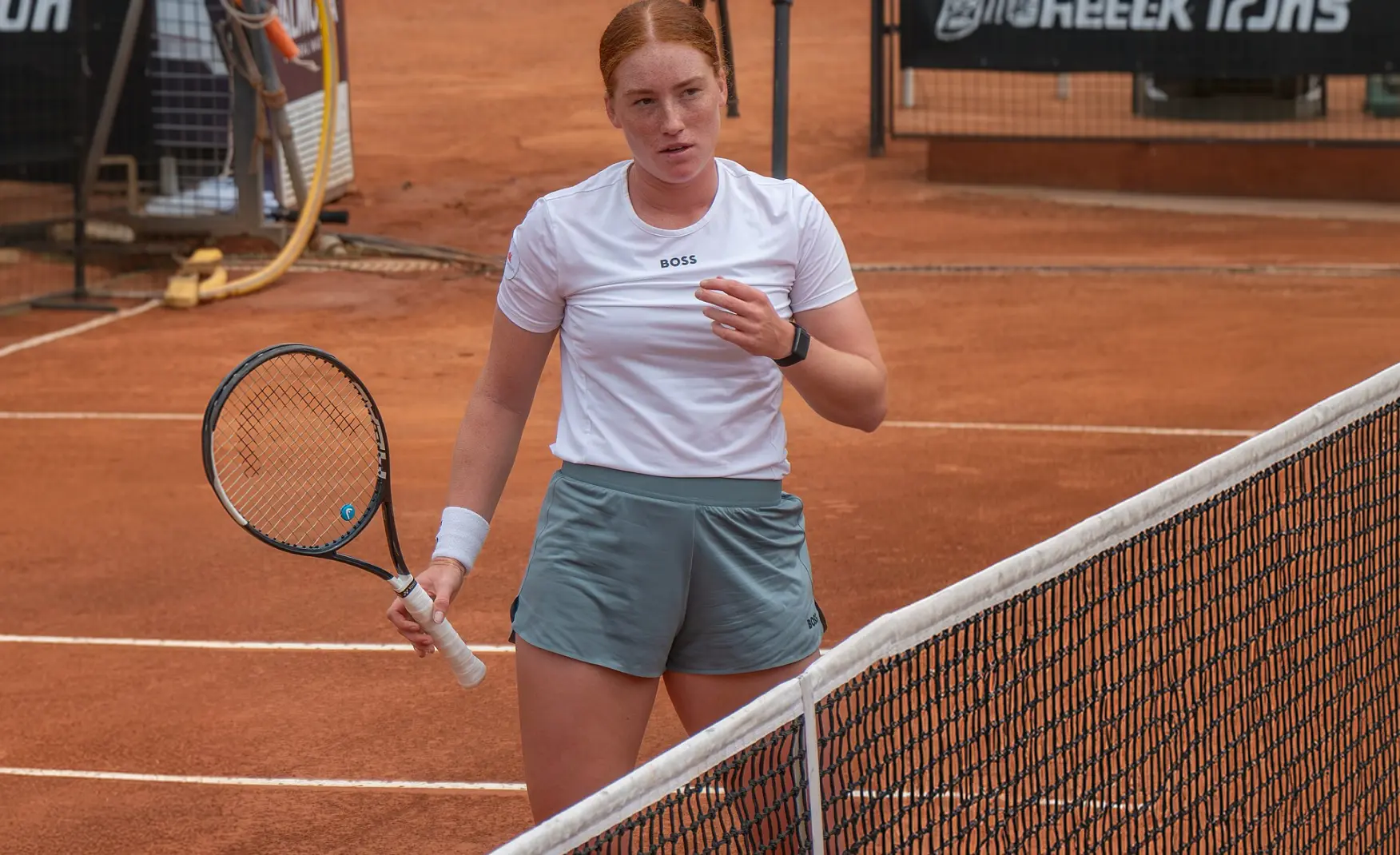
Virat Kohli wore a WHOOP at the 2023 Cricket World Cup, which helped it spread across the game. By 2026, top tennis players like Carlos Alcaraz, Jannik Sinner and Aryna Sabalenka were among the athletes using it. 

The design also got an unexpected endorsement in 2026, when the White House said the NSA approves the band for use in secure facilities. That is rare for a consumer wearable.
2. It Sells a Membership, Not a Gadget 🔁

Most gadget companies make their money once, and then they spend years trying to get the same customer to buy the next model.

WHOOP changed that in May 2018. It began selling the band as part of a membership. The strap had been $500, and it now came with a $30 monthly fee on a six-month plan.

A membership means the company is responsible for each member’s progress every day. That is why WHOOP spends on coaching and features, and not only on how the device looks.

Today there are three yearly plans with WHOOP One at $199, Peak at $239 and Life at $359. Each one includes the band. Customers buy a level of service, and the band is just how it reaches them.

WHOOP ended 2025 with $1.1 billion in bookings, up 103% in a year, and was reportedly making more cash than it spent. It has more than 3 million members and added its latest million in seven months.

In August 2026, the model reached Medicare. WHOOP Connected Care gives some Original Medicare members with a condition like high blood pressure a 12-month membership, a WHOOP 5.0 and a blood pressure cuff at no cost. It launched in 14 states.

A device is sold once to a buyer, but a membership can be prescribed, paid for by others and bundled. That freedom is the real value of the 2018 decision.

3. Three Numbers and a Colour Instead of a Dashboard 🟢

Most health apps show everything they measure. And people tend to admire the charts for a week, then stop looking.

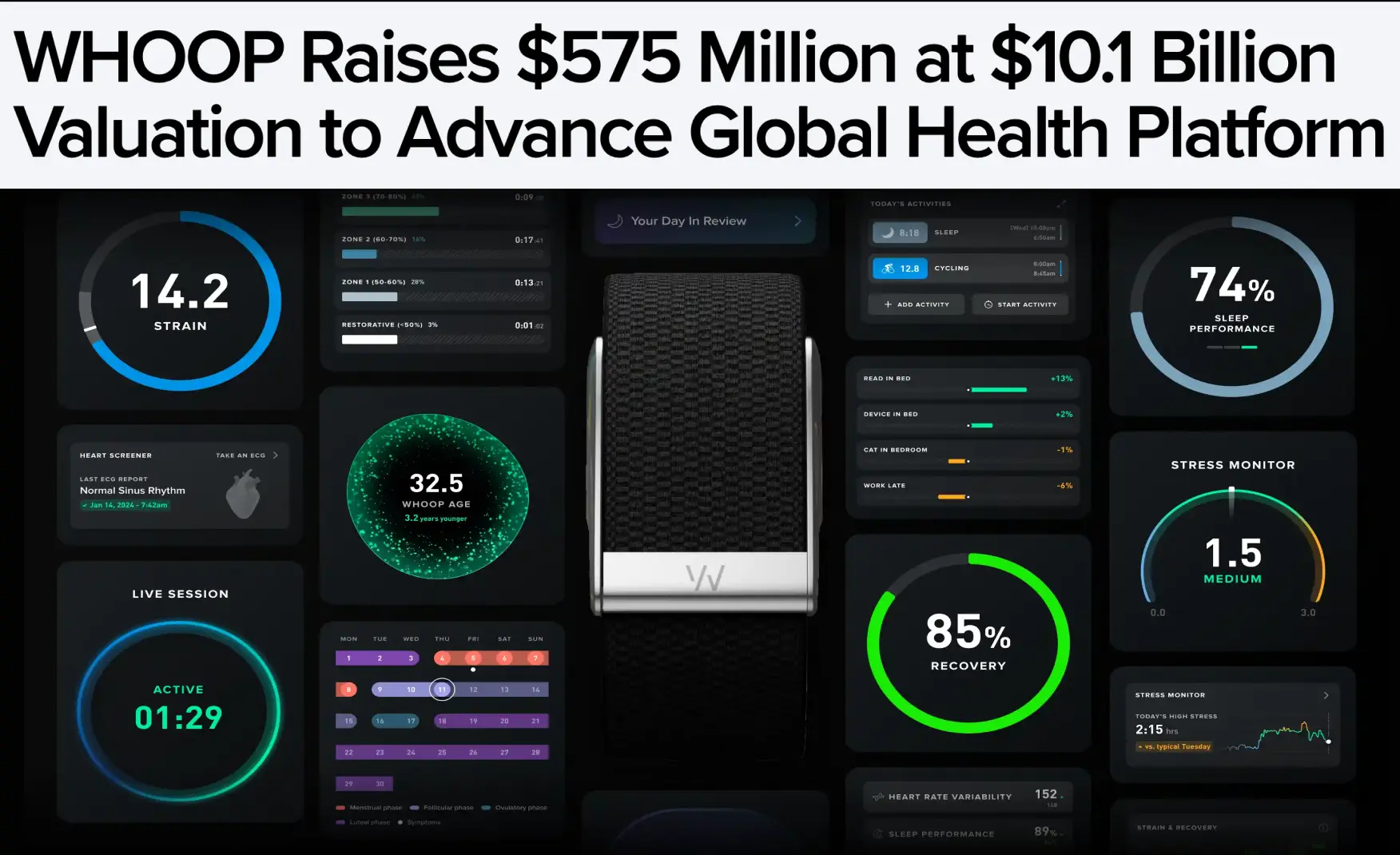
WHOOP boils its data down to three scores such as Strain, Sleep and Recovery. 

The strap and app are almost all black, and colour only shows up when it means something. Recovery is green, yellow or red, shown in one big ring with a single number inside. Because everything else is so plain, a green ring feels like good news from across the room.

One number is easy to share, and a dashboard is not. Every shared score is a small WHOOP advert made from the product itself. 
Can one colour carry your whole brand?
Talk to our team about reducing a product to its simplest signal. 
  • Discuss your project in detail
  • Get our expert advice, completely for free
  • Ask any questions you may have
Book A Call
Book A Call

4. A Name With Energy and a Logo That Stays Quiet ⚡

WHOOP started as Bobo Analytics, which sounded like exactly what it was; a data company. 

Founder Will Ahmed took a word from his own life. On the squash court, he used to shout “Whoop!” when the energy peaked. It carried celebration, effort and the joy of doing your best, all in one sound. 

The logo knows the name already has the energy, so it stays calm. It is a bold, all-caps word in clean letters, with no symbol and no decoration. 

The band follows the same idea. It has no screen, so there is nothing on the wrist to distract you. It comes in many colours and fabrics, so the wearer’s style comes first. The box is simple too, with the device and nothing else.

Everything points to the app. The name brings the energy, and the logo and pack stay quiet so the recovery score is the part people remember.

5. Athletes Serve as An Evidence 🏆

Most brands pay athletes to hold a product in an advert. WHOOP’s athletes use it in real competition, share the data in public and, more and more, own a piece of the company.

Cristiano Ronaldo became an investor and ambassador in May 2024. In January 2026, WHOOP became the official wearable of the Ferrari Formula One team. The March 2026 funding round included Ronaldo, LeBron James, Rory McIlroy, Reggie Miller and Niall Horan, which turns ambassadors into part owners.

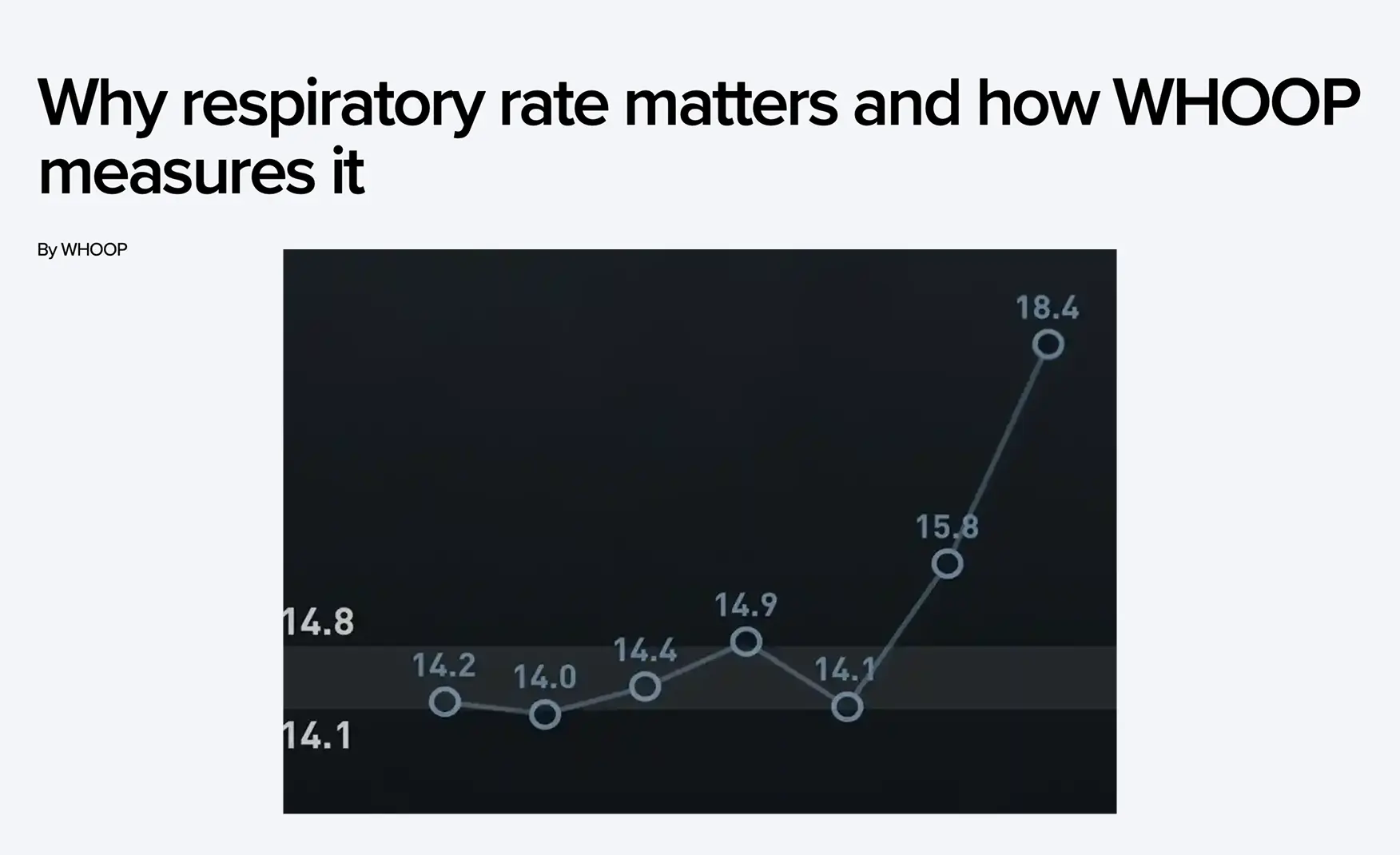
WHOOP also turns its data into TV content. As the official fitness wearable of the PGA TOUR, it shows live player heart rates on screen during coverage. That partnership grew from 2020, when golfer Nick Watney saw a jump in his breathing rate on WHOOP and tested positive for COVID-19 before he had any symptoms.

Cricket did the same job in India. Virat Kohli wearing a WHOOP at the 2023 World Cup did more for awareness there than a launch campaign could.

Proof spreads better than a paid endorsement. Every wrist on TV is a free advert that people trust more than a paid one.
6. An Instagram That Feels Like a Starting Line 🏁

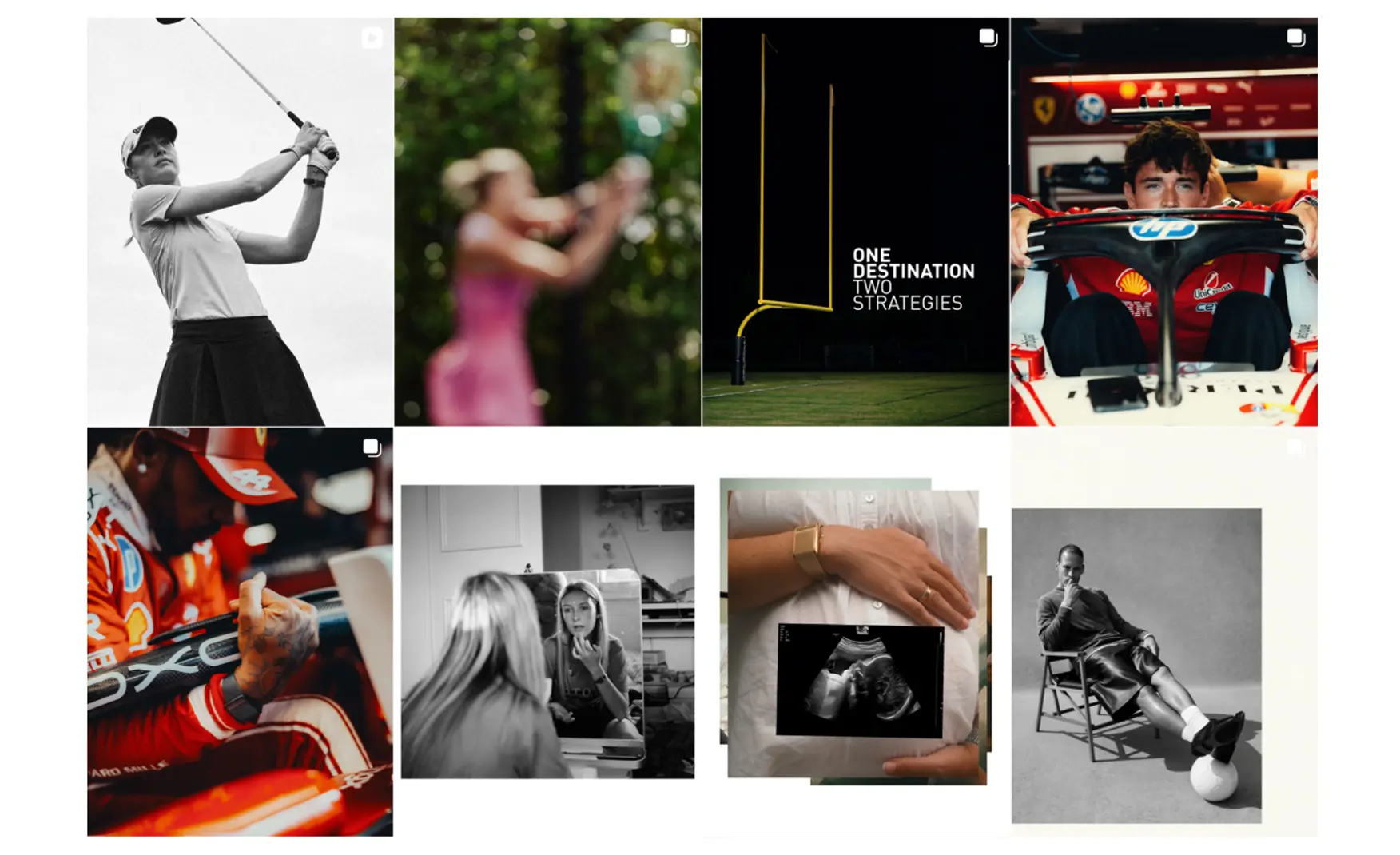
WHOOP’s Instagram feels like the moment just before a race begins. It is sharp, tidy and full of quiet energy.

The athletes come first. Lewis Hamilton and Charles Leclerc bring the speed of Formula 1, and Aryna Sabalenka brings the power of tennis. The band sits on their wrists like part of their kit, so it never feels like an advert. WHOOP stays in the background while sport leads the story.

The bio says “Unlock and inspire performance for life.” That means the brand is for anyone who wants to do better, on a track, on a court or at a desk on a Tuesday. This is why the feed also talks about productivity.

The page itself is calm. It has clean grids, a minimal look and plenty of space, which matches the plain band. And the Athletes carry the excitement, and the brand’s own look stays steady, so the feed feels both exciting and trustworthy.
7. Climbing from Fitness to Healthspan 🧬

Fitness bands often hit a ceiling. People buy them in January, wear them through spring and drop them by summer.

WHOOP has spent three years aiming higher, from sports performance to long-term health. That gives members a more serious reason to stay.

In May 2025, WHOOP launched Healthspan with Dr. Eric Verdin of the Buck Institute. It turns nine long-term health measures into one number called WHOOP Age. 

The same launch added hormone insights for periods, pregnancy and perimenopause, and an FDA-cleared ECG that can spot signs of atrial fibrillation. Advanced Labs followed in September 2025, adding blood tests powered by Quest Diagnostics.

On 18 August 2026, Advanced Labs opened to people who are not members, with tests from about $150. It also added GRAIL’s Galleri test, which looks for signs of many cancers early. 

WHOOP says eight in ten users of Advanced Labs find something meaningful about their health. Abbott and Mayo Clinic also invested in the Series G round, which shows where the company is heading.

The idea grows with the member. An athlete who joins to manage training gets older, and the same band that tracked recovery at 28 can flag an irregular heartbeat at 55.

That gives a membership a reason to last for decades and not just a season. This longer view is a big part of what supports WHOOP’s $10.1 billion valuation.

WHOOP Growth Challenges and Areas to Watch ⚠️

1. The Membership Is a Trust Contract ⚠️

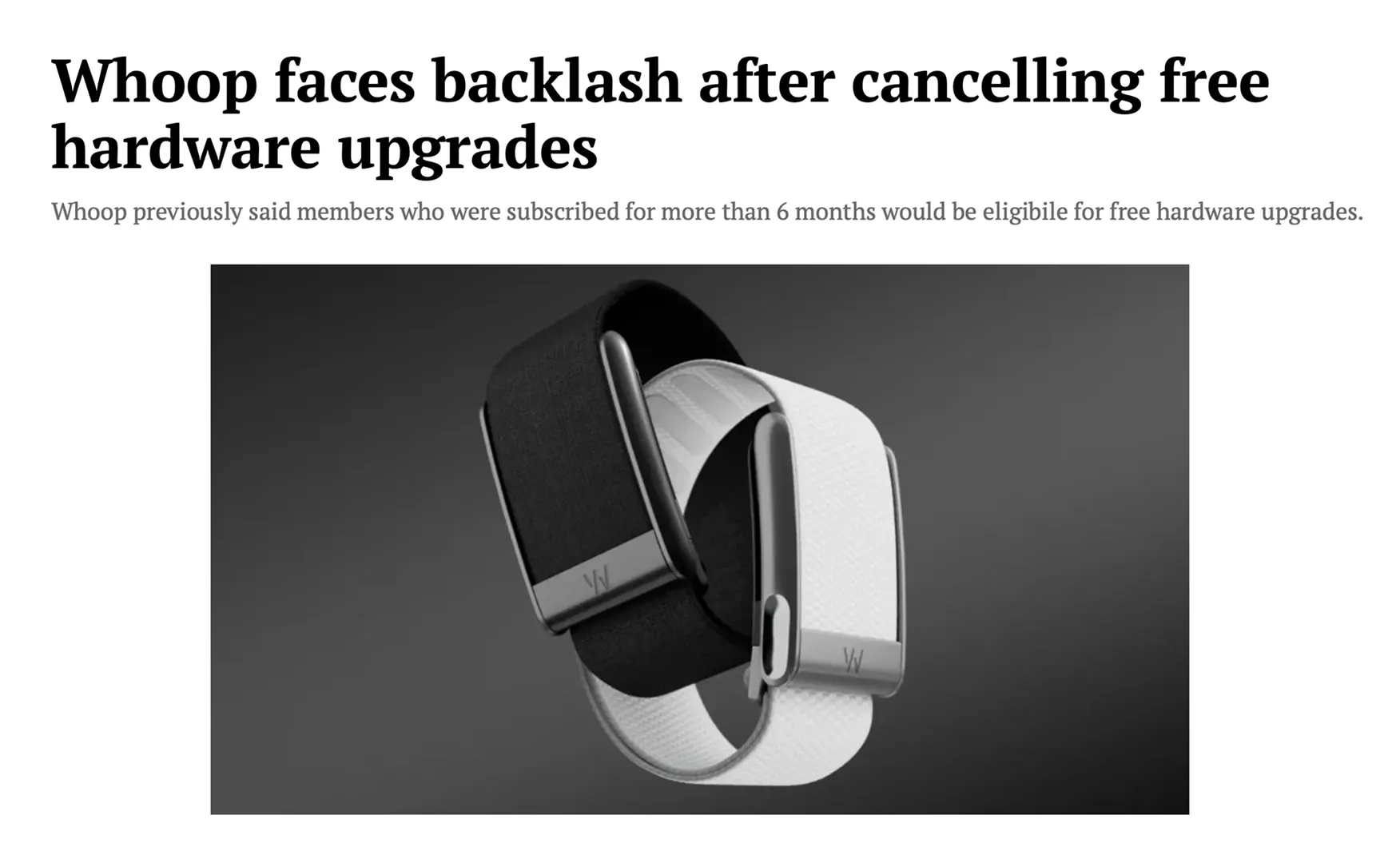
A membership that includes the device only works if members trust the word “included.” That trust was tested in May 2025.

WHOOP launched 5.0 and MG and told current members to pay $49 or $79 to upgrade, or add 12 months to their membership. An earlier blog post had said members of six months or more would get free upgrades.

Screenshots of the deleted post spread online, and critics called the policy misleading. Within days, WHOOP changed its mind. It offered free 5.0 upgrades to members with more than 12 months left, and refunds to anyone already charged.

Fixing it fast was the right move. But the episode showed a risk built into the model. The band stops working without a subscription, so members feel any change to the terms as a change to something they thought they owned.

WHOOP now has more than 3 million members. Its next device launch will be judged on how clearly it explains, in advance, what the membership promises.
2. Medical Ambitions in an Athletic Voice 👀

WHOOP's move into healthcare brings regulatory exposure that a fitness brand never had to manage. 

In July 2025 the FDA sent WHOOP a warning letter over Blood Pressure Insights, saying the feature went beyond a consumer wellness product.

WHOOP publicly argued that the agency was overstepping, and in June 2026 the FDA closed the letter. The closure cited changes WHOOP made to the feature and its labelling, and the FDA's own January 2026 wellness guidance.

It covers only the modified feature, so the line between wellness and medicine is still being drawn. WHOOP won that argument, partly because the rules moved.

The company is now selling cancer screening, running a Medicare programme through a physician entity and marketing an FDA-cleared ECG. All of it sits under a brand voice built on athletic intensity.

3. Screenless Is Becoming a Category 📉

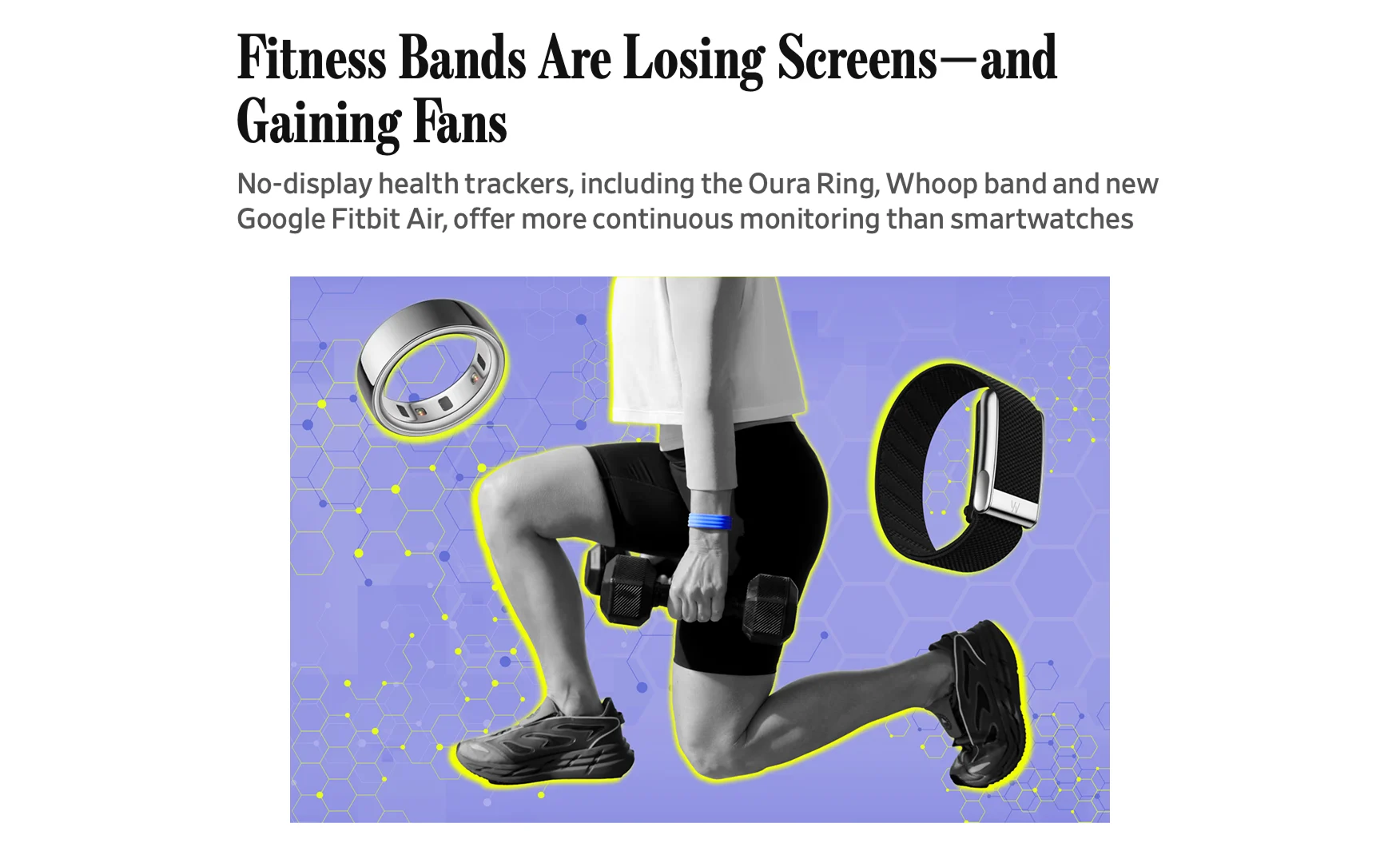
The form factor that made WHOOP distinctive is being copied. Polar launched the Loop in September 2025 at $199.90 with no subscription.

On 22 September 2026 Bloomberg reported that Apple is testing a screenless fabric band with a sensor module, though not before 2028 and without a decision to release it. Polar attacks the subscription directly, and Apple would bring a distribution advantage WHOOP cannot match.

A Wall Street Journal report cited by Fortune put WHOOP at 1.9% of the wristband and ring market in the first quarter of 2026. The figures were 52% for Apple and 9.8% for Oura.

WHOOP's defence cannot be the missing screen for much longer. It has to be the coaching, the data and the brand, which is everything the membership delivers that a cheaper band does not.
How Confetti Sees WHOOP's Next Chapter 💡

1. Publish a Member Charter 📜

WHOOP should turn its membership terms into a clear, well-designed document that anyone can read. Right now they sit in support-page FAQs.

A simple charter could say how often members can expect new devices, what an upgrade costs at each plan, what happens to their data if they leave, and what they keep if they cancel.

This matters for trust as much as for the law. After May 2025, members have a reason to read the small print. A brand that writes its promise in large, clear type shows it has nothing to hide.

Confetti would design it as a real part of the product. It would use the same plain black look with small touches of colour as the app, and sit at the start of sign-up, not hidden behind it.

2. Give the Clinical Tier Its Own Register 🏗️

WHOOP now runs two businesses under one voice. One is a performance brand for people who want to train and recover better, and the other is a health service backed by Abbott and Mayo Clinic and delivered to Medicare members.

Confetti would formalise a sub-brand system for MG, Advanced Labs and Connected Care, with its own typography, a calmer palette and a tone that leads with evidence. The core identity, the black strap and the green recovery ring, would stay unchanged for the performance audience.

Separating the two protects both. The clinical side gains credibility it cannot borrow from athletes, and the performance side keeps the edge that made the brand aspirational.

3. Make the Strap a Design Object Beyond Sport 🎨

WHOOP is already moving the band towards fashion. 

From 1 to 4 October 2026 it ran RECOVER 01 SOUND at Paris Fashion Week, a recovery experience built around the Meridian band, a stainless-steel mesh strap in four finishes.

It hired former Nike CMO Dirk-Jan van Hameren as Chief Marketing Officer in July 2026. It also named former Glossier CEO Kyle Leahy as Chief Commercial Officer to expand premium distribution.

The opportunity is to treat the band as a fashion accessory and not as equipment. Material collaborations, limited finishes and designer partnerships would make the strap something people choose to show rather than tolerate.

A design-led strap range also answers the Apple threat on ground Apple cannot easily copy. For India, where Kohli made the band familiar, a cricket-specific edition would be a natural first step.

WHOOP Verdict and Confetti Rating ⭐

WHOOP built one of the most valuable consumer health brands of the decade by taking things away. It removed the screen. It put the device inside a membership. It boiled its data down to one coloured recovery score.

Around those choices sit a roster of athletes who act as proof, and a steady move from fitness into long-term health. Together they support a $10.1 billion valuation and more than 3 million members.

The next chapter is about trust and range. The membership needs to be as clear as the recovery score, and the medical plans need a voice of their own.

Other brands are now copying the screenless idea, including Polar and reportedly Apple. WHOOP will need its coaching and its brand to protect it, because the shape of the band will not be enough. It has the design skill to do all of this, as long as it holds its promises to the same high standard as its product.

Confetti Rating: ⭐⭐⭐⭐½ (4.5 / 5)

If you’re building a brand and want one clear product choice to also be your positioning, the way WHOOP’s missing screen did, that’s the kind of branding and packaging work we do at Confetti. Get in touch with our team at Confetti.

Want strategic branding and packaging like this for your business?

Book A Call
Share:

Other Brand Audits

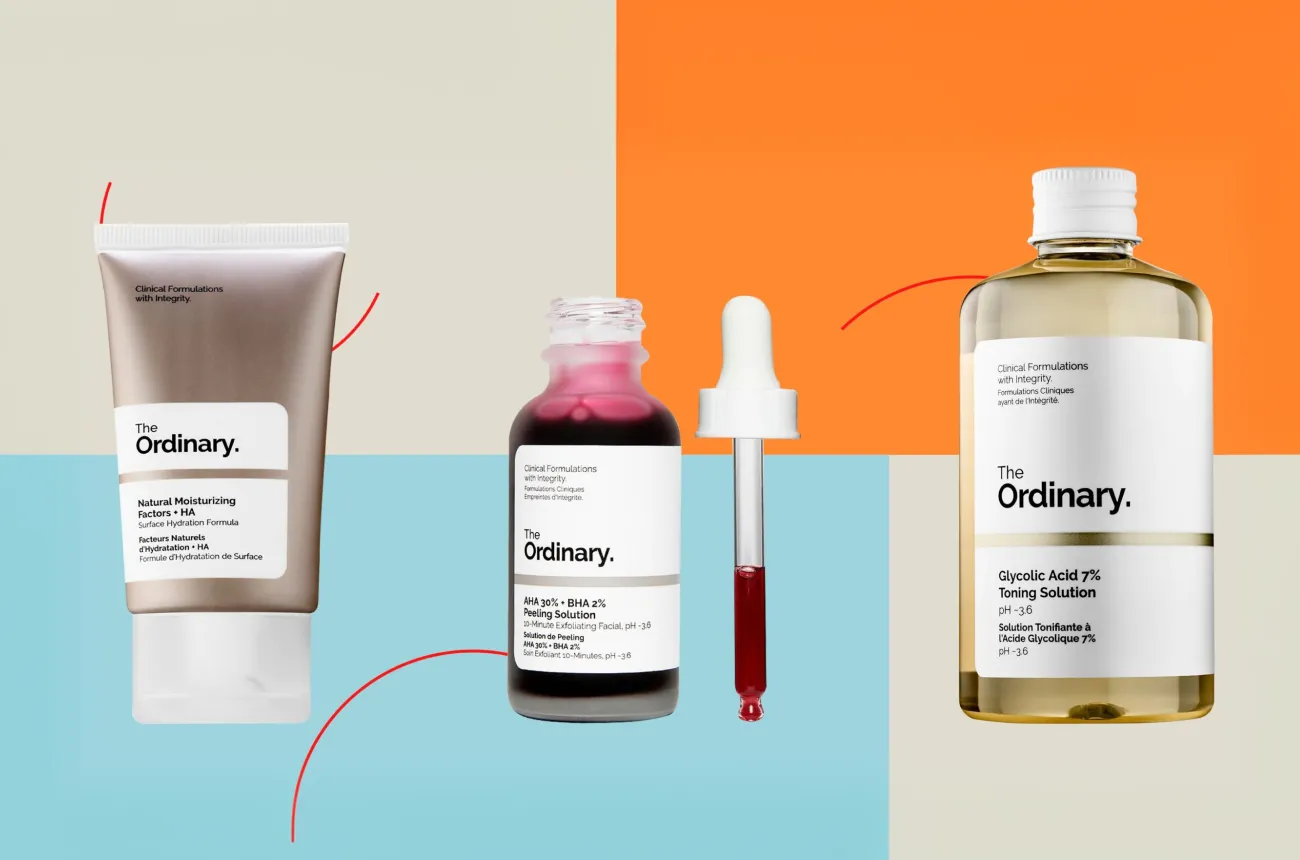
The Ordinary took the naming of a chemist, the look of a lab reagent bottle and a $10 price, and built one packaging system that is recognisable from across a shop.

Author:
Rishabh Jain

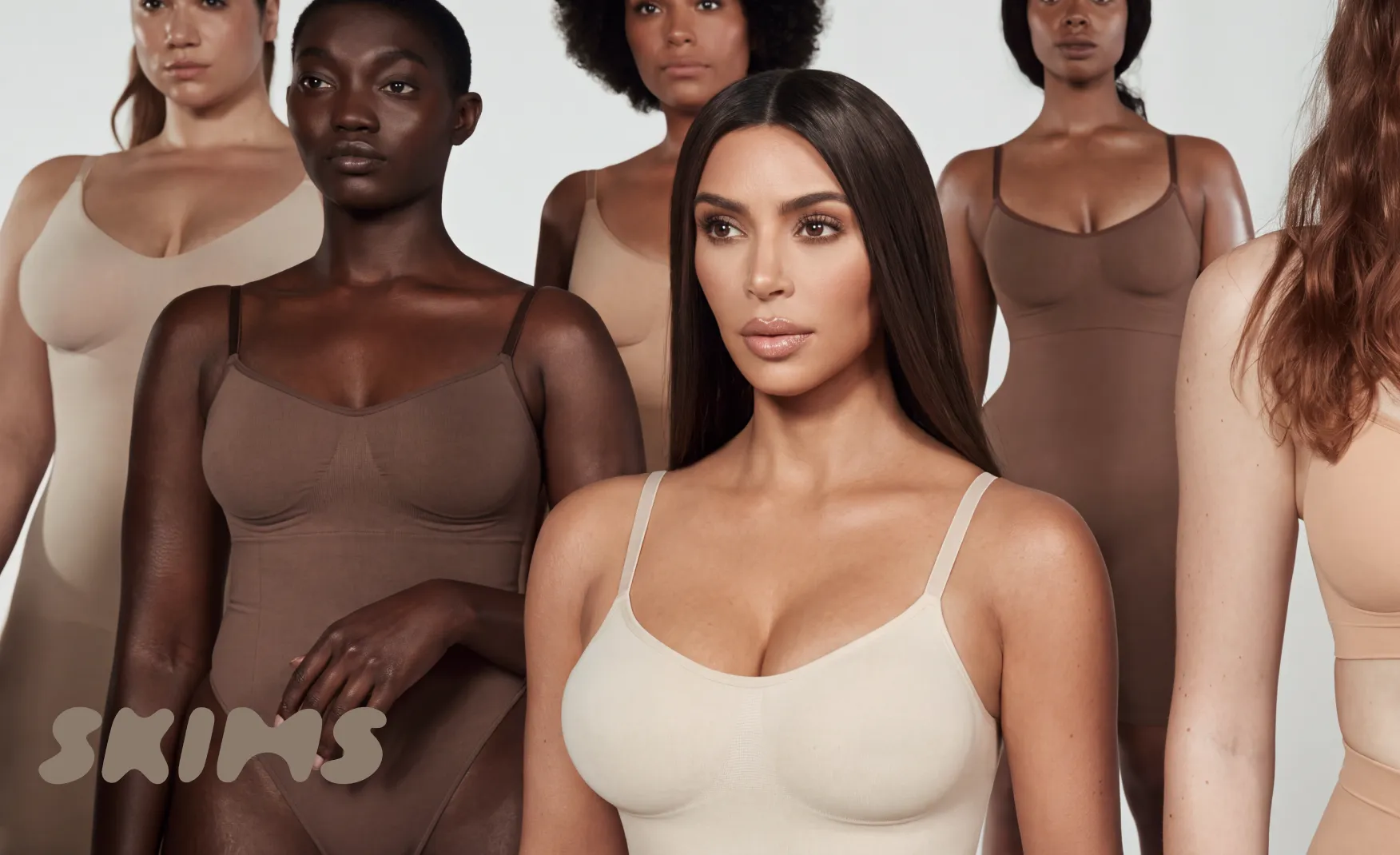
Kim Kardashian built Skims on a new category name and a shade range that matches every skin tone, then won over the NBA and Nike in six years.

Author:
Rishabh Jain

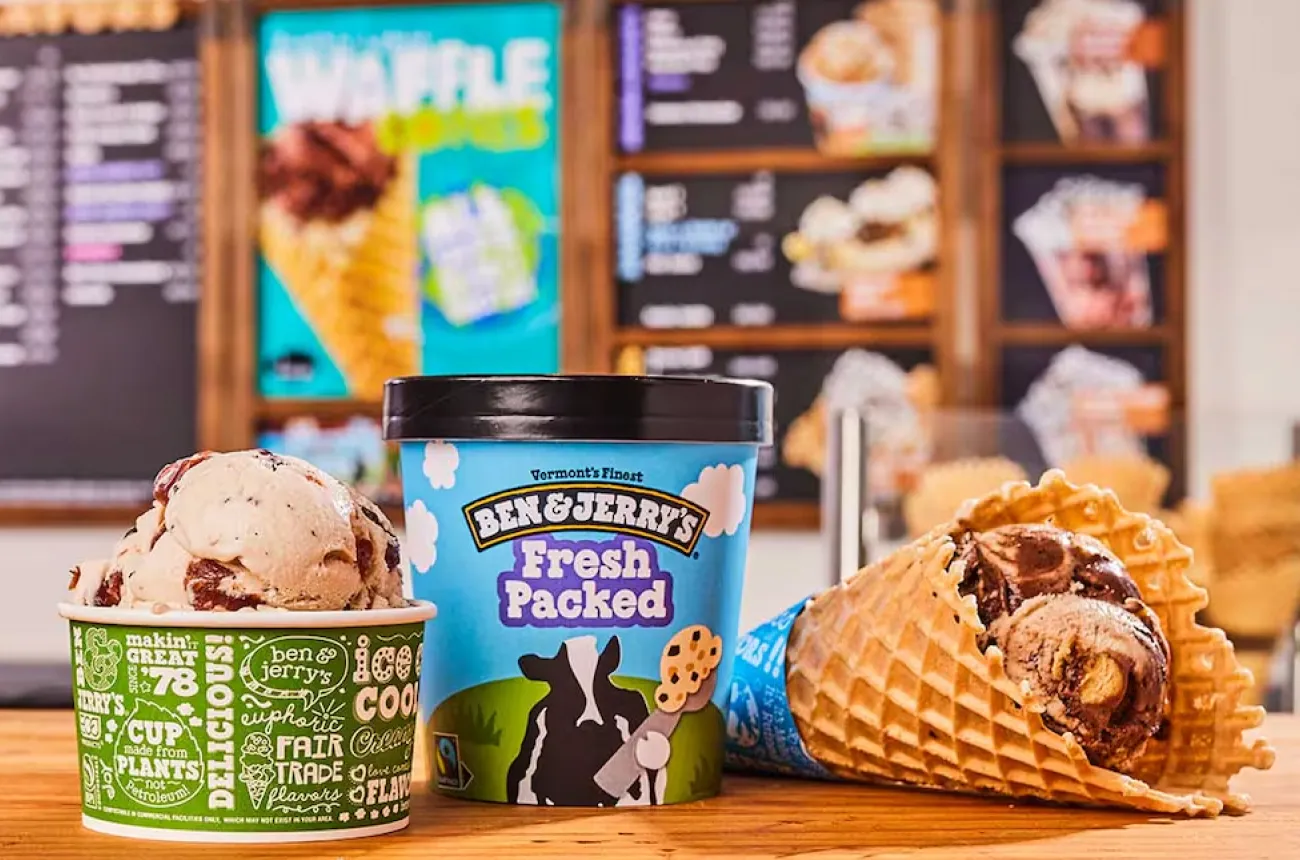
Ben & Jerry's kept its hand-drawn lettering, Vermont cows and punning flavour names on every pint for forty years, and made that packaging the voice of its mission.

Author:
Rishabh Jain

Vans built a visual system from a waffle sole, a sidestripe and a checkerboard that its customers helped draw, and now has to protect it from overexposure.

Author:
Rishabh Jain

Alo Yoga built every flagship to be filmed first and shopped second, gave the brand a name that's actually a whole philosophy, and let retail itself become the brand's storyteller.

Author:
Rishabh Jain

Glow Recipe took a single idea, make every product look like the fruit it's named after, and turned it into one of skincare's most recognisable packaging systems.

Author:
Rishabh Jain

Fenty Beauty turned forty shades into an industry standard and a hexagon into a packaging system that has held five categories together for eight years, and still has more it could say.

Author:
Rishabh Jain

Summer Fridays named itself after a feeling instead of a product, then designed every pack to photograph better and now has to defend that exact look from everyone copying it.

Author:
Rishabh Jain

Lululemon built its premium on something customers could feel for themselves, not just believe. This audit looks at what's left of that promise now that leggings, stores and leadership are all being tested at once.

Author:
Rishabh Jain

Kayali made a generation start layering perfumes, a real shift, and the brand's whole identity. Now they've carried that idea into body care. But competitors already copied the playbook. The real question is whether Kayali can still own "layering" before it becomes industry wide.

Author:
Rishabh Jain

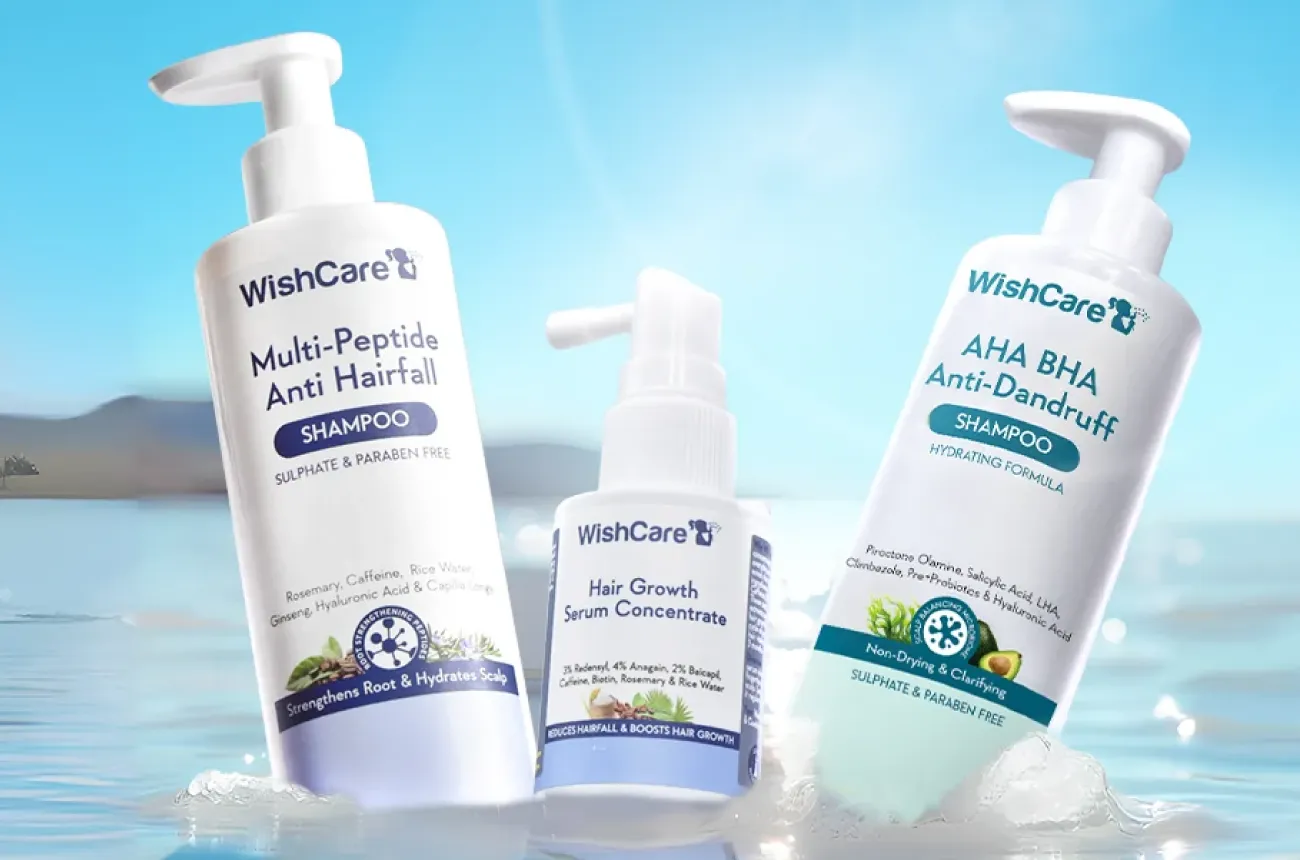
WishCare's name splits neatly into a promise and a discipline, and the packaging on its shelf does not carry the same idea.

Author:
Rishabh Jain

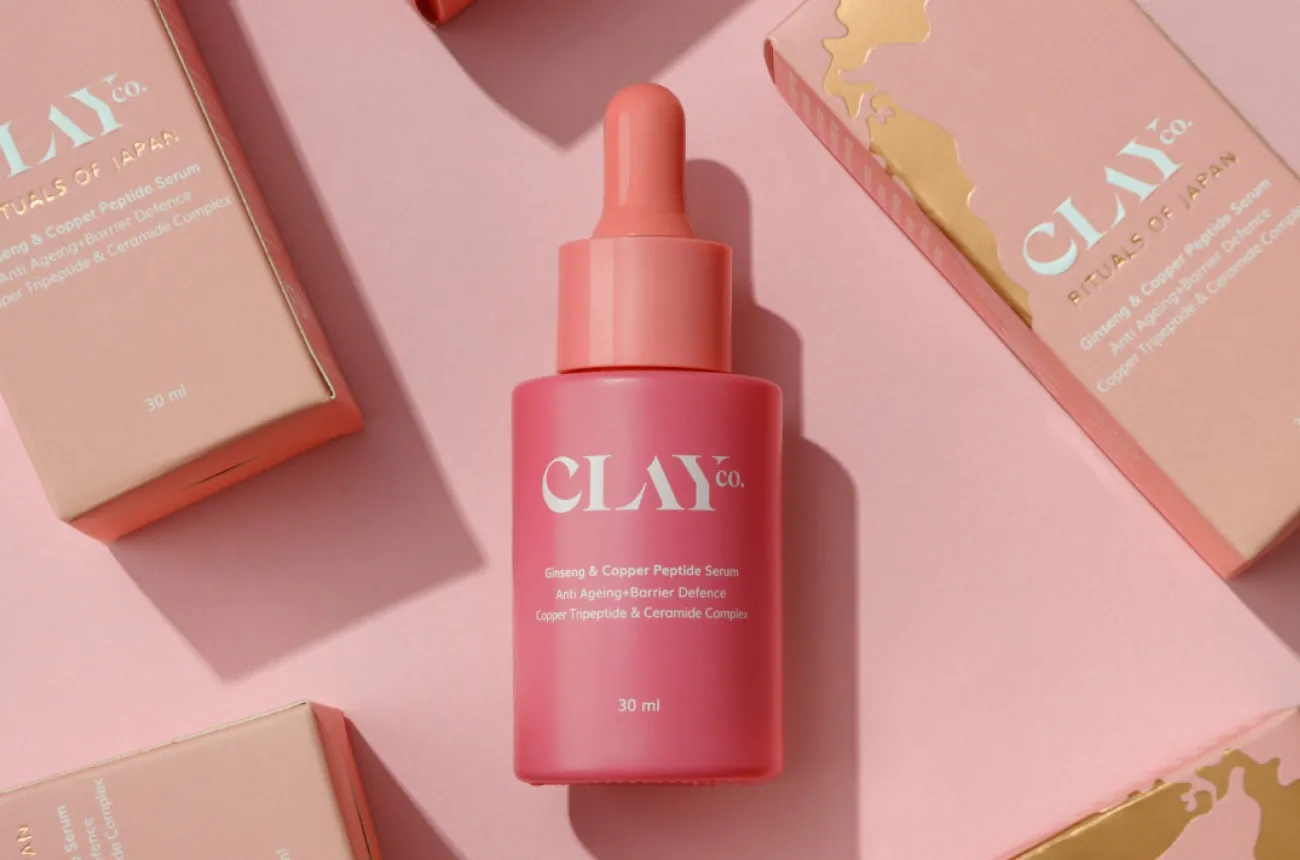
ClayCo designed a platform built to hold every beauty ritual on earth, and three years in, it still only tells Japan’s story, and even that one is slipping.

Author:
Rishabh Jain

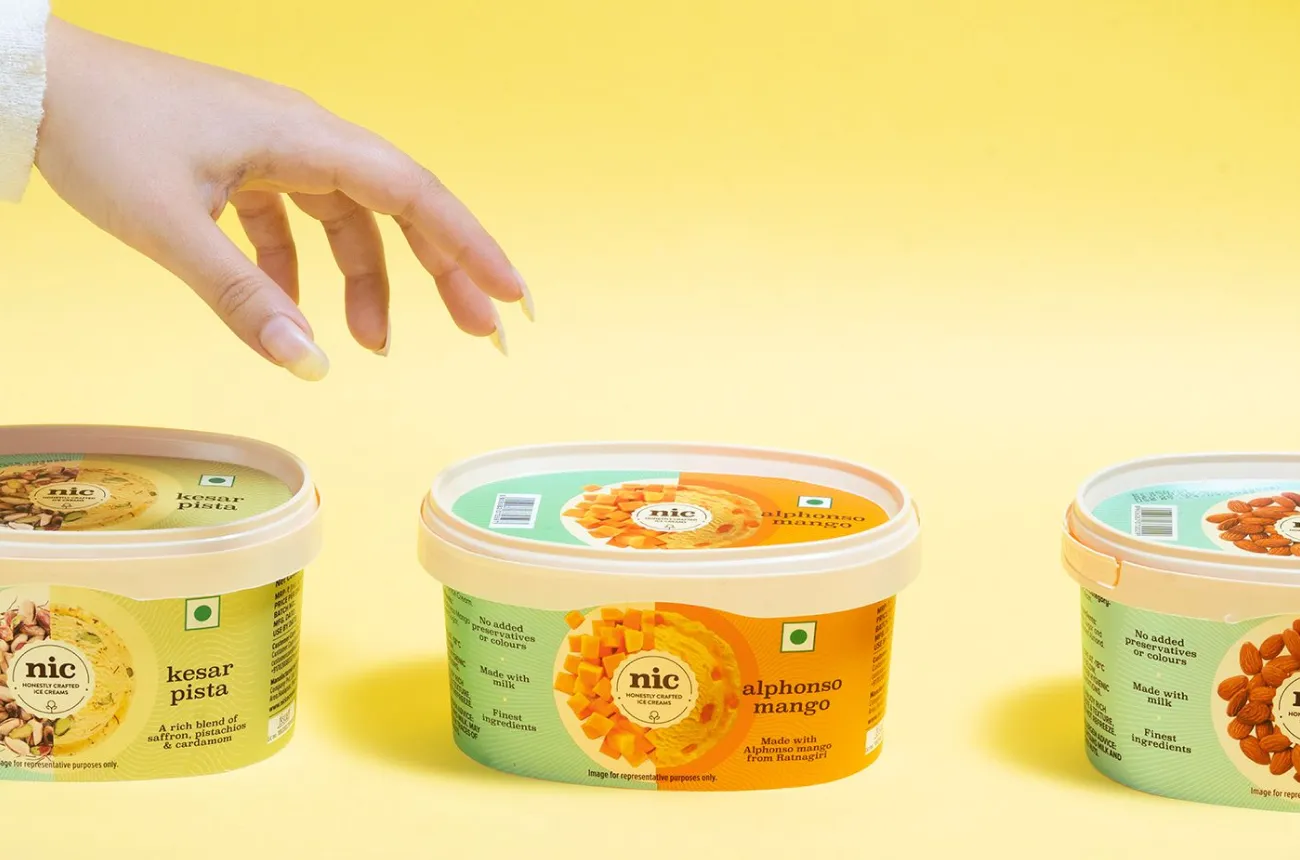
NIC built a well-run house of ice cream brands, and gave its flagship label a name that keeps doing marketing work for a rival called Naturals.

Author:
Rishabh Jain

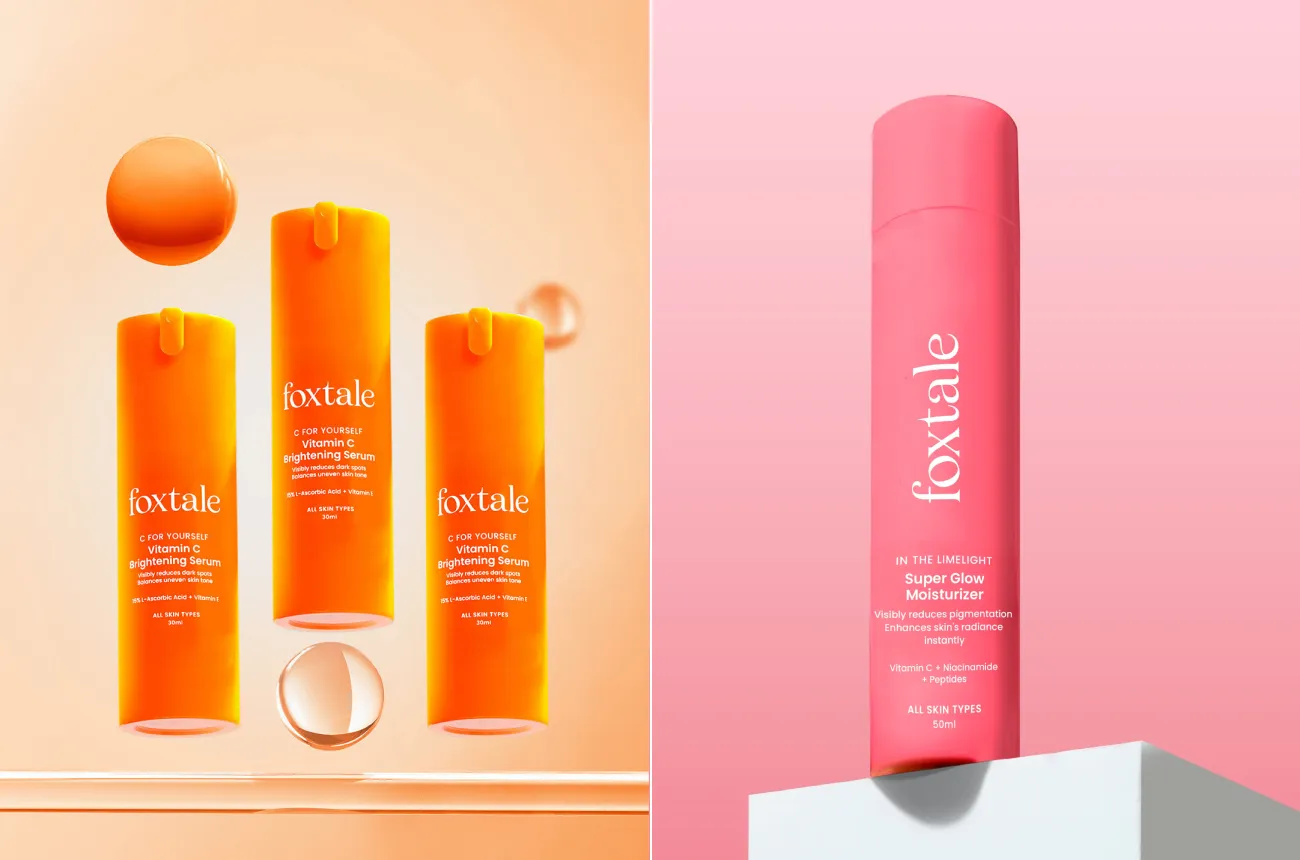
Foxtale is the upcoming skincare brand with colour coded packaging that customers can spot before reading the label, and now has to prove that colour can carry a brand once everyone else copies it.

Author:
Rishabh Jain

Rhode built a billion dollar exit on three products and one food led idea, and sold it for $10M in e.l.f Beauty in just 11 days.

Author:
Rishabh Jain

How Kimirica turned five-star hotel amenities into a bootstrapped Rs 300 crore vegan luxury bath and gifting brand.

Author:
Rishabh Jain

How BlissClub built India's most talked-about women's activewear brand from a WhatsApp community, and why profitability is now the harder game.

Author:
Rishabh Jain

How Inde Wild became the first homegrown Indian brand to sell out at Sephora US through founder-led branding and a modern take on Ayurveda.

Author:
Rishabh Jain

How Zouk built a Proudly Indian, PETA-approved bag brand by turning Indian handicraft into modern everyday carry, and why becoming iconic is the next design problem.

Author:
Rishabh Jain

How Hyphen used Kriti Sanon as a co-founder rather than a mascot to build a skincare brand in two years, and why credibility is now its real battle.

Author:
Rishabh Jain

How Needledust turned the traditional jutti into a luxury, celebrity-worn shoe, and why growing beyond the occasion is its next design problem.

Author:
Rishabh Jain

How Dancing Cow turned animal rescue into an alt-dairy brand, and why its two names now compete for the same shelf.

Author:
Rishabh Jain

How Slurrp Farm made millets a children's food category through design-led packaging and a parent community it built itself.

Author:
Rishabh Jain

How Soulflower turned two decades of aromatherapy expertise into India's best-selling online hair oil, and why coherence is now its design challenge.

Author:
Rishabh Jain

How Dohful turned soft-baked cookies and a candid founder newsletter into India's most intimate D2C brand, and why its offline pivot is the real test.

Author:
Rishabh Jain

How d'you turned a single 11-active serum into a bootstrapped, profitable cult skincare brand by making the formula the whole brand.

Author:
Rishabh Jain

Cosmix built one of India's cleanest supplement brands through root-cause formulation and founder-led education, and earned a Marico buyout doing it.

Author:
Rishabh Jain

XYXX has cracked distribution in a way almost no premium Indian menswear brand has, but that same reach is now the thing putting its premium identity at risk.

Author:
Rishabh Jain

Bombay Shirt Company built a genuine zero inventory business on the promise that a shirt made for you fits better than one made for everyone, and now it has to prove that promise still holds across 40 stores.

Author:
Rishabh Jain

Palmonas turned a Bollywood actor into an equity holding co-founder and rode that bet to 40x revenue growth, but the brand behind the face still looks like every other demi-fine label on the shelf.

Author:
Rishabh Jain

India built the luxury Ayurveda category around Kama, and the brand is now watching a rival it once matched get bought outright by a global beauty giant.

Author:
Rishabh Jain

How Plix grew to Rs 436 crore by solving a format problem before a formulation problem, built a browse-by-plant experience no competitor has matched.

Author:
Rishabh Jain

How Benne built a Rs 350 crore brand story from a 12-seater dosa café in Bandra by picking one product, doing it obsessively well, and letting the queues tell the rest of the story.

Author:
Rishabh Jain

How Bummer built the first genuine personality in Indian innerwear, survived Ashneer Grover's "doglapan" moment on national television, and still has the most important question in front of it: how does a brand this loved become a business this large?
Author:
Rishabh Jain

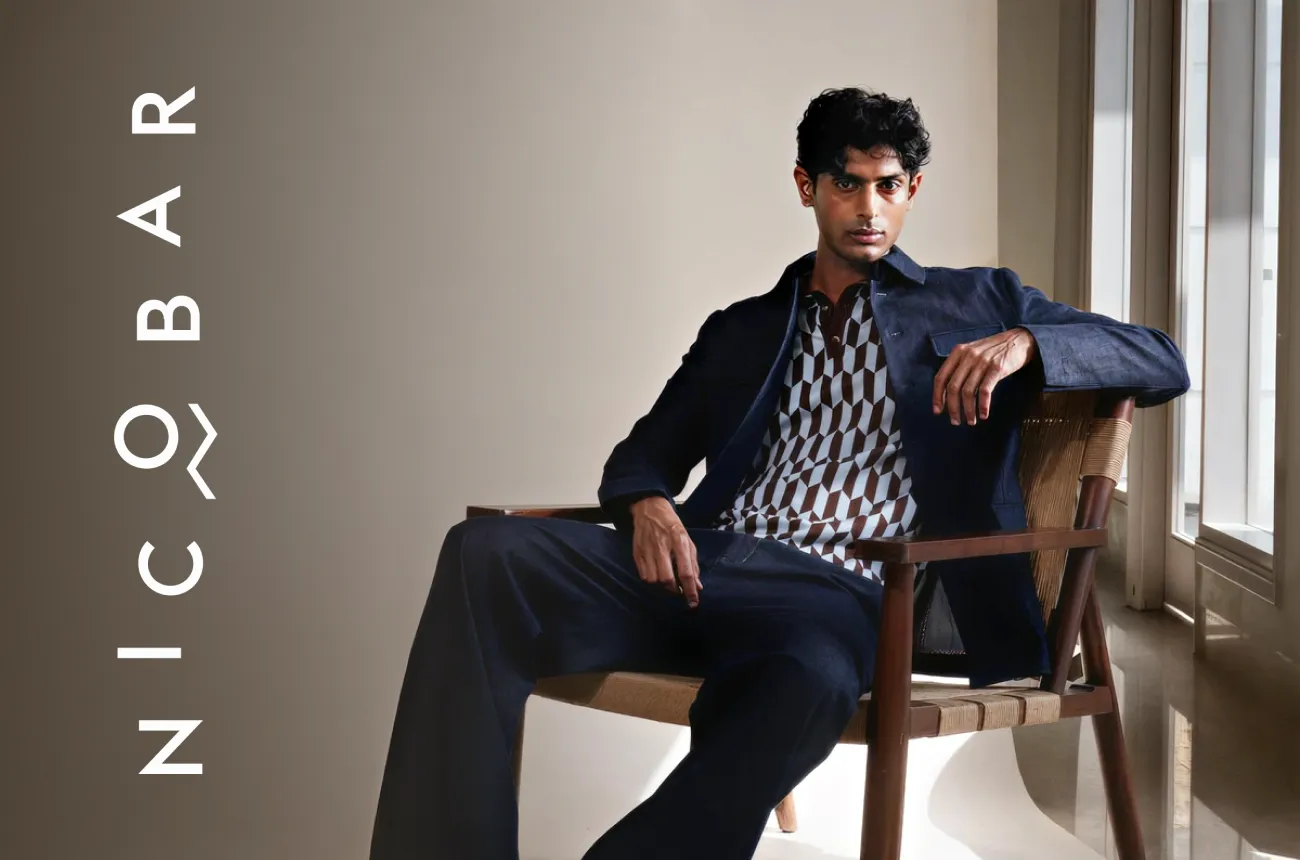
How Nicobar built India's most disciplined lifestyle brand by refusing to raise capital, discount, or borrow a design language from anywhere else, and why it has become the quiet reference point for an entire generation of Indian founders.

Author:
Rishabh Jain

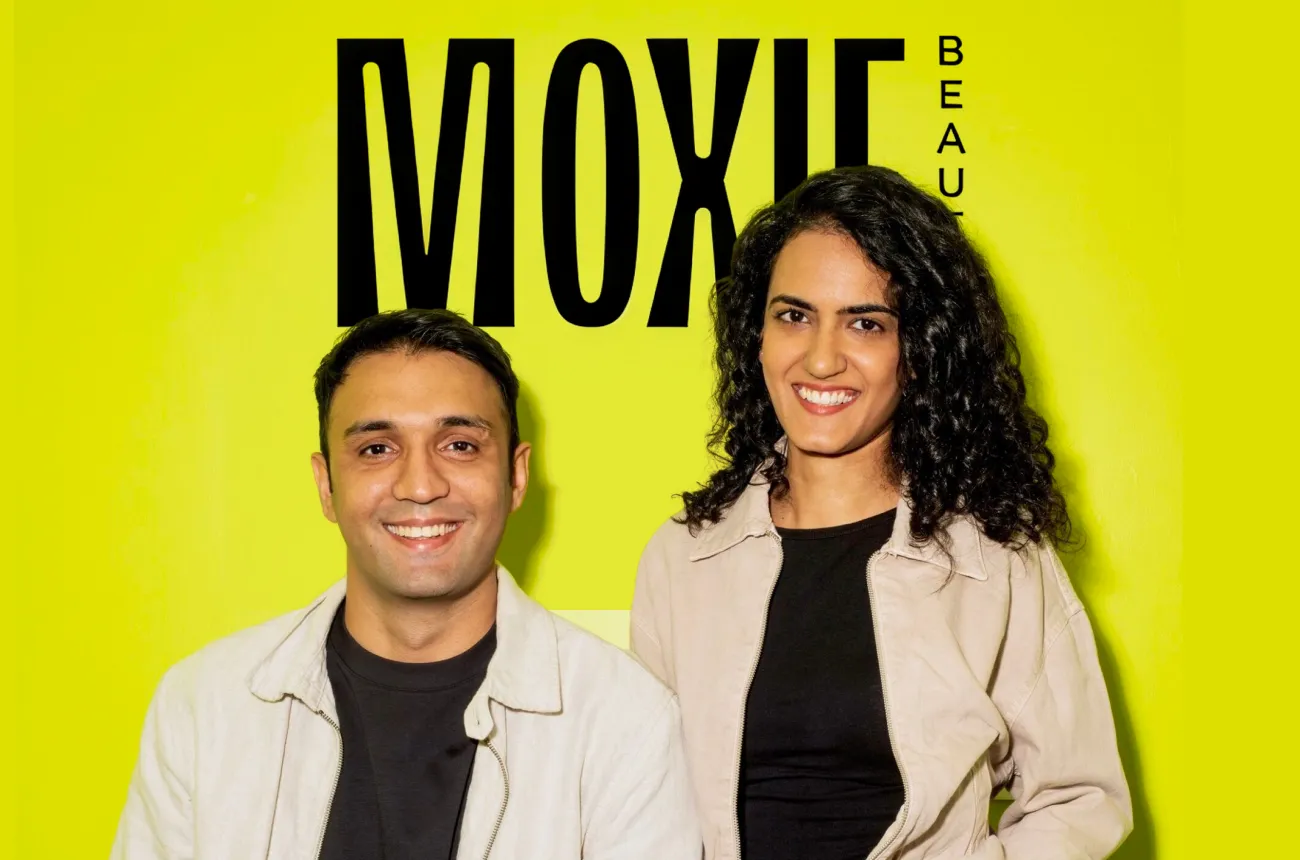
How Moxie Beauty told Indian women with curly and wavy hair something the global haircare industry had never bothered to say: it was never your hair, it was always the product.

Author:
Rishabh Jain

How Forest Essentials turned ancient Indian Ayurveda into a Rs 585 crore global luxury brand, and why the full Estée Lauder acquisition announced in March 2026 is the most consequential moment in its 25-year history.

Author:
Rishabh Jain

How Sleepy Cat built India's most coherent sleep brand by doing the one thing its better-funded rivals forgot: staying obsessively focused on sleep, and nothing else.

Author:
Rishabh Jain

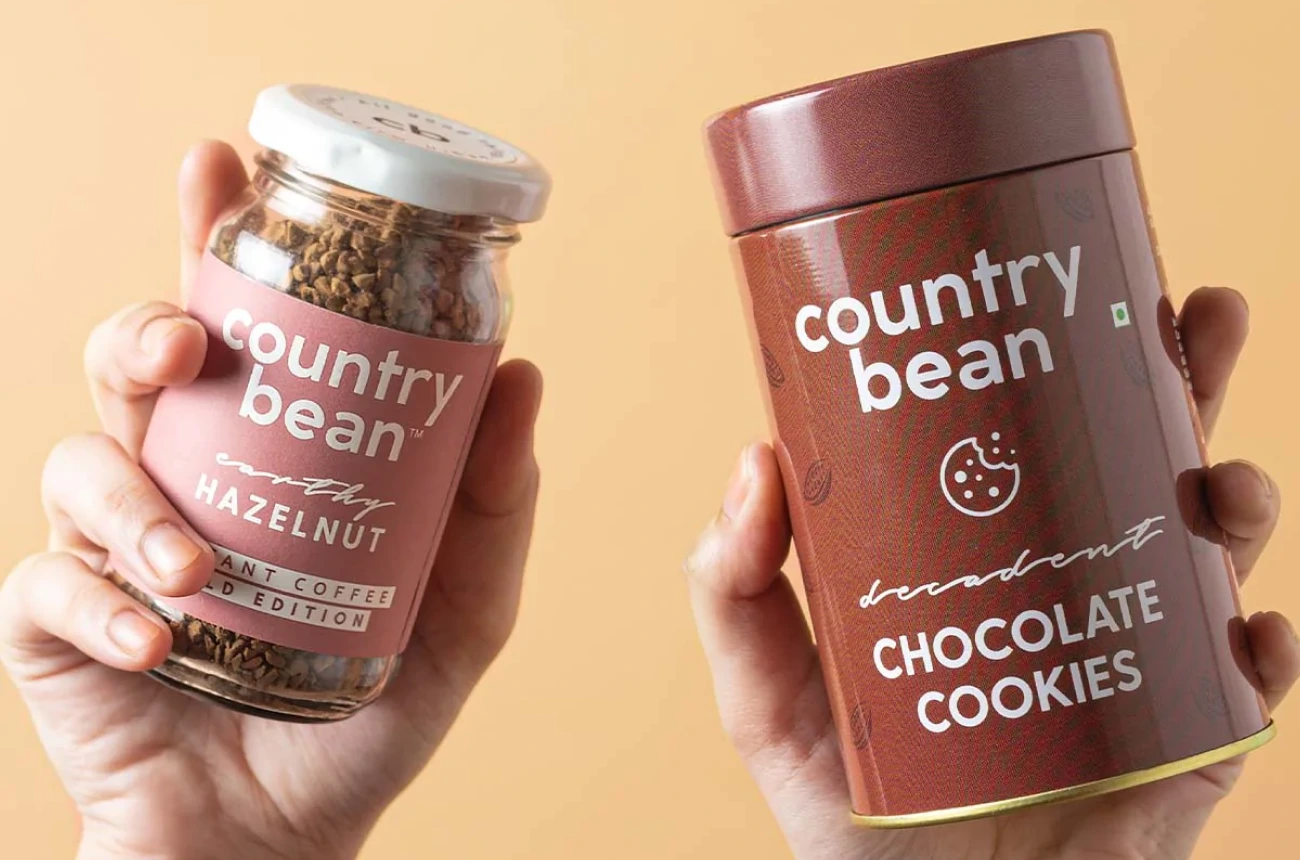
How Country Bean made flavoured coffee India's softest entry into specialty before anyone else thought the market was ready, and why the brand that opened the category needs a next act before the market moves fully past it.

Author:
Rishabh Jain

How Nuuk is filling the gap between Dyson and cheap imports with design-first home appliances built for modern Indian homes, and why the brand identity now needs to move as fast as the product has.

Author:
Rishabh Jain

How Poppi turned colour, a founding story, and a TikTok community into a USD 1.95B acquisition by PepsiCo and why its biggest design challenge now has nothing to do with the can.

Author:
Rishabh Jain

How ZYN used design precision and sport sponsorship to make nicotine feel like a premium lifestyle choice, and what that reveals about the power and limits of branding.

Author:
Rishabh Jain

How OLIPOP made gut health fun instead of clinical, built a USD 1.85B brand that turned down acquisitions from both Coke and Pepsi, and became the last serious independent in a category that consolidated around it.

Author:
Rishabh Jain

How Gully Labs made Indian streets the design brief, built a Noida factory before most investors believed in it, and raised Rs 35 crore to prove the category is real.

Author:
Rishabh Jain

How NOTO spotted India's guilt-free ice cream opportunity before anyone else, earned 87 investors across eight rounds, and why the packaging and portfolio focus need to catch up with the founding insight before the competition does.

Author:
Rishabh Jain

How Bluorng proved that Indian streetwear does not need a Western reference point to command Rs 20,000 for a sweatshirt, and what it means for every brand building in a category that did not exist before they arrived.

Author:
Rishabh Jain

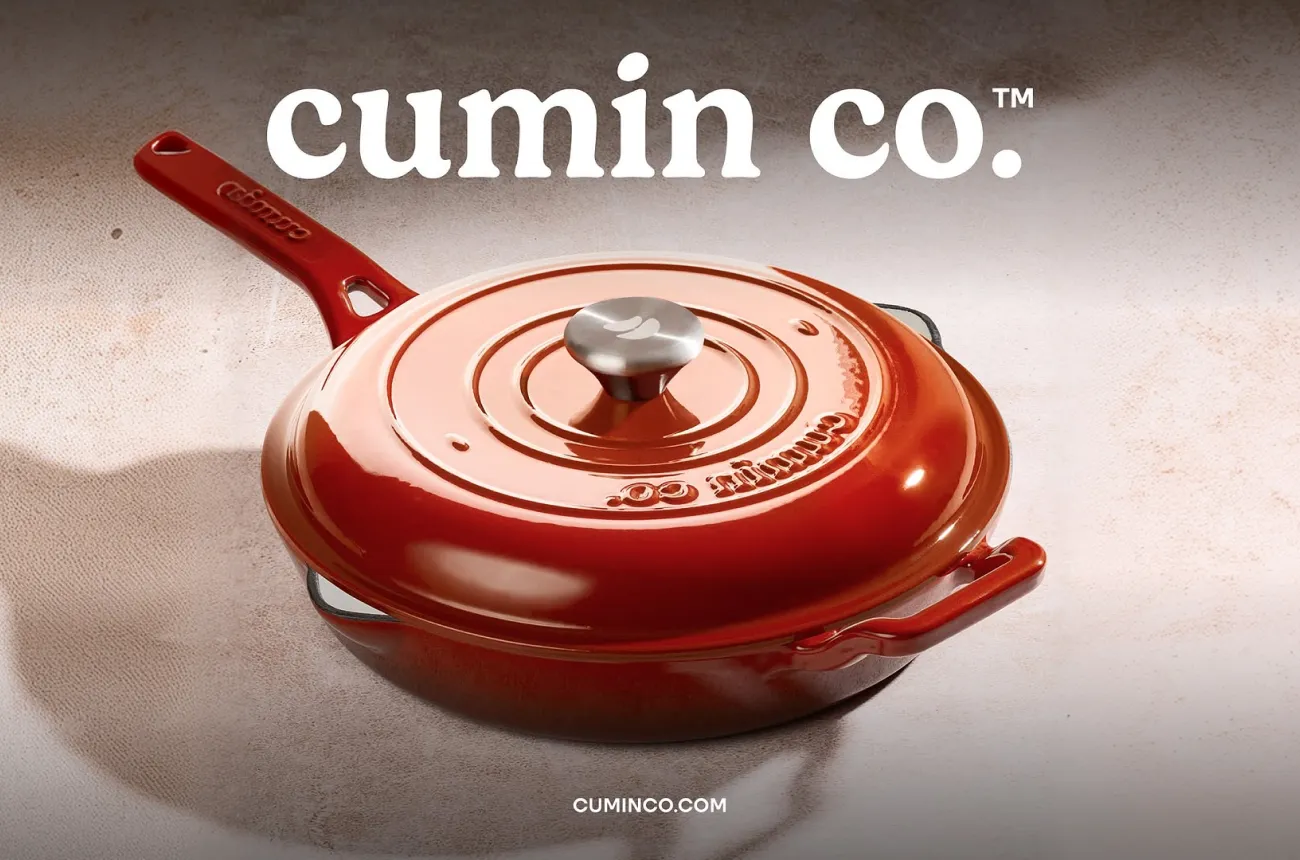
How Cumin Co consolidated India's scattered cookware market with patented technology and design so good that people ask where to buy it, and why the brand building work is what comes next.

Author:
Rishabh Jain

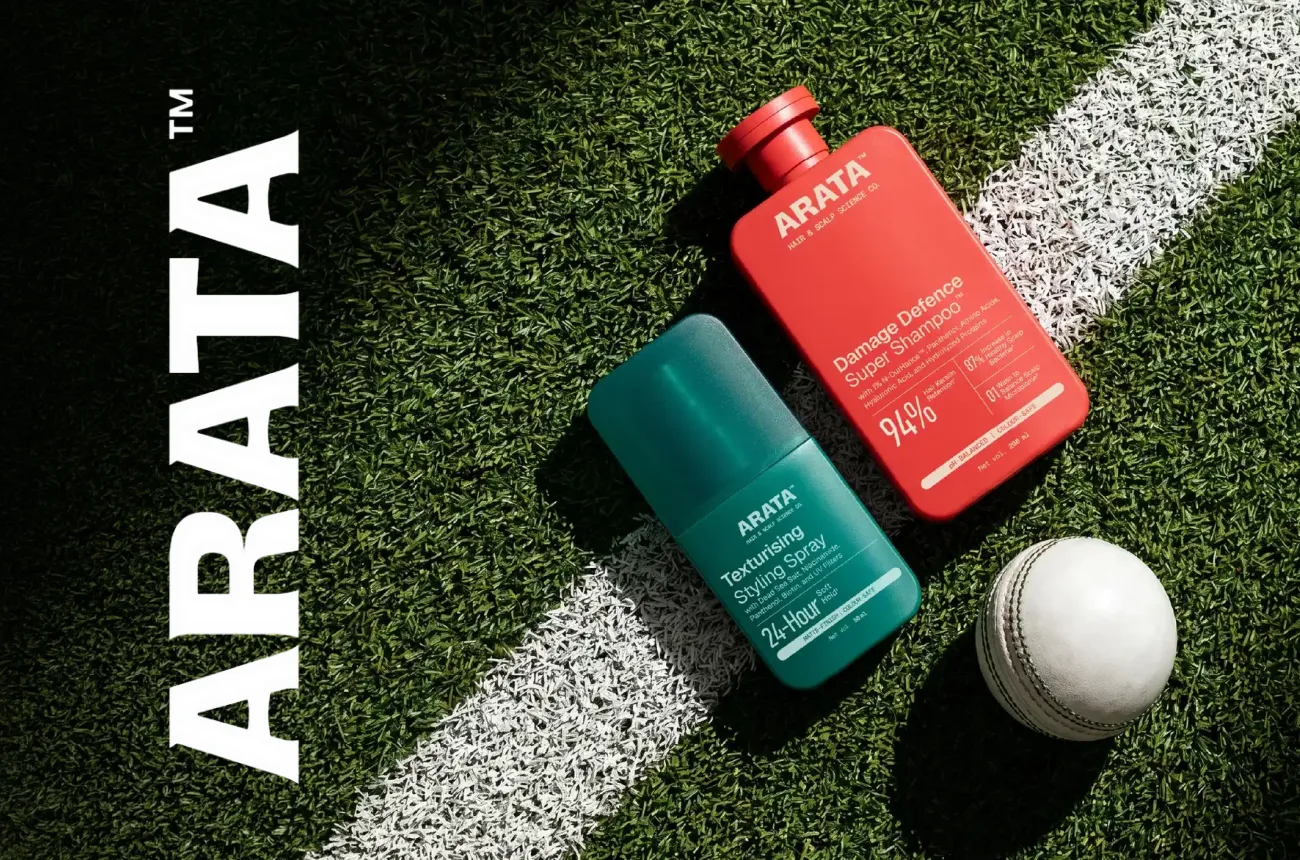
How Arata built a 1.5 million customer haircare business on product quality and quick commerce reach alone, and why both Unilever and L'Oréal invested in it.

Author:
Rishabh Jain

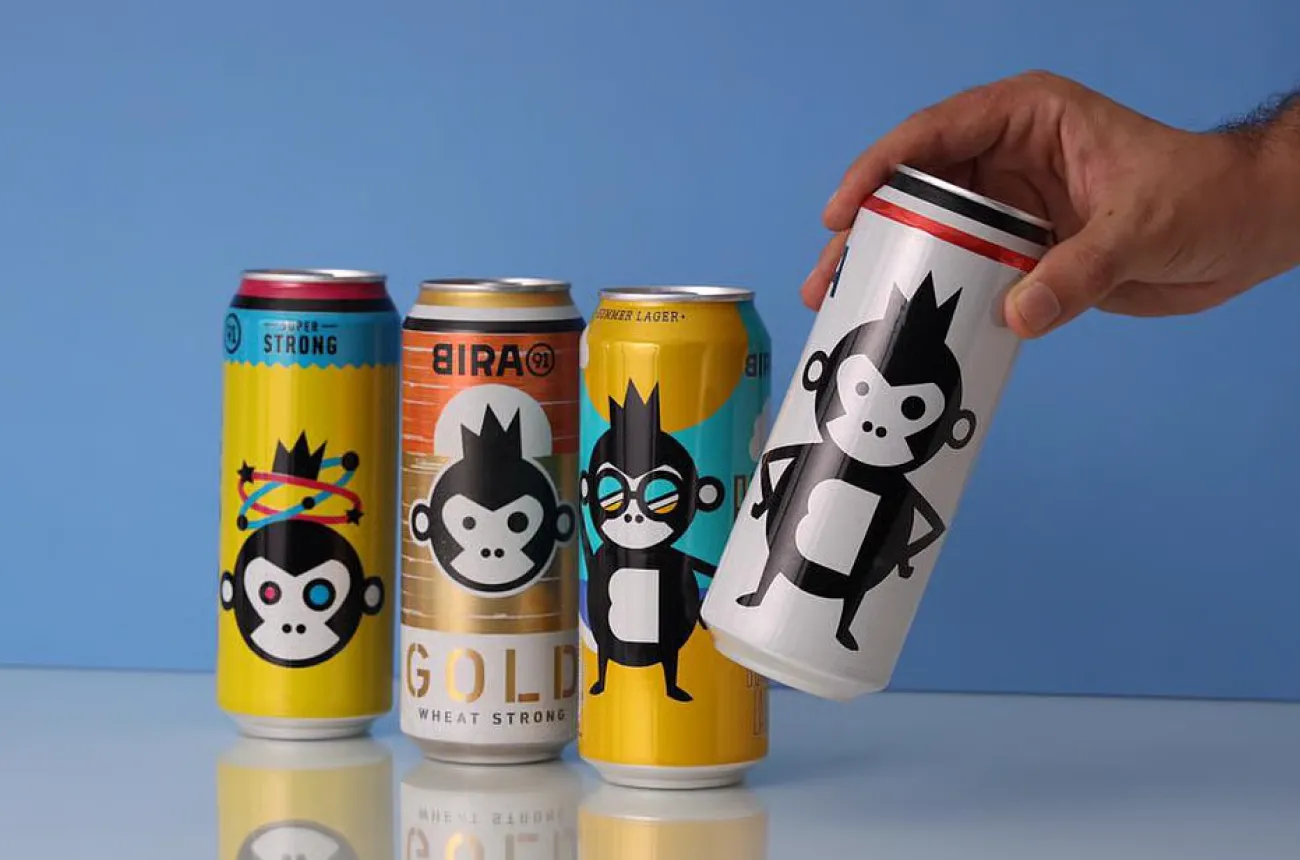
How Bira91 created India's craft beer category, became the default drink of a generation, and why the brand's cultural achievement and the business's financial crisis are two entirely separate stories.

Author:
Rishabh Jain

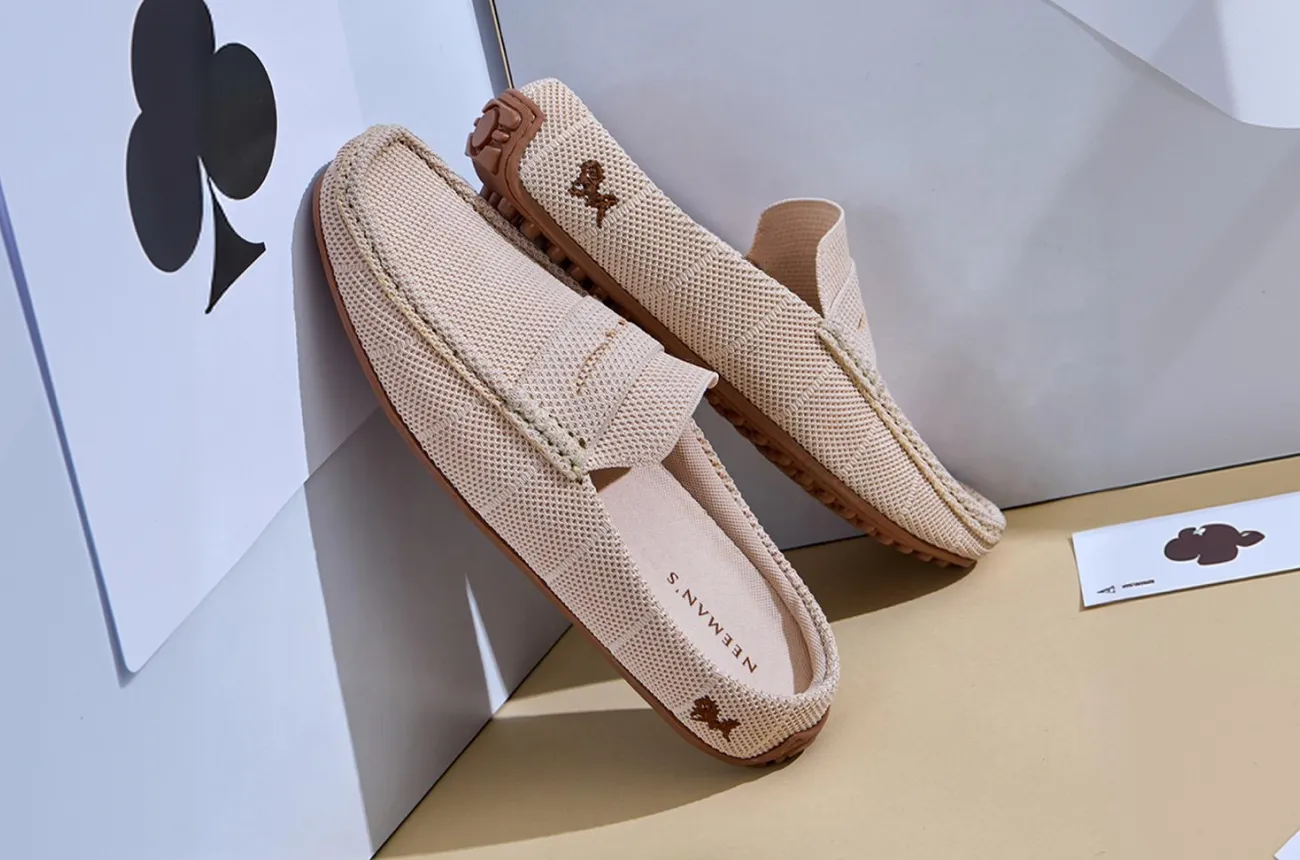
How Neeman's democratised sustainable footwear for India rather than premium-ising it, and why the brand identity has not yet caught up with the product's ambition.

Author:
Rishabh Jain
Rare Rabbit Brand Audit By Confetti Design Studio

How Rare Rabbit built India's most commercially serious premium fashion brand on product restraint, a tier 2-3 city strategy nobody talked about, and a monogram that does more brand work than any billboard could.

Author:
Rishabh Jain

How Yogabar built a decade of consumer trust on ingredient honesty, scaled to Rs 201 crore through ITC's distribution reach, and now faces its most important brand question yet.

Author:
Rishabh Jain

How Jaipur Rugs built the most powerful Indian luxury story in the world through 40,000 artisans, Paris Fashion Week, and a founder who started with a Rs 5,000 loan.

Author:
Rishabh Jain

How Snitch went from Rs 11 crore to Rs 900 crore in five years by building the fastest trend pipeline in Indian menswear, and why the next Rs 900 crore requires something the machine cannot produce by itself.

Author:
Rishabh Jain

Mokobara made Indian luggage worth wanting. Whether it can hold its ground as the scrutiny grows is the next design problem to solve.

Author:
Rishabh Jain

How the Comet sneakers brand is building hype in India through iconic design, limited drops and streetwear culture.

Author:
Rishabh Jain

How UnderNeat is normalising shapewear in India through influencer-led branding, real women, and category-first storytelling.

Author:
Rishabh Jain

How Subko turned specialty coffee into a South Asian cultural movement: a Confetti brand audit.

Author:
Rishabh Jain

How Tipsy Tiger built a cocktail mixer brand with more personality than most funded competitors, and what it needs to do to translate that identity into breakout commercial scale.

Author:
Rishabh Jain

4700BC turned a commodity snack into a gourmet category, attracted PVR INOX and then Marico, and built the most disciplined brand identity in Indian premium snacking.

Author:
Rishabh Jain

Bold Care turned one of India's most stigmatised categories into a Rs 100 crore conversation. The next chapter is about proving the brand can convert attention into sustainable profit.

Author:
Rishabh Jain

Bombay Shaving Company scaled faster than most Indian D2C brands ever will. The question now is whether the brand system can catch up with the ambition.

Author:
Rishabh Jain

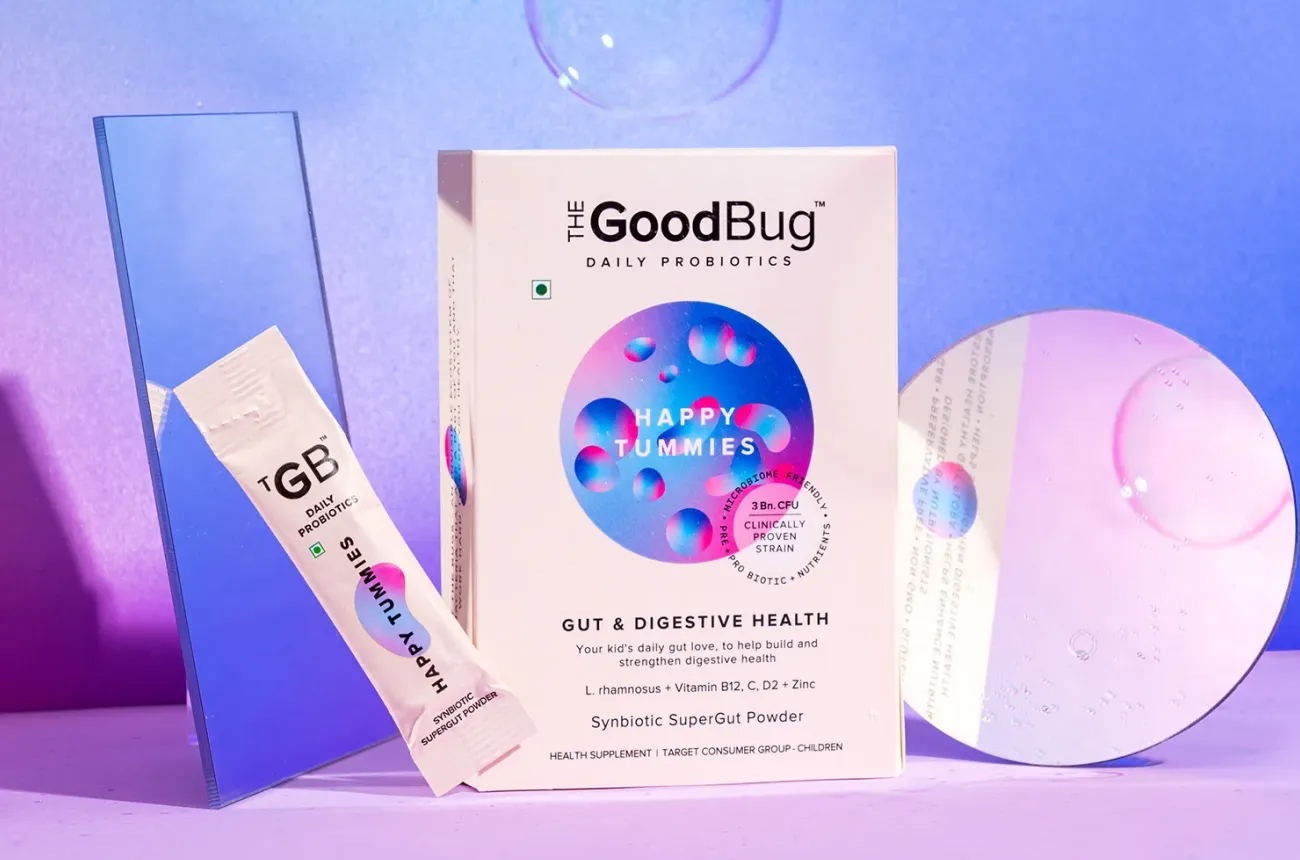
How The Good Bug made gut health feel like a lifestyle choice rather than a medical prescription, and why brand consistency is now the most important product it needs to build.

Author:
Rishabh Jain

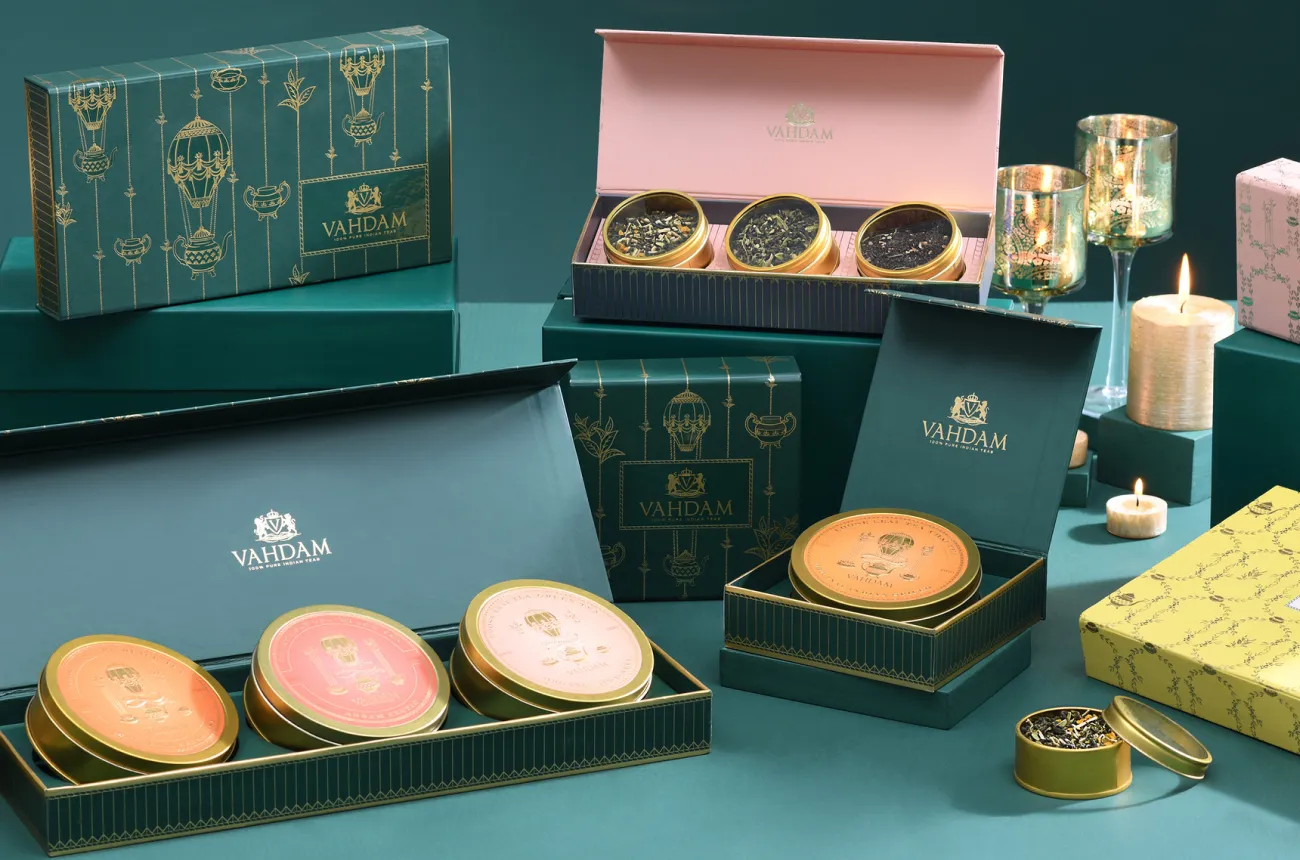
How Vahdam built a globally scaled Indian tea brand by controlling the supply chain from plantation to doorstep, without losing what makes it Indian.

Author:
Rishabh Jain

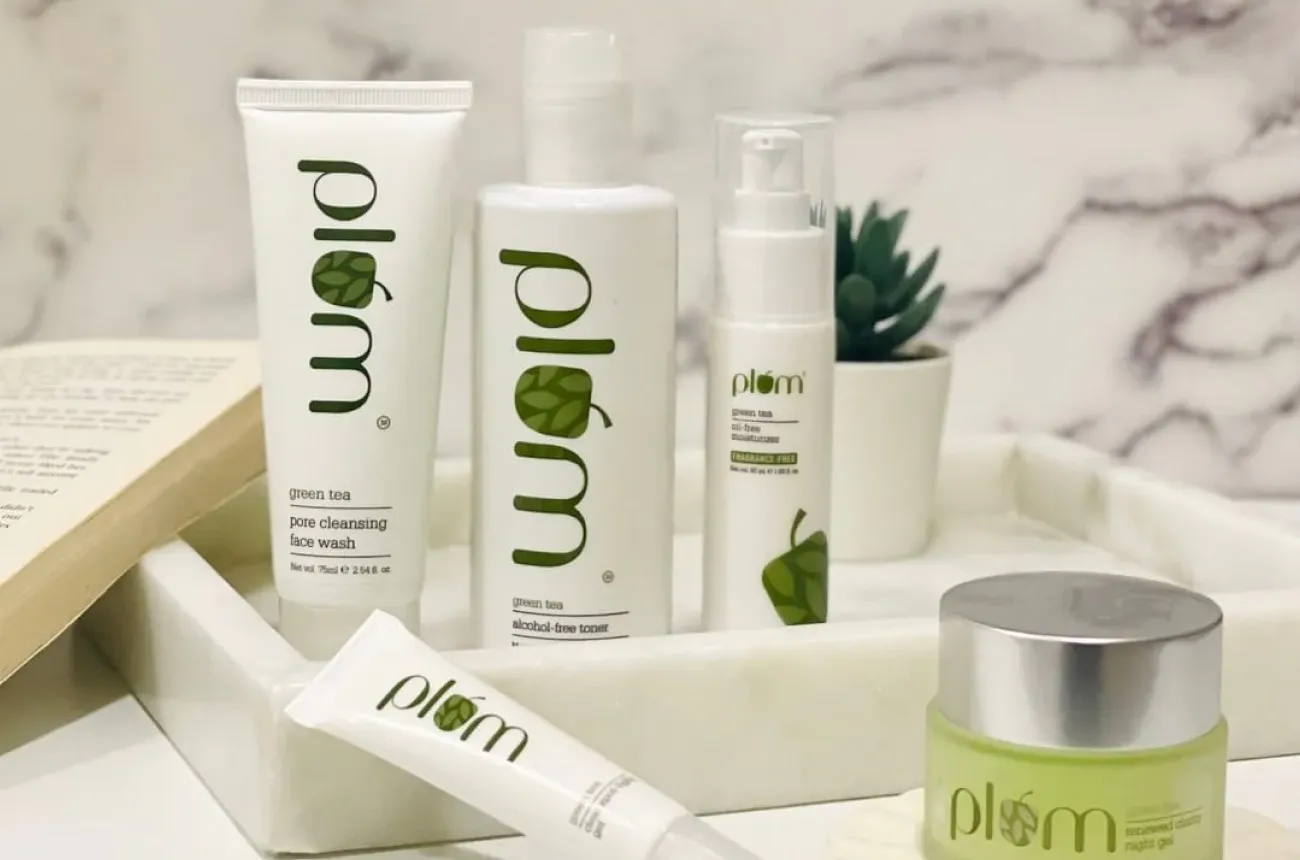
How Plum turns simplicity and functional design into a skincare staple, and what it takes to go from dependable to iconic.

Author:
Rishabh Jain

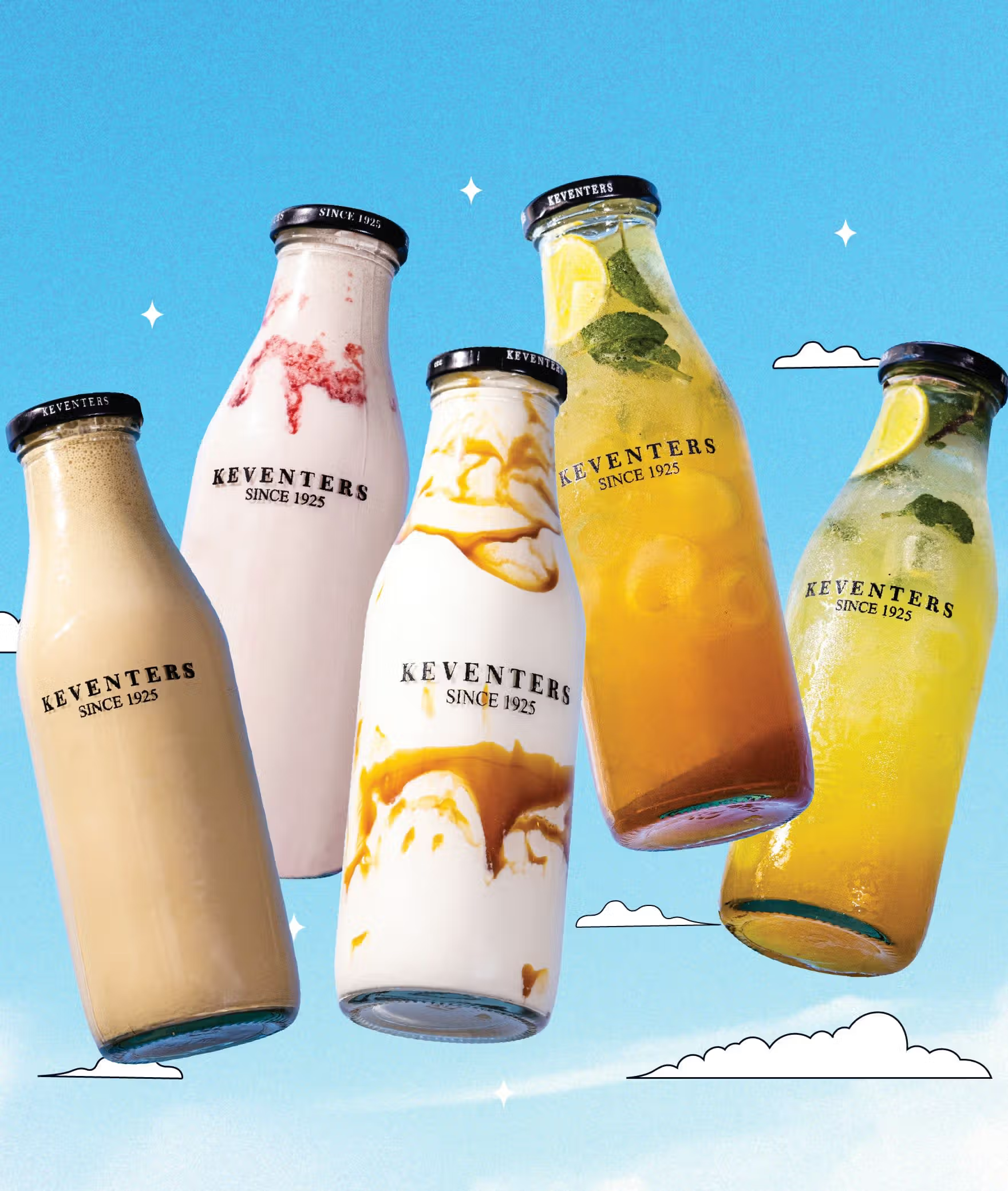
How Keventers blends a century of legacy with contemporary design to stay timelessly relevant in India's crowded indulgence category.

Author:
Rishabh Jain

A closer look at how bold naming and visual cues turn coffee into an adrenaline experience, and why Rage Coffee has not fully committed to the promise its name makes

Author:
Rishabh Jain

How Sleepy Owl made cold brew a habit for urban India, and why staying interesting is now the harder challenge.

Author:
Rishabh Jain

How MyMuse made sexual wellness feel safe, modern, and completely normal for India.

Author:
Rishabh Jain

What happens when cocktail culture is designed for real homes, real parties, and real drinkers.

Author:
Rishabh Jain

How Indri became India's most awarded single malt by designing for all five senses, not just the glass.

Author:
Rishabh Jain

A look at how focus, simplicity, minimalism and intention built an unmistakably premium coffee experience.

Author:
Rishabh Jain

Third Wave Coffee put specialty coffee on the Indian map. The harder question now is whether it can protect the philosophy that made the name mean something.

Author:
Rishabh Jain

How Wellbeing Nutrition built a design system flexible enough to serve every age group without losing the plot.

Author:
Rishabh Jain

How Hocco reimagined indulgence through playful design, bold naming, and a joyful brand language that India's frozen aisles had never seen before.

Author:
Rishabh Jain

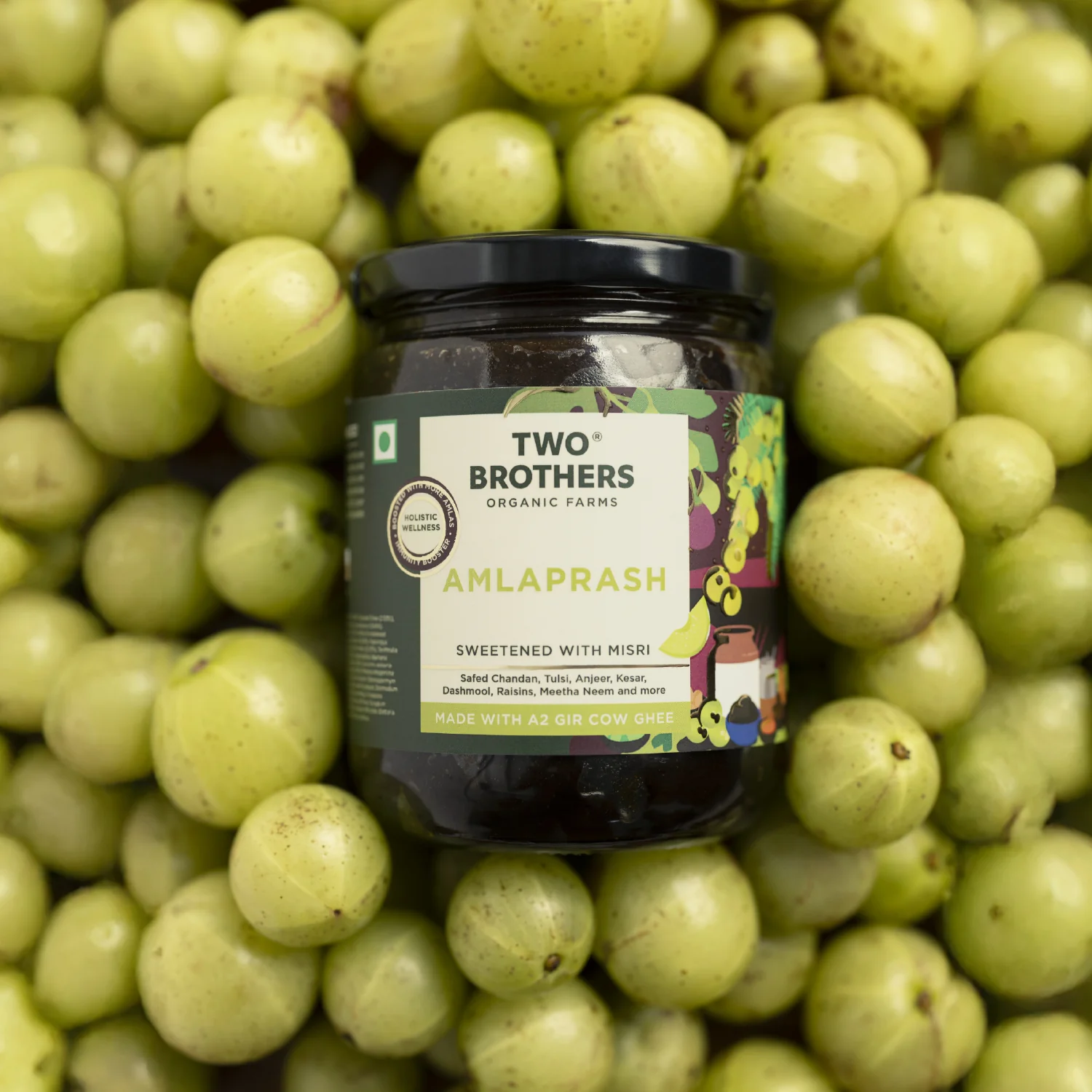
A closer look at how Two Brothers translates farm-first values into a trusted, premium identity.

Author:
Rishabh Jain

How The Whole Truth turned honesty into a design system, a business model, and a transparency movement.

Author:
Rishabh Jain

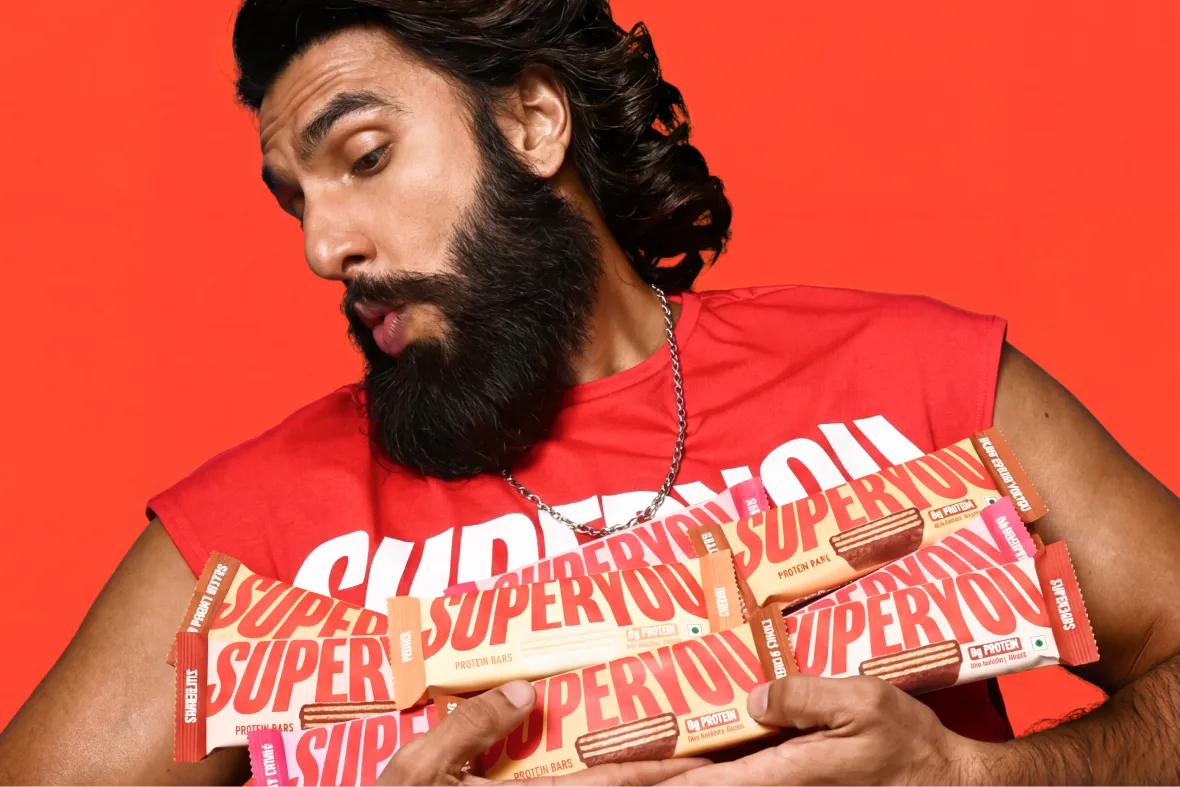
How SuperYou became India's fastest-growing celebrity D2C snack brand by making protein mainstream, not niche.

Author:
Rishabh Jain

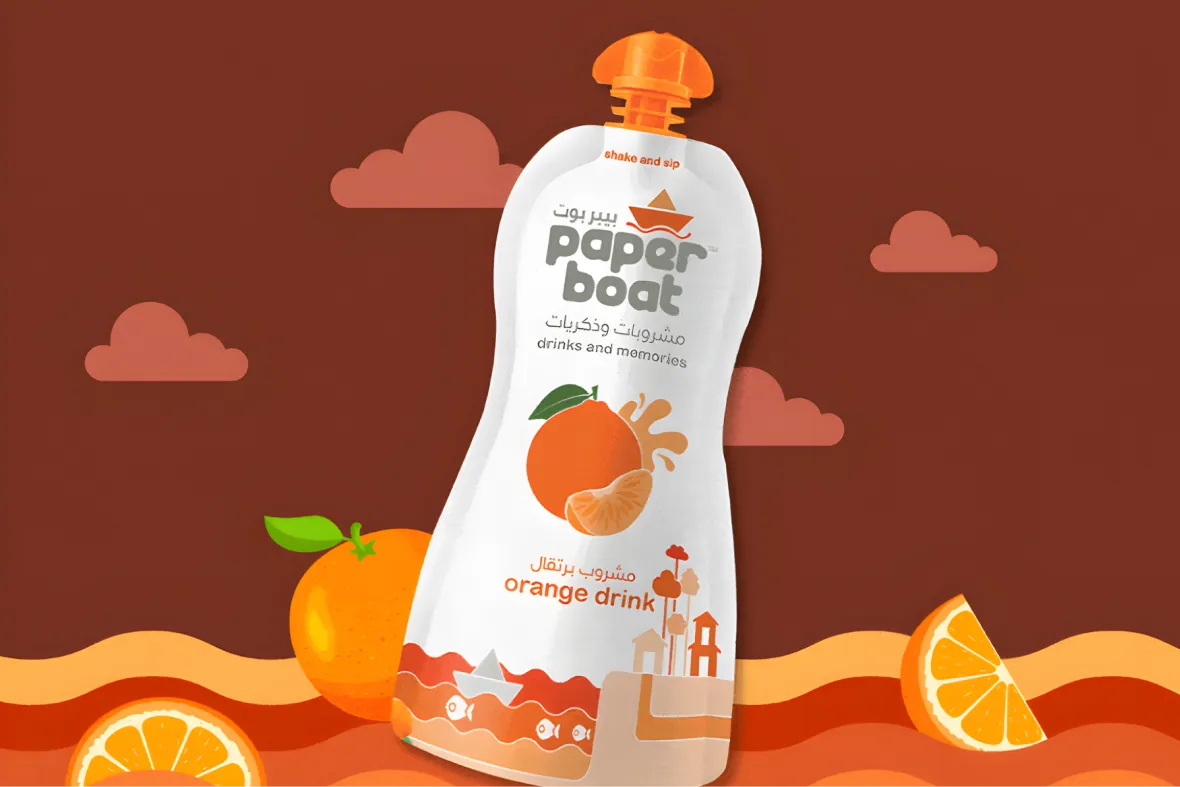
How Paper Boat bottled childhood and sold it back to a generation, and why the next decade demands something more than memory.

Author:
Rishabh Jain

A closer look at how Phool reimagines a traditional ritual through sustainable design, storytelling, and modern luxury.

Author:
Rishabh Jain

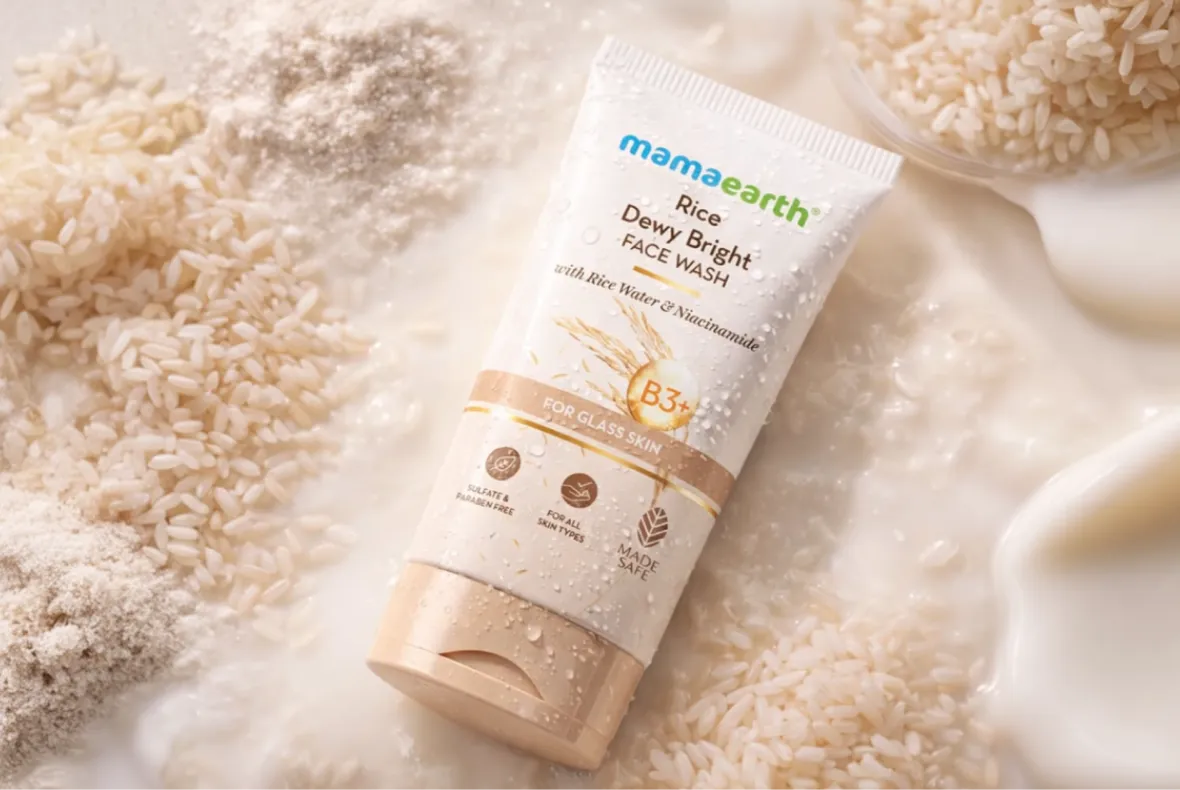
How Mamaearth found the sweet spot between Patanjali and the Western beauty giants, and why that middle ground is getting harder to hold.

Author:
Rishabh Jain

Let’s Build The Next Big Thing

Portrait photo of Rishabh Jain, Founder of Confetti, smiling and sitting down.
Rishabh Jain's signature
Rishabh Jain
Founder @Confetti
Get Started
A stylized pink thunderbolt or lightning icon
Get Instant Response
We’re looking forward to talk to you!
There was an error in form submission.
Please try to submit the form again.

Global Recognition

The logo for the publication PACKAGING OF THE WORLD, featuring the word 'PACKAGING' in bold black capital letters and 'OF THE WORLD' in a smaller font size.
ITC Bingo Chatpat Kairi is featured in ‘Packaging Of The World', 2025
A product photograph showing a green bottle of 'Bingo! Chatpat Kairi' drink, surrounded by glasses of mango juice, a woven basket filled with raw green mangoes, and slices of mango.
The logo for the World Brand Design Society, which includes a black geometric symbol, the Royal Coat of Arms of the United Kingdom, and the words 'WORLD BRAND DESIGN SOCIETY'.
WhatABite is featured in ‘World Brand Design Society’, 2025
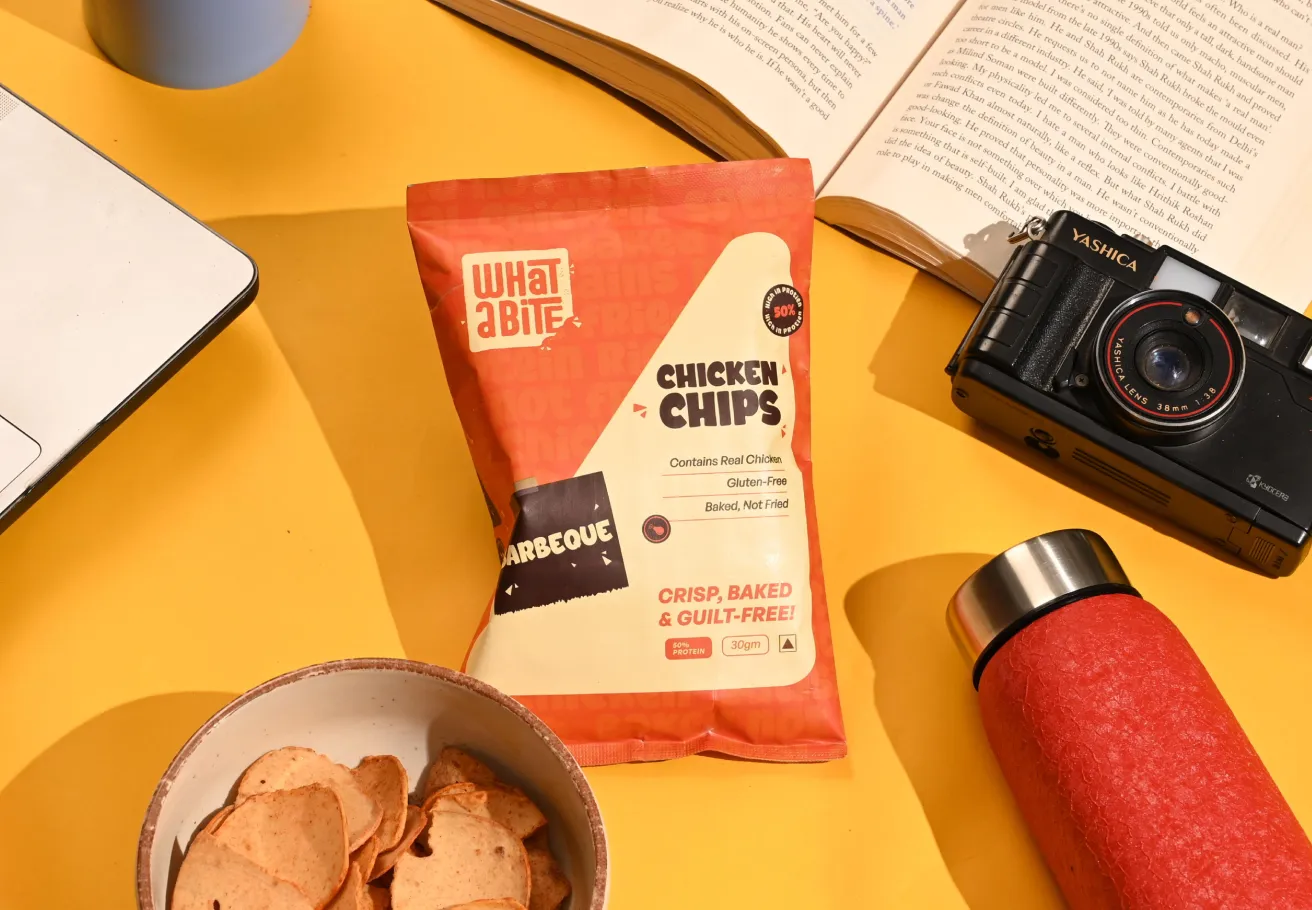
Close-up of a bag of orange-red 'WhatABite Chicken Chips (Barbecue)' resting on a bright yellow surface, surrounded by a laptop, an open book, a black vintage-style camera, a red thermos, and a small white bowl holding some of the chips.
The logo for the packaging editorial Dieline, represented by a black circle containing a stylized white 'D' shape.
AIM Nutrition is featured on ‘Dieline, 2025’, a globally reputed packaging editorial
A flat lay photograph of several products from AIM Nutrition's 'MeltinStrips' line, including blue boxes for 'Sleep' and white boxes for 'Beauty,' along with small orange sachets for 'Energy,' all scattered on a light background
The logo for the publication PACKAGING OF THE WORLD, featuring the word 'PACKAGING' in bold black capital letters and 'OF THE WORLD' in a smaller font size.
ITC B Natural is featured in ‘Packaging Of The World', 2025
A light green bottle of B Natural Tender Coconut Water sits on a blue and white patterned tile table next to a half coconut shell filled with a drink and garnished with a grapefruit slice and rosemary. The background is a bright seaside landscape with a blue ocean and distant cliffs.
The logo for the publication PACKAGING OF THE WORLD, featuring the word 'PACKAGING' in bold black capital letters and 'OF THE WORLD' in a smaller font size.
Pawsible Foods is featured in ‘Packaging Of The World', 2025
A smiling Golden Retriever dog wearing a green tag, leaning on a table next to a large green box of Pawsible Foods Core Wellbeing Nutritional Topper and a stainless steel bowl containing the food. The background is a blurred, lush green outdoor setting.
The logo for the publication PACKAGING OF THE WORLD, featuring the word 'PACKAGING' in bold black capital letters and 'OF THE WORLD' in a smaller font size.
Miduty is featured in ‘Packaging Of The World', 2025
A set of three black-lidded supplement bottles from the Miduty brand, labeled Estrogen Balance, Liver Detox, and Methyl B-12 & Folate, displayed against a sleek, light blue, clinical-style background.
The logo for the publication PACKAGING OF THE WORLD, featuring the word 'PACKAGING' in bold black capital letters and 'OF THE WORLD' in a smaller font size.
Swizzle is featured in ‘Packaging Of The World', 2025
A visually striking product photo featuring three cans of Swizzle Premium Mocktails (Pineapple Mojito, Blue Lagoon, and Desi Lemonade), each bearing a polar bear mascot wearing sunglasses. They are arranged on a pink surface next to a red cloth and a bowl of salad, with a hand reaching for the can on the right.
The logo for the publication PACKAGING OF THE WORLD, featuring the word 'PACKAGING' in bold black capital letters and 'OF THE WORLD' in a smaller font size.
ITC Bingo Chatpat Kairi is featured in ‘Packaging Of The World', 2025
A product photograph showing a green bottle of 'Bingo! Chatpat Kairi' drink, surrounded by glasses of mango juice, a woven basket filled with raw green mangoes, and slices of mango.
Like what you see?
Let's discuss your project
Book A Call