Brand Audit

Summer Fridays Brand Audit

Rishabh Jain
October 9, 2026
6 Minutes
October 9, 2026
6 Minutes
No items found.
No items found.
This is some text inside of a div block.
Posted On
Estimated Reading Time
6 Minutes
Category
Brand Audit
Wrriten By
Nimisha Modi

Book a call and get unlimited revisions for your project!

Book A Call
A stylized pink thunderbolt or lightning icon
Get Instant Response

Need Help In Building Your Brand?

Click the button below & book a call with our founder directly.

Rishabh Jain

Managing Director

Book A Call

Summer Fridays | Confetti's Verdict ⭐⭐⭐⭐

Attribute Details
Confetti Rating ⭐⭐⭐⭐ (4 / 5)
Brand Summer Fridays
Year Founded Launched March 2018
Industry Skincare, Lip Care, Colour Cosmetics, Fragrance
Founders Marianna Hewitt, Lauren Gores Ireland
Headquarters Los Angeles, USA
Revenue ~$150 million retail (2023), projected ~$200 million (2024), double-digit growth continuing into 2025
Market Position 10.5% of all skincare sales at Sephora in 2024, the retailer’s number one skincare brand by market share, ahead of Glow Recipe at 6.4%
Ownership TSG Consumer Partners holds a majority stake (July 2024); founders retain significant minority positions; Chairman and CEO John Heffner announced his retirement in June 2026, with a successor search under way

Confetti Design Studio has analysed the launch strategy, packaging decisions and category architecture of Summer Fridays, the Los Angeles brand that went to market with a single product and refused to launch a second one for over a year. 

Founded by former broadcast journalists Marianna Hewitt and Lauren Gores Ireland, who spent two years developing one formula before selling anything, it launched in March 2018 with only the Jet Lag Mask and reached number one on sephora.com within two weeks. 

That single SKU produced $4.8 million in its first year, and by 2024 the brand held 10.5% of all skincare sales at Sephora, the highest market share of any skincare brand the retailer carries. 

The audit explores whether the discipline that built the brand can survive its own success. This audit is as per September 2026.
Summer Fridays Brand Strengths: What the Brand Gets Exceptionally Right 💪

1. One Product, Held for a Year 🎯

The instinct on launch day is to arrive with a full range.

But Summer Fridays launched in March 2018 with the Jet Lag Mask and nothing else, after two years of developing that one formula. It became the number one bestselling skincare product on sephora within two weeks.

Two founders with 1.3 million combined Instagram followers launching a full range would have read as an audience being monetised, while launching one product they had spent two years on read as people who had made something.
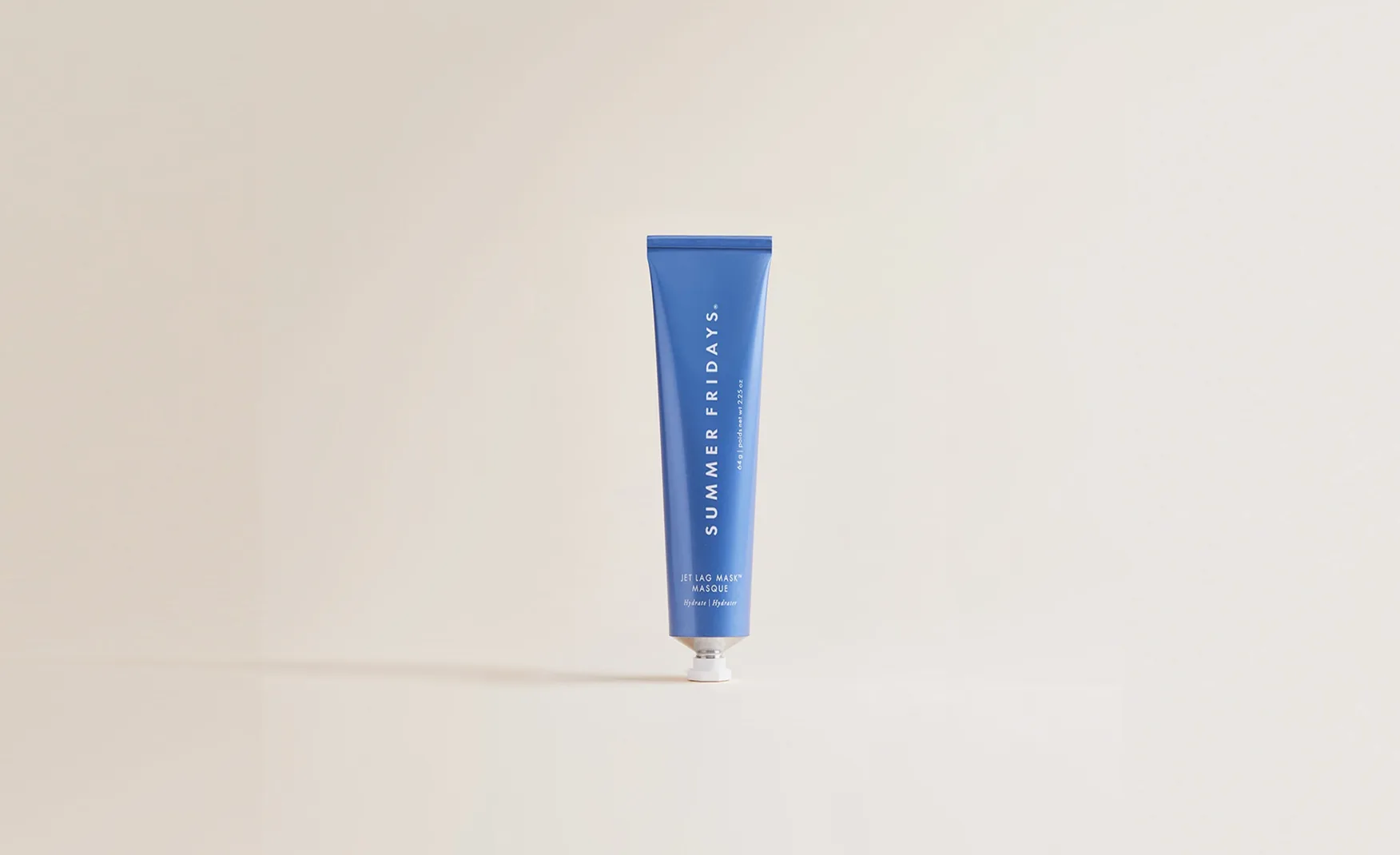
2. Packaging Tested on a Phone Camera 📱

Most packaging is signed off in a meeting room under controlled lighting.

Summer Fridays tested the packaging on iPhone cameras before finalising the design so the product would photograph well in any lighting. The blue aluminium tube selected against that criterion became distinctive enough to carry recognition across social platforms by itself.

Glow Recipe arrived at the same conclusion independently, and when two of the most commercially successful skincare brands of the decade separately reach this from different directions, it is the brief.
3. A Brand Named After a Feeling 🌤️

Beauty brands are usually named after an ingredient, a founder or a function.

Summer Fridays is named after the workplace tradition of leaving early at the end of the week, describing the feeling. Got instantly understood by anyone who has worked in an office.

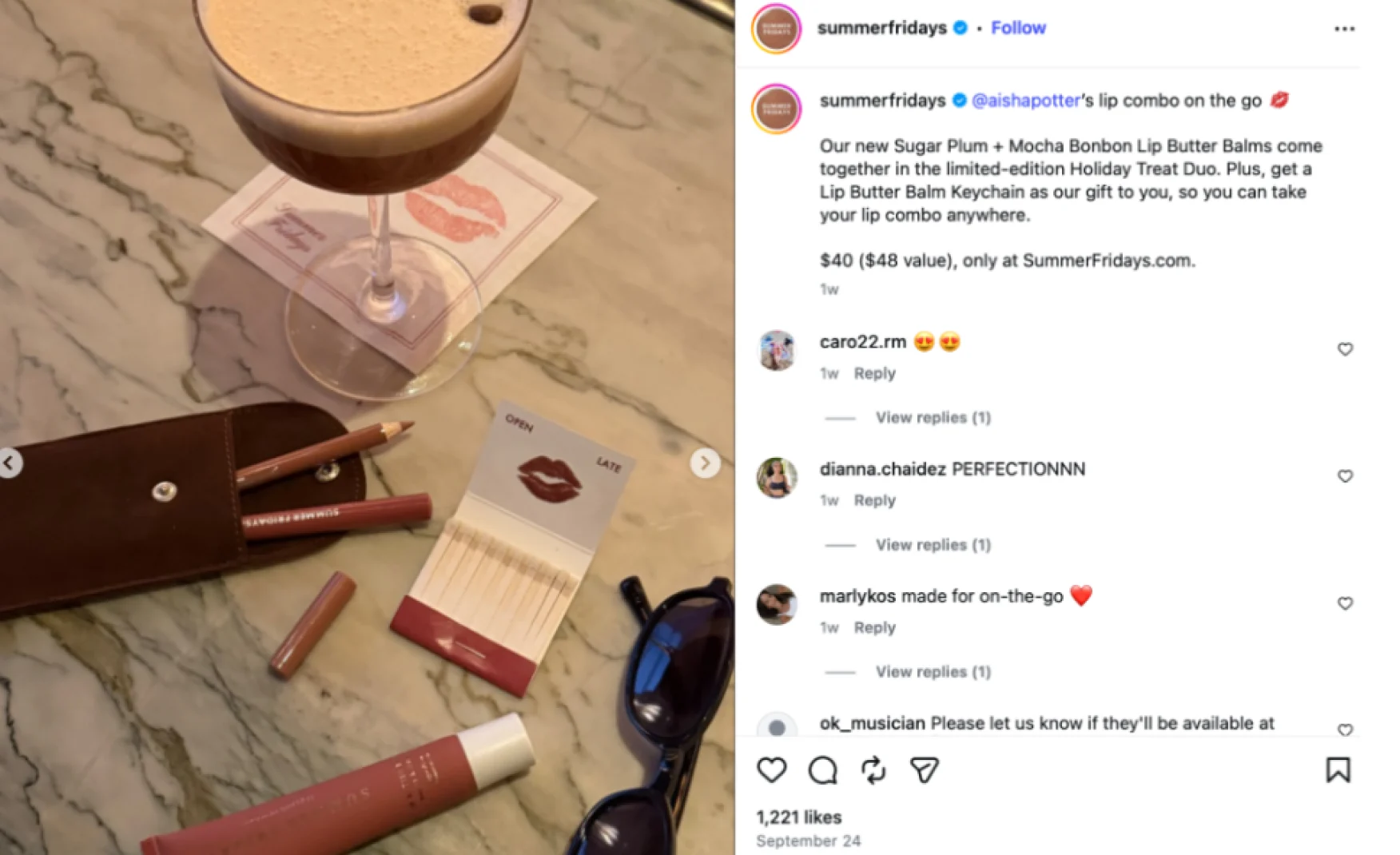
That gave the brand category permission of unusual breadth, letting it move into lip care in 2020, body care, blush in 2025, lip liners in February 2026 and fragrance in March 2026 without any launch requiring an explanation of why it belongs. 

The idea came in 2016 from a genuine shared need, moving towards cleaner ingredients and Hewitt travelling constantly, rather than a market gap analysis. And a brand built to solve its founders' actual problem usually feels more genuine over time.
4. Slow Formulation in a Fast Category 🧪

Influencer founded beauty is structurally built for speed. Attention is perishable, and contract manufacturers can turn a formula around in months.

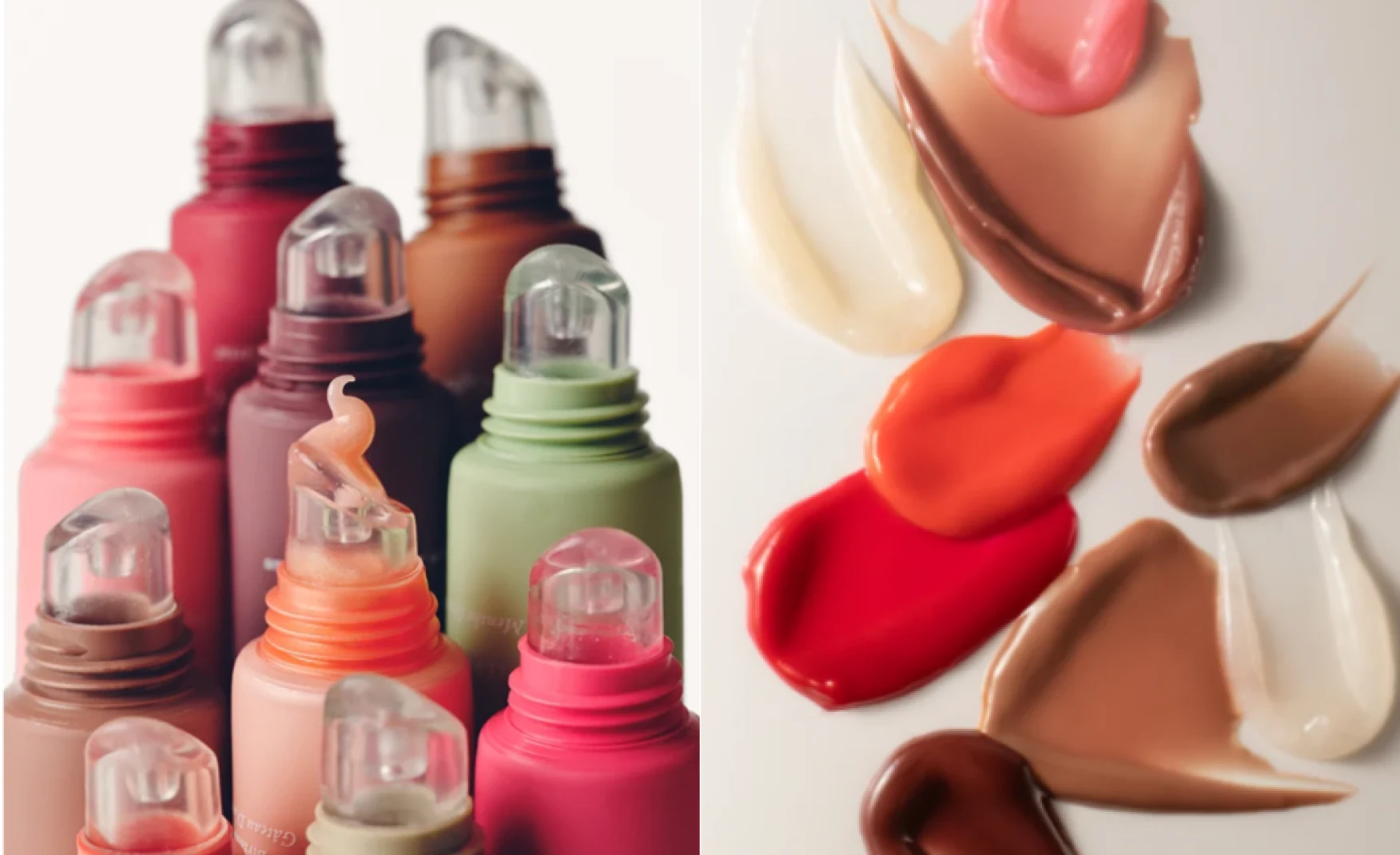
Every Summer Fridays formula takes between eighteen months and three years to develop, materially slower than the influencer brand norm and closer to heritage skincare timelines.

The Lip Butter Balm, launched in 2020, became the top revenue driver and the most-searched lip care product on Google in 2023, and results at that level are formulation outcomes that marketing then amplifies, not the other way round.
5. Simplicity as the Whole Strategy: Vision and Packaging Say the Same Thing 🌿 

Summer Fridays starts from a simple observation, skincare got too complicated. Too many steps, too many products, too much pressure to do it all right. So the brand set out to do the opposite, make skincare and makeup that actually works, without asking anyone to overthink it.

And behind all of it stands the community, the people who showed up early, stuck around, and helped shape what the brand became. Summer Fridays was never only about the products. It's about small, ordinary moments that feel a little softer, a little more beautiful, and better shared.

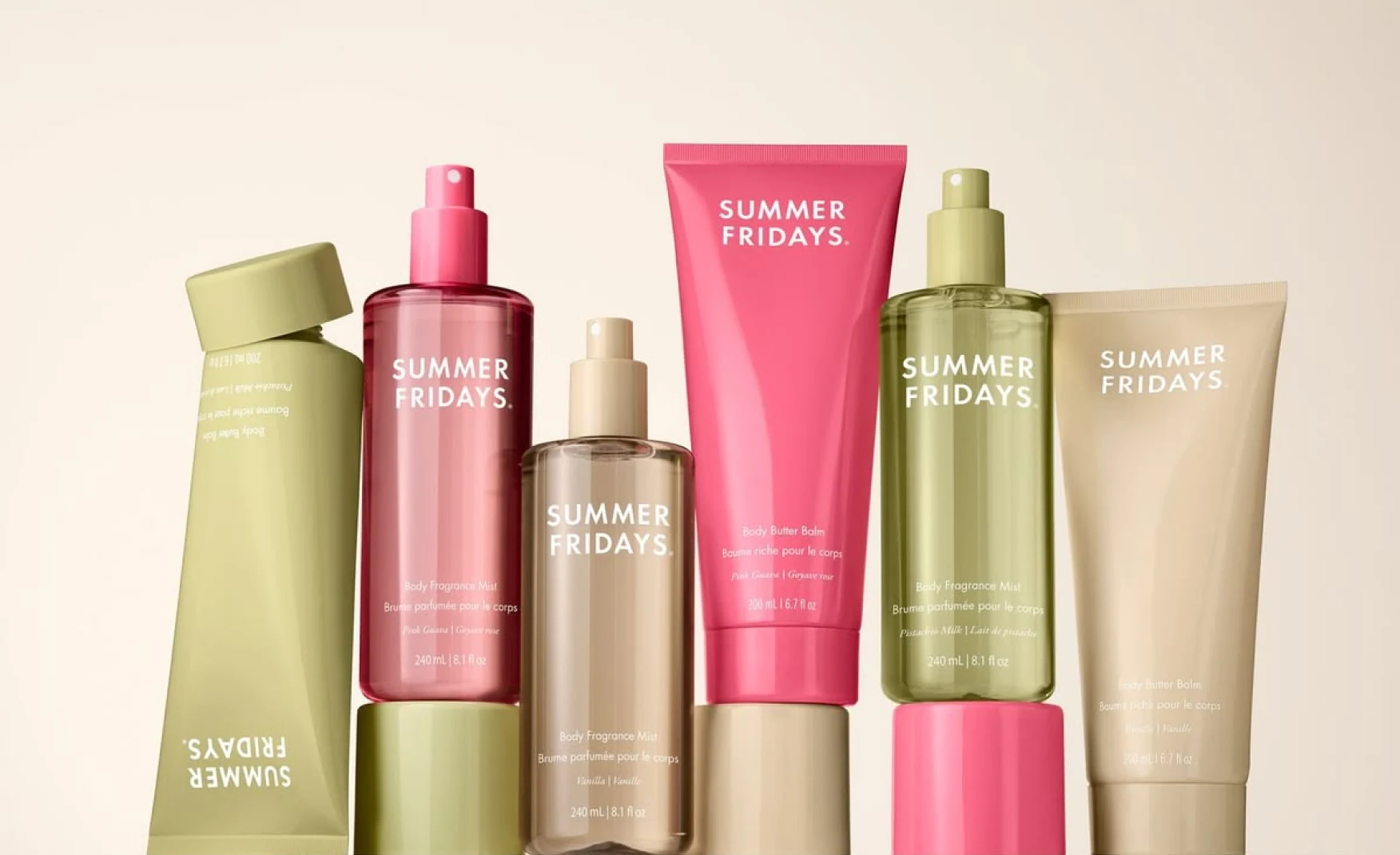
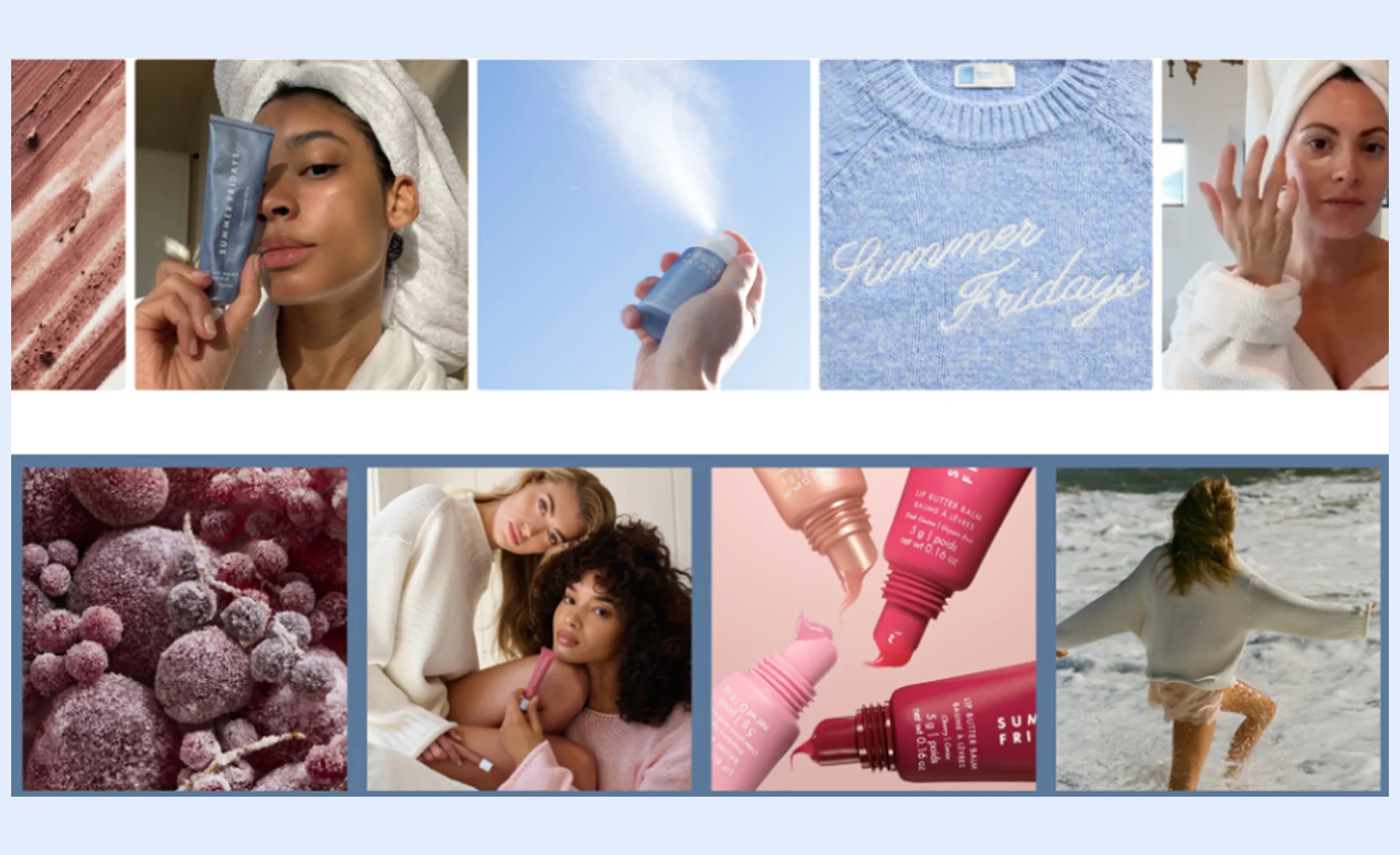
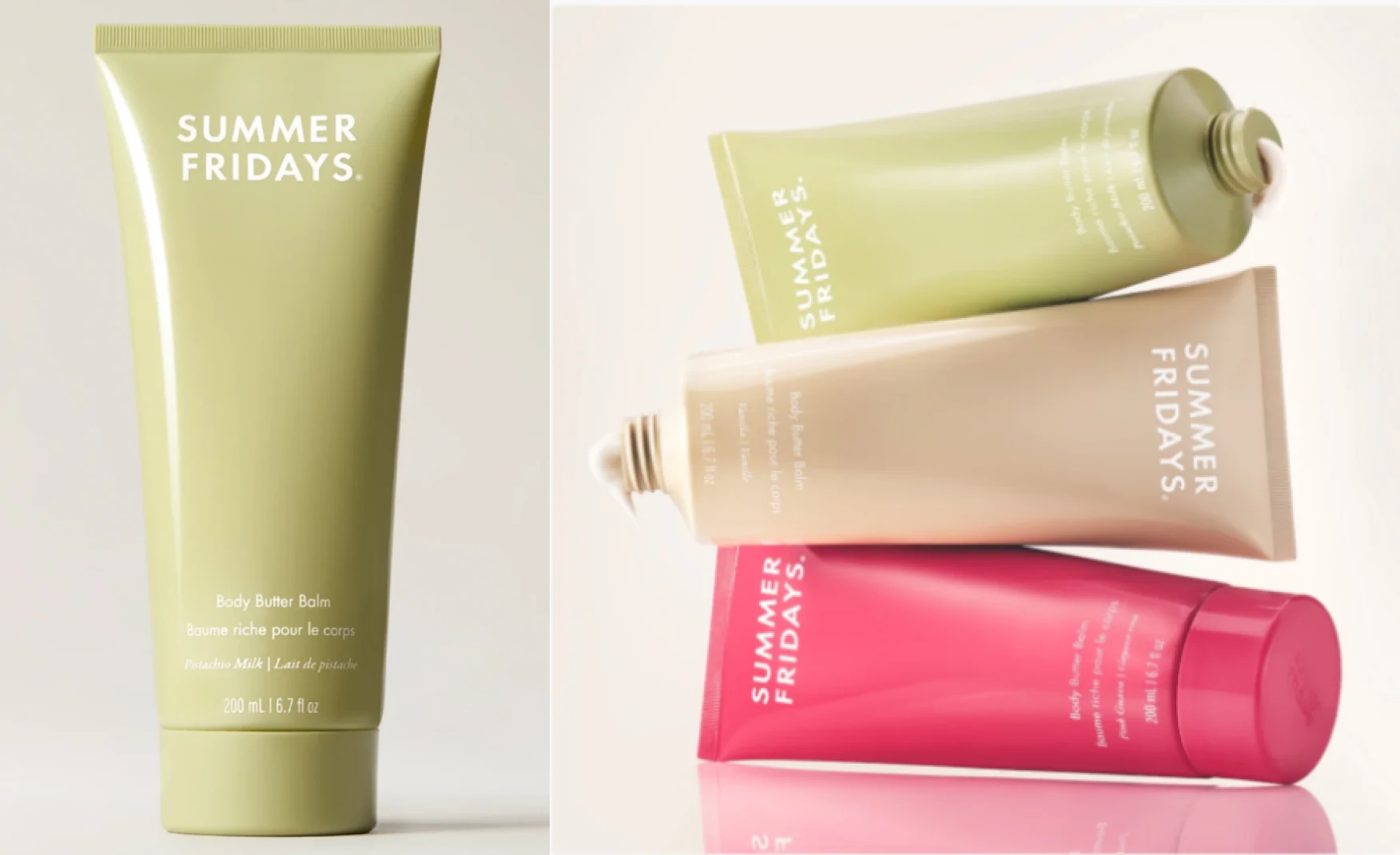
What makes this convincing is that the packaging says the exact same thing without a single word.

Muted yellows, blues, and pinks. Clean white typography. There’s nothing loud as it's simple by design, and that simplicity is the whole point. A brand claiming that skincare doesn't need to be complicated has to look uncomplicated too, or the whole message falls apart. 
6. Hiring an Operator at Two Years Old 👔

Founder led brands typically hold on to operational control for as long as possible.

Summer Fridays brought in John Heffner, the former CEO of Drybar, as Chairman and CEO in June 2020, when the company was two years old. And the founders moved to the roles they were actually best at, brand, product direction and audience.

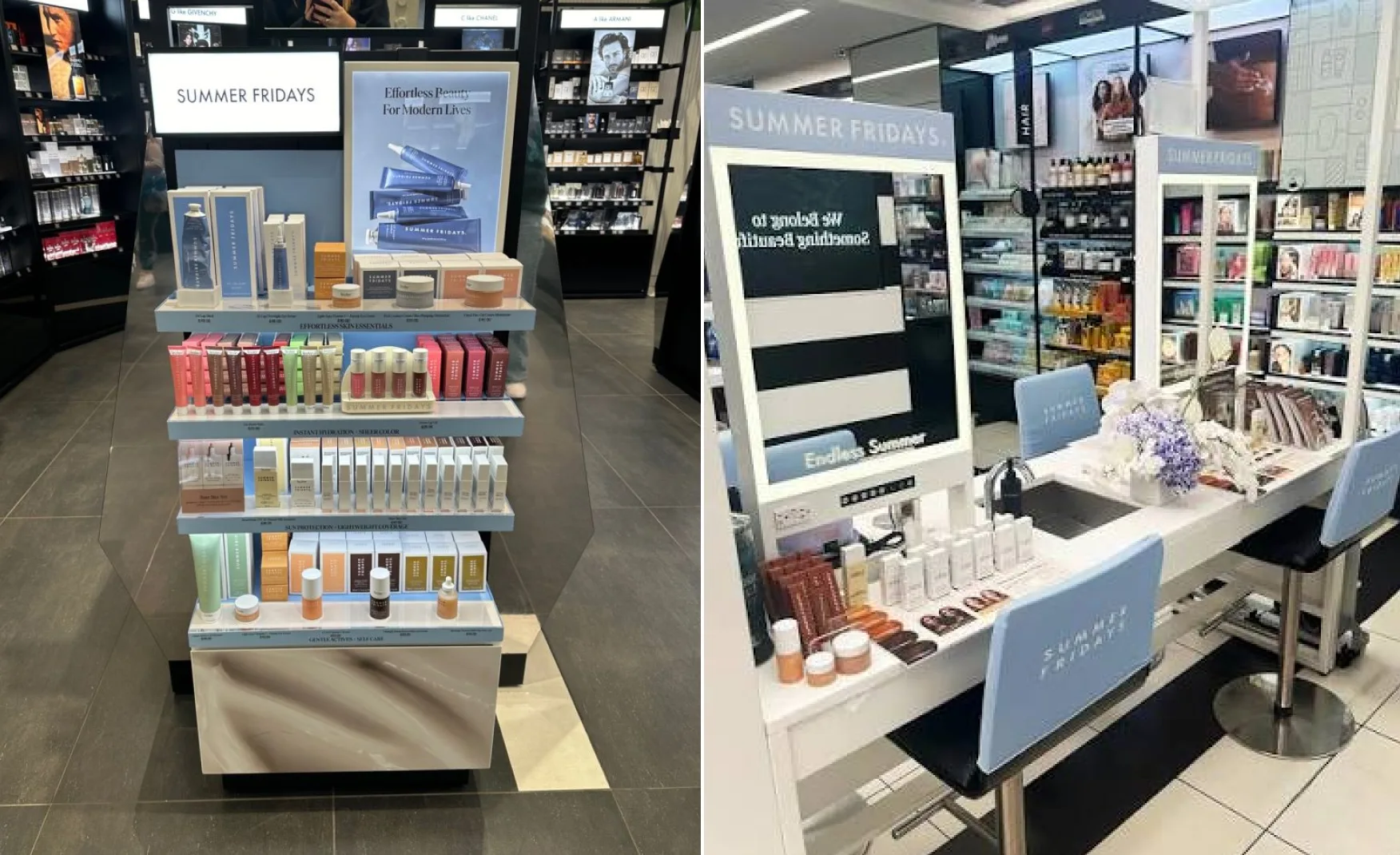
The brand went to Sephora exclusively from day one. When Sephora reviewed the product and saw the founders’ audience, it increased its initial production order six times over. 

That combination of self-assessment and retail concentration is what made the move from $20 million in 2019 to roughly $150 million by 2023 possible, since that scale up is an operational problem more than a creative one.
Summer Fridays: Growth Challenges and Areas to Watch ⚠️

1. The Hero Has Been Comprehensively Copied ⚠️

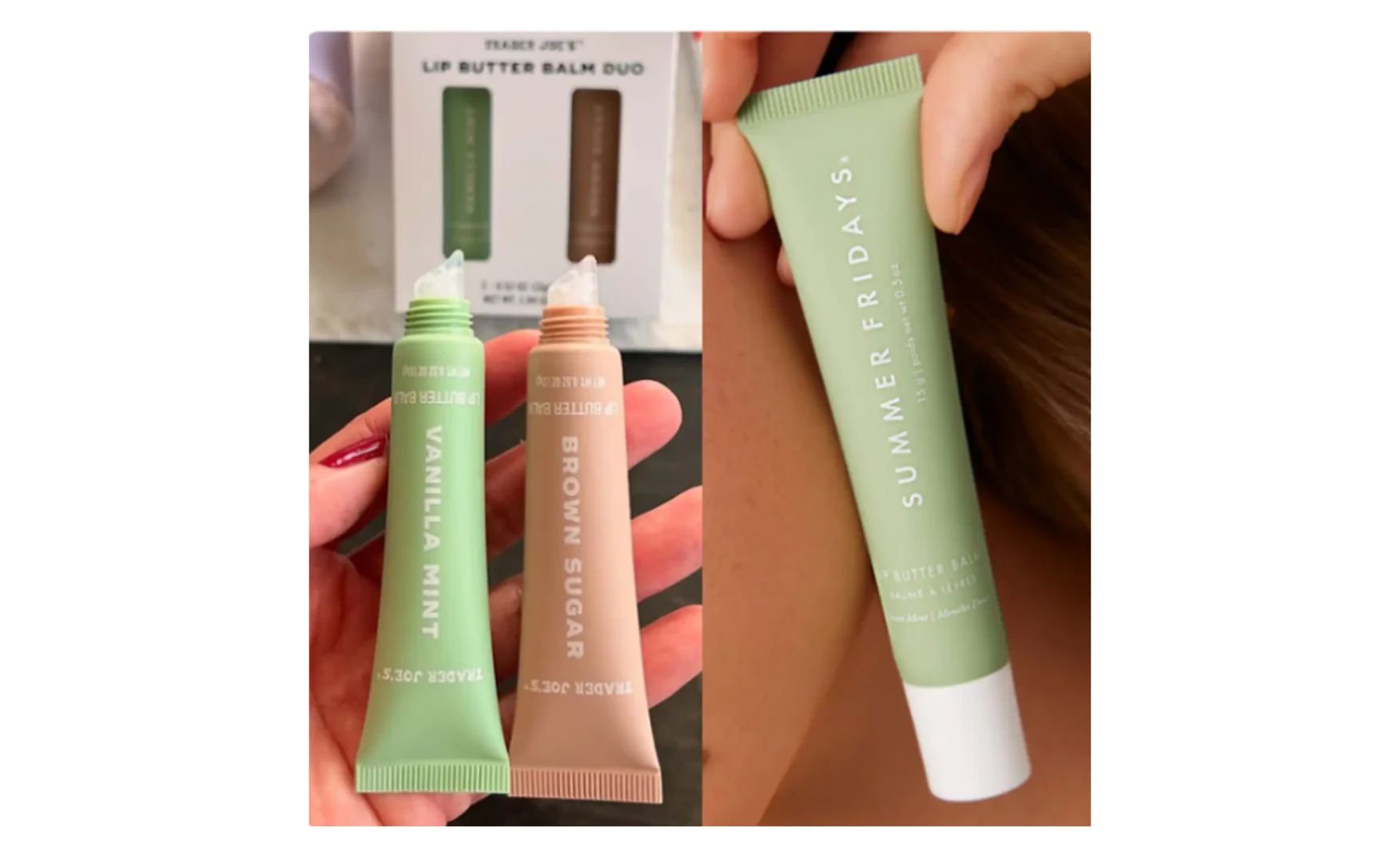
The Lip Butter Balm is the company’s top revenue driver.

Dupe trackers list dozens of documented alternatives at high ingredient match rates, including a Trader Joe’s duo selling for a fraction of the price.

The brand’s protection was never formulation or a patent, it was aesthetics and feeling, which are the easiest things in consumer goods to approximate.The response so far has been to launch into new categories rather than defend the original.
2. Fragrance Put the Brand in Its Most Crowded Category Yet ⚠️

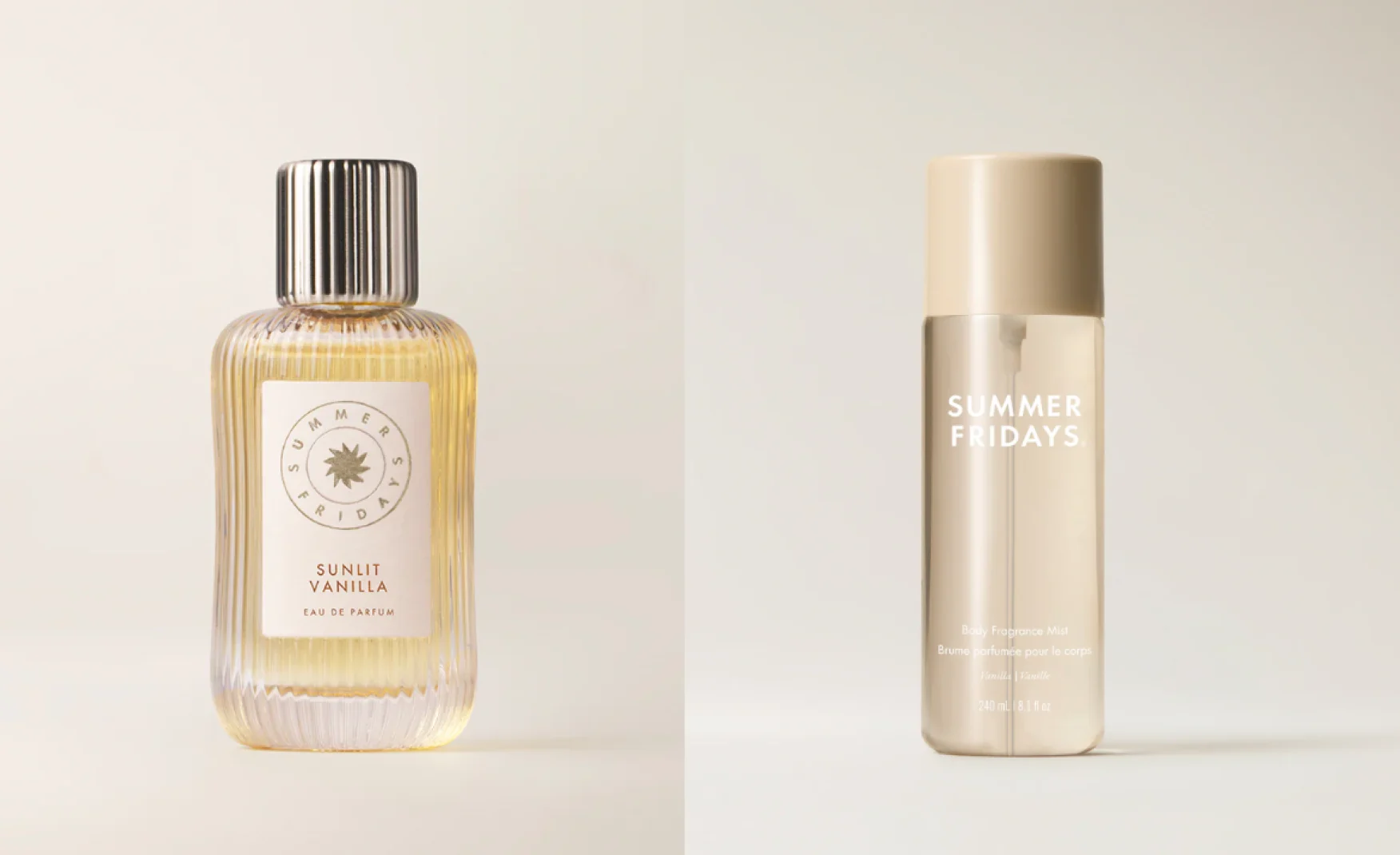
Sunlit Vanilla launched in March 2026 at $82, into the single most crowded corner of fragrance.

Mainstream press reception has been largely warm. But fragrance community commentary has repeatedly placed the scent alongside established gourmand vanillas such as Bianco Latte. Exactly the comparison a brand entering on the strength of a name rather than a formulation history has to expect. 

The name grants permission to enter a category, but permission is not the same as authority, and fragrance is a category where authority is demanded before a launch is judged on its own terms.
3. The Operator Who Scaled the Brand Just Left ⚠️

TSG Consumer Partners took a majority stake in July 2024, with the founders retaining significant minority positions.

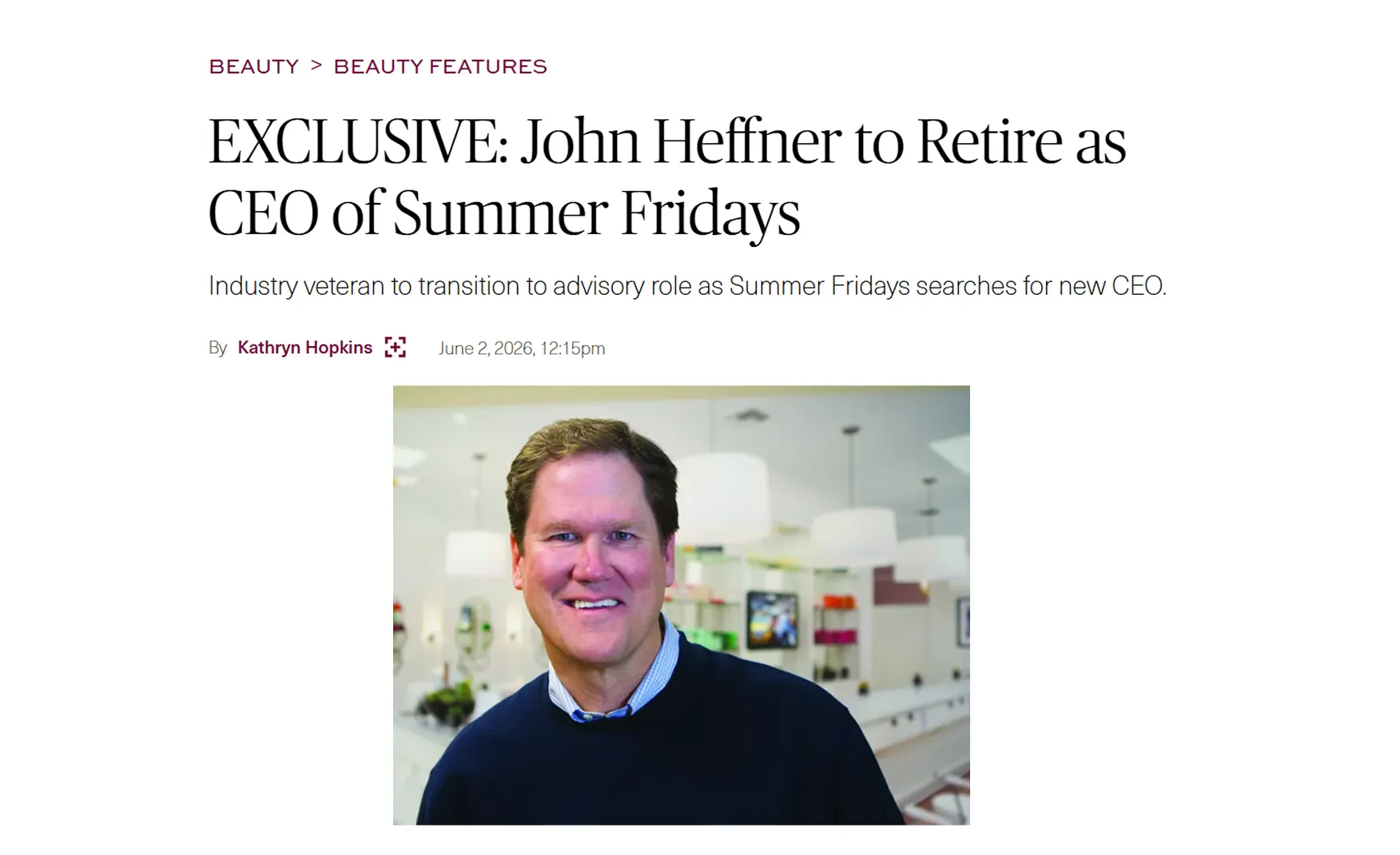
John Heffner, the operator brought in to professionalise the business in 2020, announced his retirement in June 2026 after more than forty years in the industry, with a successor search now under way.

Summer Fridays built its credibility on two specific founders, and now it's searching for new leadership under a majority financial owner, all at the same time. Controlled release, the very quality that built the brand, is usually the first thing to go when growth pressure and a leadership gap hit together. 
4. Its Marketing Mechanic Has Not Kept Pace With the Category ⚠️

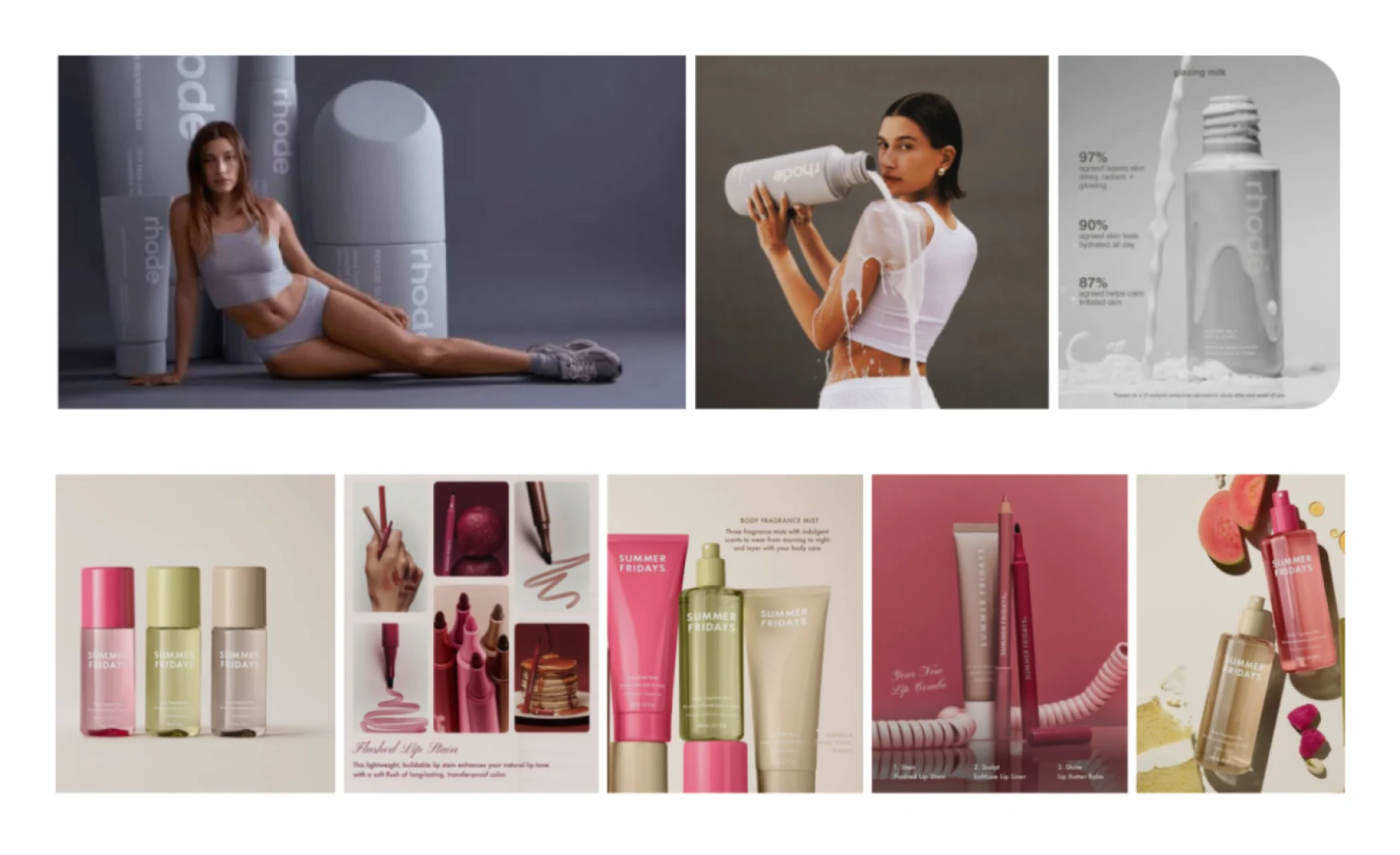
Rhode’s approach to a product drop is a months-long teaser architecture. Mystery carousels and testing panel seeding mean a product is already famous before it can be bought.

Its most recent summer collection paired an eighteen month tease with a multi-city pop-up tour across the US and Europe, drawing a waitlist beyond 700,000, while Summer Fridays has leaned entirely on slow formulation with no matching pre-launch architecture.

Summer Fridays also runs a materially smaller influencer and TikTok programme than its closest rival, Glow Recipe, and its own presence has stayed concentrated on Instagram.

And even there, nothing really stands out. The content is mostly what you'd expect; product shots, launch posts, the occasional UGC repost. The whole feed leans into a coastal, sun and sand aesthetic, consistent, easy on the eye, but not distinctive. 

It's the same warm, beachy mood post after post, and it lands close to the visual territory Rhode already occupies. So Rishabh, the founder of Confetti noticed that consistency is there, but a reason to stop scrolling isn't. 
How Confetti Sees Summer Fridays’ Next Chapter 💡

1. Turn Summer Into a Design System With Rules 📐

The brand’s most valuable asset is an emotional territory that grants entry to almost any category.

The work is to define what a summer Friday actually is in design terms, the light, the colour temperature, the textures, the vocabulary and what is excluded. So every new category launch has to satisfy those rules before it ships regardless of the commercial case.

2. Defend the Hero Instead of Only Launching Past It 🛡️

Dozens of dupes of the top revenue driver is a structural problem that new categories do not solve.

The available answers are physical, a proprietary tube or applicator form, a distinctive dispensing mechanism, a pack architecture registered as trade dress. Since these require capital and tooling lead time that a private label operator will not follow. 

A hero product that can actually be defended is one a brand can keep building on for years. But a product that can't be protected forces the brand to keep launching new things, just to stay a step ahead of everyone copying it. 

3. Build the Pre-Launch Architecture the Brand Has Never Needed 📣

Slow formulation and a slow reveal are two different disciplines. Summer Fridays has only ever practised one of them.

Using the tools, a slow reveal on social media followed by a real world moment, without leaning on the heavy paid influencer spend a majority owner might reach for by default, could give a multi-year formulation process the same anticipation usually reserved for much faster product cycles. 

4. Make the Founders’ Taste Transferable Before It Has To Be 📝

Two people cannot personally carry five categories across many retail partners indefinitely.

The work is to document what these two founders actually reject and why, the standards a formula has to clear, and the tone rules for how the brand speaks. That turns personal taste into something the company actually owns, a set of standards a product team or a new chief executive can execute correctly once Heffner's successor is in place. 

Summer Fridays Verdict and Confetti Rating ⭐

Summer Fridays is the strongest available argument for restraint as a launch strategy. 

Two founders with a large audience and every incentive to monetise it quickly instead spent two years on one formula, launched with a single product. And it reached number one on sephora in two weeks on its way to the highest skincare market share at the retailer.

The next chapter is about whether this discipline survives. The hero product has been copied widely, and fragrance placed the brand in its most crowded category yet. TikTok investment lags a direct rival, and the operator who professionalised the business is now leaving at the same time a majority financial owner holds the equity.

Confetti Rating: ⭐⭐⭐⭐ (4 / 5)

If you are building a skincare and beauty brand and want a launch strategy and packaging system that holds its meaning as you scale, this is exactly the work we do. Get in touch with our team at Confetti.

Want strategic branding and packaging like this for your business?

Book A Call
Share:

Other Brand Audits

Lululemon built its premium on something customers could feel for themselves, not just believe. This audit looks at what's left of that promise now that leggings, stores and leadership are all being tested at once.

Author:
Rishabh Jain

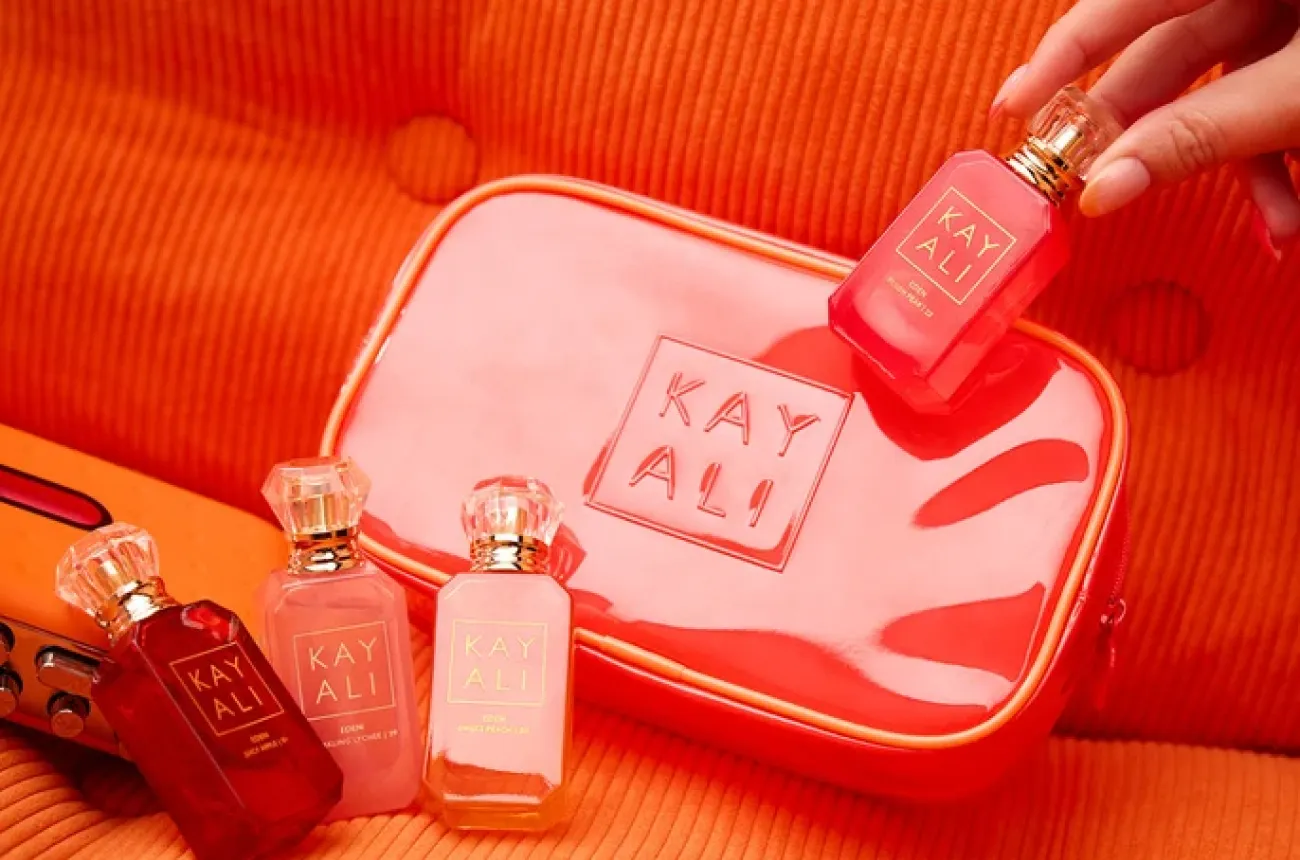
Kayali made a generation start layering perfumes, a real shift, and the brand's whole identity. Now they've carried that idea into body care. But competitors already copied the playbook. The real question is whether Kayali can still own "layering" before it becomes industry wide.

Author:
Rishabh Jain

WishCare's name splits neatly into a promise and a discipline, and the packaging on its shelf does not carry the same idea.

Author:
Rishabh Jain

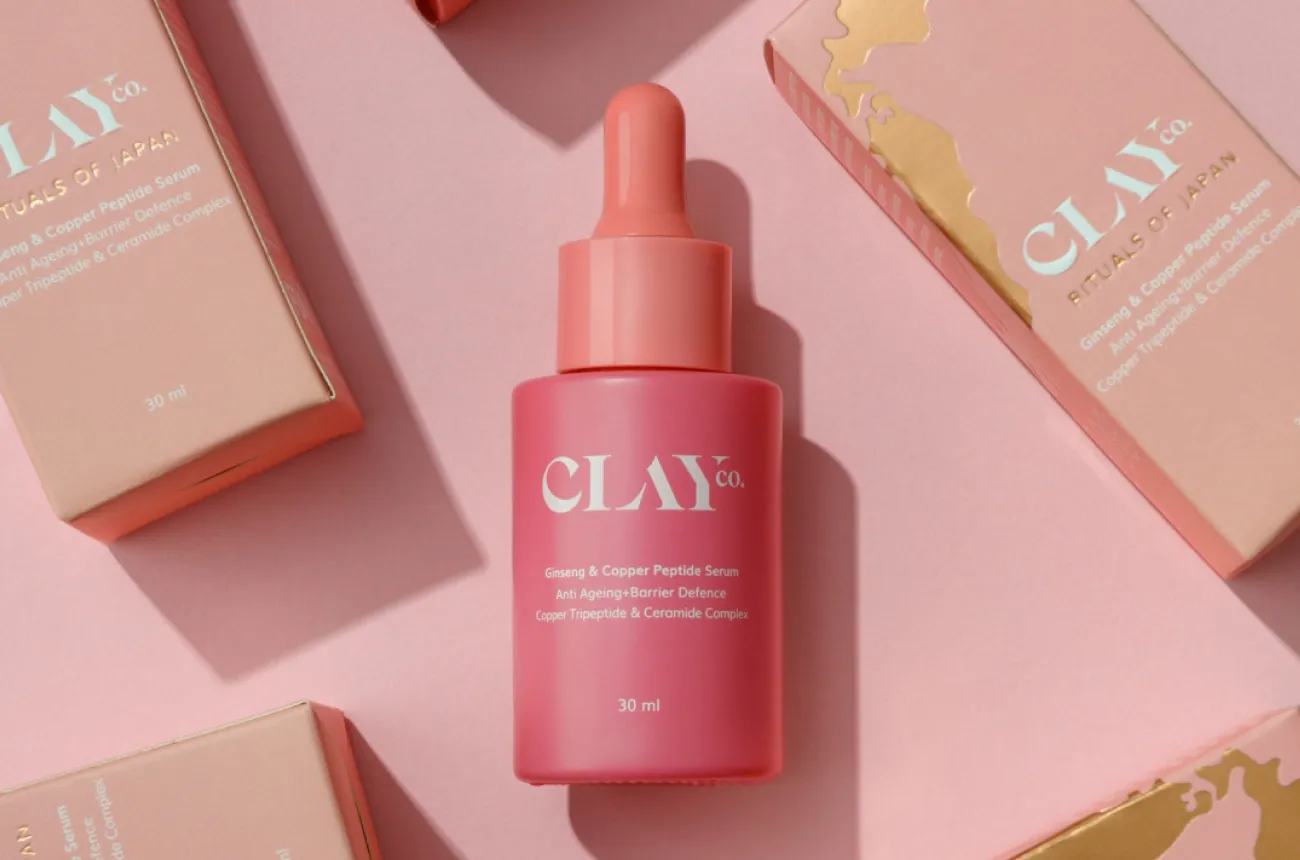
ClayCo designed a platform built to hold every beauty ritual on earth, and three years in, it still only tells Japan’s story, and even that one is slipping.

Author:
Rishabh Jain

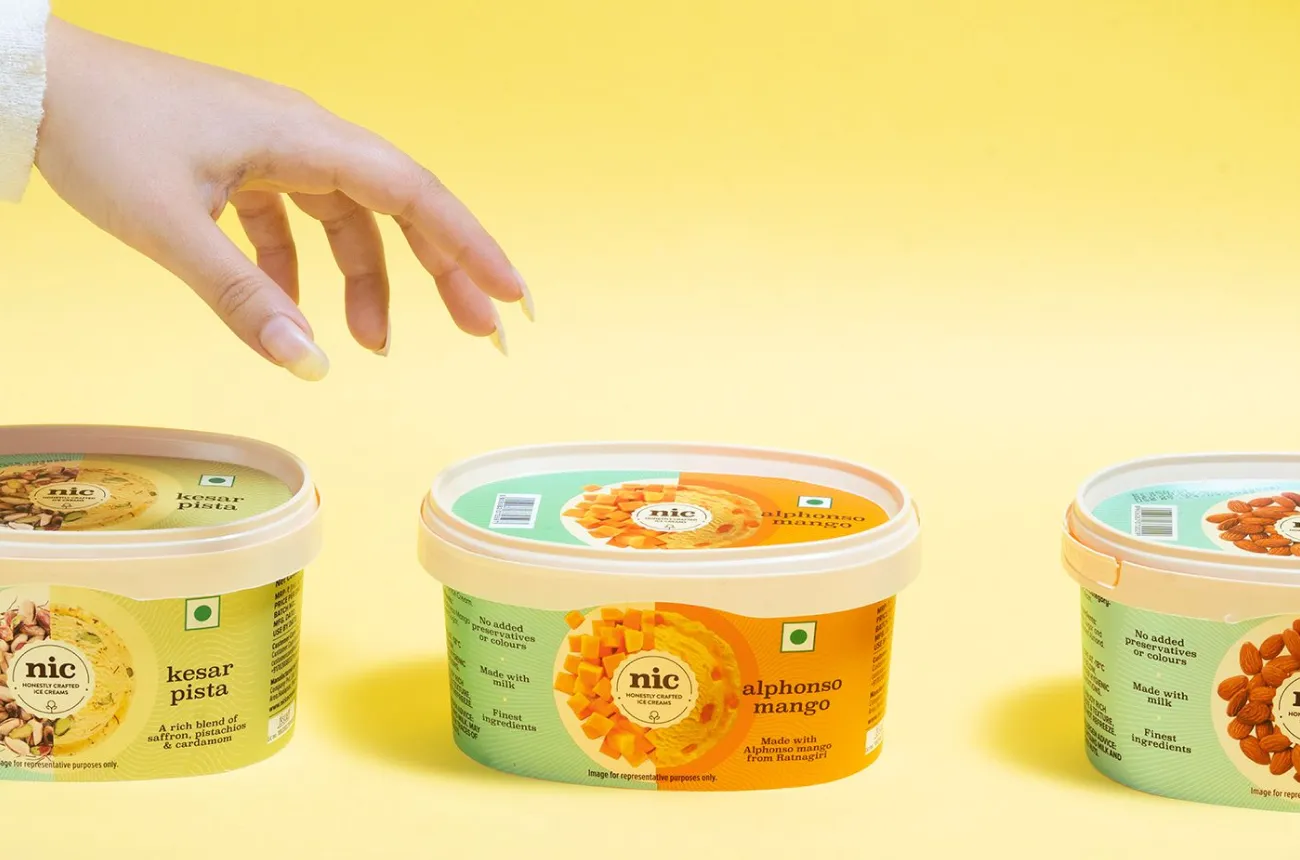
NIC built a well-run house of ice cream brands, and gave its flagship label a name that keeps doing marketing work for a rival called Naturals.

Author:
Rishabh Jain

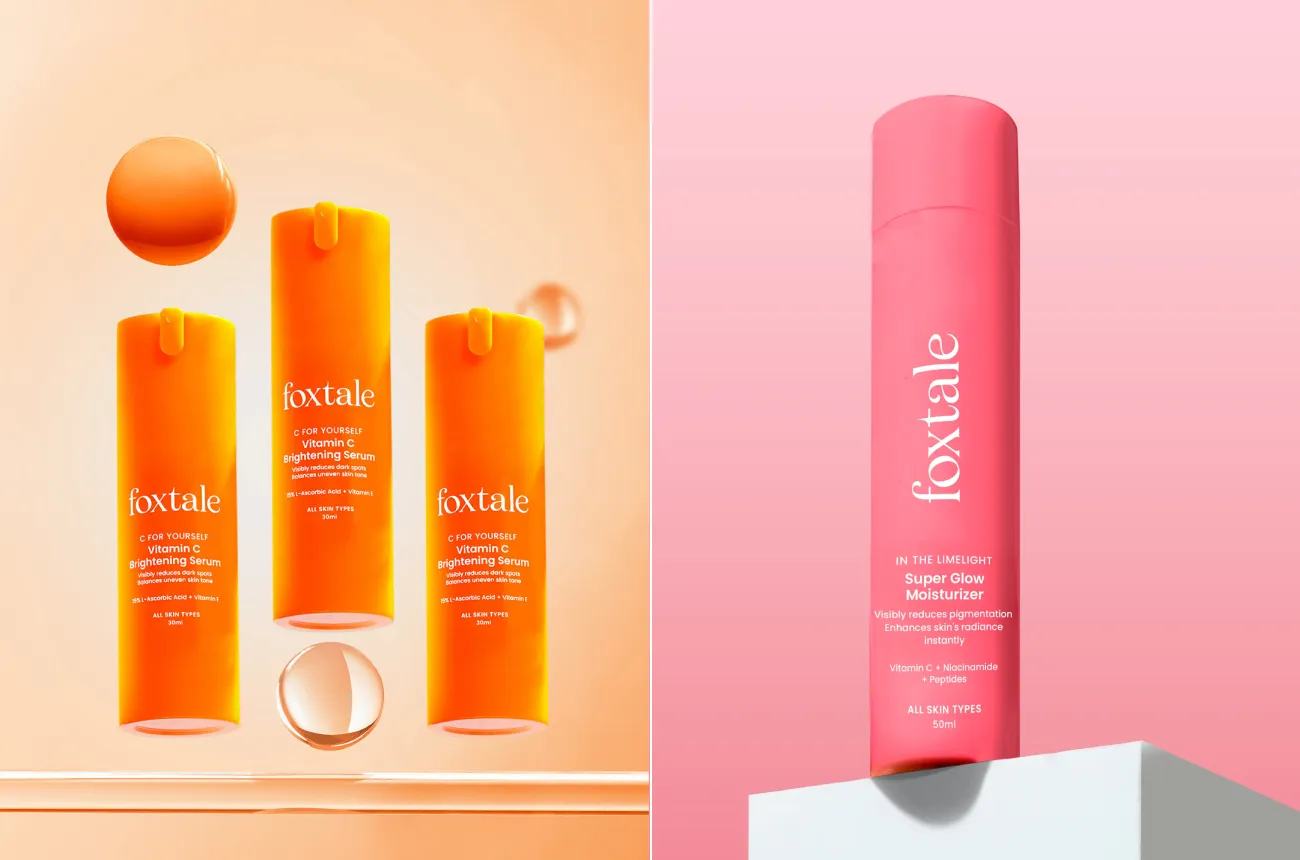
Foxtale is the upcoming skincare brand with colour coded packaging that customers can spot before reading the label, and now has to prove that colour can carry a brand once everyone else copies it.

Author:
Rishabh Jain

Rhode built a billion dollar exit on three products and one food led idea, and sold it for $10M in e.l.f Beauty in just 11 days.

Author:
Rishabh Jain

How Kimirica turned five-star hotel amenities into a bootstrapped Rs 300 crore vegan luxury bath and gifting brand.

Author:
Rishabh Jain

How BlissClub built India's most talked-about women's activewear brand from a WhatsApp community, and why profitability is now the harder game.

Author:
Rishabh Jain

How Inde Wild became the first homegrown Indian brand to sell out at Sephora US through founder-led branding and a modern take on Ayurveda.

Author:
Rishabh Jain

How Zouk built a Proudly Indian, PETA-approved bag brand by turning Indian handicraft into modern everyday carry, and why becoming iconic is the next design problem.

Author:
Rishabh Jain

How Hyphen used Kriti Sanon as a co-founder rather than a mascot to build a skincare brand in two years, and why credibility is now its real battle.

Author:
Rishabh Jain

How Needledust turned the traditional jutti into a luxury, celebrity-worn shoe, and why growing beyond the occasion is its next design problem.

Author:
Rishabh Jain

How Dancing Cow turned animal rescue into an alt-dairy brand, and why its two names now compete for the same shelf.

Author:
Rishabh Jain

How Slurrp Farm made millets a children's food category through design-led packaging and a parent community it built itself.

Author:
Rishabh Jain

How Soulflower turned two decades of aromatherapy expertise into India's best-selling online hair oil, and why coherence is now its design challenge.

Author:
Rishabh Jain

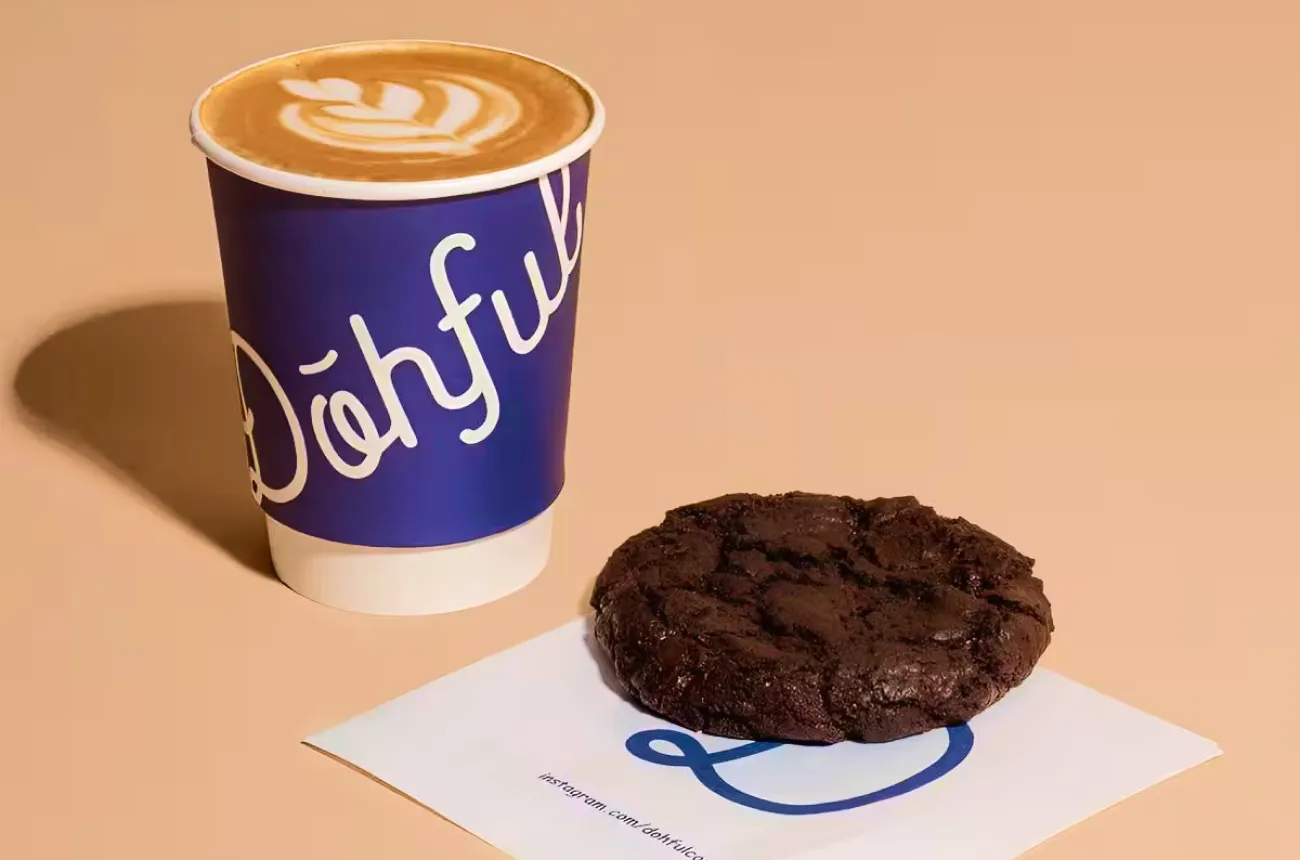
How Dohful turned soft-baked cookies and a candid founder newsletter into India's most intimate D2C brand, and why its offline pivot is the real test.

Author:
Rishabh Jain

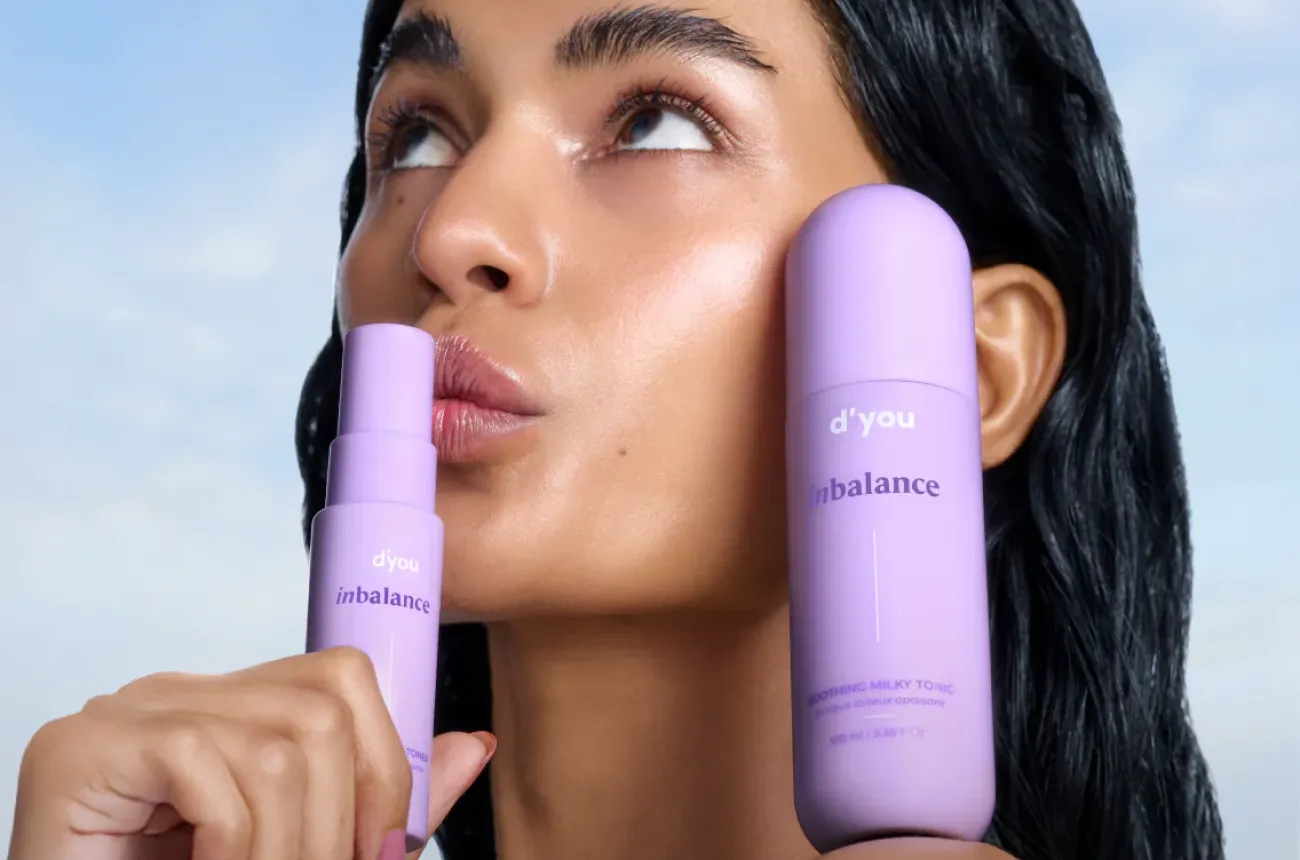
How d'you turned a single 11-active serum into a bootstrapped, profitable cult skincare brand by making the formula the whole brand.

Author:
Rishabh Jain

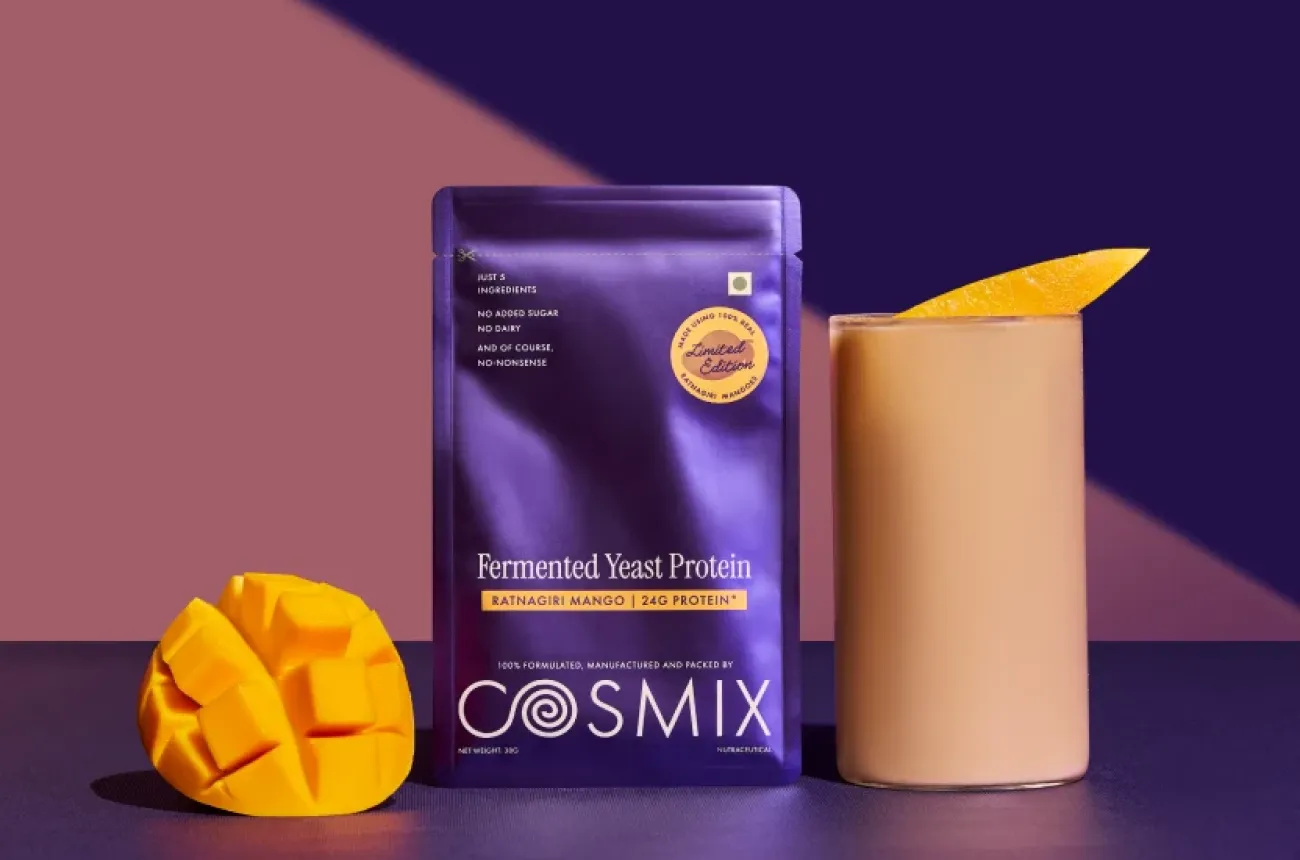
Cosmix built one of India's cleanest supplement brands through root-cause formulation and founder-led education, and earned a Marico buyout doing it.

Author:
Rishabh Jain

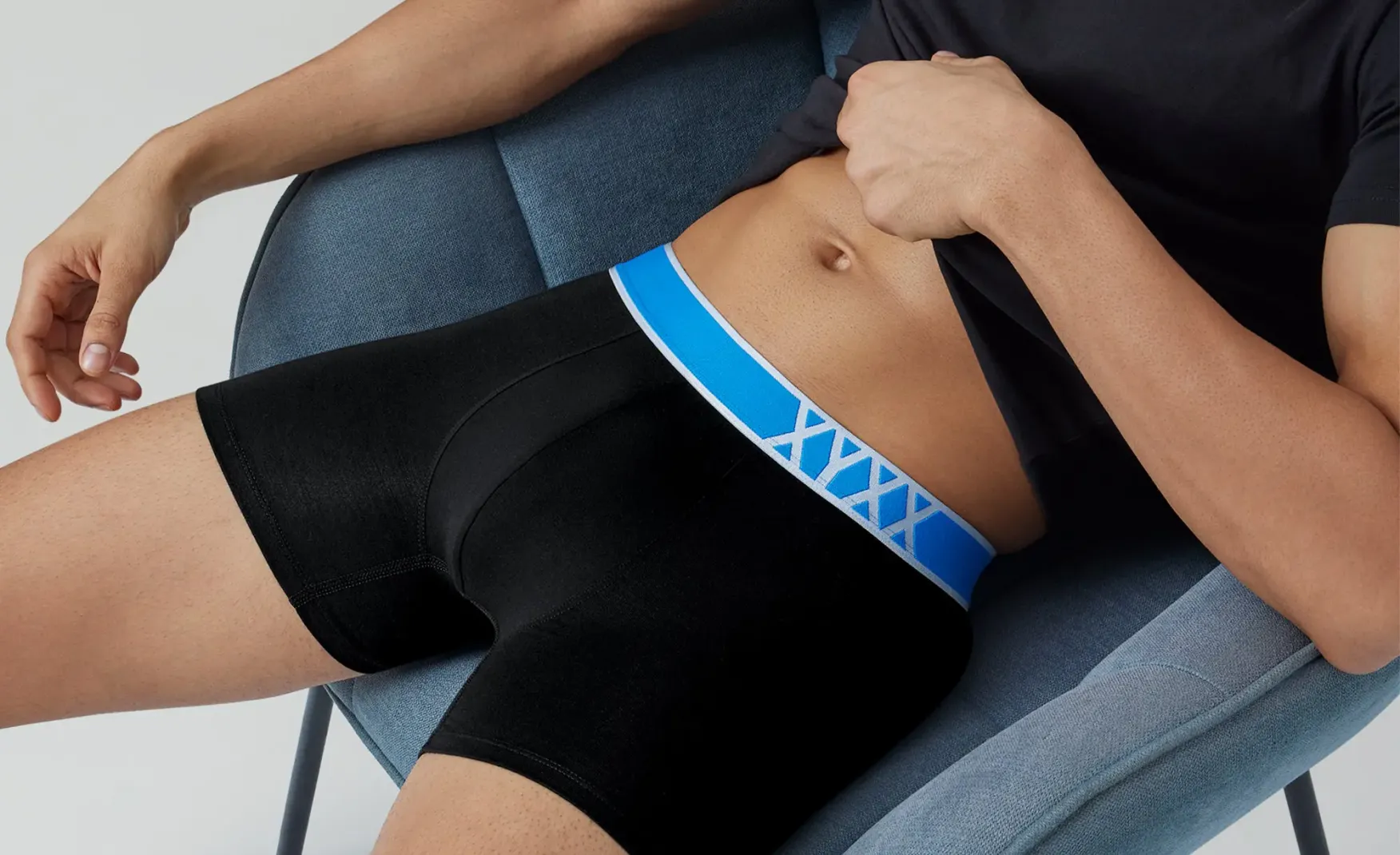
XYXX has cracked distribution in a way almost no premium Indian menswear brand has, but that same reach is now the thing putting its premium identity at risk.

Author:
Rishabh Jain

Bombay Shirt Company built a genuine zero inventory business on the promise that a shirt made for you fits better than one made for everyone, and now it has to prove that promise still holds across 40 stores.

Author:
Rishabh Jain

Palmonas turned a Bollywood actor into an equity holding co-founder and rode that bet to 40x revenue growth, but the brand behind the face still looks like every other demi-fine label on the shelf.

Author:
Rishabh Jain

India built the luxury Ayurveda category around Kama, and the brand is now watching a rival it once matched get bought outright by a global beauty giant.

Author:
Rishabh Jain

How Plix grew to Rs 436 crore by solving a format problem before a formulation problem, built a browse-by-plant experience no competitor has matched.

Author:
Rishabh Jain

How Benne built a Rs 350 crore brand story from a 12-seater dosa café in Bandra by picking one product, doing it obsessively well, and letting the queues tell the rest of the story.

Author:
Rishabh Jain

How Bummer built the first genuine personality in Indian innerwear, survived Ashneer Grover's "doglapan" moment on national television, and still has the most important question in front of it: how does a brand this loved become a business this large?

Author:
Rishabh Jain

How Nicobar built India's most disciplined lifestyle brand by refusing to raise capital, discount, or borrow a design language from anywhere else, and why it has become the quiet reference point for an entire generation of Indian founders.

Author:
Rishabh Jain

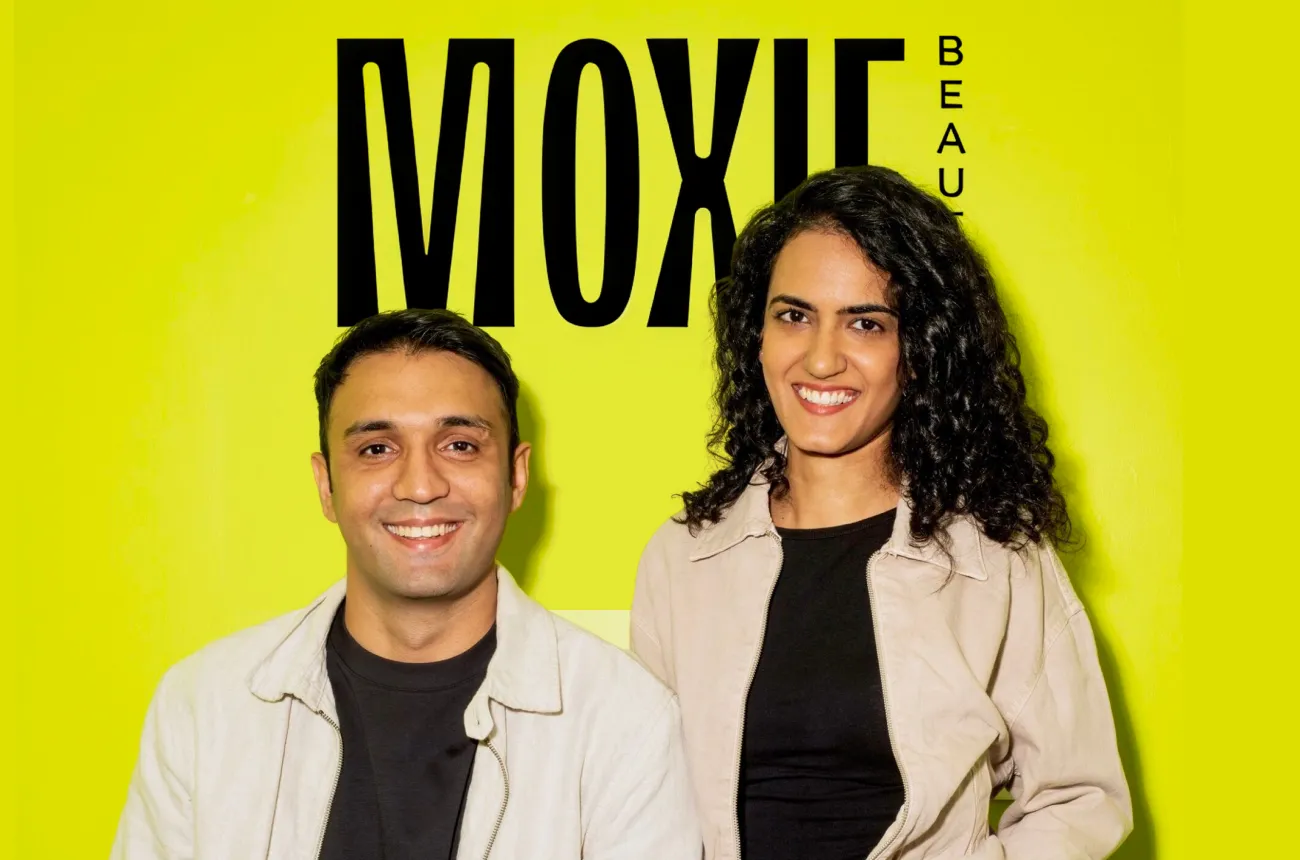
How Moxie Beauty told Indian women with curly and wavy hair something the global haircare industry had never bothered to say: it was never your hair, it was always the product.

Author:
Rishabh Jain

How Forest Essentials turned ancient Indian Ayurveda into a Rs 585 crore global luxury brand, and why the full Estée Lauder acquisition announced in March 2026 is the most consequential moment in its 25-year history.

Author:
Rishabh Jain

How Sleepy Cat built India's most coherent sleep brand by doing the one thing its better-funded rivals forgot: staying obsessively focused on sleep, and nothing else.

Author:
Rishabh Jain

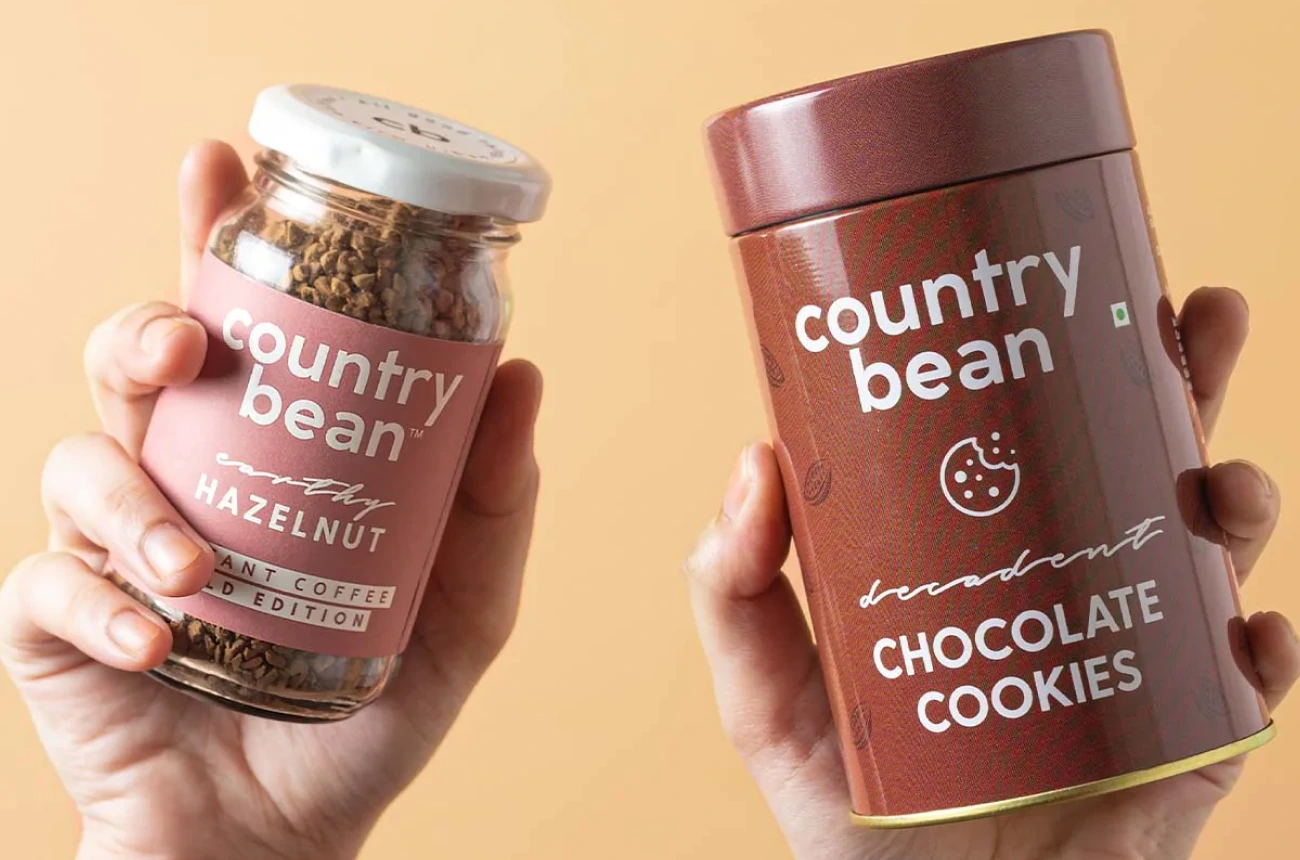
How Country Bean made flavoured coffee India's softest entry into specialty before anyone else thought the market was ready, and why the brand that opened the category needs a next act before the market moves fully past it.

Author:
Rishabh Jain

How Nuuk is filling the gap between Dyson and cheap imports with design-first home appliances built for modern Indian homes, and why the brand identity now needs to move as fast as the product has.

Author:
Rishabh Jain

How Poppi turned colour, a founding story, and a TikTok community into a USD 1.95B acquisition by PepsiCo and why its biggest design challenge now has nothing to do with the can.

Author:
Rishabh Jain

How ZYN used design precision and sport sponsorship to make nicotine feel like a premium lifestyle choice, and what that reveals about the power and limits of branding.

Author:
Rishabh Jain

How OLIPOP made gut health fun instead of clinical, built a USD 1.85B brand that turned down acquisitions from both Coke and Pepsi, and became the last serious independent in a category that consolidated around it.

Author:
Rishabh Jain

How Gully Labs made Indian streets the design brief, built a Noida factory before most investors believed in it, and raised Rs 35 crore to prove the category is real.

Author:
Rishabh Jain

How NOTO spotted India's guilt-free ice cream opportunity before anyone else, earned 87 investors across eight rounds, and why the packaging and portfolio focus need to catch up with the founding insight before the competition does.

Author:
Rishabh Jain

How Bluorng proved that Indian streetwear does not need a Western reference point to command Rs 20,000 for a sweatshirt, and what it means for every brand building in a category that did not exist before they arrived.

Author:
Rishabh Jain

How Cumin Co consolidated India's scattered cookware market with patented technology and design so good that people ask where to buy it, and why the brand building work is what comes next.

Author:
Rishabh Jain

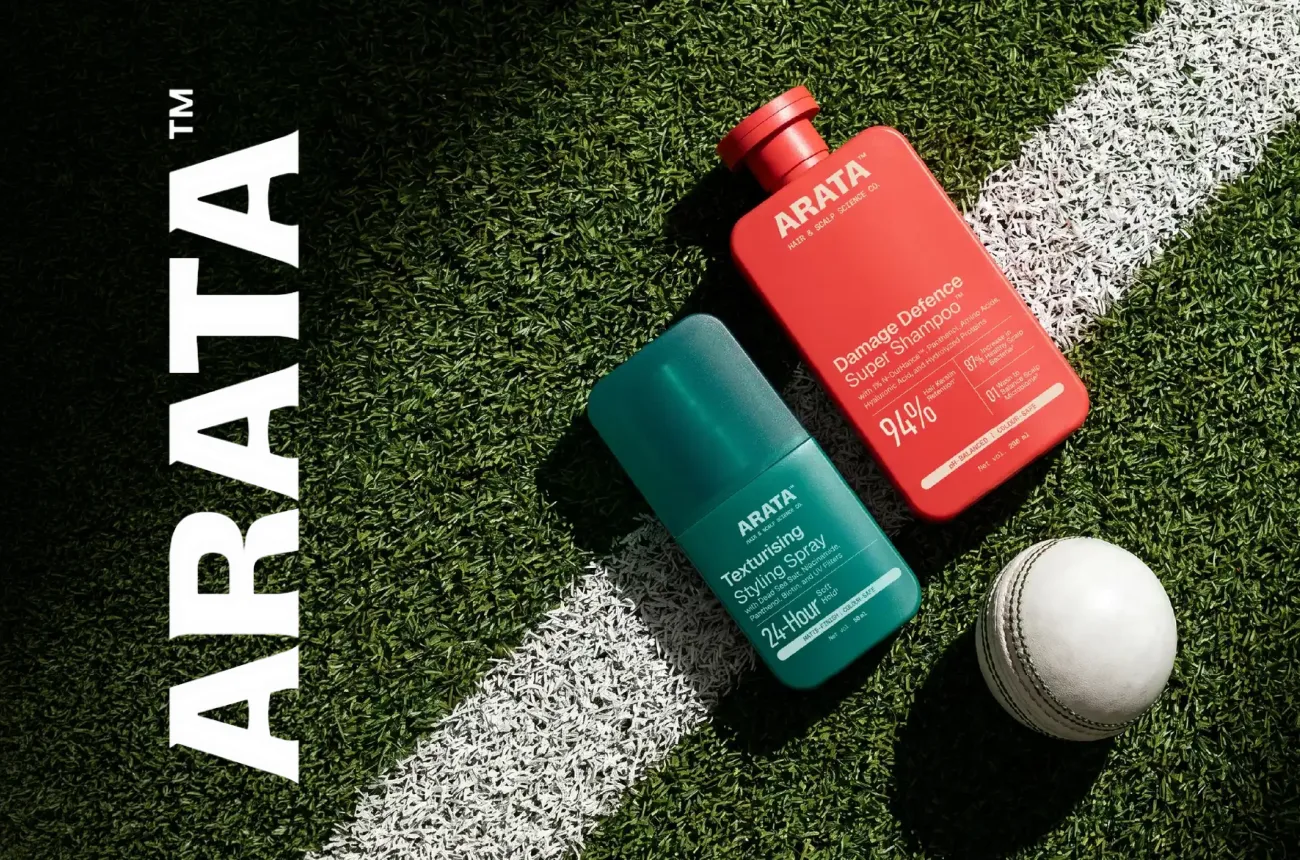
How Arata built a 1.5 million customer haircare business on product quality and quick commerce reach alone, and why both Unilever and L'Oréal invested in it.

Author:
Rishabh Jain

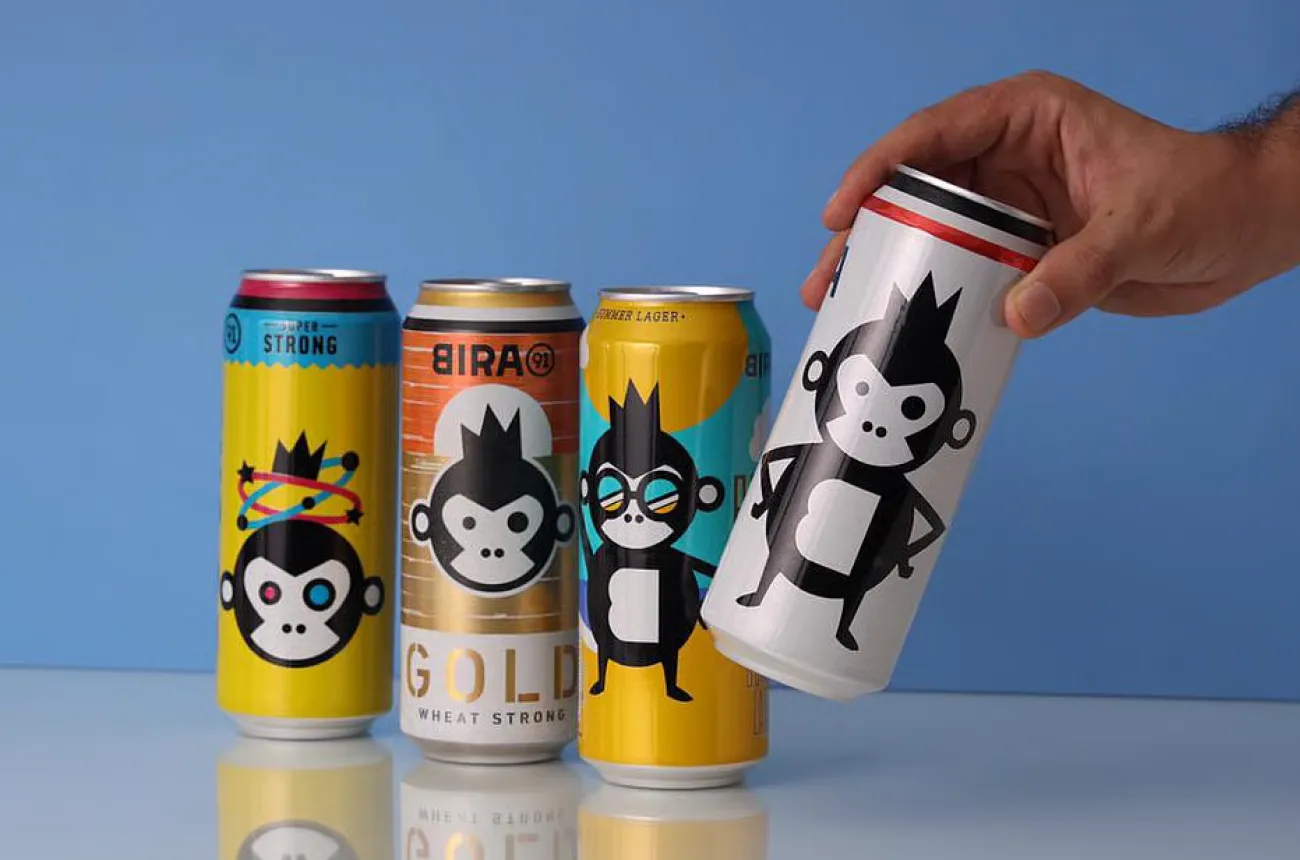
How Bira91 created India's craft beer category, became the default drink of a generation, and why the brand's cultural achievement and the business's financial crisis are two entirely separate stories.

Author:
Rishabh Jain

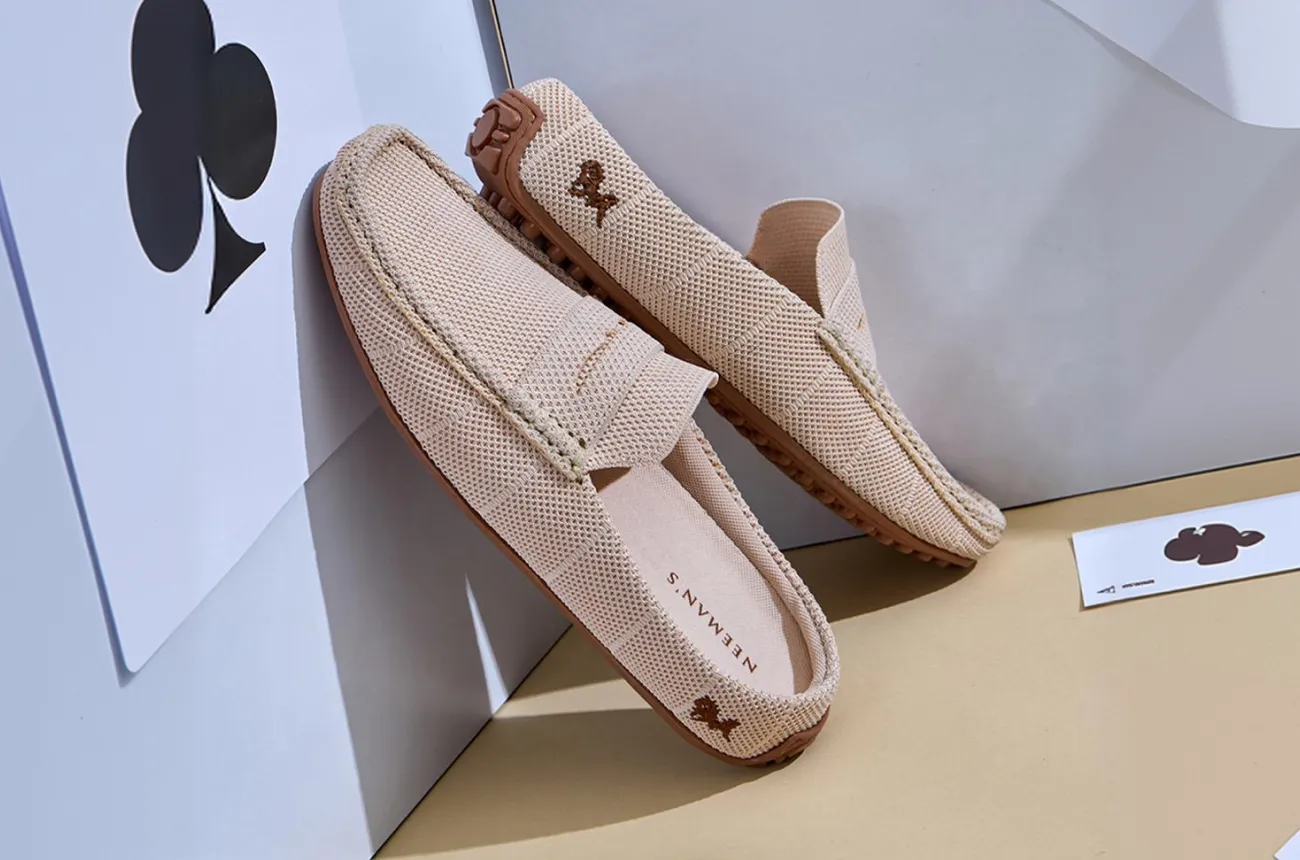
How Neeman's democratised sustainable footwear for India rather than premium-ising it, and why the brand identity has not yet caught up with the product's ambition.

Author:
Rishabh Jain
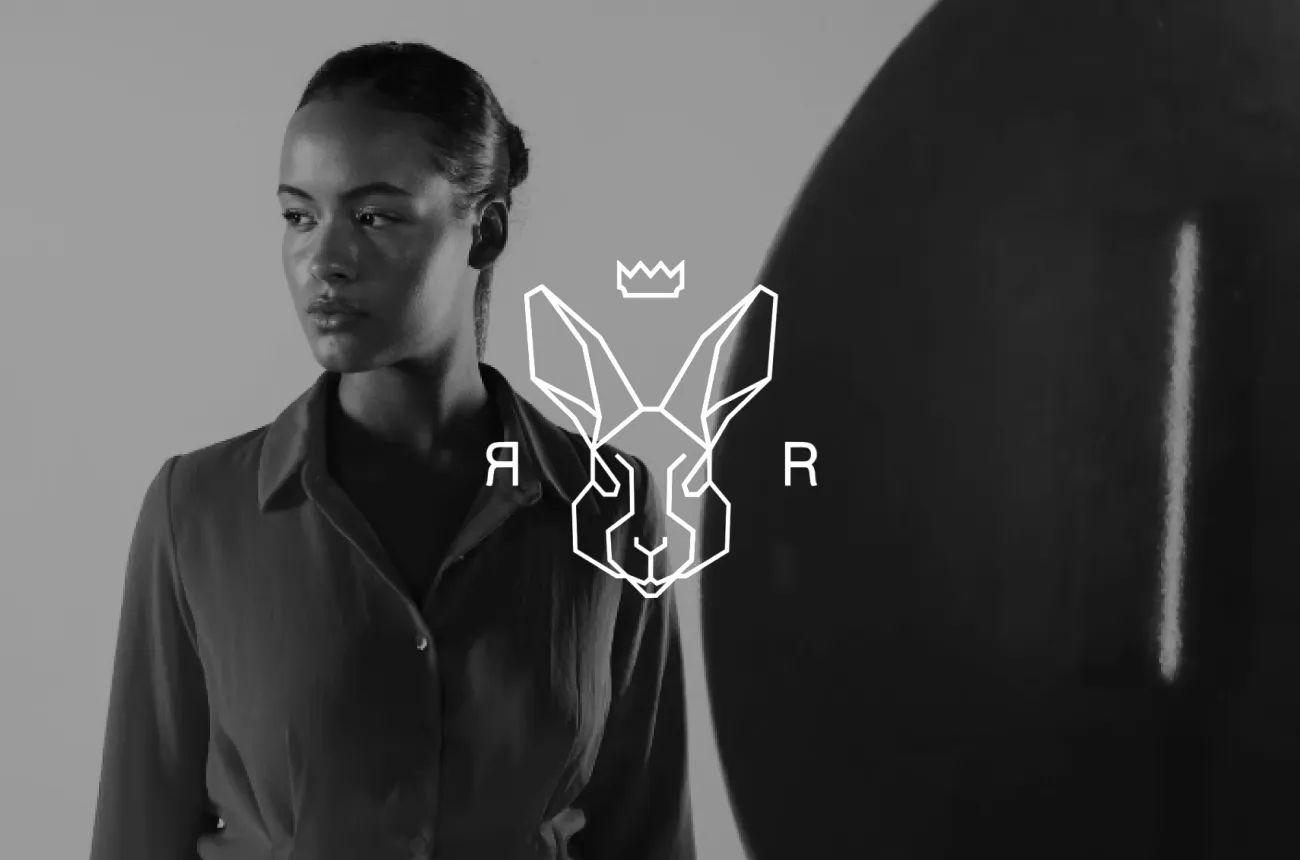
Rare Rabbit Brand Audit By Confetti Design Studio

How Rare Rabbit built India's most commercially serious premium fashion brand on product restraint, a tier 2-3 city strategy nobody talked about, and a monogram that does more brand work than any billboard could.

Author:
Rishabh Jain

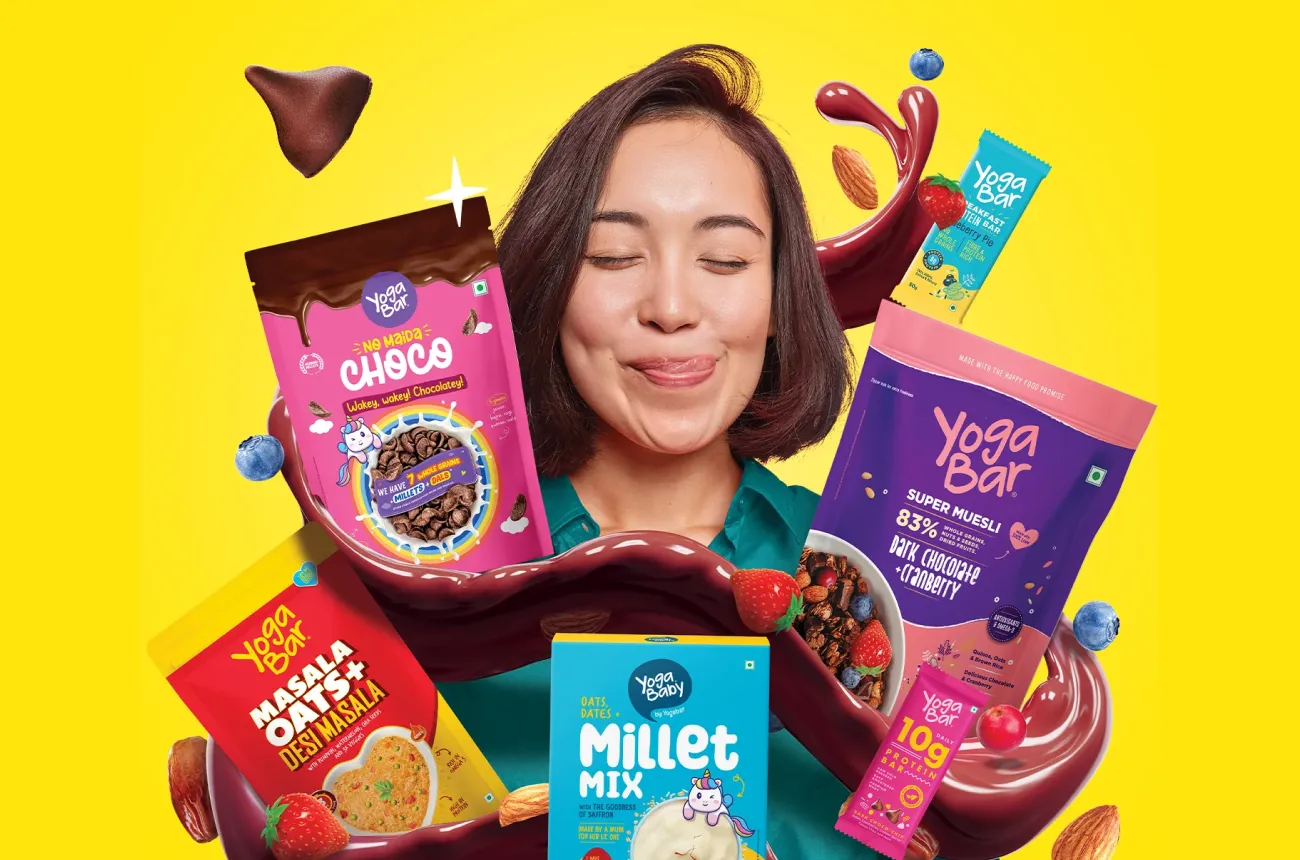
How Yogabar built a decade of consumer trust on ingredient honesty, scaled to Rs 201 crore through ITC's distribution reach, and now faces its most important brand question yet.

Author:
Rishabh Jain

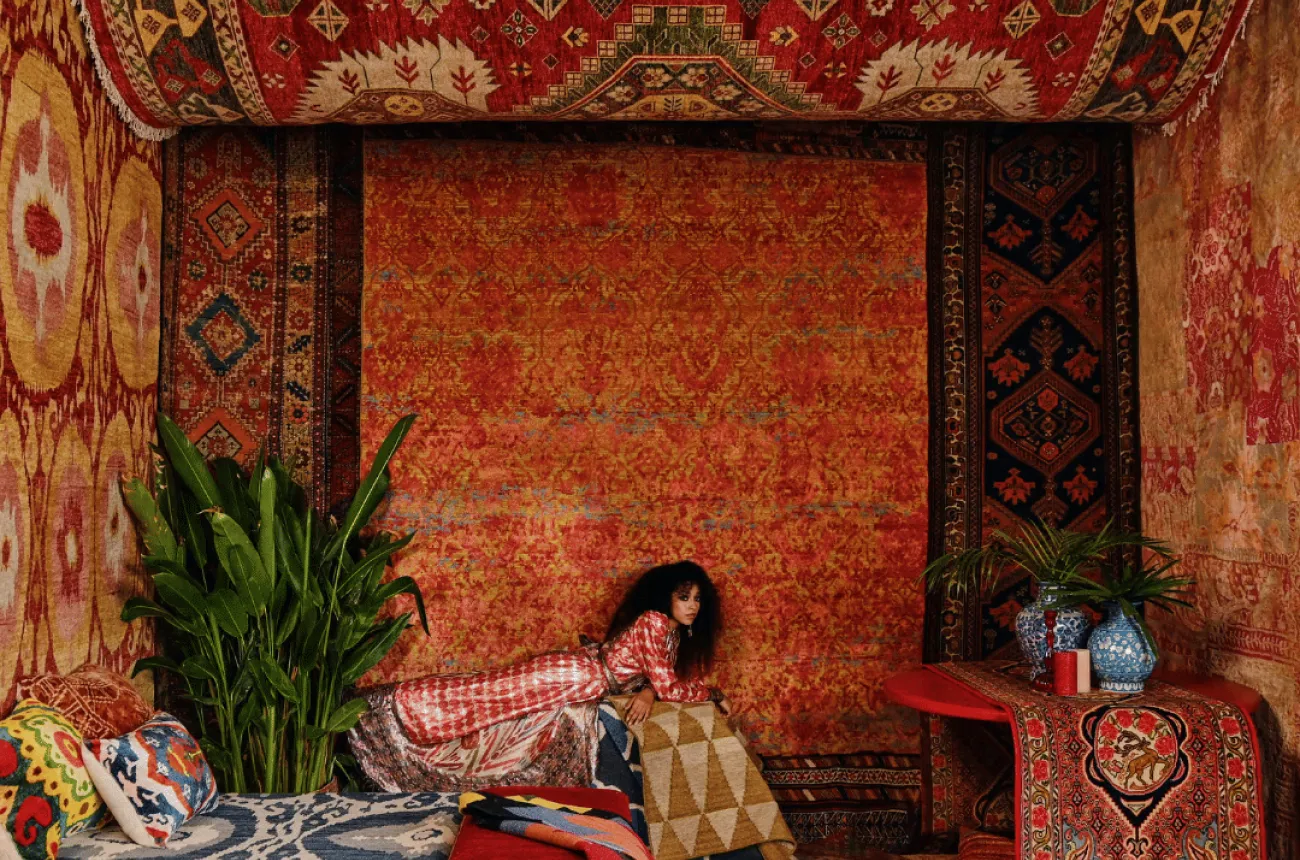
How Jaipur Rugs built the most powerful Indian luxury story in the world through 40,000 artisans, Paris Fashion Week, and a founder who started with a Rs 5,000 loan.

Author:
Rishabh Jain

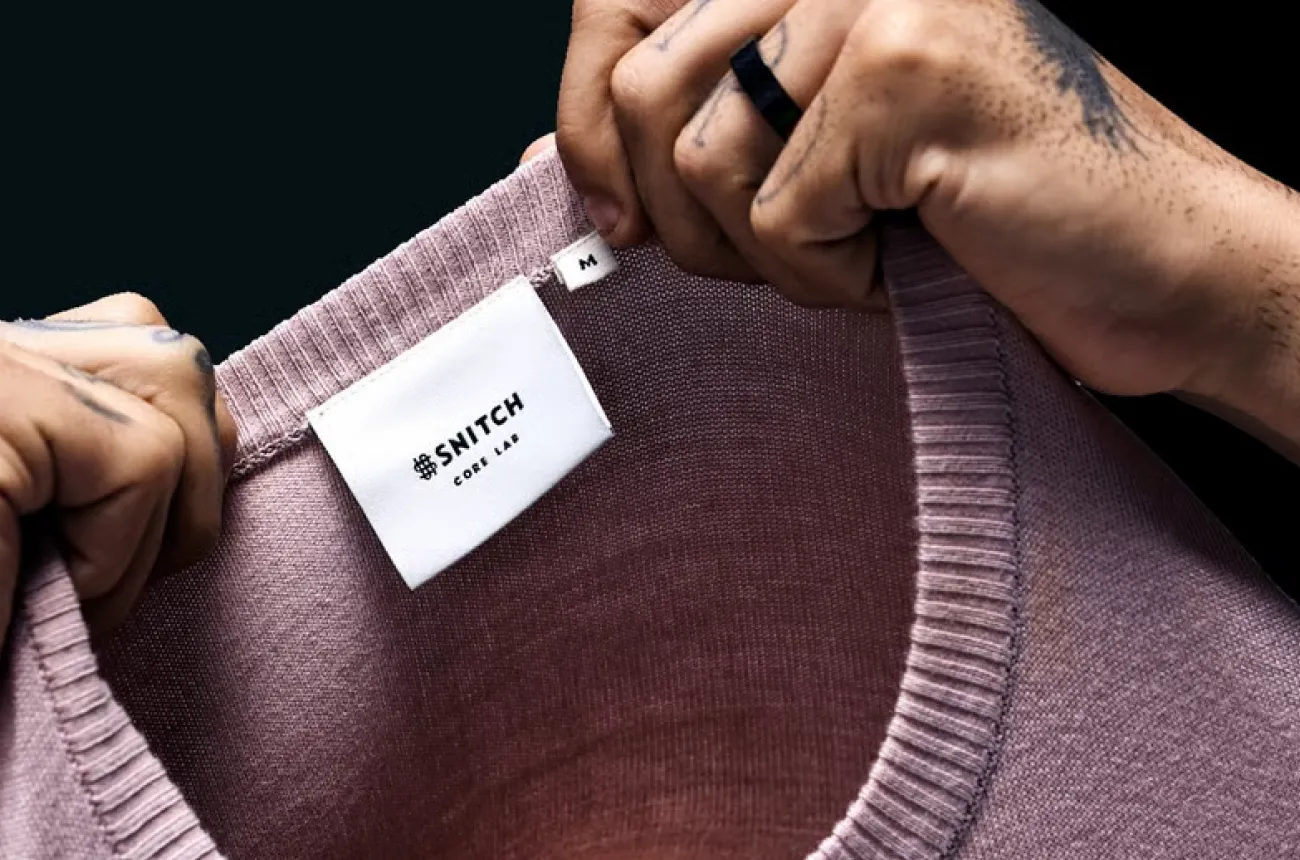
How Snitch went from Rs 11 crore to Rs 900 crore in five years by building the fastest trend pipeline in Indian menswear, and why the next Rs 900 crore requires something the machine cannot produce by itself.

Author:
Rishabh Jain

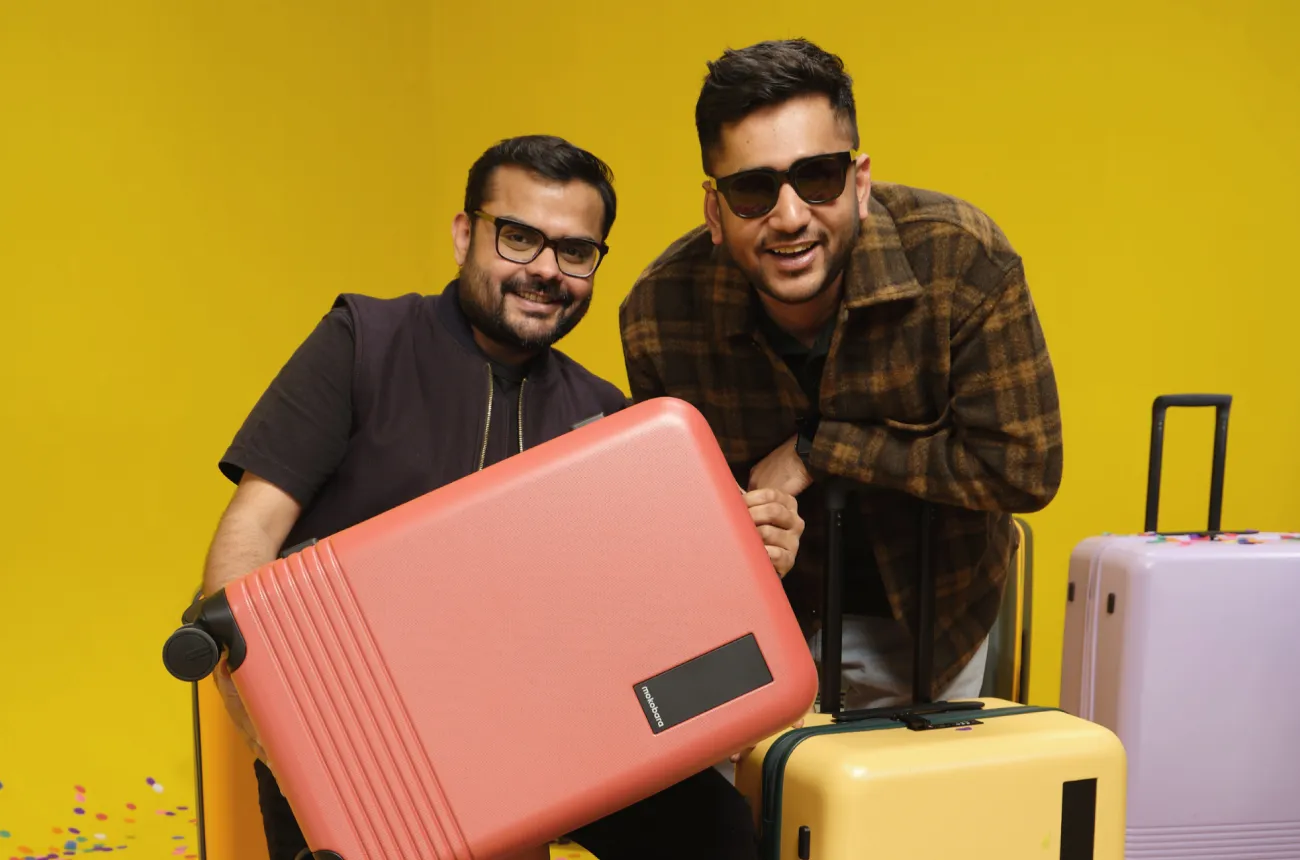
Mokobara made Indian luggage worth wanting. Whether it can hold its ground as the scrutiny grows is the next design problem to solve.

Author:
Rishabh Jain

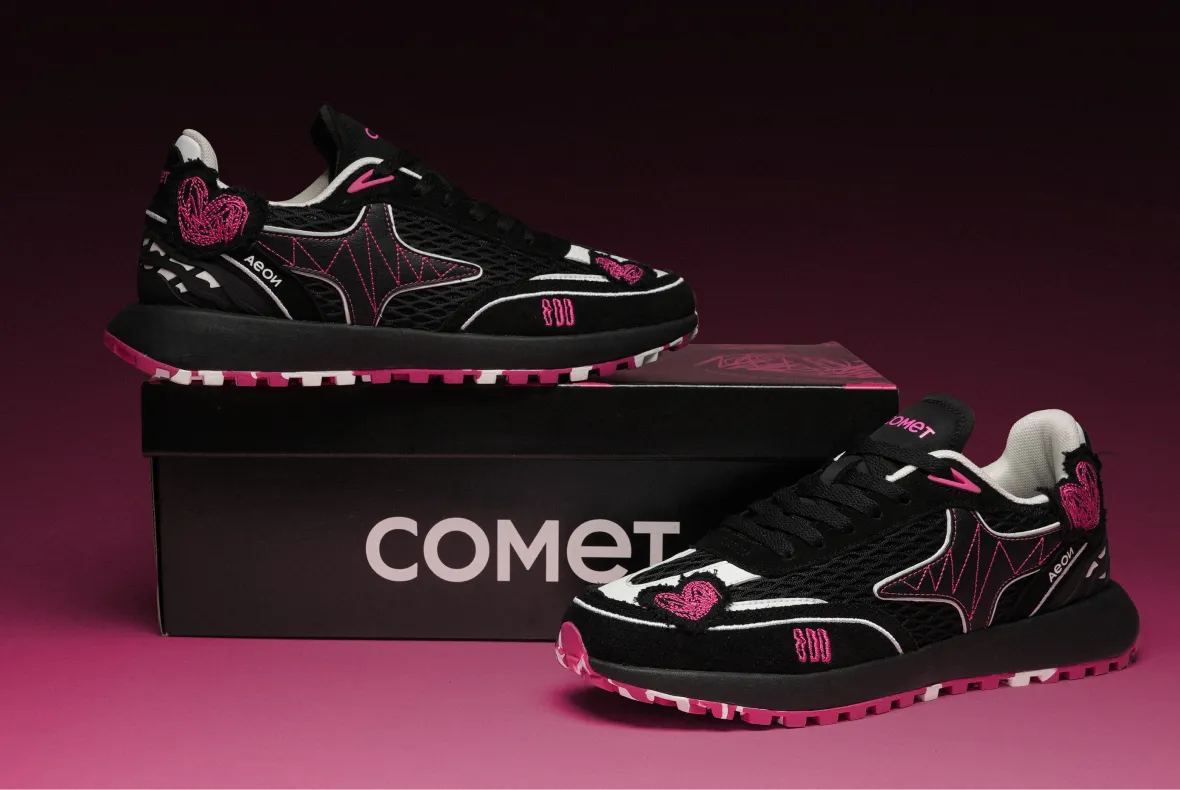
How the Comet sneakers brand is building hype in India through iconic design, limited drops and streetwear culture.

Author:
Rishabh Jain

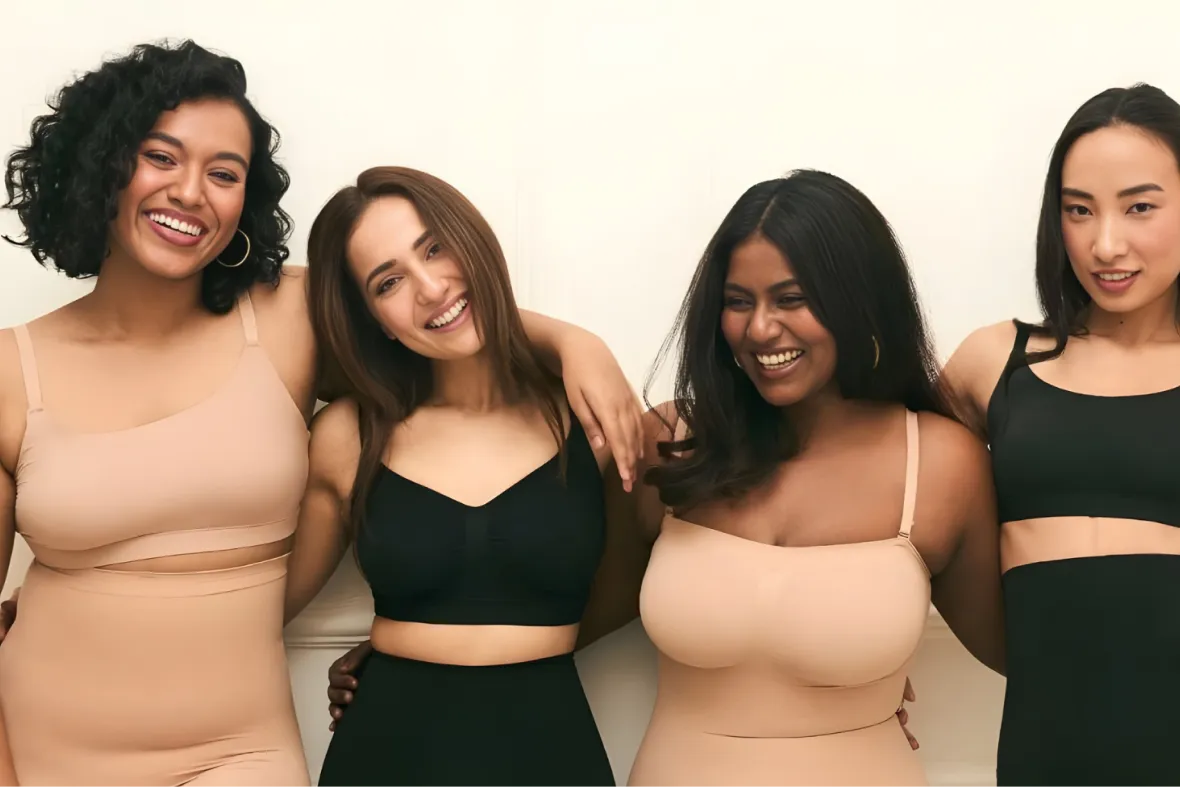
How UnderNeat is normalising shapewear in India through influencer-led branding, real women, and category-first storytelling.

Author:
Rishabh Jain

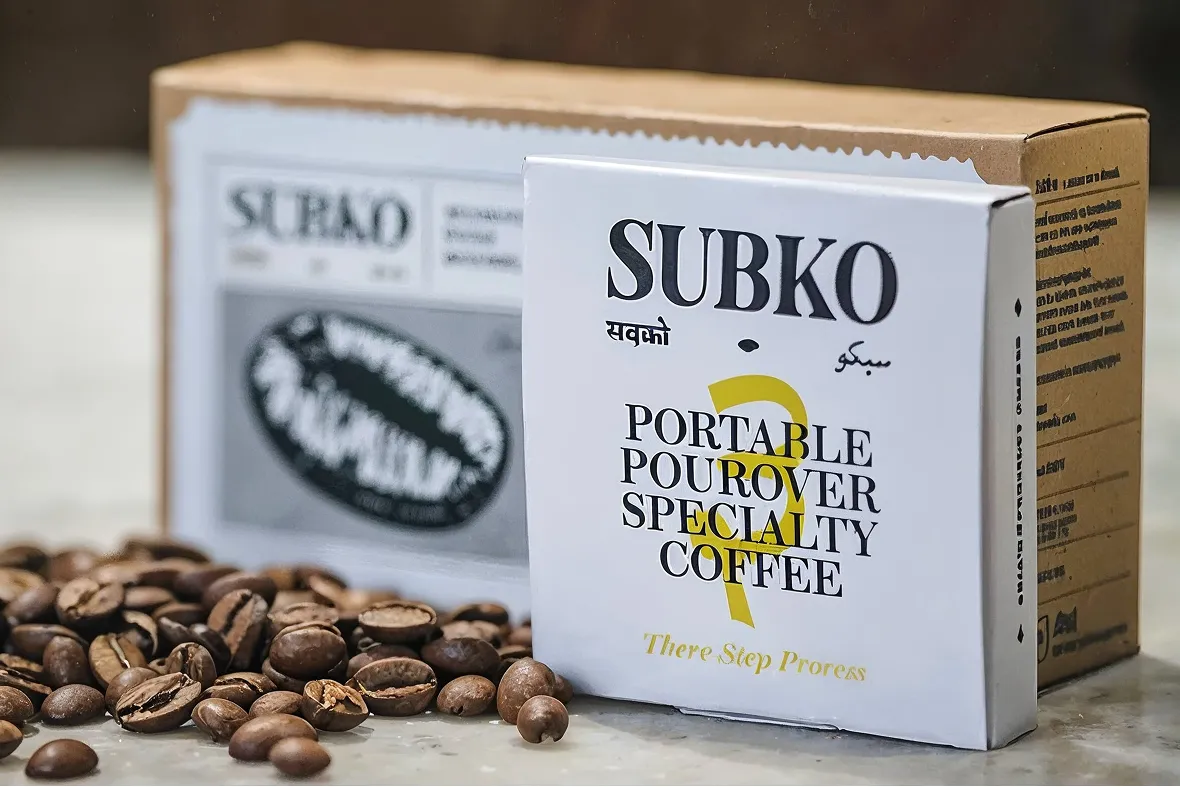
How Subko turned specialty coffee into a South Asian cultural movement: a Confetti brand audit.

Author:
Rishabh Jain

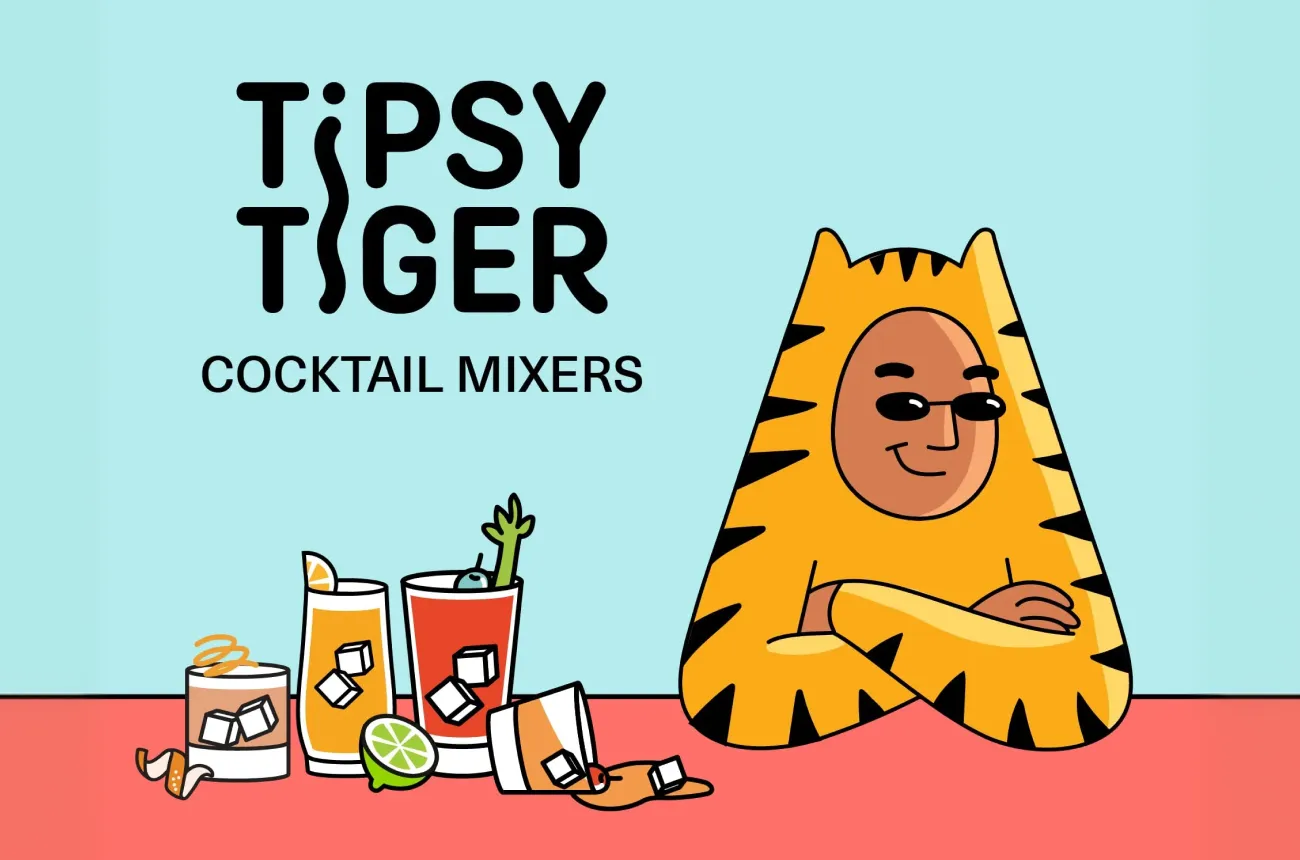
How Tipsy Tiger built a cocktail mixer brand with more personality than most funded competitors, and what it needs to do to translate that identity into breakout commercial scale.

Author:
Rishabh Jain

4700BC turned a commodity snack into a gourmet category, attracted PVR INOX and then Marico, and built the most disciplined brand identity in Indian premium snacking.

Author:
Rishabh Jain

Bold Care turned one of India's most stigmatised categories into a Rs 100 crore conversation. The next chapter is about proving the brand can convert attention into sustainable profit.

Author:
Rishabh Jain

Bombay Shaving Company scaled faster than most Indian D2C brands ever will. The question now is whether the brand system can catch up with the ambition.

Author:
Rishabh Jain

How The Good Bug made gut health feel like a lifestyle choice rather than a medical prescription, and why brand consistency is now the most important product it needs to build.

Author:
Rishabh Jain

How Vahdam built a globally scaled Indian tea brand by controlling the supply chain from plantation to doorstep, without losing what makes it Indian.

Author:
Rishabh Jain

How Plum turns simplicity and functional design into a skincare staple, and what it takes to go from dependable to iconic.

Author:
Rishabh Jain

How Keventers blends a century of legacy with contemporary design to stay timelessly relevant in India's crowded indulgence category.

Author:
Rishabh Jain

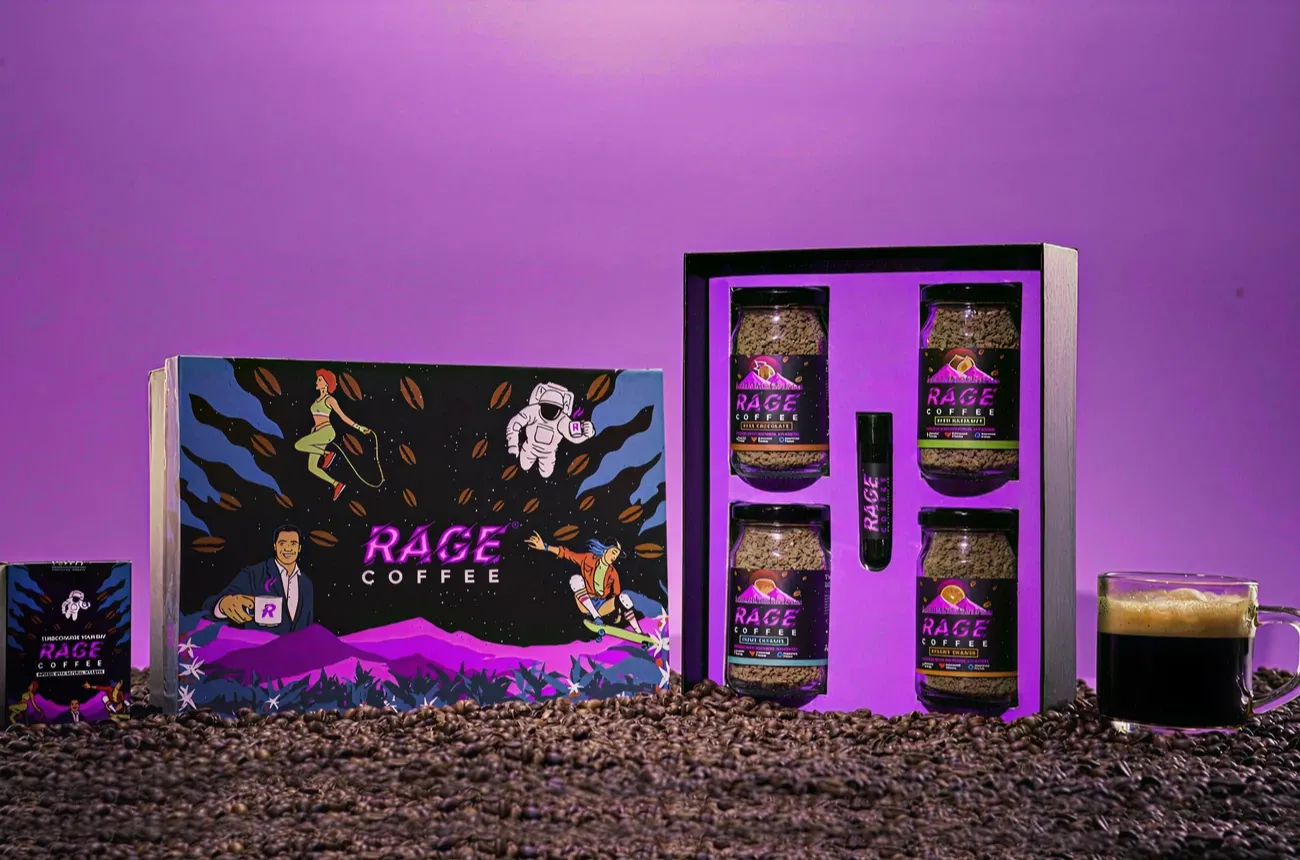
A closer look at how bold naming and visual cues turn coffee into an adrenaline experience, and why Rage Coffee has not fully committed to the promise its name makes

Author:
Rishabh Jain

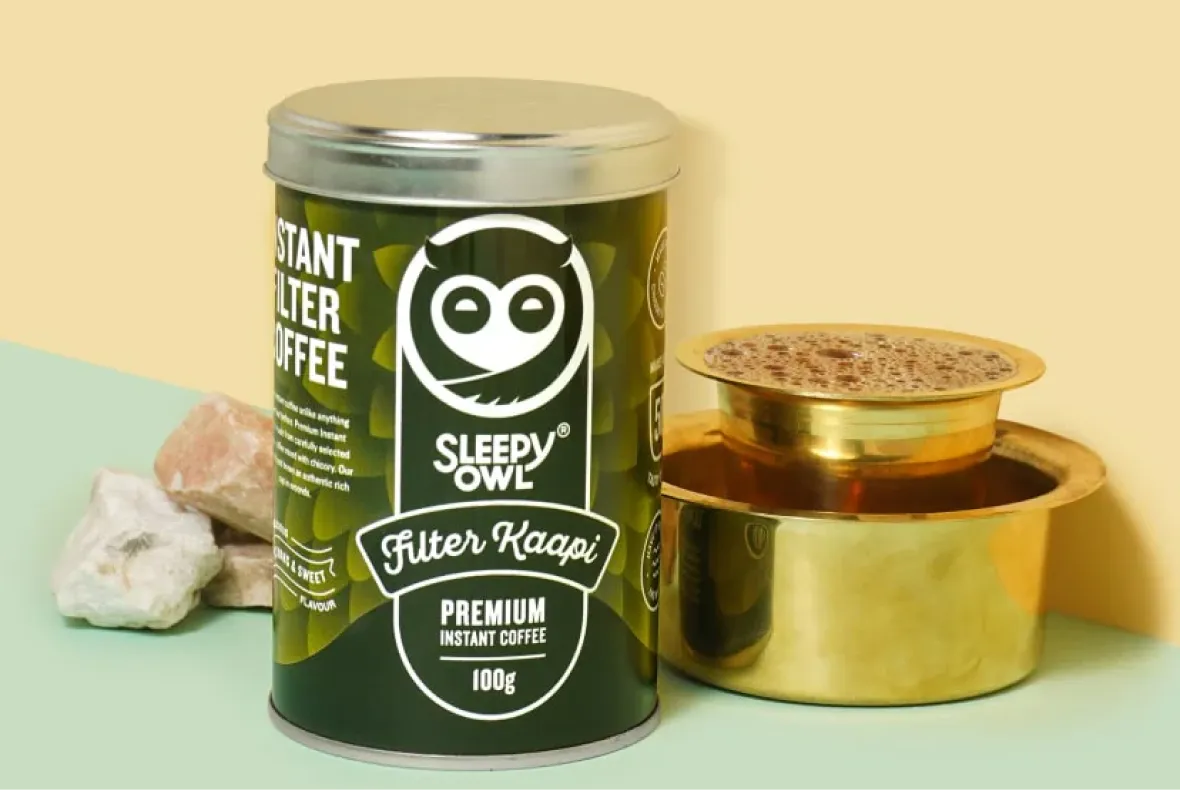
How Sleepy Owl made cold brew a habit for urban India, and why staying interesting is now the harder challenge.

Author:
Rishabh Jain

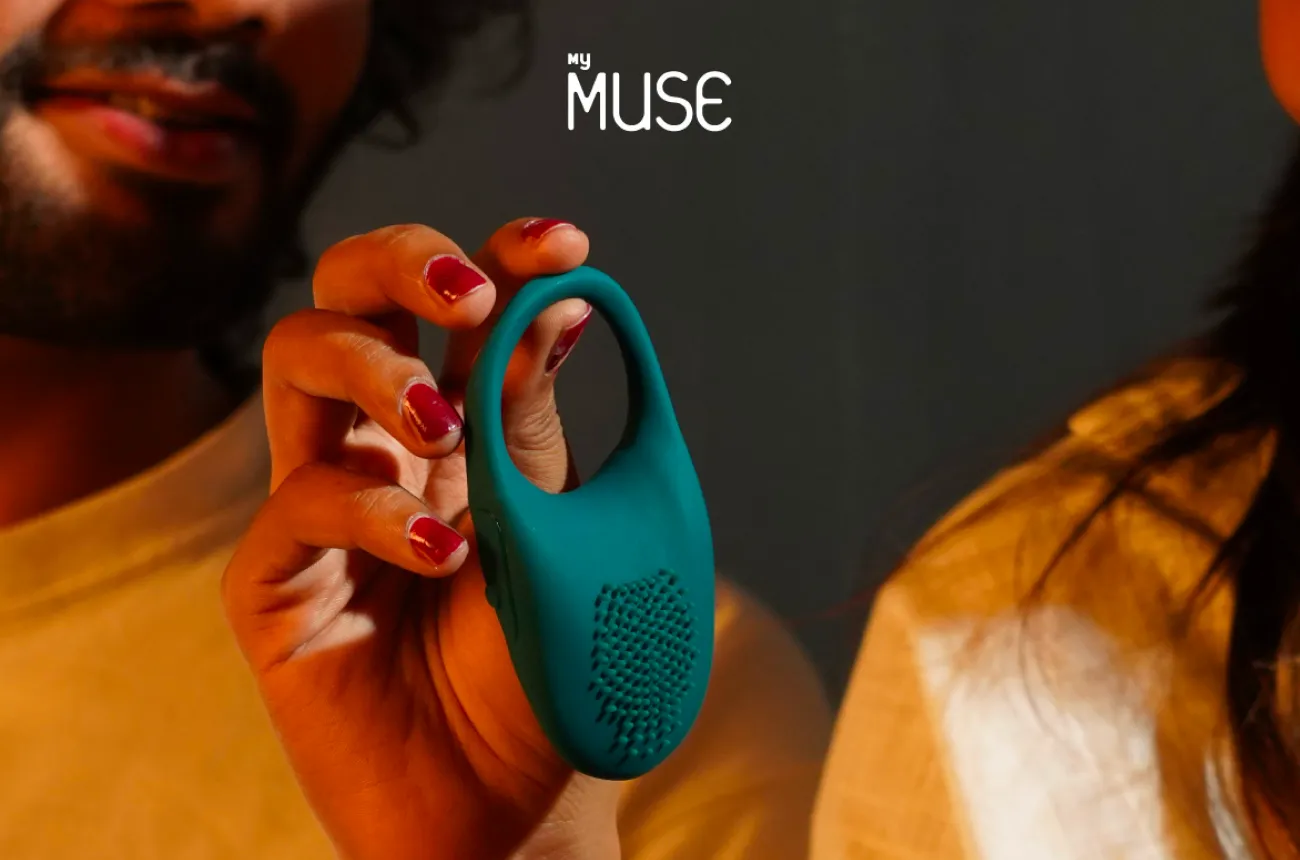
How MyMuse made sexual wellness feel safe, modern, and completely normal for India.

Author:
Rishabh Jain

What happens when cocktail culture is designed for real homes, real parties, and real drinkers.

Author:
Rishabh Jain

How Indri became India's most awarded single malt by designing for all five senses, not just the glass.

Author:
Rishabh Jain

A look at how focus, simplicity, minimalism and intention built an unmistakably premium coffee experience.

Author:
Rishabh Jain

Third Wave Coffee put specialty coffee on the Indian map. The harder question now is whether it can protect the philosophy that made the name mean something.

Author:
Rishabh Jain

How Wellbeing Nutrition built a design system flexible enough to serve every age group without losing the plot.

Author:
Rishabh Jain

How Hocco reimagined indulgence through playful design, bold naming, and a joyful brand language that India's frozen aisles had never seen before.

Author:
Rishabh Jain

A closer look at how Two Brothers translates farm-first values into a trusted, premium identity.

Author:
Rishabh Jain

How The Whole Truth turned honesty into a design system, a business model, and a transparency movement.

Author:
Rishabh Jain

How SuperYou became India's fastest-growing celebrity D2C snack brand by making protein mainstream, not niche.

Author:
Rishabh Jain

How Paper Boat bottled childhood and sold it back to a generation, and why the next decade demands something more than memory.

Author:
Rishabh Jain

A closer look at how Phool reimagines a traditional ritual through sustainable design, storytelling, and modern luxury.

Author:
Rishabh Jain

How Mamaearth found the sweet spot between Patanjali and the Western beauty giants, and why that middle ground is getting harder to hold.

Author:
Rishabh Jain

Let’s Build The Next Big Thing

Portrait photo of Rishabh Jain, Founder of Confetti, smiling and sitting down.
Rishabh Jain's signature
Rishabh Jain
Founder @Confetti
Get Started
A stylized pink thunderbolt or lightning icon
Get Instant Response
We’re looking forward to talk to you!
There was an error in form submission.
Please try to submit the form again.

Global Recognition

The logo for the publication PACKAGING OF THE WORLD, featuring the word 'PACKAGING' in bold black capital letters and 'OF THE WORLD' in a smaller font size.
ITC Bingo Chatpat Kairi is featured in ‘Packaging Of The World', 2025
A product photograph showing a green bottle of 'Bingo! Chatpat Kairi' drink, surrounded by glasses of mango juice, a woven basket filled with raw green mangoes, and slices of mango.
The logo for the World Brand Design Society, which includes a black geometric symbol, the Royal Coat of Arms of the United Kingdom, and the words 'WORLD BRAND DESIGN SOCIETY'.
WhatABite is featured in ‘World Brand Design Society’, 2025
Close-up of a bag of orange-red 'WhatABite Chicken Chips (Barbecue)' resting on a bright yellow surface, surrounded by a laptop, an open book, a black vintage-style camera, a red thermos, and a small white bowl holding some of the chips.
The logo for the packaging editorial Dieline, represented by a black circle containing a stylized white 'D' shape.
AIM Nutrition is featured on ‘Dieline, 2025’, a globally reputed packaging editorial
A flat lay photograph of several products from AIM Nutrition's 'MeltinStrips' line, including blue boxes for 'Sleep' and white boxes for 'Beauty,' along with small orange sachets for 'Energy,' all scattered on a light background
The logo for the publication PACKAGING OF THE WORLD, featuring the word 'PACKAGING' in bold black capital letters and 'OF THE WORLD' in a smaller font size.
ITC B Natural is featured in ‘Packaging Of The World', 2025
A light green bottle of B Natural Tender Coconut Water sits on a blue and white patterned tile table next to a half coconut shell filled with a drink and garnished with a grapefruit slice and rosemary. The background is a bright seaside landscape with a blue ocean and distant cliffs.
The logo for the publication PACKAGING OF THE WORLD, featuring the word 'PACKAGING' in bold black capital letters and 'OF THE WORLD' in a smaller font size.
Pawsible Foods is featured in ‘Packaging Of The World', 2025
A smiling Golden Retriever dog wearing a green tag, leaning on a table next to a large green box of Pawsible Foods Core Wellbeing Nutritional Topper and a stainless steel bowl containing the food. The background is a blurred, lush green outdoor setting.
The logo for the publication PACKAGING OF THE WORLD, featuring the word 'PACKAGING' in bold black capital letters and 'OF THE WORLD' in a smaller font size.
Miduty is featured in ‘Packaging Of The World', 2025
A set of three black-lidded supplement bottles from the Miduty brand, labeled Estrogen Balance, Liver Detox, and Methyl B-12 & Folate, displayed against a sleek, light blue, clinical-style background.
The logo for the publication PACKAGING OF THE WORLD, featuring the word 'PACKAGING' in bold black capital letters and 'OF THE WORLD' in a smaller font size.
Swizzle is featured in ‘Packaging Of The World', 2025
A visually striking product photo featuring three cans of Swizzle Premium Mocktails (Pineapple Mojito, Blue Lagoon, and Desi Lemonade), each bearing a polar bear mascot wearing sunglasses. They are arranged on a pink surface next to a red cloth and a bowl of salad, with a hand reaching for the can on the right.
The logo for the publication PACKAGING OF THE WORLD, featuring the word 'PACKAGING' in bold black capital letters and 'OF THE WORLD' in a smaller font size.
ITC Bingo Chatpat Kairi is featured in ‘Packaging Of The World', 2025
A product photograph showing a green bottle of 'Bingo! Chatpat Kairi' drink, surrounded by glasses of mango juice, a woven basket filled with raw green mangoes, and slices of mango.
Like what you see?
Let's discuss your project
Book A Call