Brand Audit

Liquid Death Brand Audit

Rishabh Jain
November 26, 2026
6 Minutes
November 26, 2026
6 Minutes
No items found.
No items found.
This is some text inside of a div block.
Posted On
Estimated Reading Time
6 Minutes
Category
Brand Audit
Wrriten By
Nimisha Modi

Book a call and get unlimited revisions for your project!

Book A Call
A stylized pink thunderbolt or lightning icon
Get Instant Response

Need Help In Building Your Brand?

Click the button below & book a call with our founder directly.

Rishabh Jain

Managing Director

Book A Call

Liquid Death | Confetti's Verdict ⭐⭐⭐⭐

Attribute Details
Confetti Rating ⭐⭐⭐⭐ (4 / 5)
Brand Liquid Death
Year Founded 2019 (incorporated December 2018, trademark filed July 2017)
Industry Canned water, sparkling water, iced tea and sparkling energy
Founder Mike Cessario (Founder and CEO)
Headquarters Los Angeles, California, USA
Estimated Sales About $263 million (2023) and $333 million (2024), with about $340 million projected for 2025 (Sacra estimates)
Valuation $1.4 billion (March 2024), after a $67 million round

Confetti Design Studio has analysed the name, packaging, content engine and category expansion of Liquid Death, the Los Angeles brand that put still mountain water in a heavy-metal tallboy can and sold it to people who would never buy a wellness product.

Mike Cessario, a former agency creative director, released a launch video that drew three million views before a single can was on sale, and the brand now has about 14.5 million followers across TikTok and Instagram. It has since moved from water into iced tea and, in 2026, energy, which is where its design system faces its hardest test. This audit asks whether a brand built on a joke can sell a sincere product, and it is as per November 2026.
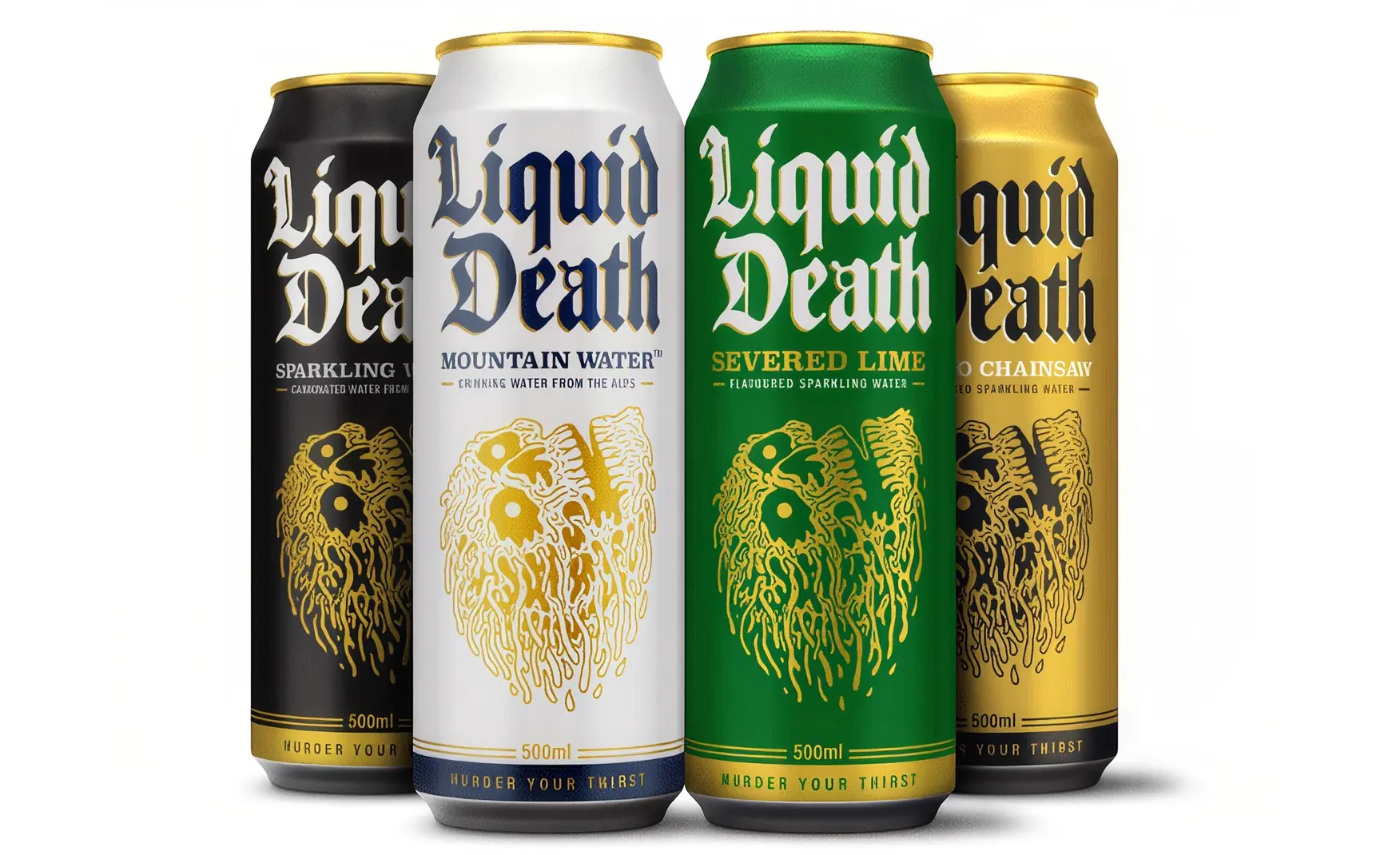
Liquid Death Brand Strengths: What the Brand Gets Exceptionally Right 💪

1. The Name Did the Heavy Lifting From Day One 💀

Bottled water is the plainest product on a supermarket shelf, and almost every brand reaches for the same glaciers, water drops and pale blue colours.

Mike Cessario filed the Liquid Death trademark on 6 July 2017, more than a year before the company was set up in December 2018. The name came first, and the product was built around it.

That order of work is why the look feels so complete. The tall gothic lettering comes from metal bands and craft beer. A melting skull and the line “Murder Your Thirst” sit on every can.

A name like this does three jobs at once. 

People remember it well and nothing else on the shelf can be mistaken for it. And before anyone reads a word, it tells the shopper that the brand is in on the joke.
2. The Tallboy Solved a Social Problem, Not a Thirst Problem 🍺

The barrier to drinking water at a bar or a gig was never hydration. It was how you look holding it.

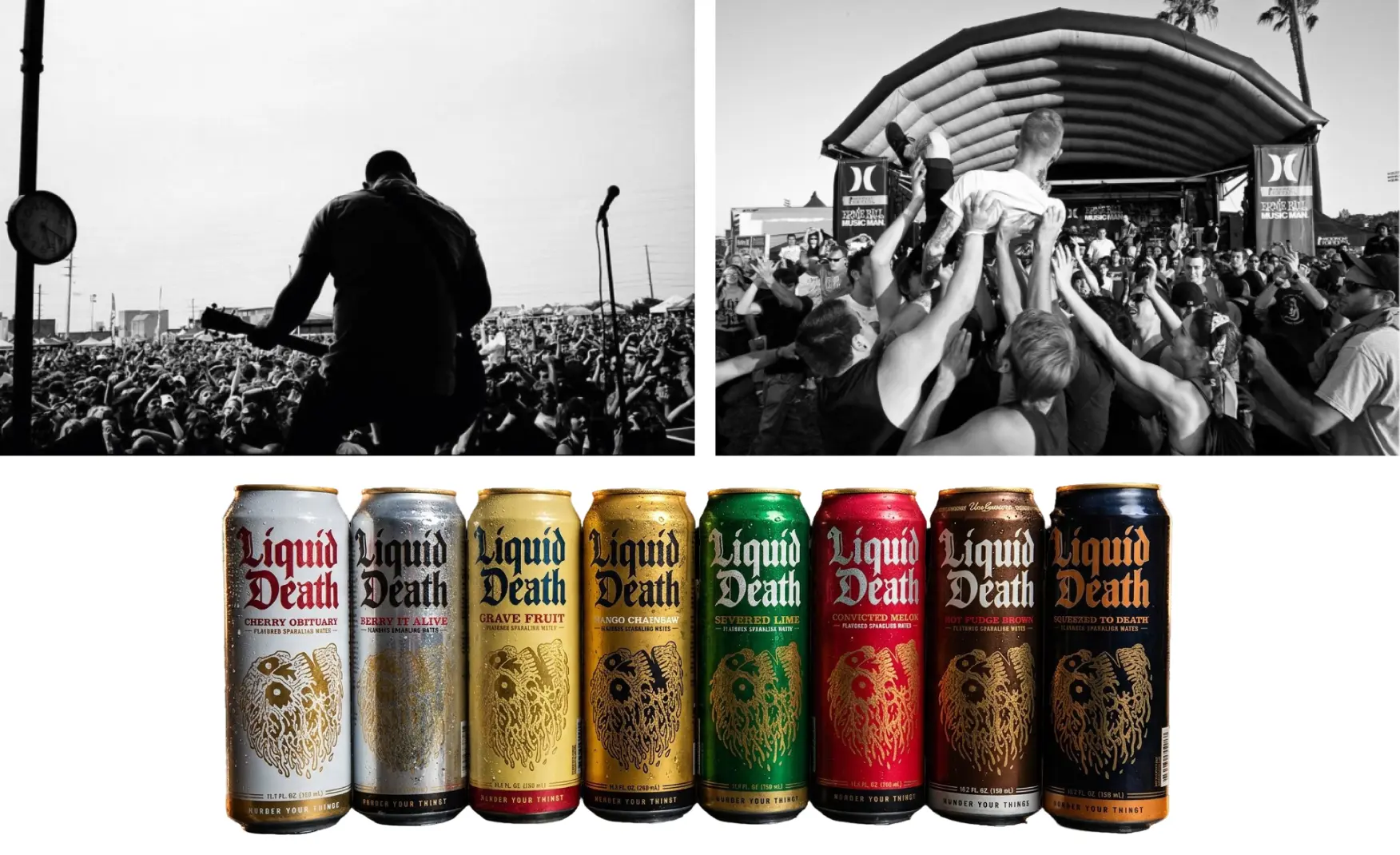
Cessario's founding observation came at the Vans Warped Tour in 2009, where musicians were pouring water into energy drink cans so they could stay hydrated and keep their image. The 16.9 oz aluminium tallboy is the answer to that observation.

The can has the silhouette of a beer or an energy drink, so the person holding it reads as one of the crowd. Over 70 percent of its customers are Gen Z and millennials, the cohort drinking less alcohol but still wanting to be part of the night.

Distribution followed the insight and not the grocery playbook. Live Nation invested in 2021 as part of a $15 million round and agreed to sell the drink at its venues, and the brand says tens of millions of cans have sold through that partnership.

Confetti's reading is that Liquid Death does not really compete with Evian or Fiji. It competes with the second beer, and it wins that slot because it removes the social cost of saying no.
3. A Production House Instead of an Ad Agency 🎬

Most consumer brands treat content as a cost of distribution. They brief it out, approve it by committee and pay to push it until the budget runs out.

Liquid Death makes its own films through its in-house production arm, Death Machine. Owning the production means owning the voice, the speed and the tone.

The track record shows what that buys. The launch video drew three million views before the water was on sale, and the Greatest Hates albums of 2020 turned real hate comments into death metal and punk songs.

The Super Bowl LVI spot in February 2022 showed children enjoying the drink to Judas Priest's "Breaking the Law" and ended with "Don't be scared, it's just water". 

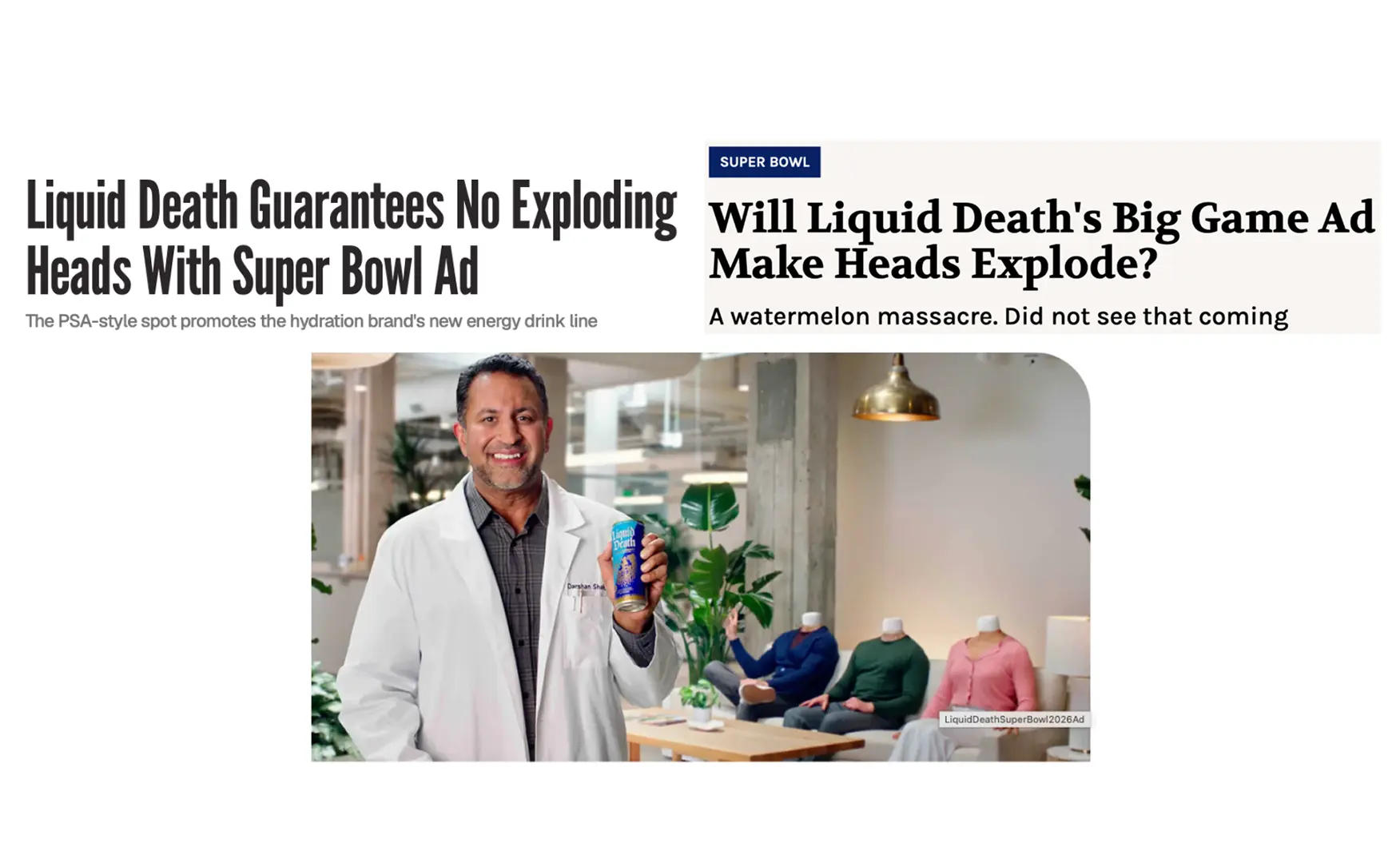
In February 2026 the brand returned with "Stop Exploding", a 30-second faux medical warning about extreme energy drinks, made in-house for Sparkling Energy.

The strategic point is that this is a structural decision and not a creative one. The brand's most valuable asset, its sense of humour, sits on the payroll and not in a vendor's portfolio.
Is your brand voice owned or rented?
Talk to our team about building a voice that stays yours. 
  • Discuss your project in detail
  • Get our expert advice, completely for free
  • Ask any questions you may have
Book A Call
Book A Call

4. Stunts That Become Products 🛹

Most brand stunts are expensive press releases as they just create a news cycle and leave nothing behind.

Liquid Death designs its stunts as objects people buy. 

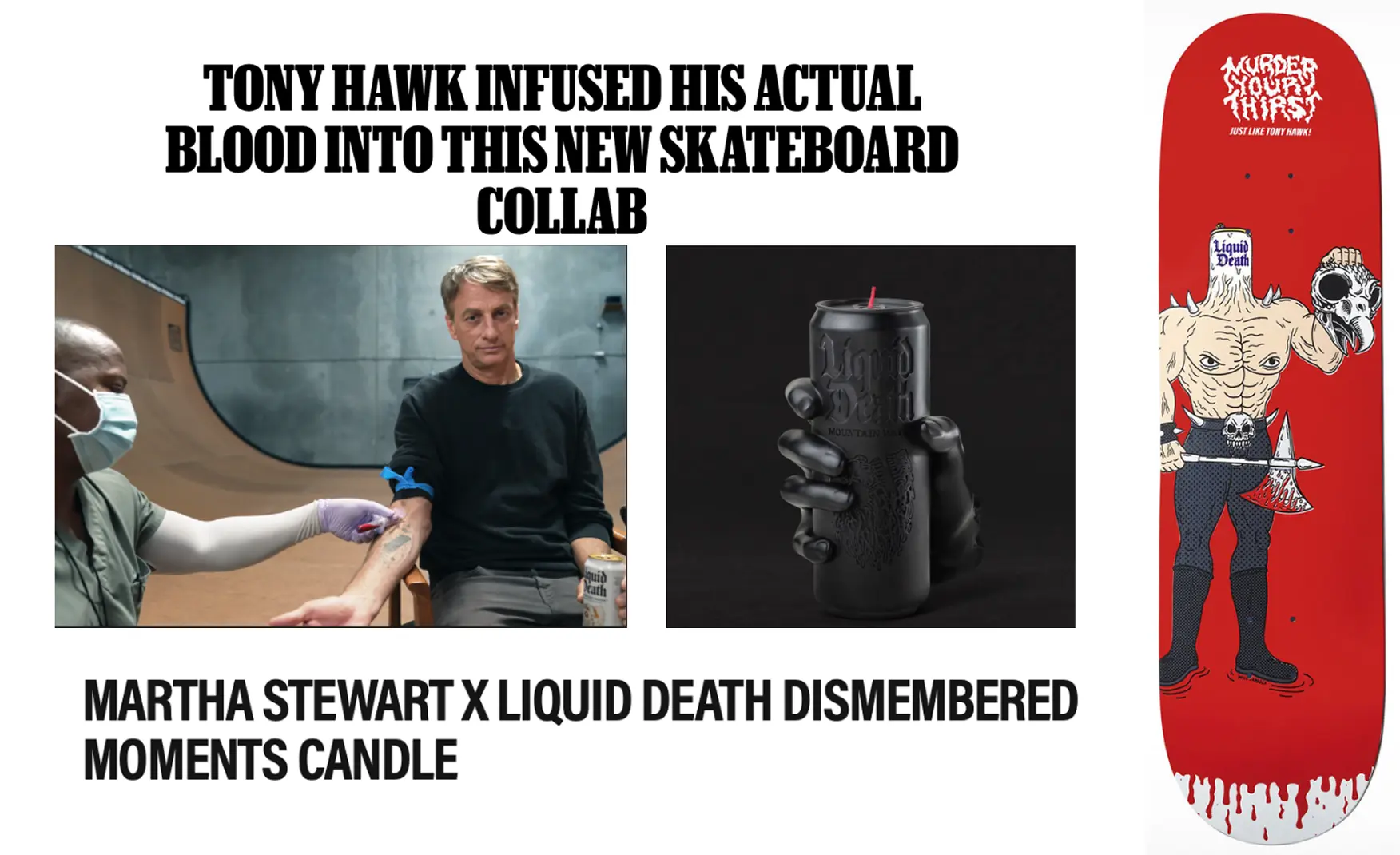
In 2021 it sold 100 skateboard decks made with Tony Hawk's blood at $500 each, with 10 percent of profits going to 5 Gyres and The Skatepark Project, and they sold out.

In 2022 its Halloween collaboration with Martha Stewart produced the $58 Dismembered Moments candle, a life-size severed hand gripping a can. Each object is a piece of physical media that outlives the news cycle.

The collaborations have kept pace with the brand's growth. Pop-Tarts Carnage, a limited iced tea that tastes like Frosted Strawberry Pop-Tarts, was unveiled in April 2026.

In August 2026 the brand joined Jason Kelce's Garage Beer on a satirical campaign inviting people to mail their urine to AI data centres, with a limited glass mug as the product, which sold out. 

The premise is deliberately absurd, and the point is that partners now seek Liquid Death out for permission to be ridiculous.
5. One Can System Across Four Categories 🥫

Brand extensions usually fracture a visual identity. A water brand adds a tea, the tea gets a sub-brand, and the shelf soon shows four logos and nothing in common.

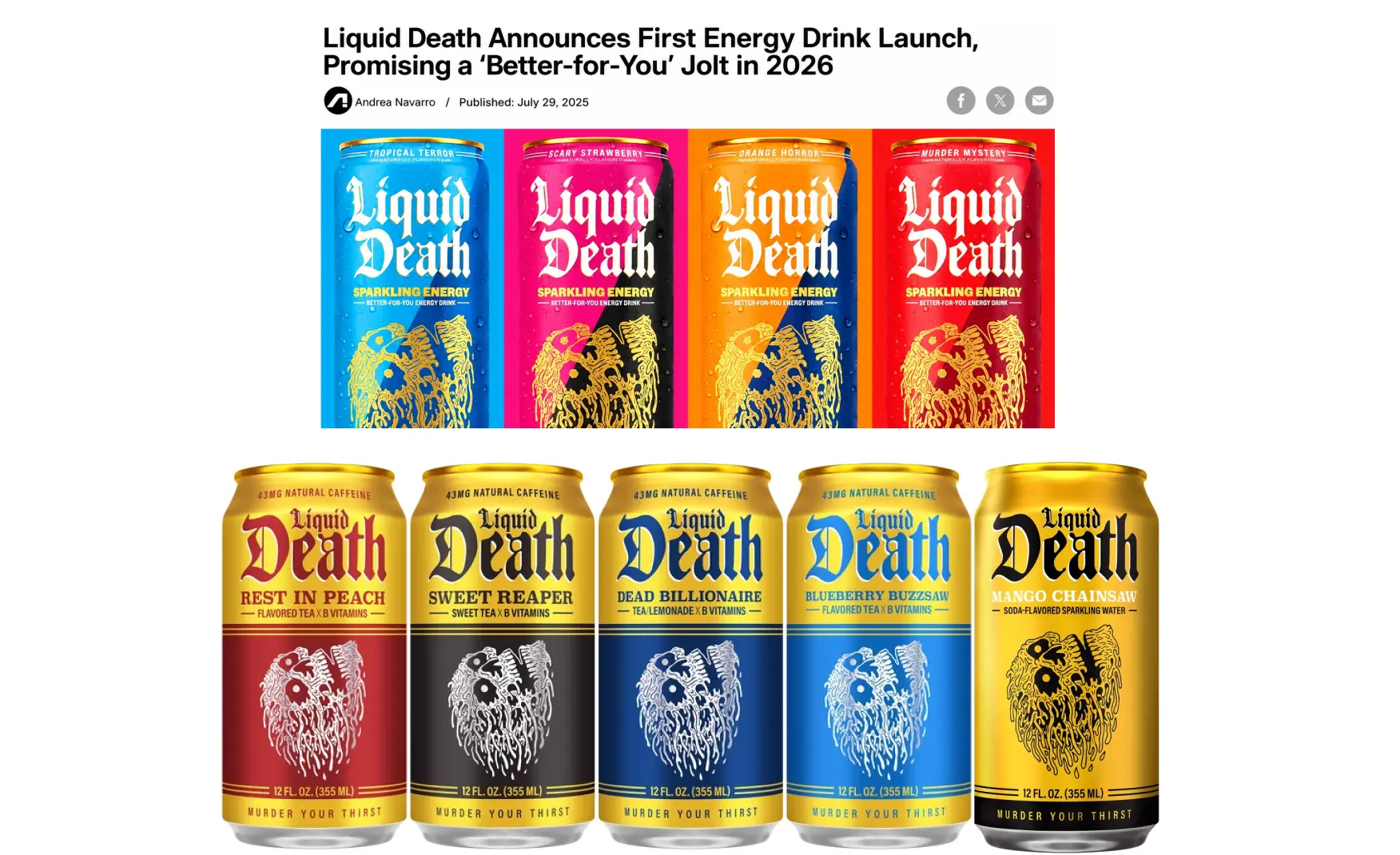
Liquid Death has moved from water into flavoured sparkling water, iced tea (announced March 2023) and sparkling energy without changing the uniform. The wordmark and skull stay fixed while colour does the navigating.

The naming system carries the humour into every SKU. Mango Chainsaw, Severed Lime, Grim Leafer, Rest in Peach and Dead Billionaire each tell the shopper the flavour and make them smile.

The system lowers the cost of every launch. The company says its iced tea has grown 20 times faster than the category among the top ten brands, and that energy drinks were the number one item bought alongside its products.

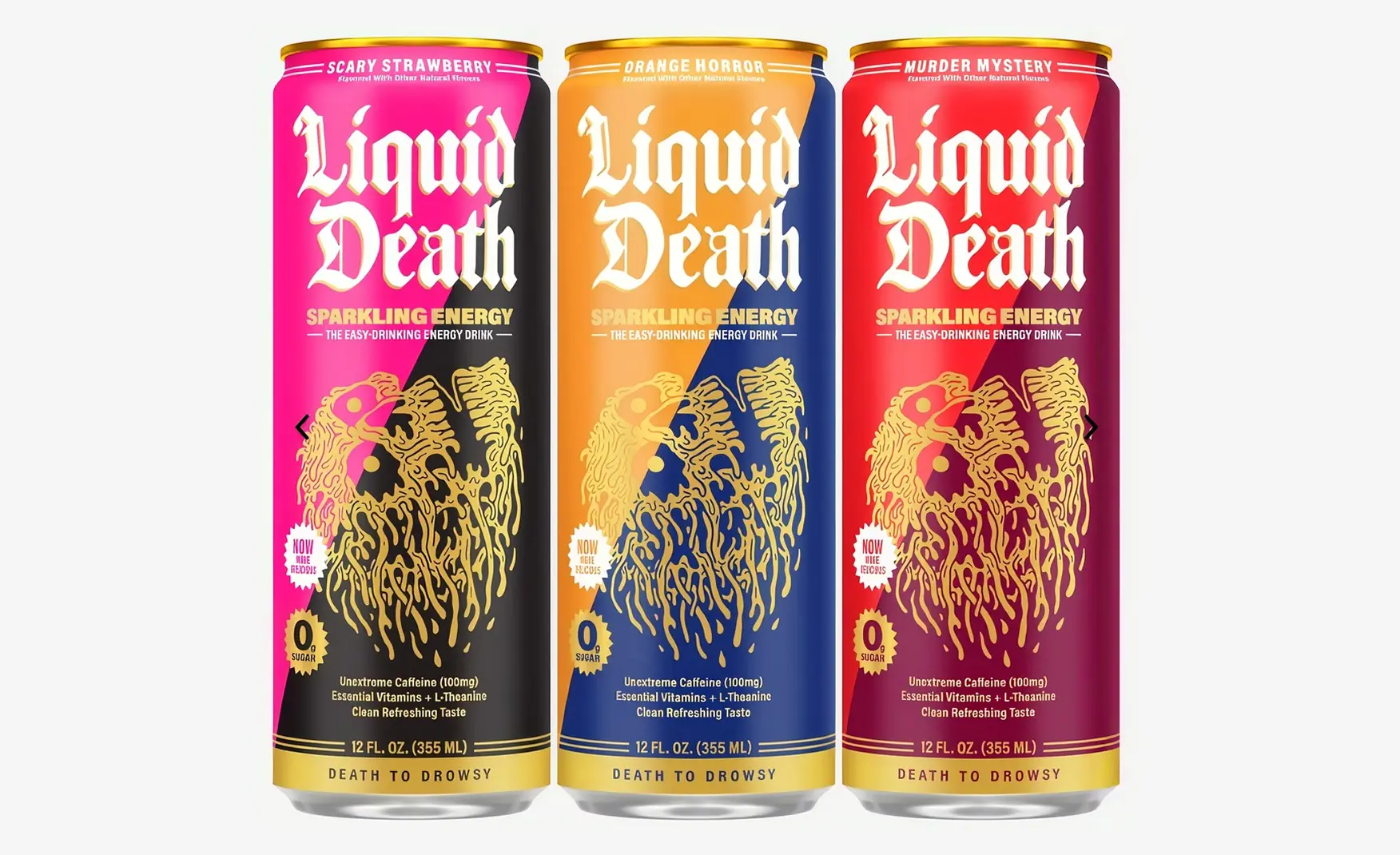
That purchase data shaped Sparkling Energy, which has 100mg of caffeine, zero sugar and no sucralose or aspartame. 

Cessario said "We didn't want to make another jacked-up chemical bomb", and the packaging system is ready for that argument in a way most challenger brands are not.
6. A Sign-Up That People Actually Enjoy 📜

Most loyalty programmes are dull. You fill in a form, share your email and collect a few points. 

Liquid Death made its club funny instead.

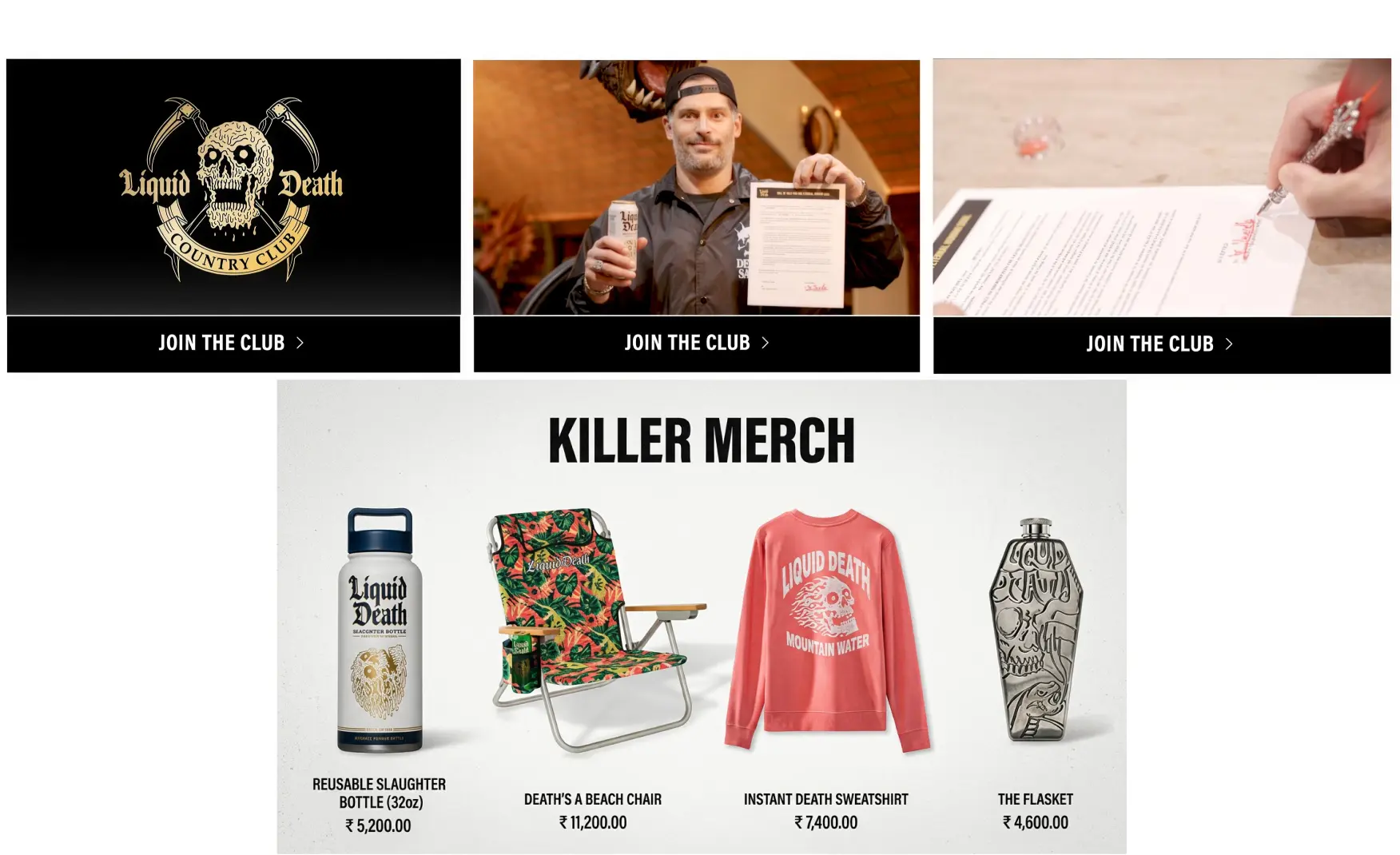
To join the “Sell Your Soul” club, you sign a serious-looking digital contract that hands your soul to the brand forever. There is a joke clause too, you can buy your soul back for $1. Hundreds of thousands of fans signed up within the first few years.

Members get real things in return. They can buy clothing, art prints and odd items like skull candles that other customers cannot. They also get early access to new flavours and collaborations, secret discounts and entries into big prize draws.

The brand gets something valuable too. Most companies struggle to get people to share their email. Here, fans hand over their email, phone number and address because they enjoy the joke. 

Liquid Death ends up with a large, engaged audience it can speak to directly, without paying for ads.
Liquid Death Growth Challenges and Areas to Watch ⚠️

1. The Growth Curve Has Flattened Under a Unicorn Valuation 📉

Liquid Death's growth has slowed sharply. Sacra estimates sales of $263 million in 2023 and $333 million in 2024, a rise of about 27 percent, with around $340 million projected for 2025, which implies roughly 2 percent.

Profit is the missing number. Mid-2025 investor materials targeted EBITDA profitability later that year, but net profit or loss is not publicly disclosed.

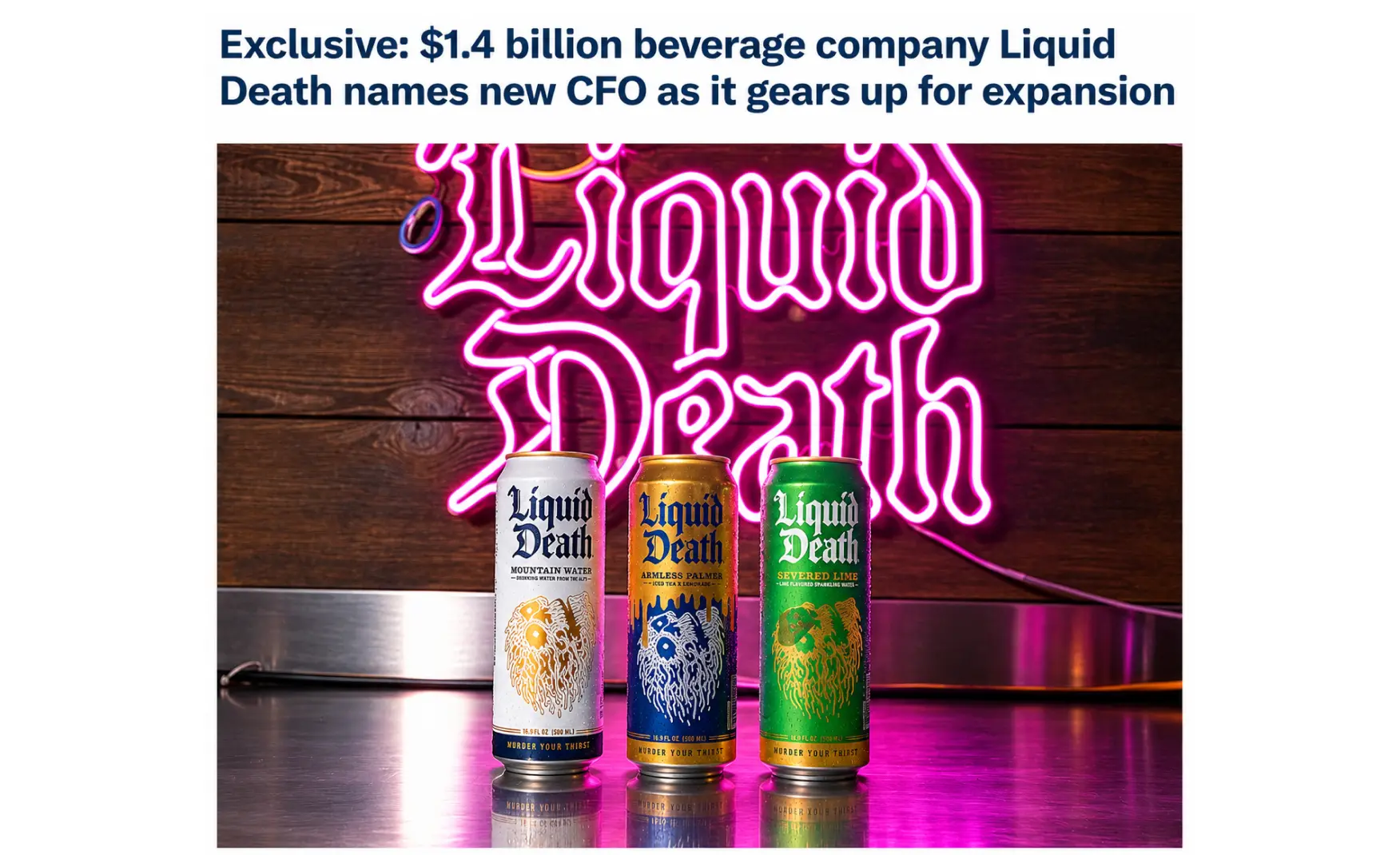
Against a $1.4 billion valuation, that creates pressure. The company took a $55 million revolving credit line from Ares in December 2024 and sought up to $20 million through a convertible note in mid-2025.

It also hired PepsiCo alumnus Ricky Khetarpaul as CFO in October 2025, and signed a New York distribution agreement with Big Geyser that month. Those are the moves of a company shifting from a marketing story to a distribution business.

Awareness is no longer the constraint, because almost everyone in the target audience has seen the can. Growth now depends on repeat purchase, shelf space and price per can, which is a different skill set from the one that built the brand.
2. The Liquid Needs as Much Care as the Can 🔍

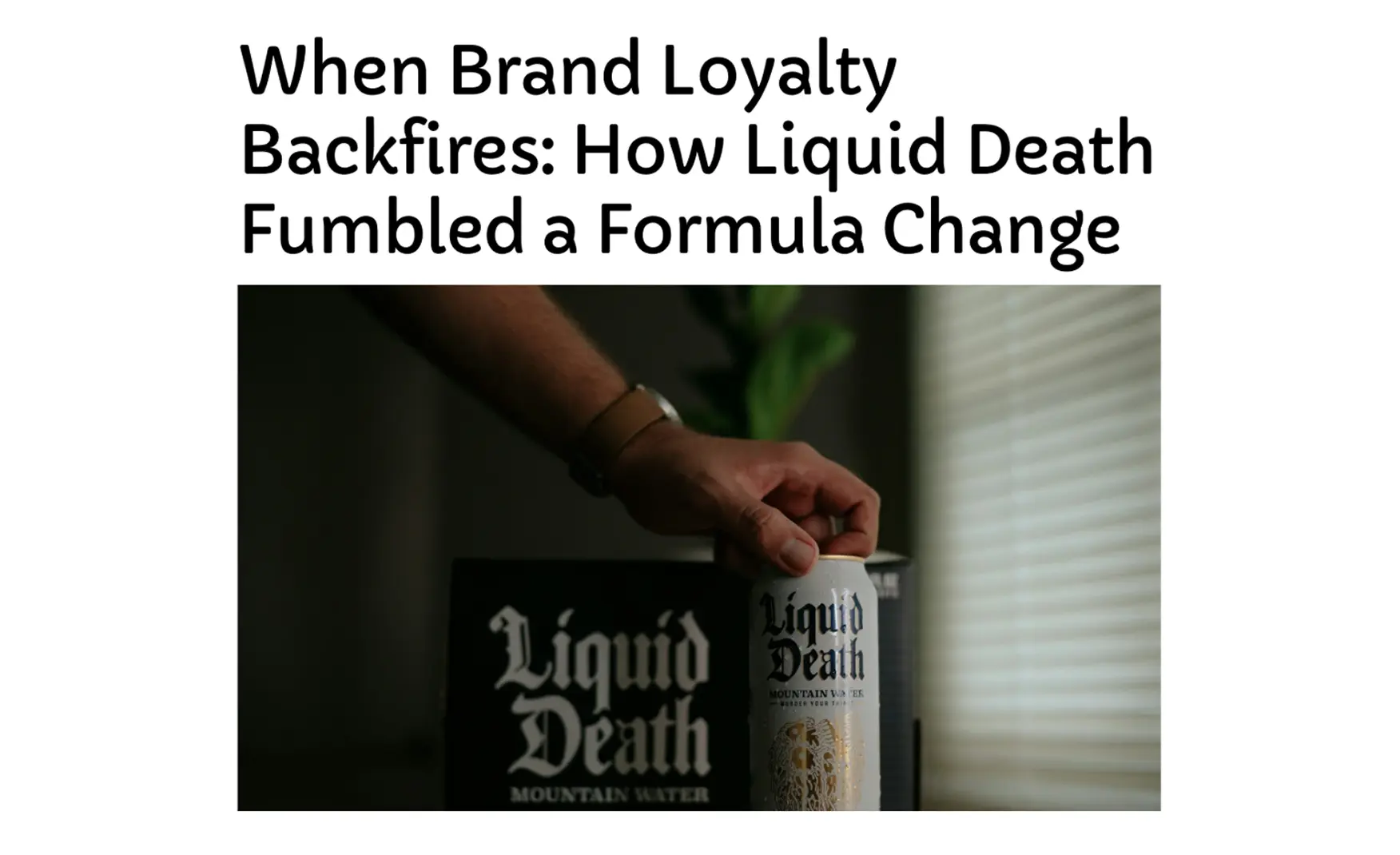
Loyalists turned out to care about the drink as much as the joke. When stevia was added to the iced teas in early 2025, buyers complained about sweetness and aftertaste.

The brand has invested extraordinary craft in how the product looks and sounds, and less in telling people why the liquid is good. In energy, where caffeine, sweeteners and ingredients are the whole conversation, that imbalance matters more.

A reformulation backlash is a packaging problem too. If the can promises one thing and the taste delivers another, the identity loses credibility faster than any competitor could cause.
3. The Joke Has Borders, on Maps and in Court ⚡️

Humour is among the most culturally specific tools a brand can use. Liquid Death launched in the UK, stocked in Tesco and Ocado, and paused international sales in February 2025.

NielsenIQ data cited by The Grocer put UK retail sales at £2 million in the 52 weeks to 7 September 2024, and the brand blamed its lack of production outside the US. American irony about wellness culture is a narrower export than it looks.

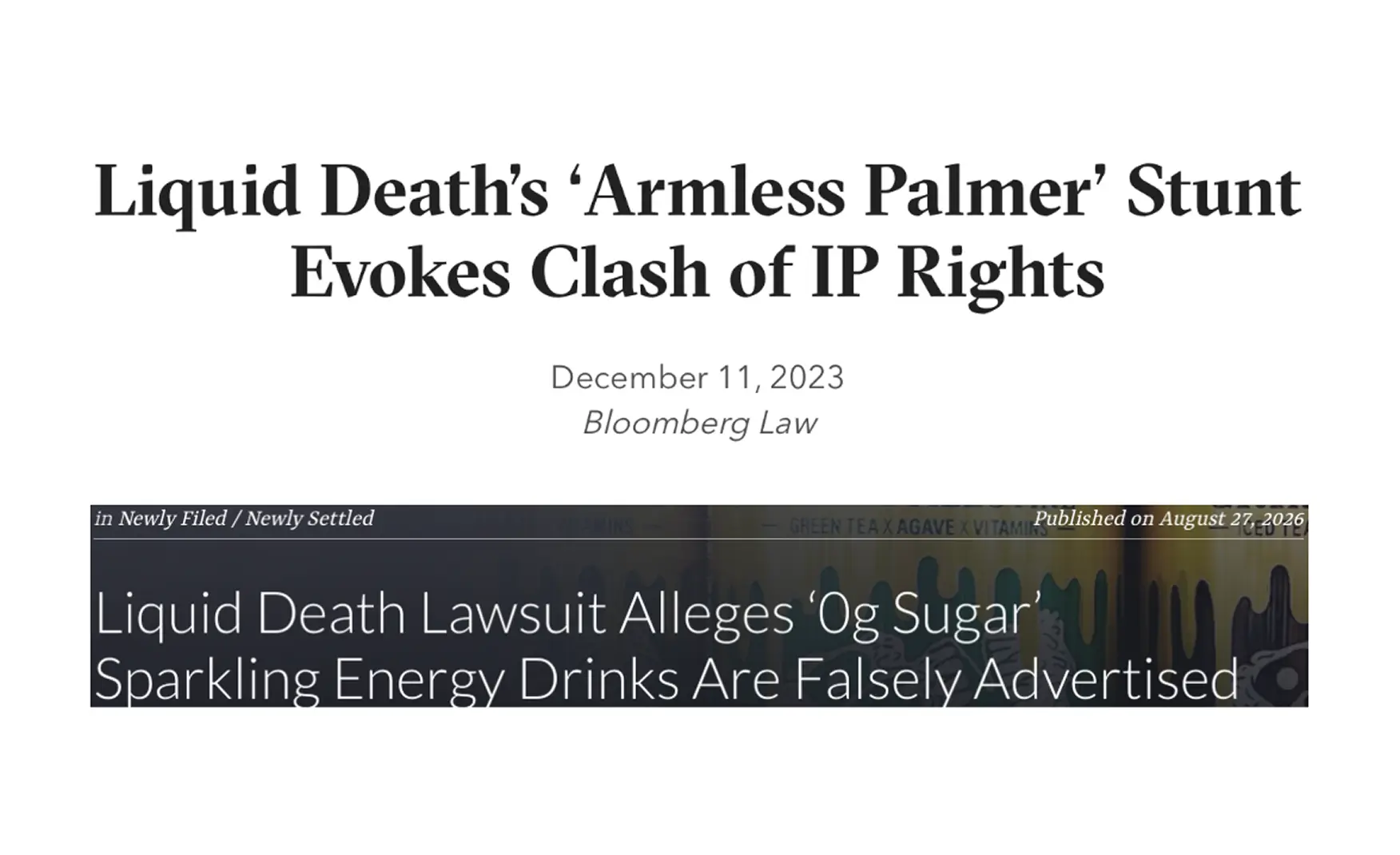
The same boldness invites legal friction. The Arnold Palmer pun in the iced tea Armless Palmer drew a threat from Arizona Beverage Company in November 2023, and the drink became Dead Billionaire.

In October 2025 Death Wish Coffee sued, alleging Liquid Death was preparing coffee products with "Death" wordplay such as "Deathuccino", which Liquid Death says it has no plans to launch as a ready-to-drink coffee. 

Parody makes a brand memorable, but it does not protect a name in court.
How Confetti Sees Liquid Death's Next Chapter 💡

1. Give Energy Its Own Architecture Inside the System 🏗️

Sparkling Energy sits inside the Liquid Death system as another colourway with a new name. That consistency is an asset on the shelf.

The risk is that in an aisle with Monster, Red Bull and Celsius, the real argument of coffee-level caffeine and zero sugar gets lost behind a skull shoppers associate with water.

Confetti would build a clear sub-brand architecture with a consistent energy marker across every can and a front-of-pack hierarchy that puts the caffeine and sweetener logic where an energy-fridge shopper will read it. The goal is to give the newest category its own rank badge within the uniform and not to dilute it.

Beer brands do this with light and zero-alcohol extensions, where the parent identity stays and one repeated signal tells the shopper which liquid they hold. Liquid Death needs that signal for energy so it can earn a second reputation and not borrow its first.

2. Build a Product-Truth Layer Inside the Humour 🌱

Liquid Death's voice has proved it can carry almost any message, including a public-health warning at the Super Bowl. The next step is to use it to make the product credible.

That means telling people where the water comes from, why a sweetener was chosen, why 100mg is the right dose and what Death to Plastic delivers in numbers. A brand that sells souls through a country club can write a funny, rigorous ingredient page.

Humour earns attention, and proof earns the repeat purchase. Doing this while the brand is still loved would protect it from the next reformulation backlash.

3. Own the Occasion, Not Just the Shelf 🌍

The tallboy's real territory is the moment someone chooses not to drink alcohol and still wants to belong. Live Nation, bars and venues have touched this, but much of the growth has come from grocery and mass retail, where it competes on price per can.

Confetti would push harder into the occasion with on-premise formats designed for bars and venues, a presence at every gig and sports night where the second drink decision gets made, and packaging built for that setting. Any international return should start the same way, with local writers and local venues and not an imported joke.

For Indian founders this is the transferable idea. A commodity can be sold as identity when the brand owns an occasion and a tribe, and India's own shift towards moderation in cities like Mumbai and Bengaluru suggests that occasion is waiting to be claimed.

4. Make the Instagram Sound Like the Brand 🎸

Liquid Death began backstage at a punk festival, where musicians hid water in energy drink cans. It has a shocking name, a skull logo and the slogan “Murder Your Thirst.” 

But its Instagram does not yet sound like the brand that made it.

That gap is where Confetti would start. We would turn the origin story into a running series, write posts in the same dark, straight-faced humour as the name, and make Death to Plastic a rallying cry with plastic as the villain. 

Confetti would also bring the metal and punk roots into the look of the page, and give each flavour its own tiny story. Then going from the can to the feed would feel like walking from one room into the next in the same house.

Liquid Death Verdict and Confetti Rating ⭐

Liquid Death is one of the most instructive brand builds of the decade. In the most commoditised category on the shelf, it proved that the brand can be the entire product advantage.

A deliberately absurd name secured before the company existed, a tallboy that gave non-drinkers social cover and an in-house production arm that makes entertainment and not advertising took canned water to a $1.4 billion valuation. Stunts that customers pay for kept the machine funded and the feed alive.

The next chapter asks a harder question. Growth has flattened near an estimated $340 million, the UK experiment has paused, and the brand has staked its future on energy, the category whose cans it once parodied.

To win there, Liquid Death must make the liquid as convincing as the can. It must show that a brand built on irony can make a sincere product claim and be believed.

Confetti Rating: ⭐⭐⭐⭐ (4 / 5)

If you’re building a brand in a crowded category like drinking water, and you want a name, a pack and a voice that make people pick it up before they’ve read a word, that’s the kind of branding and packaging work we do at Confetti. Get in touch with our team.

Want strategic branding and packaging like this for your business?

Book A Call
Share:

Other Brand Audits

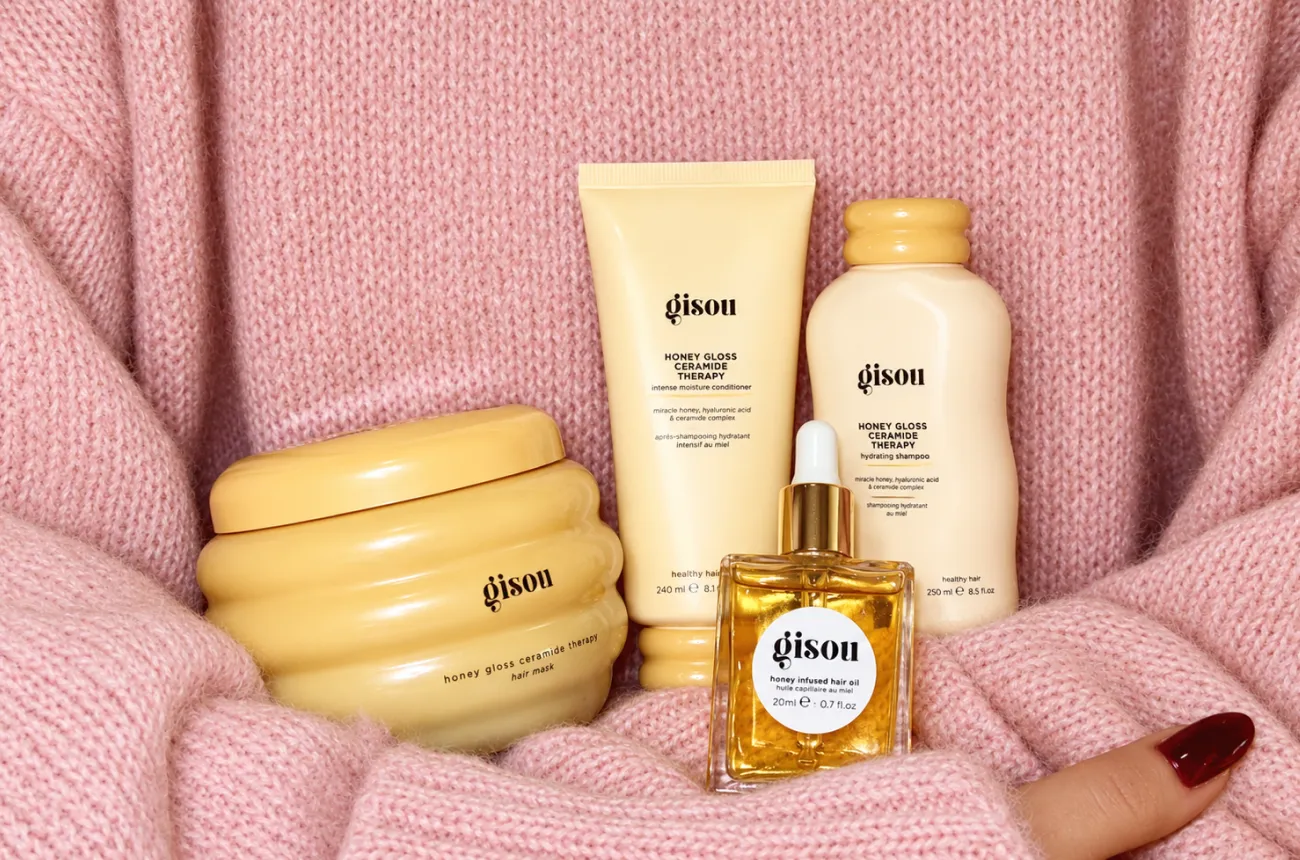
Gisou, founded by Negin Mirsalehi in 2015, put family harvested honey in clear amber glass, so the golden colour of the honey became the colour of the brand.

Author:
Rishabh Jain

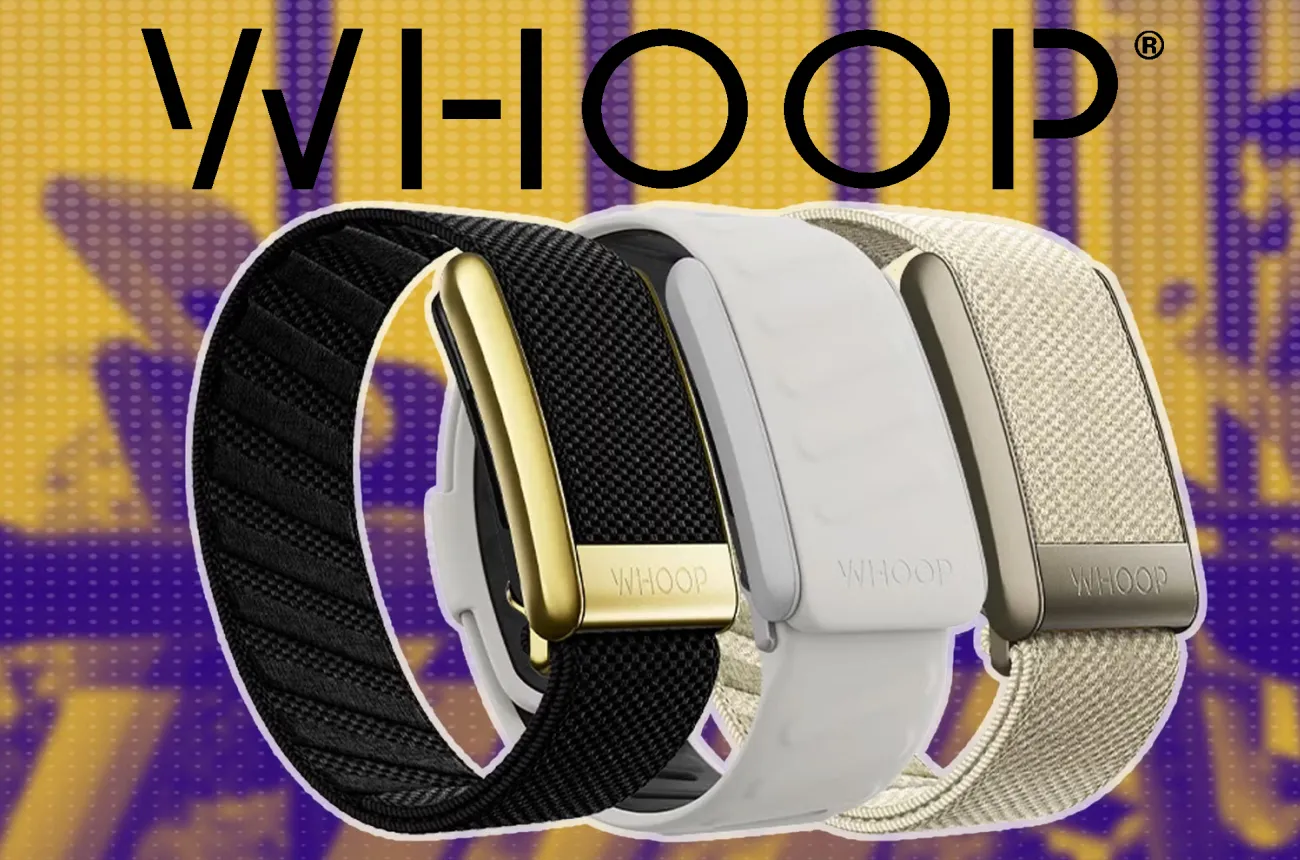
WHOOP removed the screen, kept the strap black and let one green recovery ring carry the brand, so a single design decision became its whole positioning.

Author:
Rishabh Jain

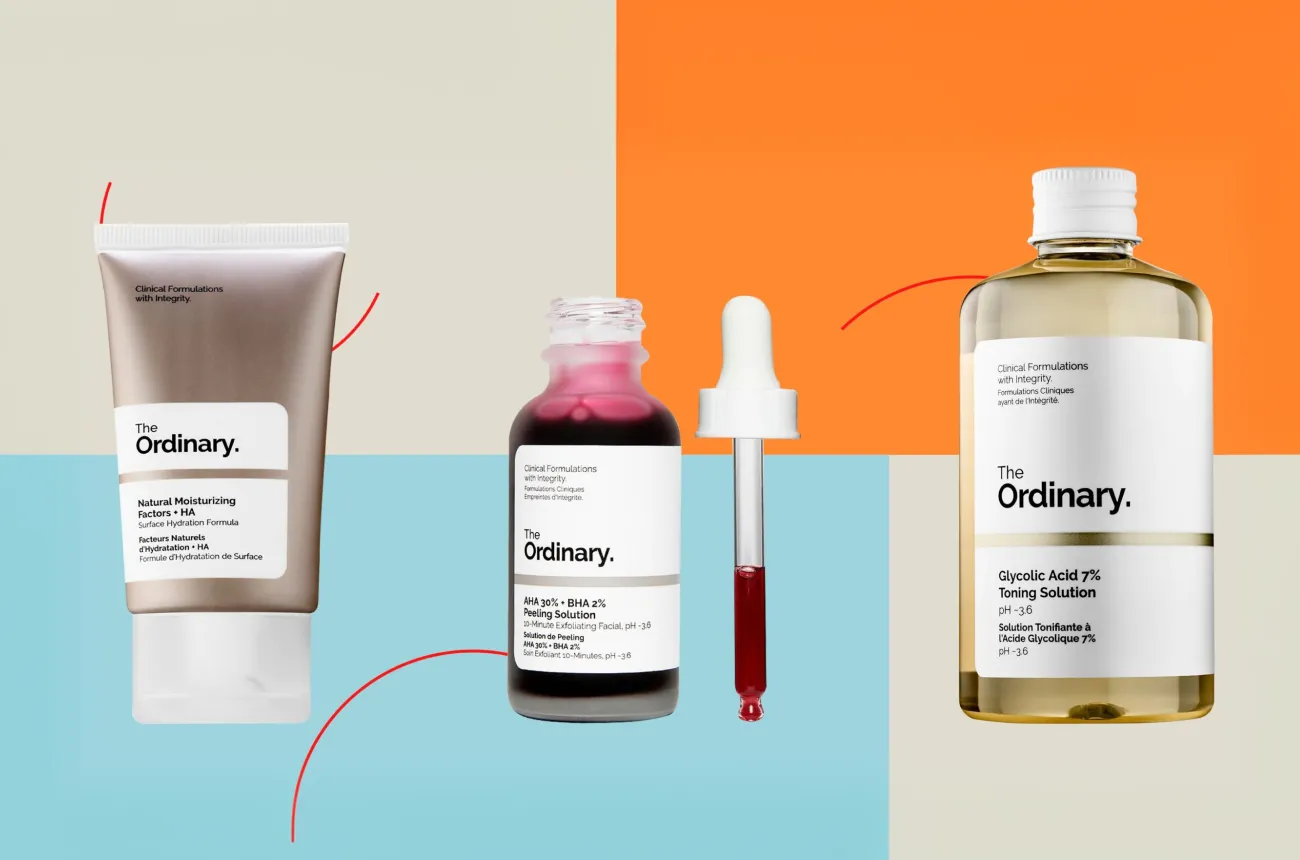
The Ordinary took the naming of a chemist, the look of a lab reagent bottle and a $10 price, and built one packaging system that is recognisable from across a shop.

Author:
Rishabh Jain

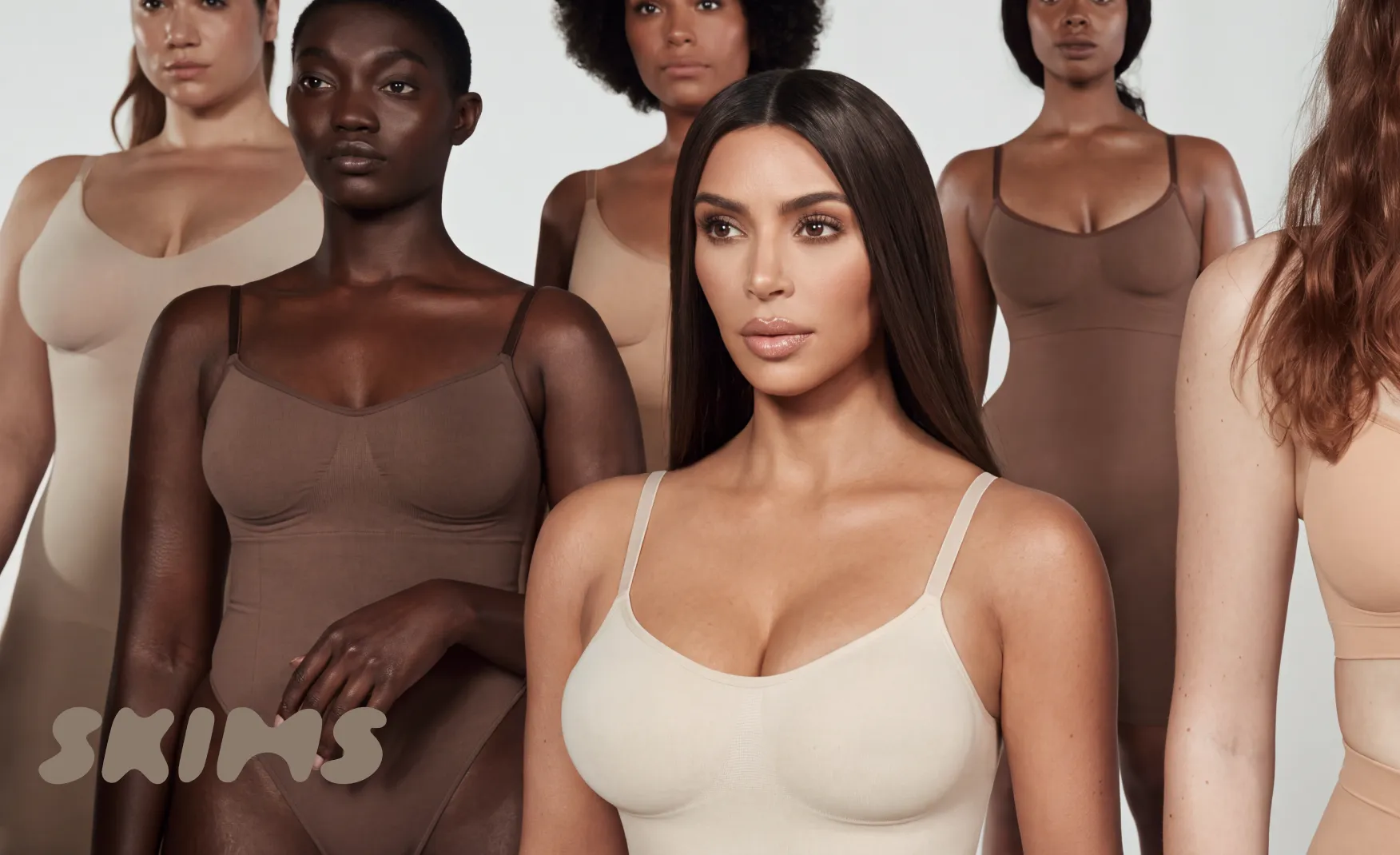
Kim Kardashian built Skims on a new category name and a shade range that matches every skin tone, then won over the NBA and Nike in six years.

Author:
Rishabh Jain

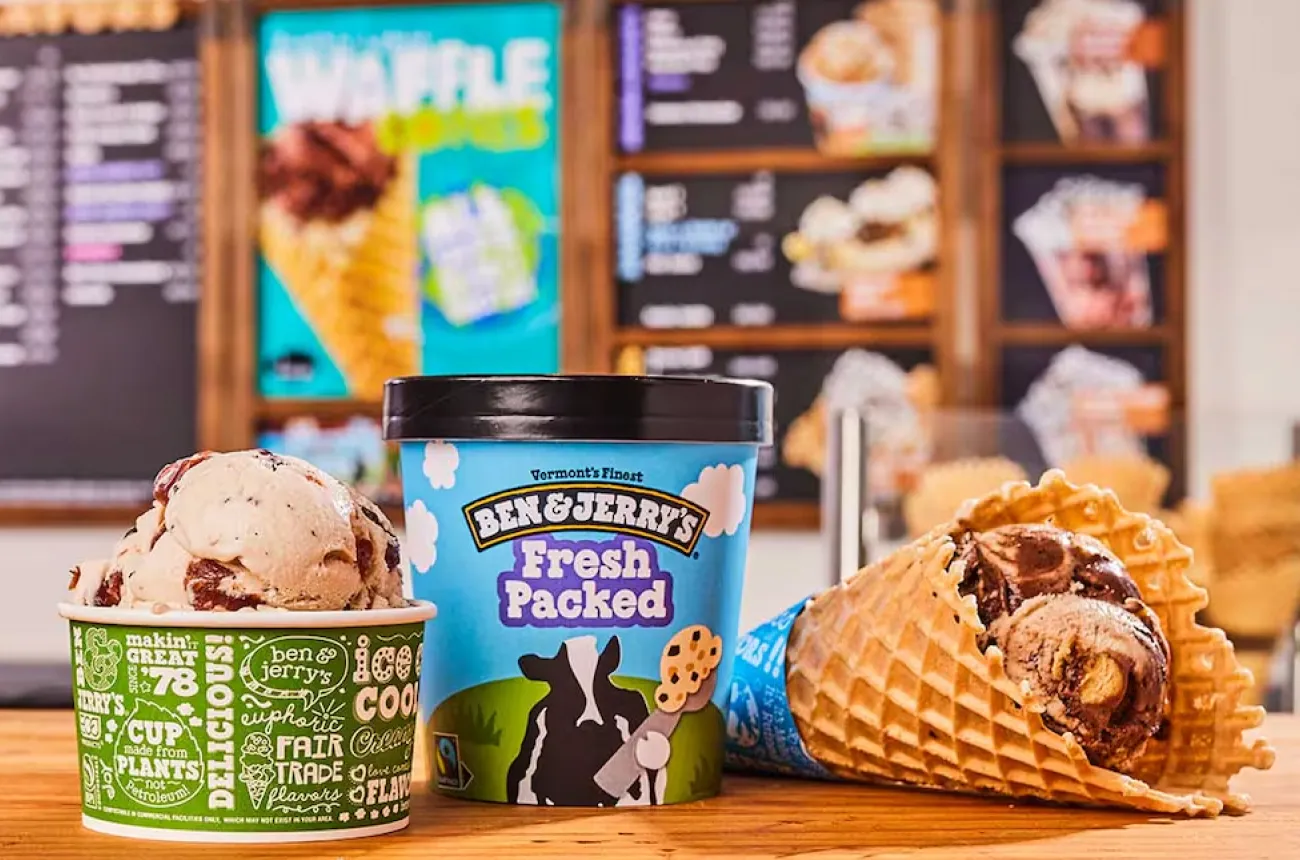
Ben & Jerry's kept its hand-drawn lettering, Vermont cows and punning flavour names on every pint for forty years, and made that packaging the voice of its mission.

Author:
Rishabh Jain

Vans built a visual system from a waffle sole, a sidestripe and a checkerboard that its customers helped draw, and now has to protect it from overexposure.

Author:
Rishabh Jain

Alo Yoga built every flagship to be filmed first and shopped second, gave the brand a name that's actually a whole philosophy, and let retail itself become the brand's storyteller.

Author:
Rishabh Jain

Glow Recipe took a single idea, make every product look like the fruit it's named after, and turned it into one of skincare's most recognisable packaging systems.

Author:
Rishabh Jain

Fenty Beauty turned forty shades into an industry standard and a hexagon into a packaging system that has held five categories together for eight years, and still has more it could say.

Author:
Rishabh Jain

Summer Fridays named itself after a feeling instead of a product, then designed every pack to photograph better and now has to defend that exact look from everyone copying it.

Author:
Rishabh Jain

Lululemon built its premium on something customers could feel for themselves, not just believe. This audit looks at what's left of that promise now that leggings, stores and leadership are all being tested at once.

Author:
Rishabh Jain

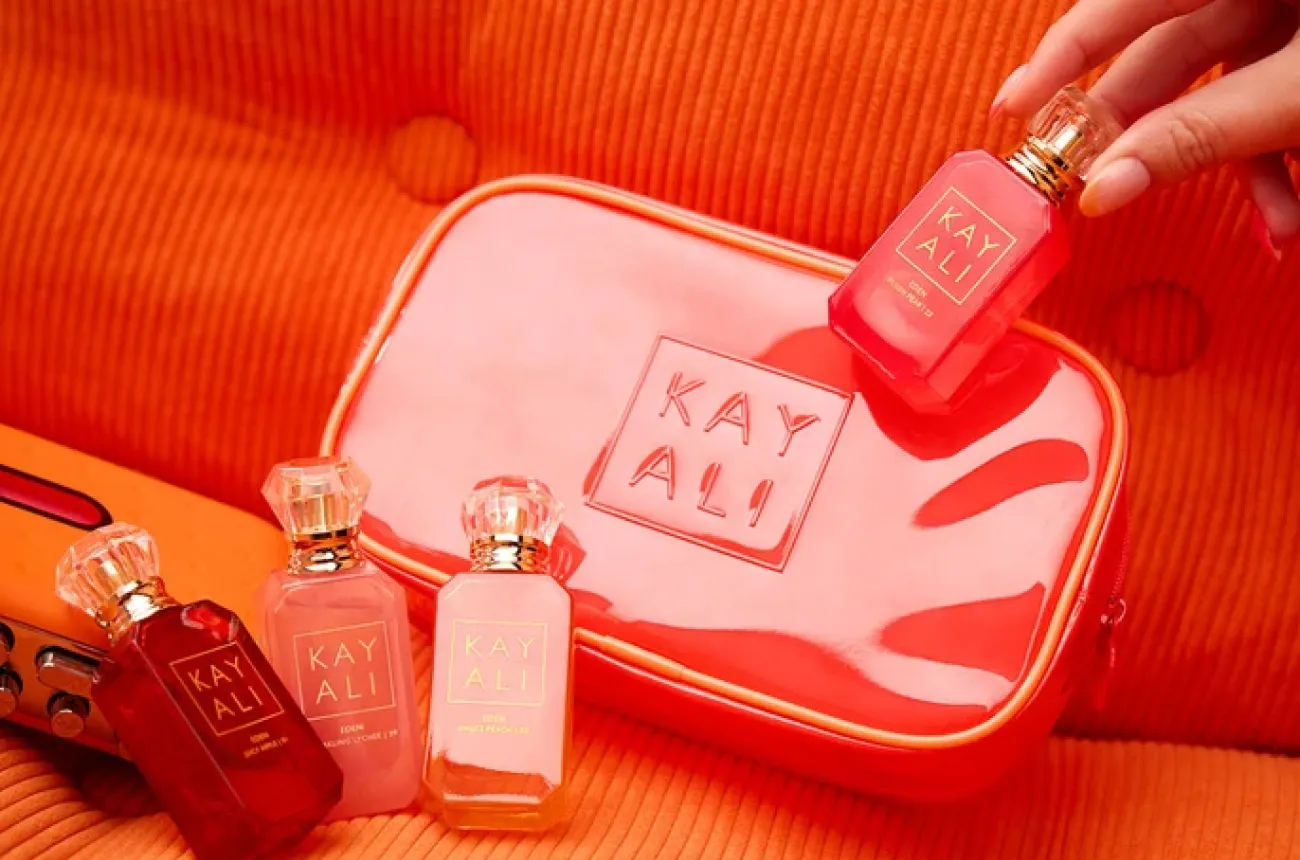
Kayali made a generation start layering perfumes, a real shift, and the brand's whole identity. Now they've carried that idea into body care. But competitors already copied the playbook. The real question is whether Kayali can still own "layering" before it becomes industry wide.

Author:
Rishabh Jain

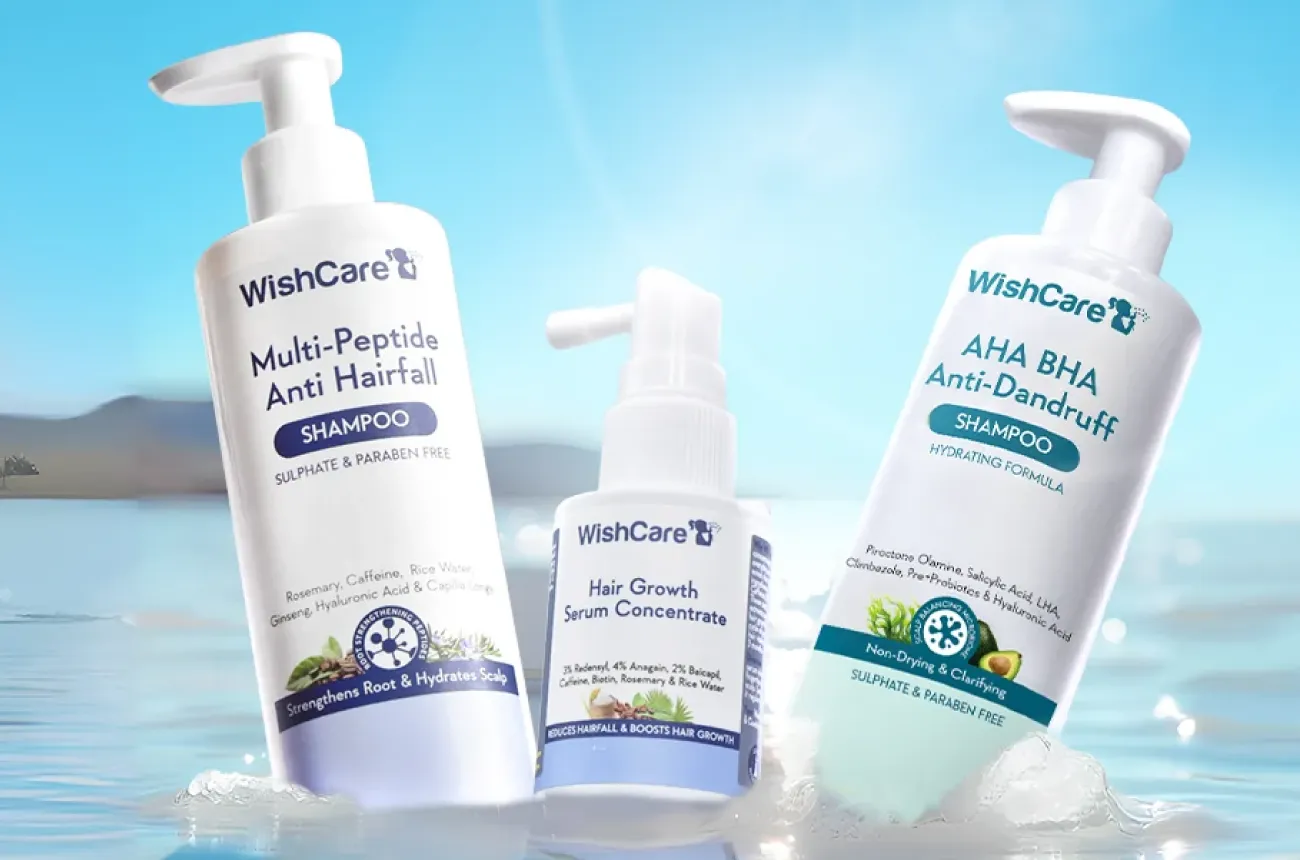
WishCare's name splits neatly into a promise and a discipline, and the packaging on its shelf does not carry the same idea.

Author:
Rishabh Jain

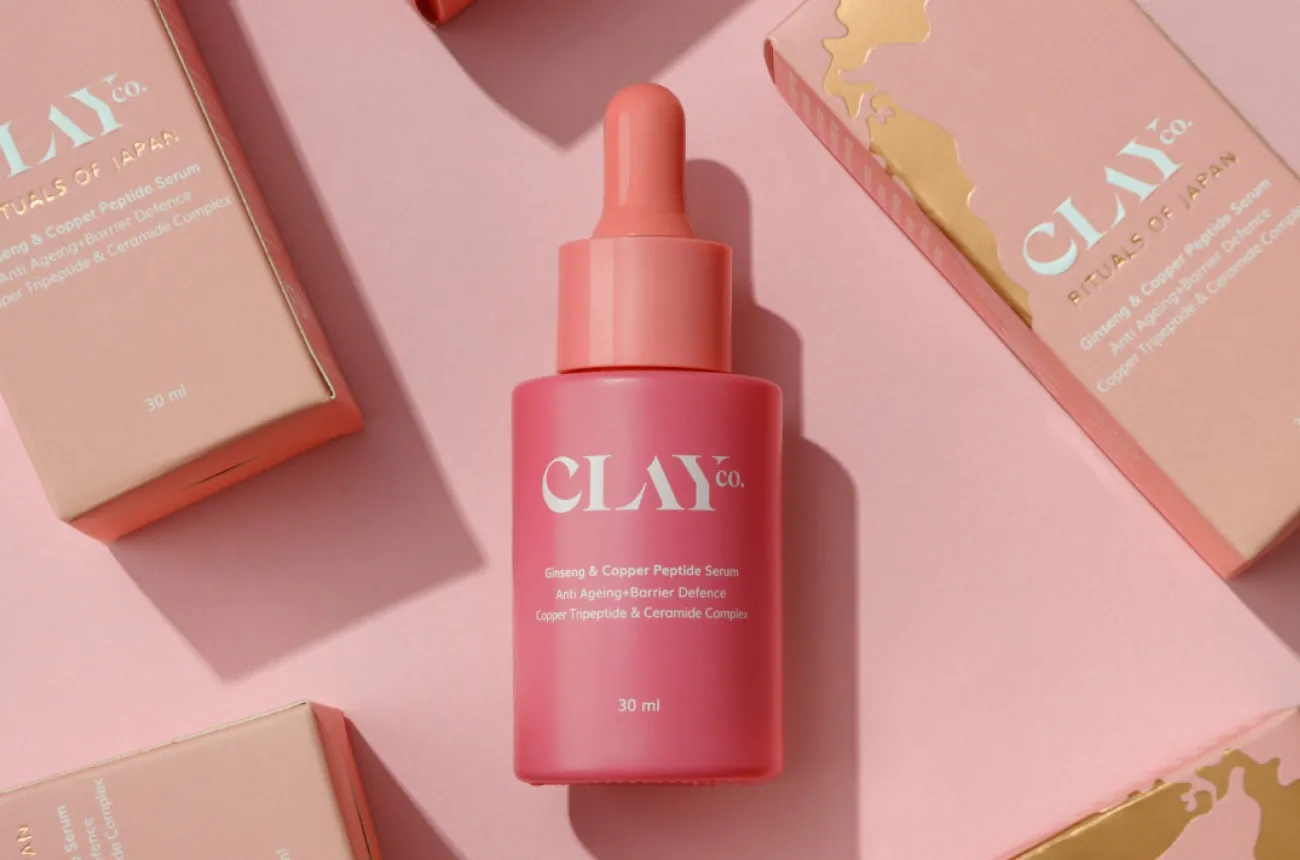
ClayCo designed a platform built to hold every beauty ritual on earth, and three years in, it still only tells Japan’s story, and even that one is slipping.

Author:
Rishabh Jain

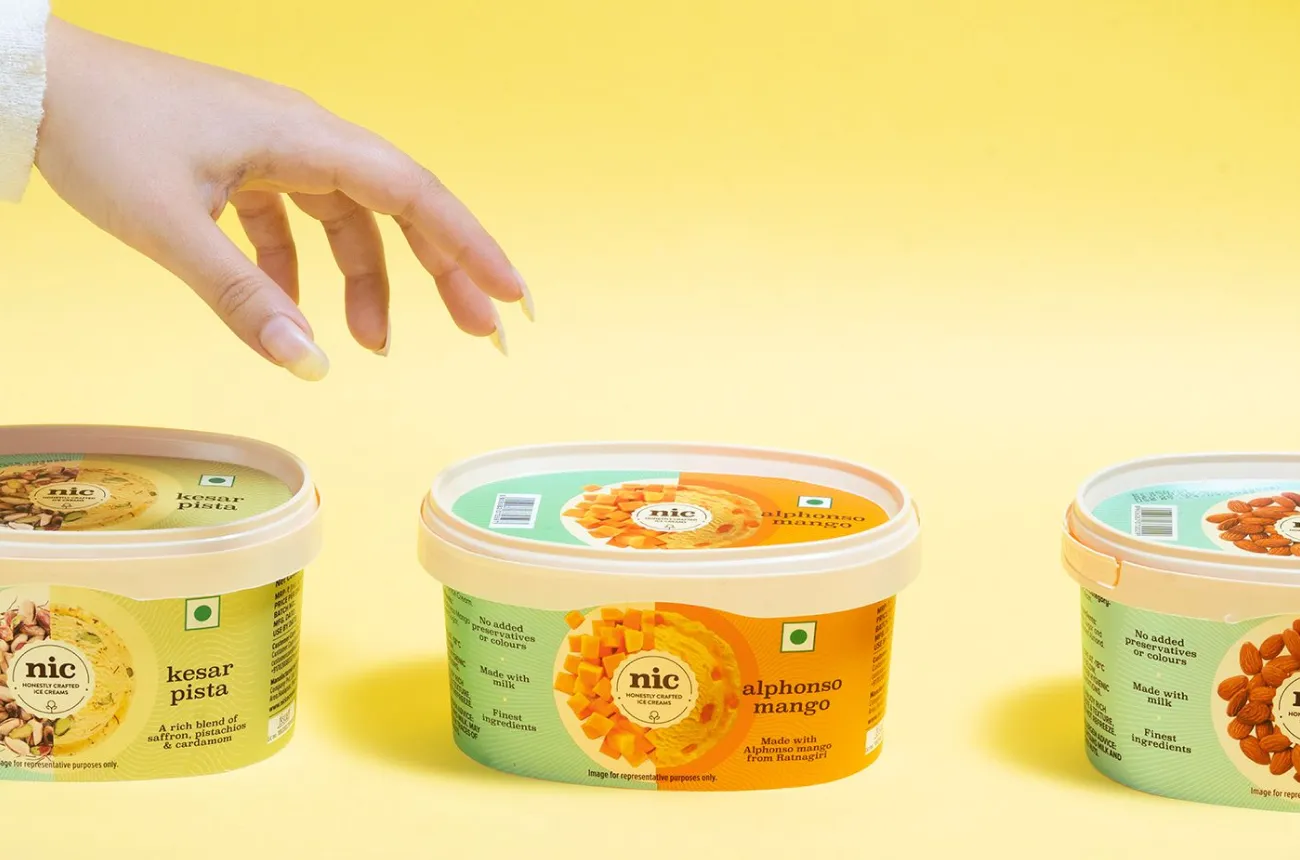
NIC built a well-run house of ice cream brands, and gave its flagship label a name that keeps doing marketing work for a rival called Naturals.

Author:
Rishabh Jain

Foxtale is the upcoming skincare brand with colour coded packaging that customers can spot before reading the label, and now has to prove that colour can carry a brand once everyone else copies it.

Author:
Rishabh Jain

Rhode built a billion dollar exit on three products and one food led idea, and sold it for $10M in e.l.f Beauty in just 11 days.

Author:
Rishabh Jain

How Kimirica turned five-star hotel amenities into a bootstrapped Rs 300 crore vegan luxury bath and gifting brand.

Author:
Rishabh Jain

How BlissClub built India's most talked-about women's activewear brand from a WhatsApp community, and why profitability is now the harder game.

Author:
Rishabh Jain

How Inde Wild became the first homegrown Indian brand to sell out at Sephora US through founder-led branding and a modern take on Ayurveda.

Author:
Rishabh Jain

How Zouk built a Proudly Indian, PETA-approved bag brand by turning Indian handicraft into modern everyday carry, and why becoming iconic is the next design problem.

Author:
Rishabh Jain

How Hyphen used Kriti Sanon as a co-founder rather than a mascot to build a skincare brand in two years, and why credibility is now its real battle.

Author:
Rishabh Jain

How Needledust turned the traditional jutti into a luxury, celebrity-worn shoe, and why growing beyond the occasion is its next design problem.

Author:
Rishabh Jain

How Dancing Cow turned animal rescue into an alt-dairy brand, and why its two names now compete for the same shelf.

Author:
Rishabh Jain

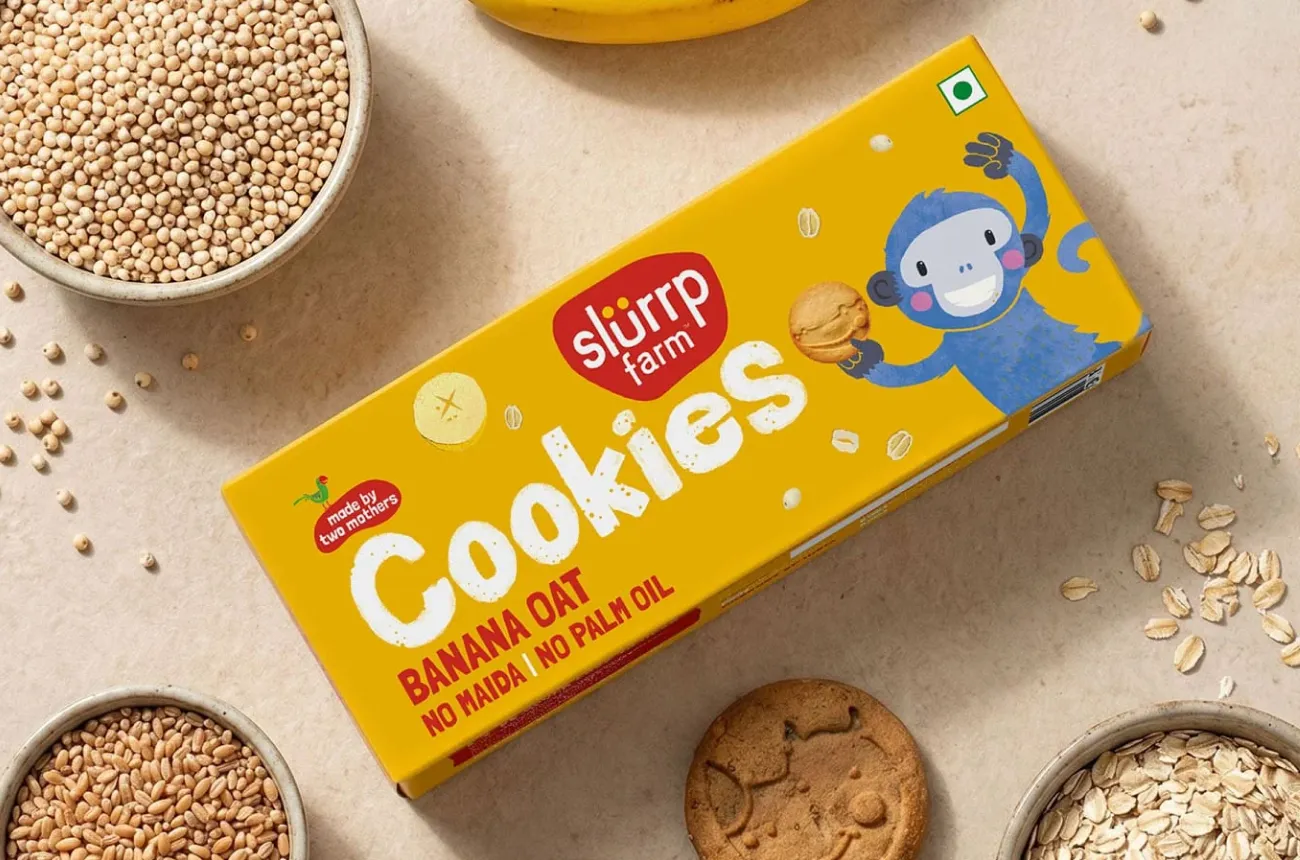
How Slurrp Farm made millets a children's food category through design-led packaging and a parent community it built itself.

Author:
Rishabh Jain

How Soulflower turned two decades of aromatherapy expertise into India's best-selling online hair oil, and why coherence is now its design challenge.

Author:
Rishabh Jain

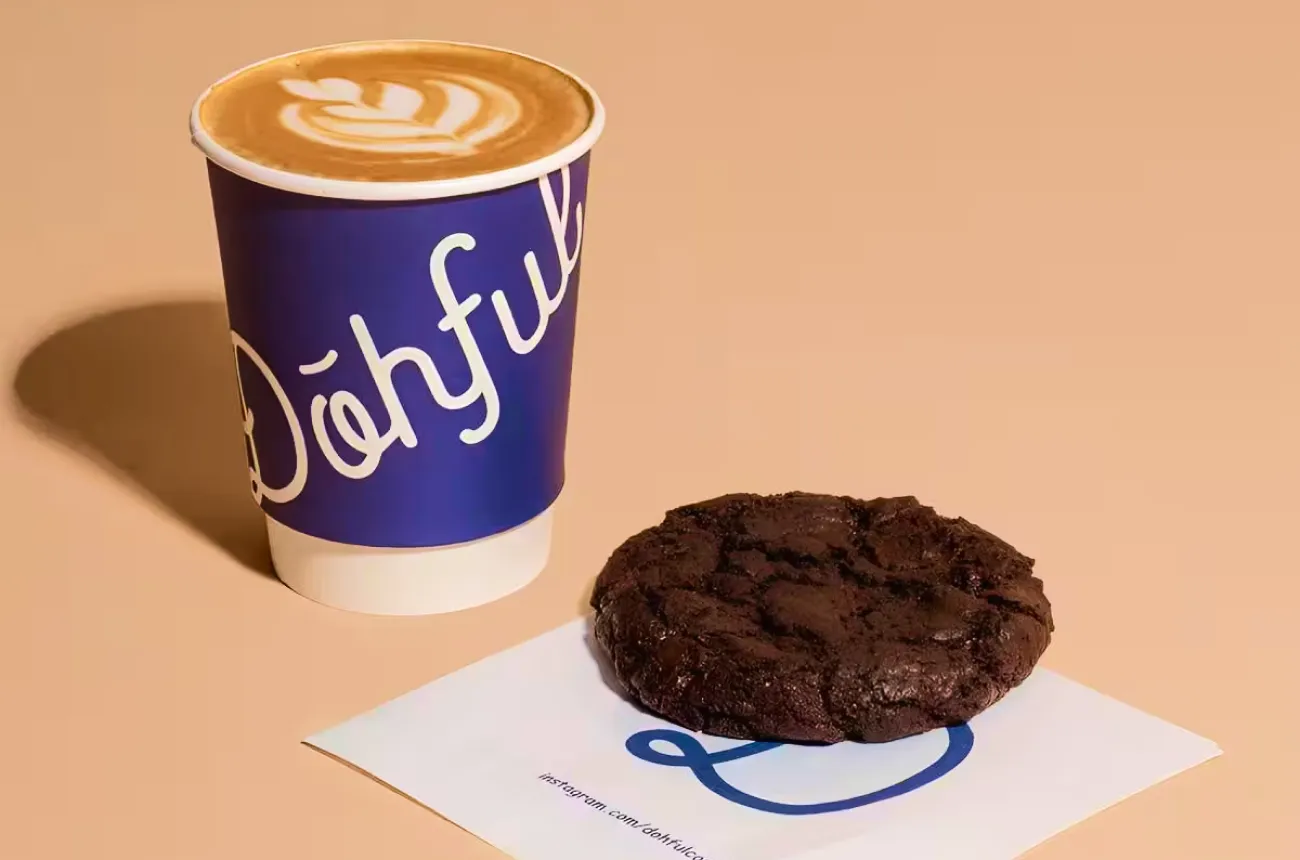
How Dohful turned soft-baked cookies and a candid founder newsletter into India's most intimate D2C brand, and why its offline pivot is the real test.

Author:
Rishabh Jain

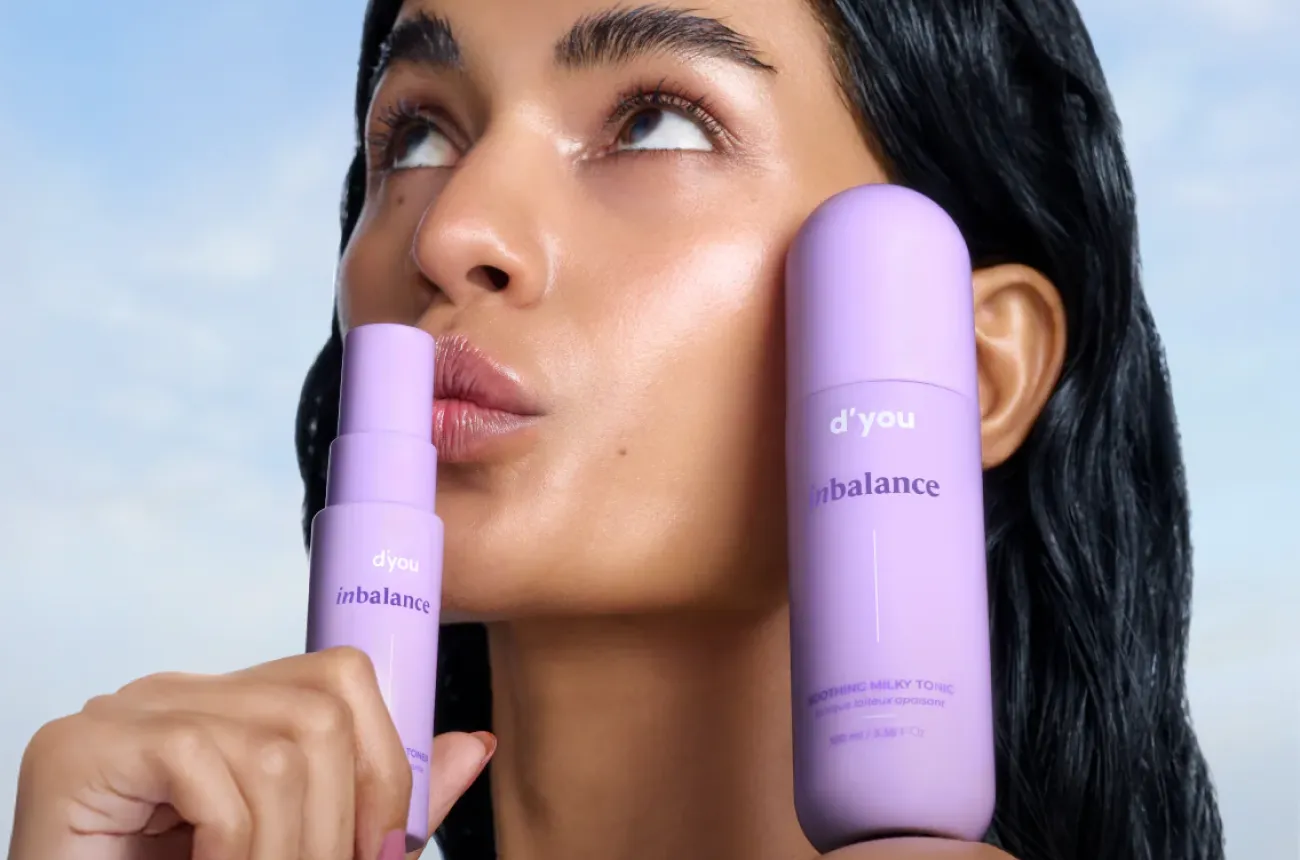
How d'you turned a single 11-active serum into a bootstrapped, profitable cult skincare brand by making the formula the whole brand.

Author:
Rishabh Jain

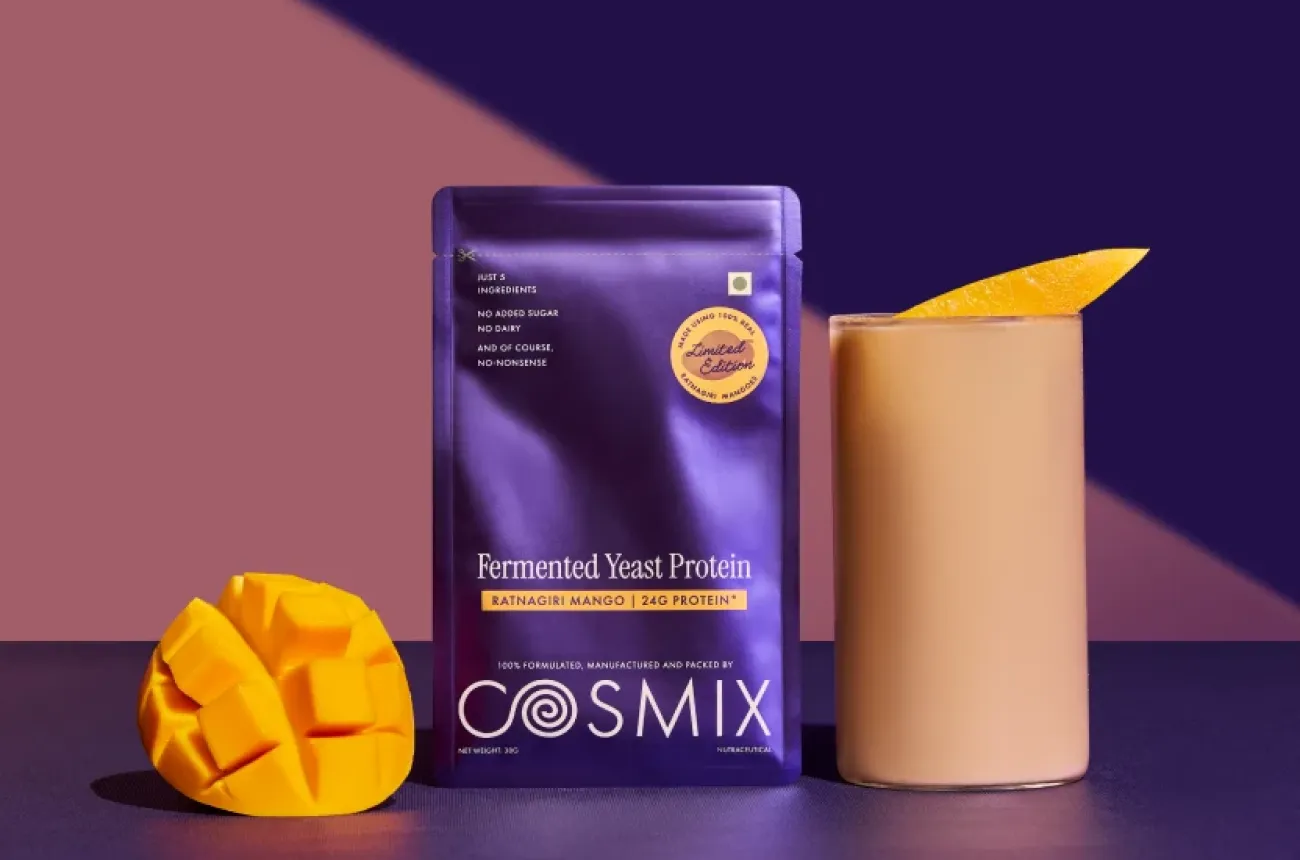
Cosmix built one of India's cleanest supplement brands through root-cause formulation and founder-led education, and earned a Marico buyout doing it.

Author:
Rishabh Jain

XYXX has cracked distribution in a way almost no premium Indian menswear brand has, but that same reach is now the thing putting its premium identity at risk.

Author:
Rishabh Jain

Bombay Shirt Company built a genuine zero inventory business on the promise that a shirt made for you fits better than one made for everyone, and now it has to prove that promise still holds across 40 stores.

Author:
Rishabh Jain

Palmonas turned a Bollywood actor into an equity holding co-founder and rode that bet to 40x revenue growth, but the brand behind the face still looks like every other demi-fine label on the shelf.

Author:
Rishabh Jain

India built the luxury Ayurveda category around Kama, and the brand is now watching a rival it once matched get bought outright by a global beauty giant.

Author:
Rishabh Jain

How Plix grew to Rs 436 crore by solving a format problem before a formulation problem, built a browse-by-plant experience no competitor has matched.

Author:
Rishabh Jain

How Benne built a Rs 350 crore brand story from a 12-seater dosa café in Bandra by picking one product, doing it obsessively well, and letting the queues tell the rest of the story.

Author:
Rishabh Jain

How Bummer built the first genuine personality in Indian innerwear, survived Ashneer Grover's "doglapan" moment on national television, and still has the most important question in front of it: how does a brand this loved become a business this large?
Author:
Rishabh Jain

How Nicobar built India's most disciplined lifestyle brand by refusing to raise capital, discount, or borrow a design language from anywhere else, and why it has become the quiet reference point for an entire generation of Indian founders.

Author:
Rishabh Jain

How Moxie Beauty told Indian women with curly and wavy hair something the global haircare industry had never bothered to say: it was never your hair, it was always the product.

Author:
Rishabh Jain

How Forest Essentials turned ancient Indian Ayurveda into a Rs 585 crore global luxury brand, and why the full Estée Lauder acquisition announced in March 2026 is the most consequential moment in its 25-year history.

Author:
Rishabh Jain

How Sleepy Cat built India's most coherent sleep brand by doing the one thing its better-funded rivals forgot: staying obsessively focused on sleep, and nothing else.

Author:
Rishabh Jain

How Country Bean made flavoured coffee India's softest entry into specialty before anyone else thought the market was ready, and why the brand that opened the category needs a next act before the market moves fully past it.

Author:
Rishabh Jain

How Nuuk is filling the gap between Dyson and cheap imports with design-first home appliances built for modern Indian homes, and why the brand identity now needs to move as fast as the product has.

Author:
Rishabh Jain

How Poppi turned colour, a founding story, and a TikTok community into a USD 1.95B acquisition by PepsiCo and why its biggest design challenge now has nothing to do with the can.

Author:
Rishabh Jain

How ZYN used design precision and sport sponsorship to make nicotine feel like a premium lifestyle choice, and what that reveals about the power and limits of branding.

Author:
Rishabh Jain

How OLIPOP made gut health fun instead of clinical, built a USD 1.85B brand that turned down acquisitions from both Coke and Pepsi, and became the last serious independent in a category that consolidated around it.

Author:
Rishabh Jain

How Gully Labs made Indian streets the design brief, built a Noida factory before most investors believed in it, and raised Rs 35 crore to prove the category is real.

Author:
Rishabh Jain

How NOTO spotted India's guilt-free ice cream opportunity before anyone else, earned 87 investors across eight rounds, and why the packaging and portfolio focus need to catch up with the founding insight before the competition does.

Author:
Rishabh Jain

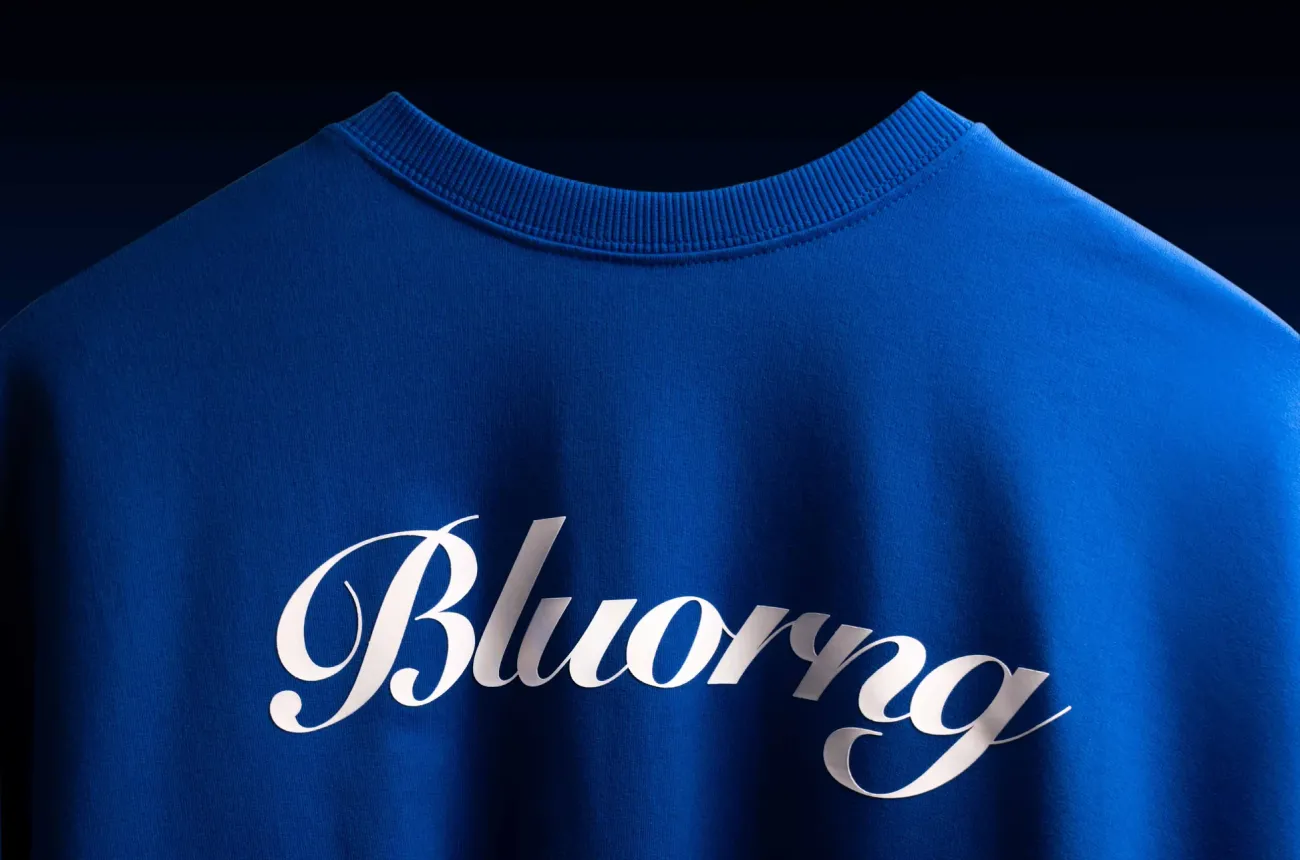
How Bluorng proved that Indian streetwear does not need a Western reference point to command Rs 20,000 for a sweatshirt, and what it means for every brand building in a category that did not exist before they arrived.

Author:
Rishabh Jain

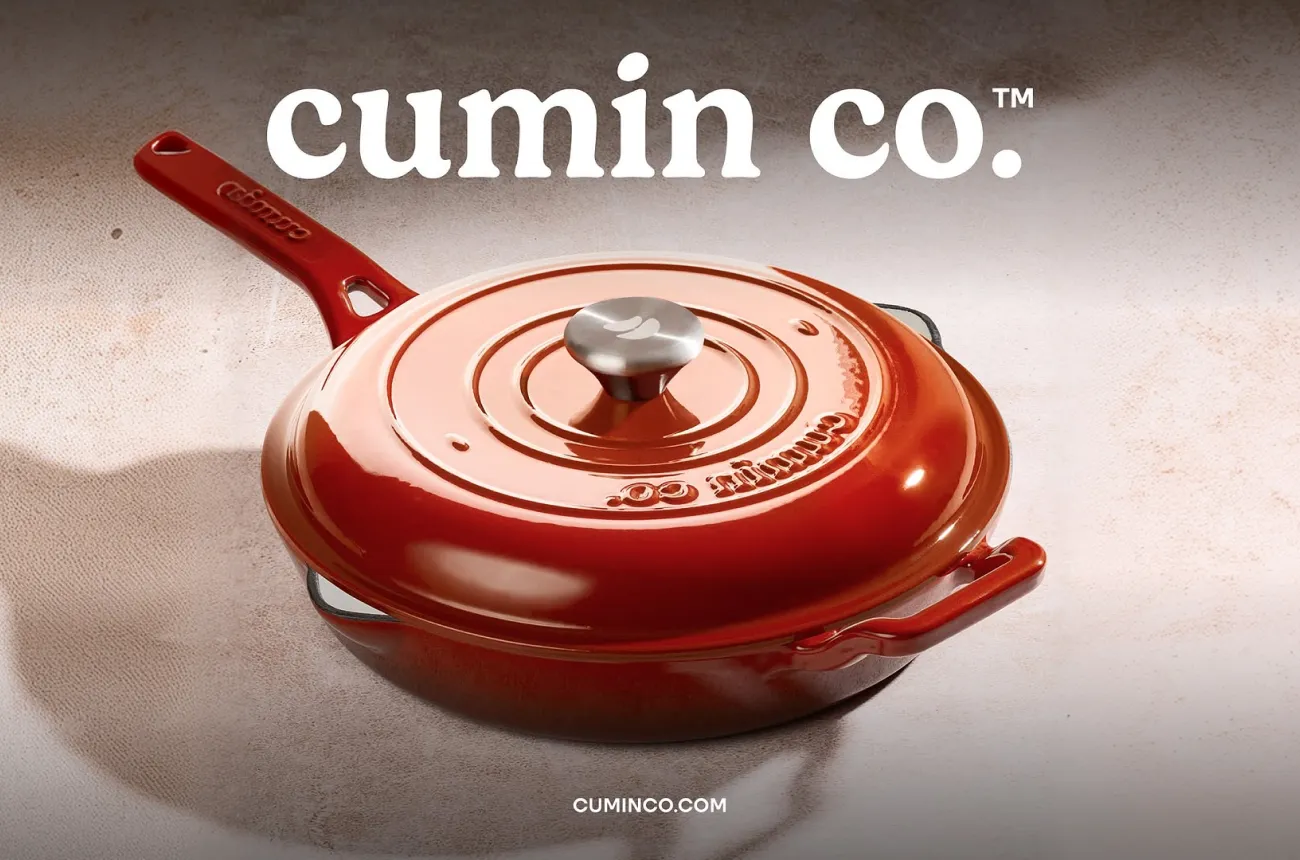
How Cumin Co consolidated India's scattered cookware market with patented technology and design so good that people ask where to buy it, and why the brand building work is what comes next.

Author:
Rishabh Jain

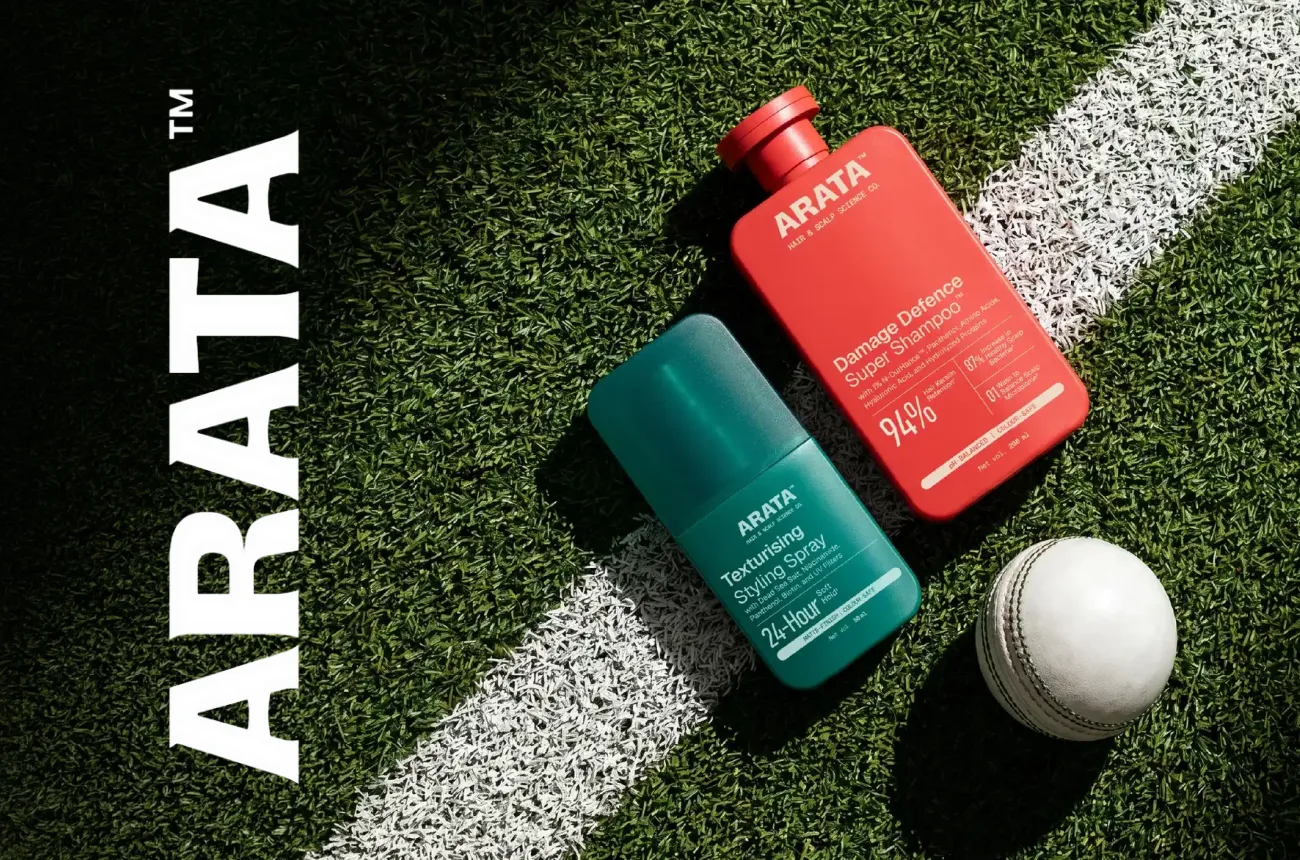
How Arata built a 1.5 million customer haircare business on product quality and quick commerce reach alone, and why both Unilever and L'Oréal invested in it.

Author:
Rishabh Jain

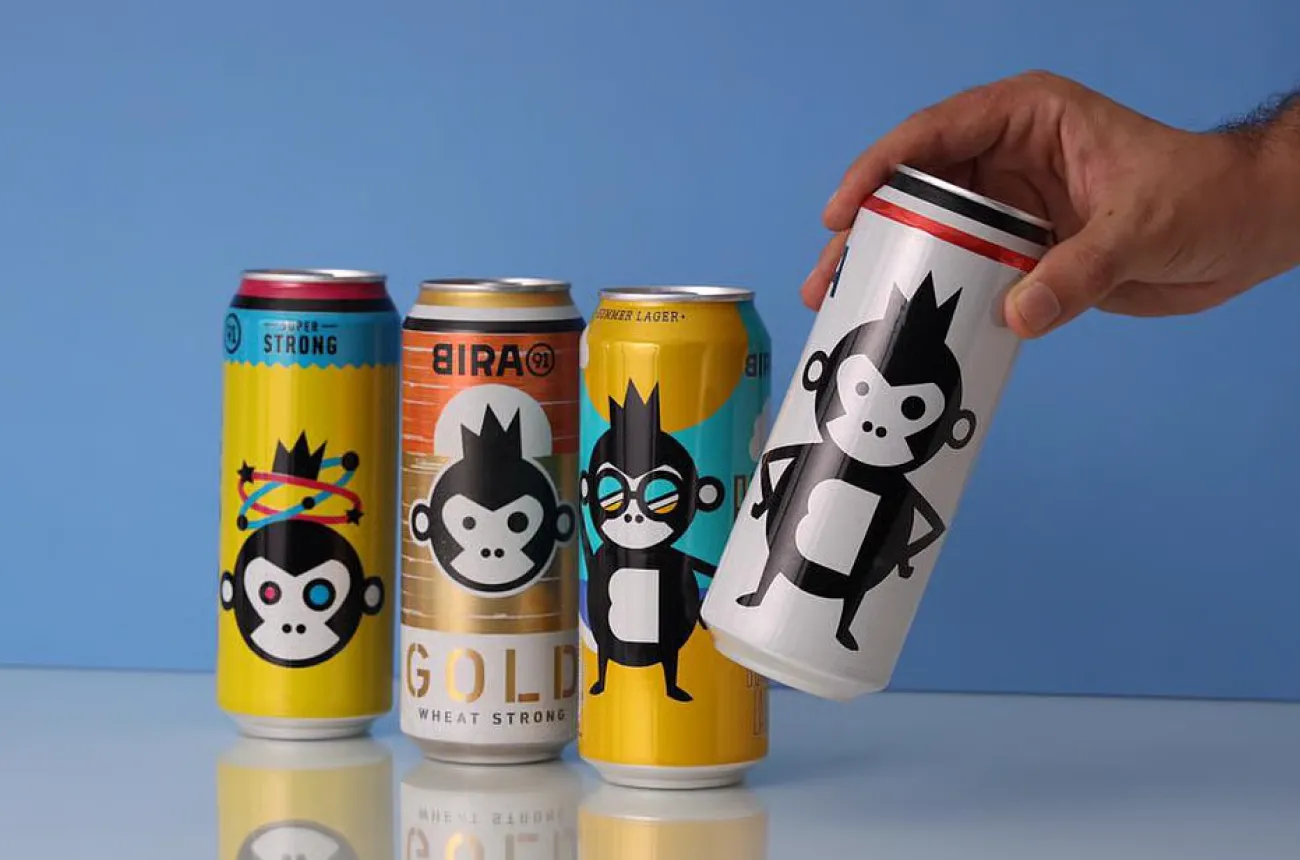
How Bira91 created India's craft beer category, became the default drink of a generation, and why the brand's cultural achievement and the business's financial crisis are two entirely separate stories.

Author:
Rishabh Jain

How Neeman's democratised sustainable footwear for India rather than premium-ising it, and why the brand identity has not yet caught up with the product's ambition.

Author:
Rishabh Jain
Rare Rabbit Brand Audit By Confetti Design Studio

How Rare Rabbit built India's most commercially serious premium fashion brand on product restraint, a tier 2-3 city strategy nobody talked about, and a monogram that does more brand work than any billboard could.

Author:
Rishabh Jain

How Yogabar built a decade of consumer trust on ingredient honesty, scaled to Rs 201 crore through ITC's distribution reach, and now faces its most important brand question yet.

Author:
Rishabh Jain

How Jaipur Rugs built the most powerful Indian luxury story in the world through 40,000 artisans, Paris Fashion Week, and a founder who started with a Rs 5,000 loan.

Author:
Rishabh Jain

How Snitch went from Rs 11 crore to Rs 900 crore in five years by building the fastest trend pipeline in Indian menswear, and why the next Rs 900 crore requires something the machine cannot produce by itself.

Author:
Rishabh Jain

Mokobara made Indian luggage worth wanting. Whether it can hold its ground as the scrutiny grows is the next design problem to solve.

Author:
Rishabh Jain

How the Comet sneakers brand is building hype in India through iconic design, limited drops and streetwear culture.

Author:
Rishabh Jain

How UnderNeat is normalising shapewear in India through influencer-led branding, real women, and category-first storytelling.

Author:
Rishabh Jain

How Subko turned specialty coffee into a South Asian cultural movement: a Confetti brand audit.

Author:
Rishabh Jain

How Tipsy Tiger built a cocktail mixer brand with more personality than most funded competitors, and what it needs to do to translate that identity into breakout commercial scale.

Author:
Rishabh Jain

4700BC turned a commodity snack into a gourmet category, attracted PVR INOX and then Marico, and built the most disciplined brand identity in Indian premium snacking.

Author:
Rishabh Jain

Bold Care turned one of India's most stigmatised categories into a Rs 100 crore conversation. The next chapter is about proving the brand can convert attention into sustainable profit.

Author:
Rishabh Jain

Bombay Shaving Company scaled faster than most Indian D2C brands ever will. The question now is whether the brand system can catch up with the ambition.

Author:
Rishabh Jain

How The Good Bug made gut health feel like a lifestyle choice rather than a medical prescription, and why brand consistency is now the most important product it needs to build.

Author:
Rishabh Jain

How Vahdam built a globally scaled Indian tea brand by controlling the supply chain from plantation to doorstep, without losing what makes it Indian.

Author:
Rishabh Jain

How Plum turns simplicity and functional design into a skincare staple, and what it takes to go from dependable to iconic.

Author:
Rishabh Jain

How Keventers blends a century of legacy with contemporary design to stay timelessly relevant in India's crowded indulgence category.

Author:
Rishabh Jain

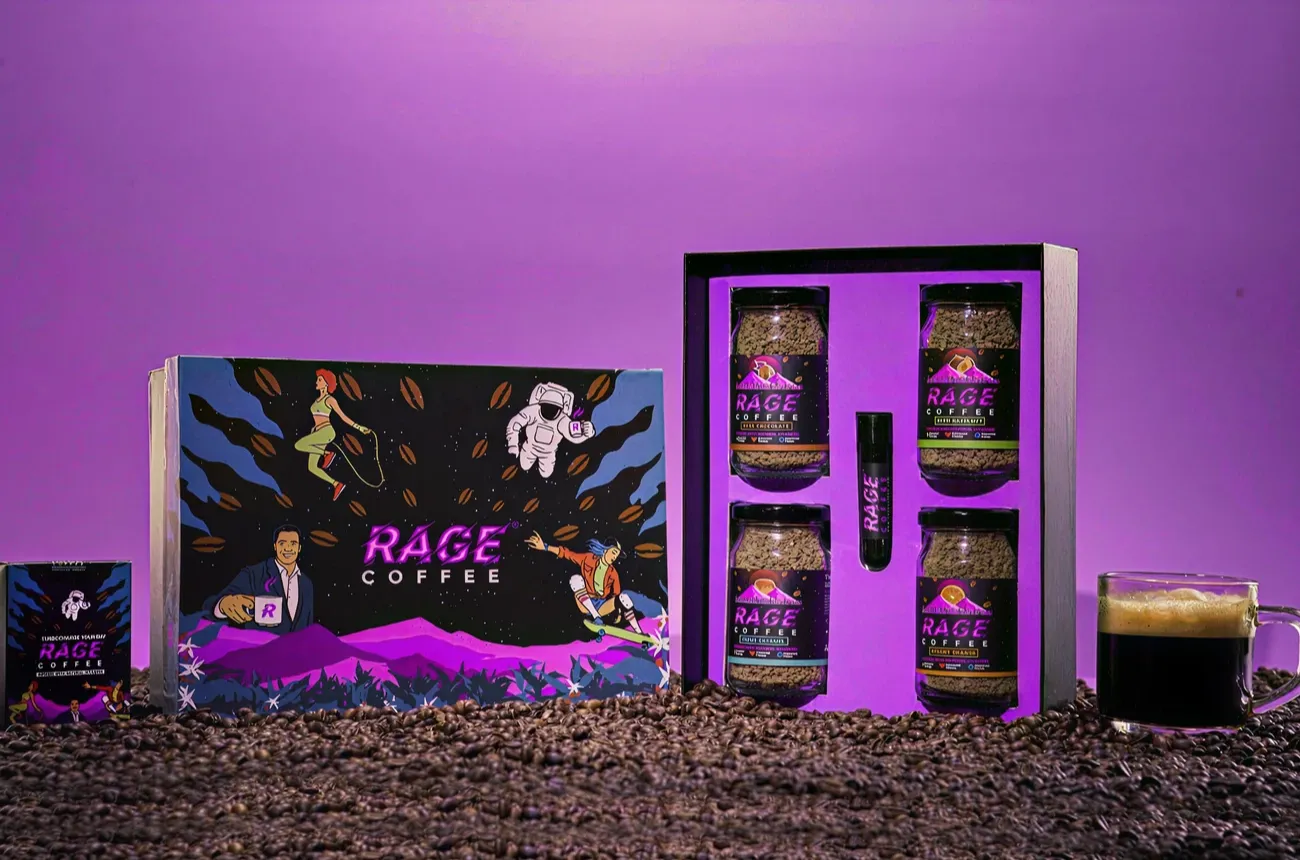
A closer look at how bold naming and visual cues turn coffee into an adrenaline experience, and why Rage Coffee has not fully committed to the promise its name makes

Author:
Rishabh Jain

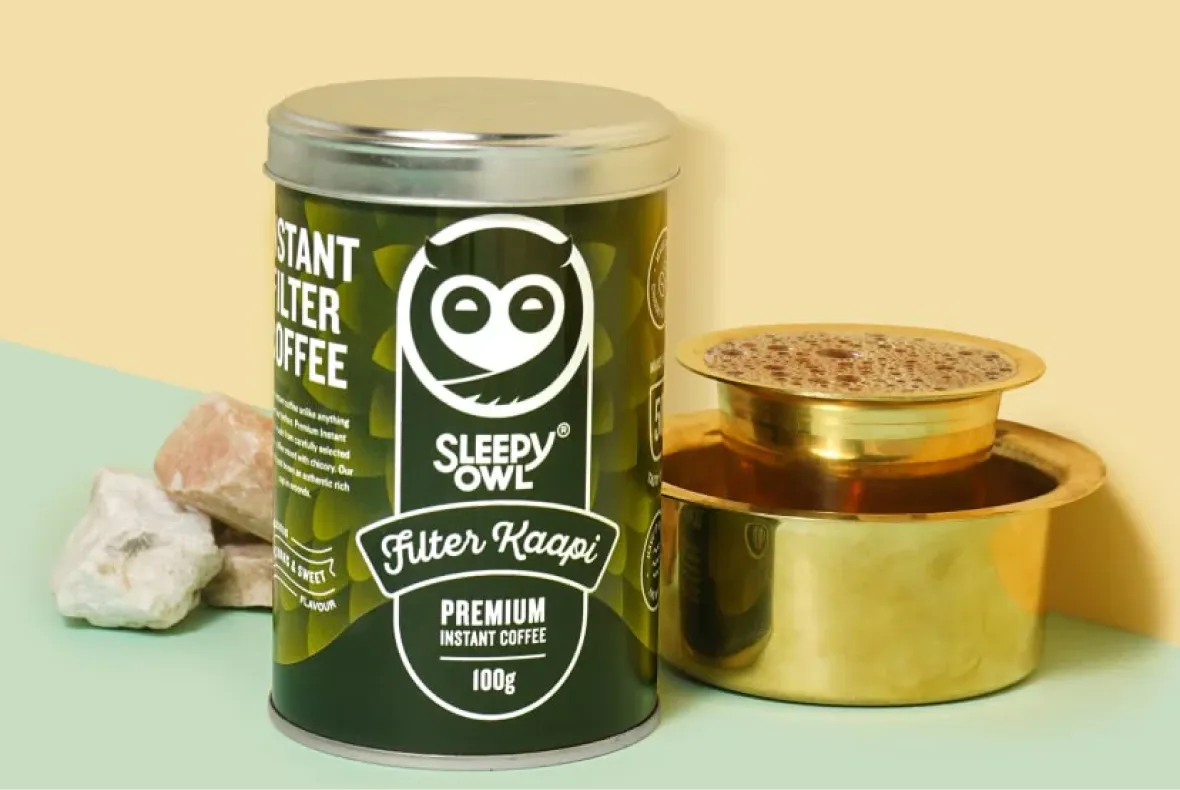
How Sleepy Owl made cold brew a habit for urban India, and why staying interesting is now the harder challenge.

Author:
Rishabh Jain

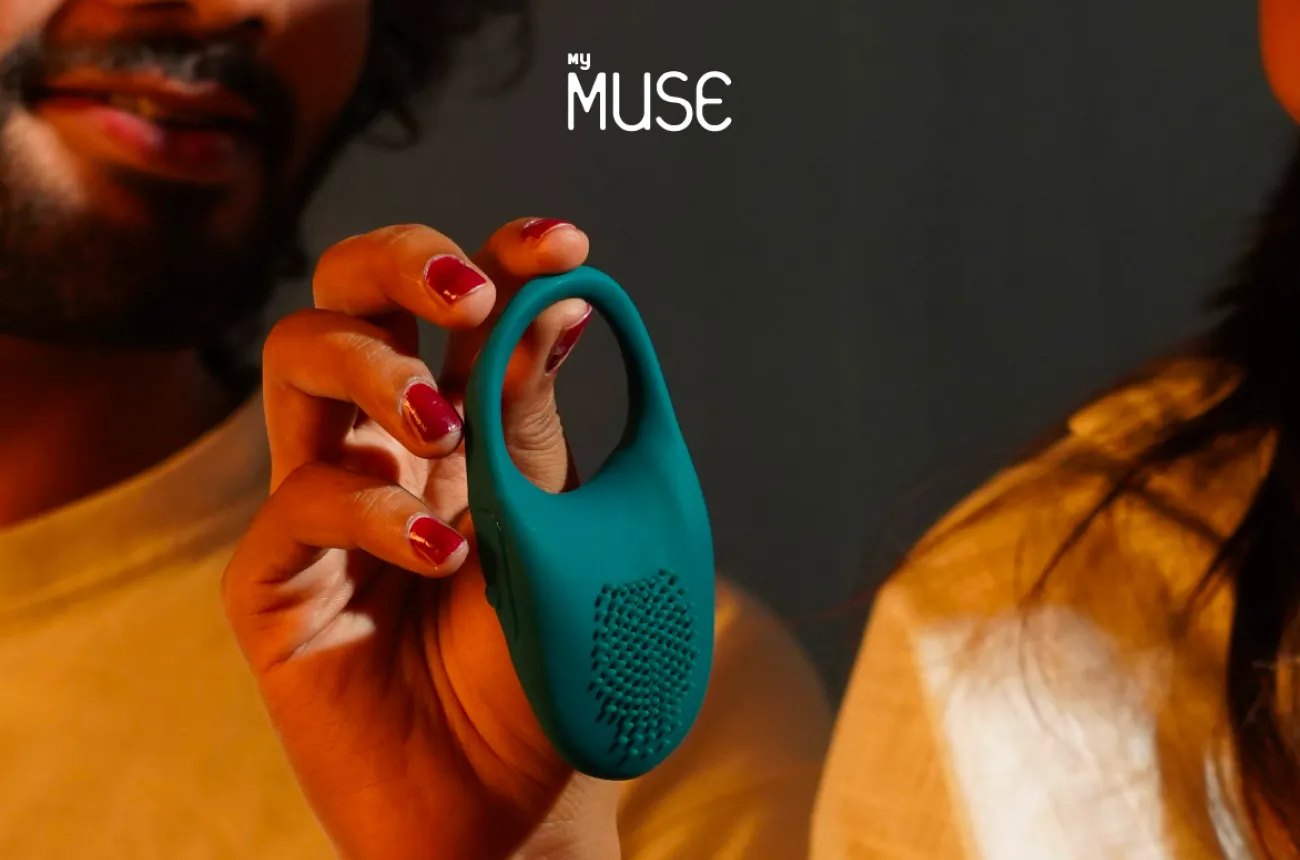
How MyMuse made sexual wellness feel safe, modern, and completely normal for India.

Author:
Rishabh Jain

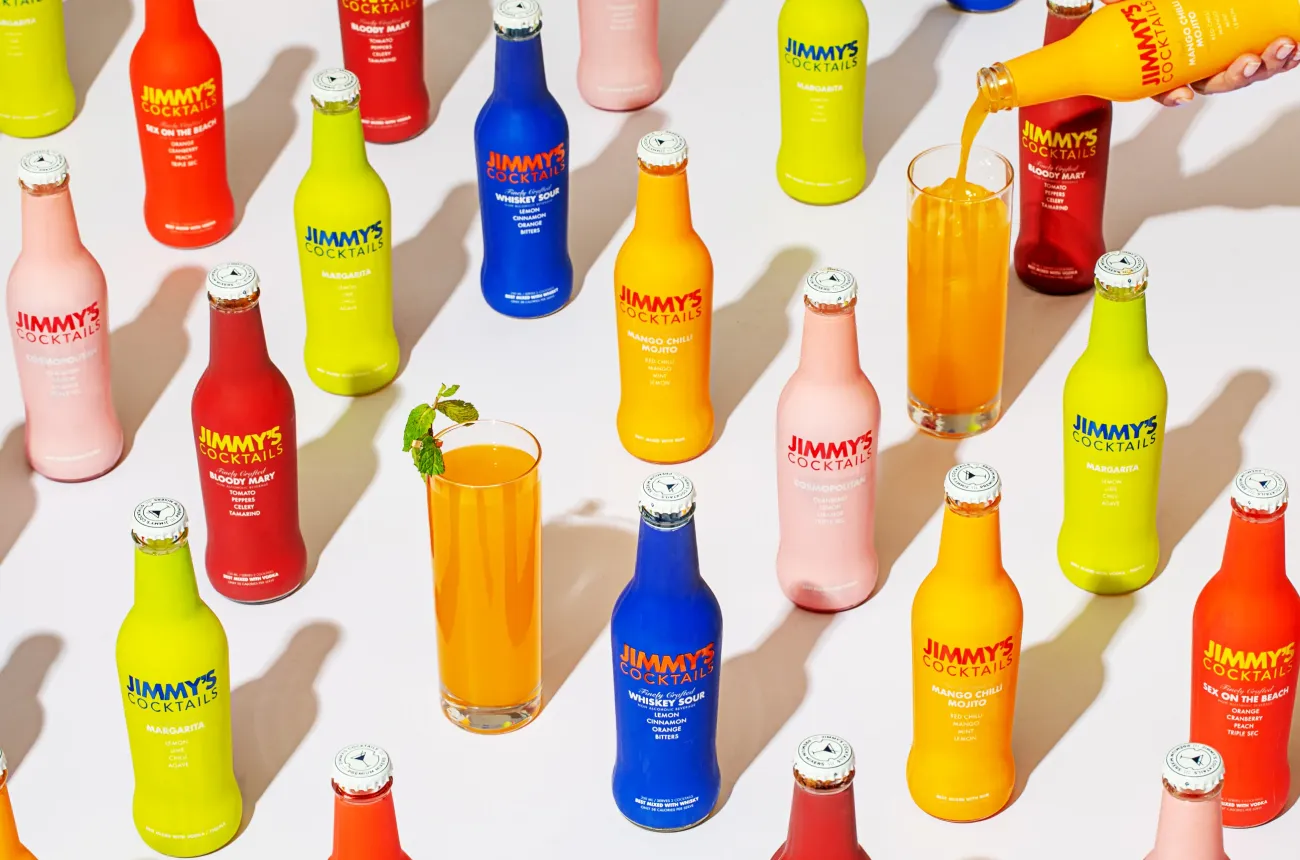
What happens when cocktail culture is designed for real homes, real parties, and real drinkers.

Author:
Rishabh Jain

How Indri became India's most awarded single malt by designing for all five senses, not just the glass.

Author:
Rishabh Jain

A look at how focus, simplicity, minimalism and intention built an unmistakably premium coffee experience.

Author:
Rishabh Jain

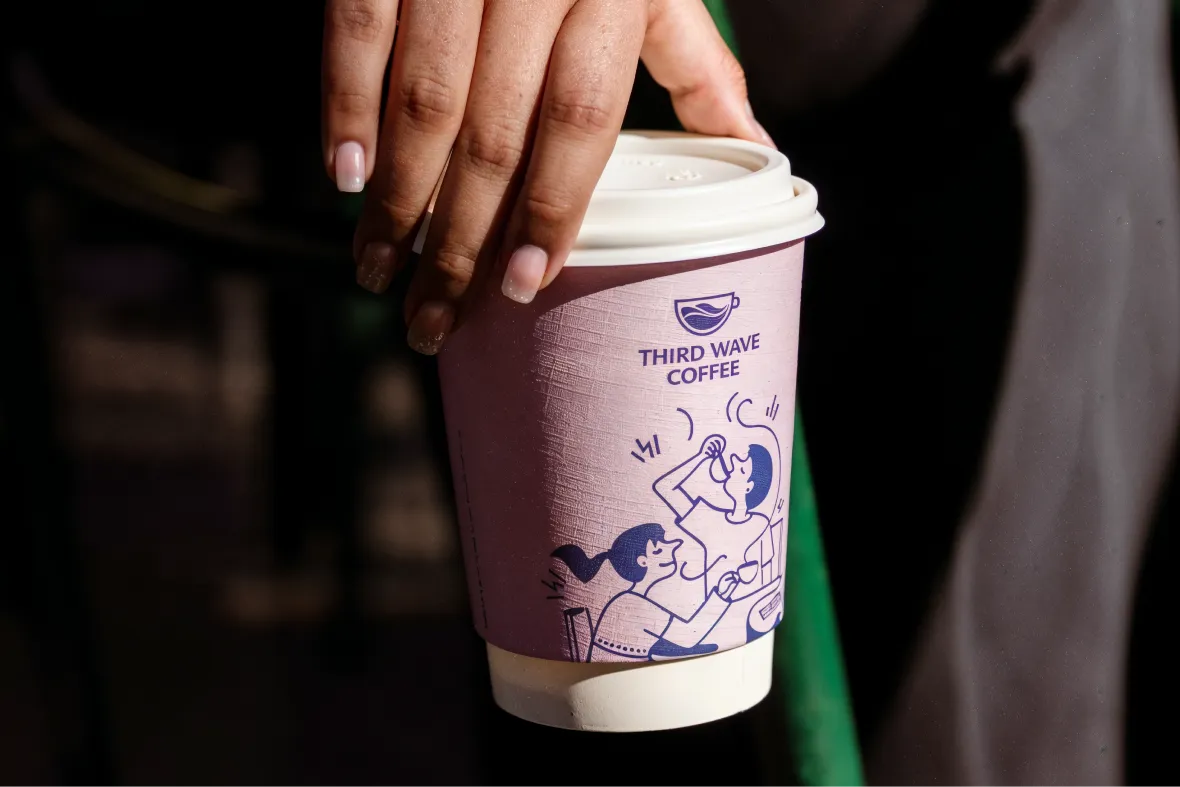
Third Wave Coffee put specialty coffee on the Indian map. The harder question now is whether it can protect the philosophy that made the name mean something.

Author:
Rishabh Jain

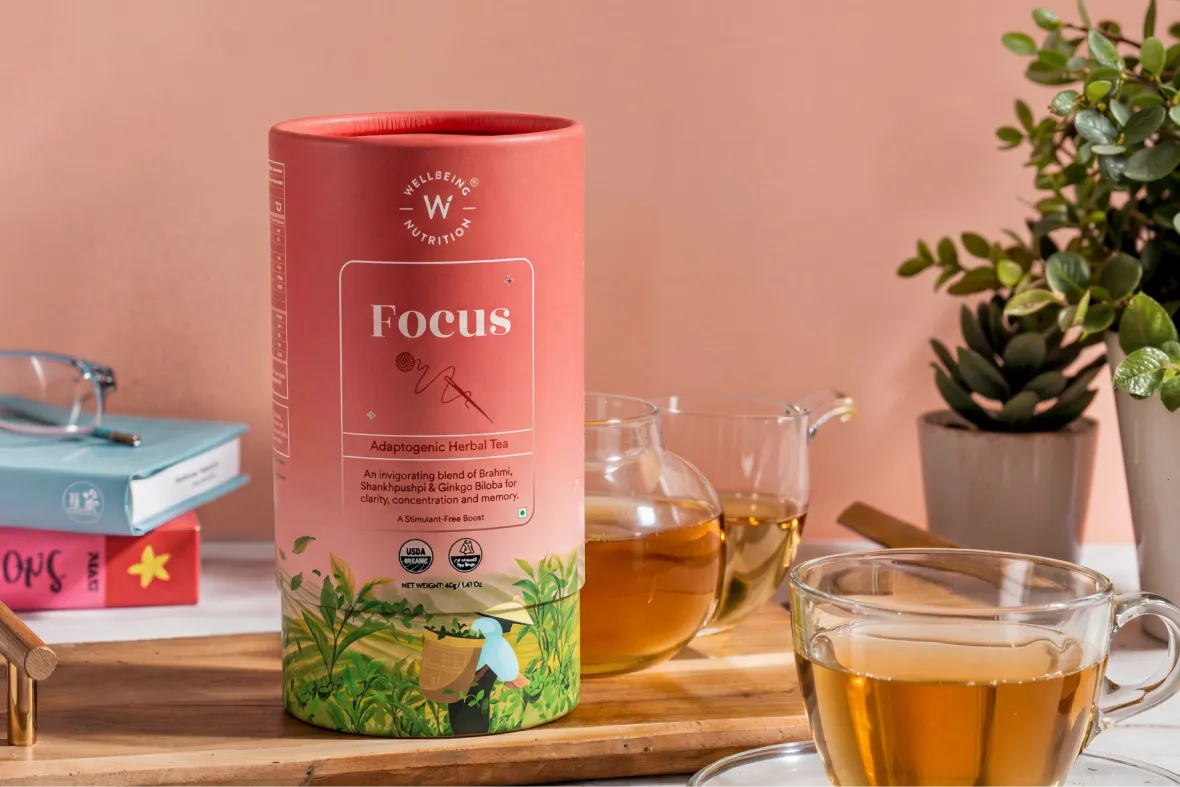
How Wellbeing Nutrition built a design system flexible enough to serve every age group without losing the plot.

Author:
Rishabh Jain

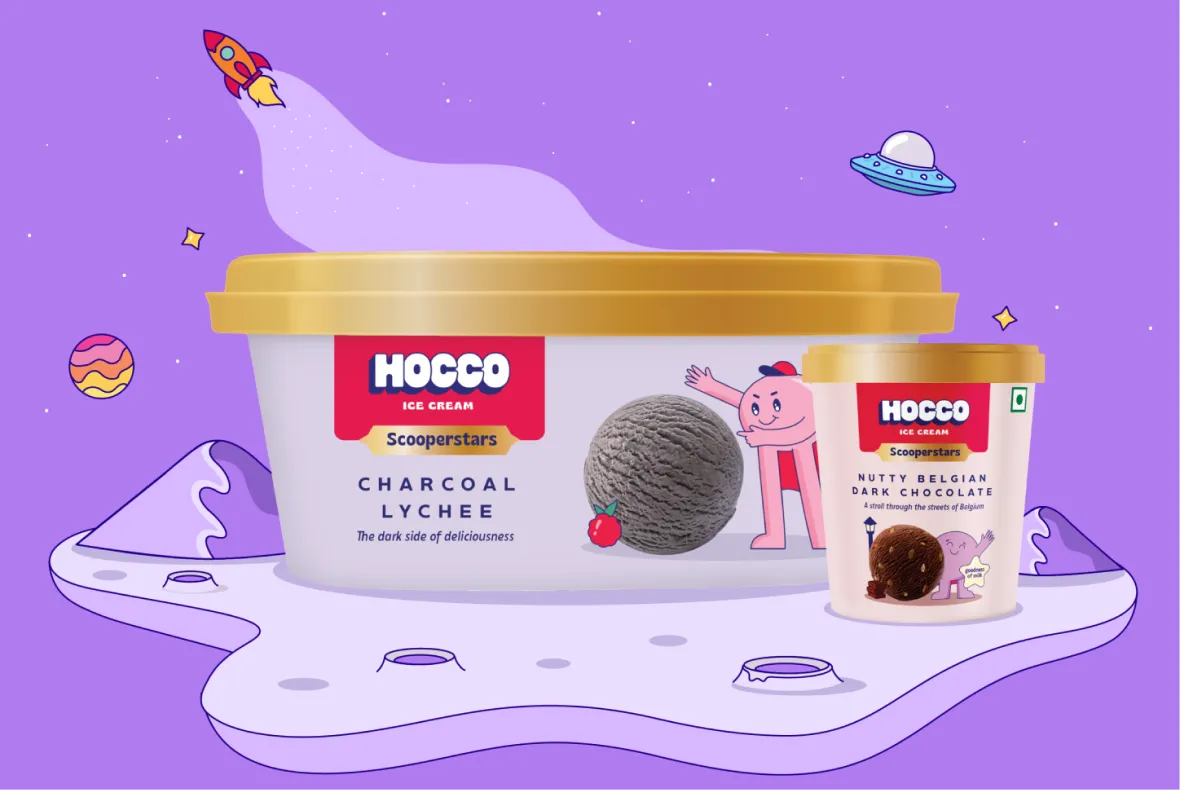
How Hocco reimagined indulgence through playful design, bold naming, and a joyful brand language that India's frozen aisles had never seen before.

Author:
Rishabh Jain

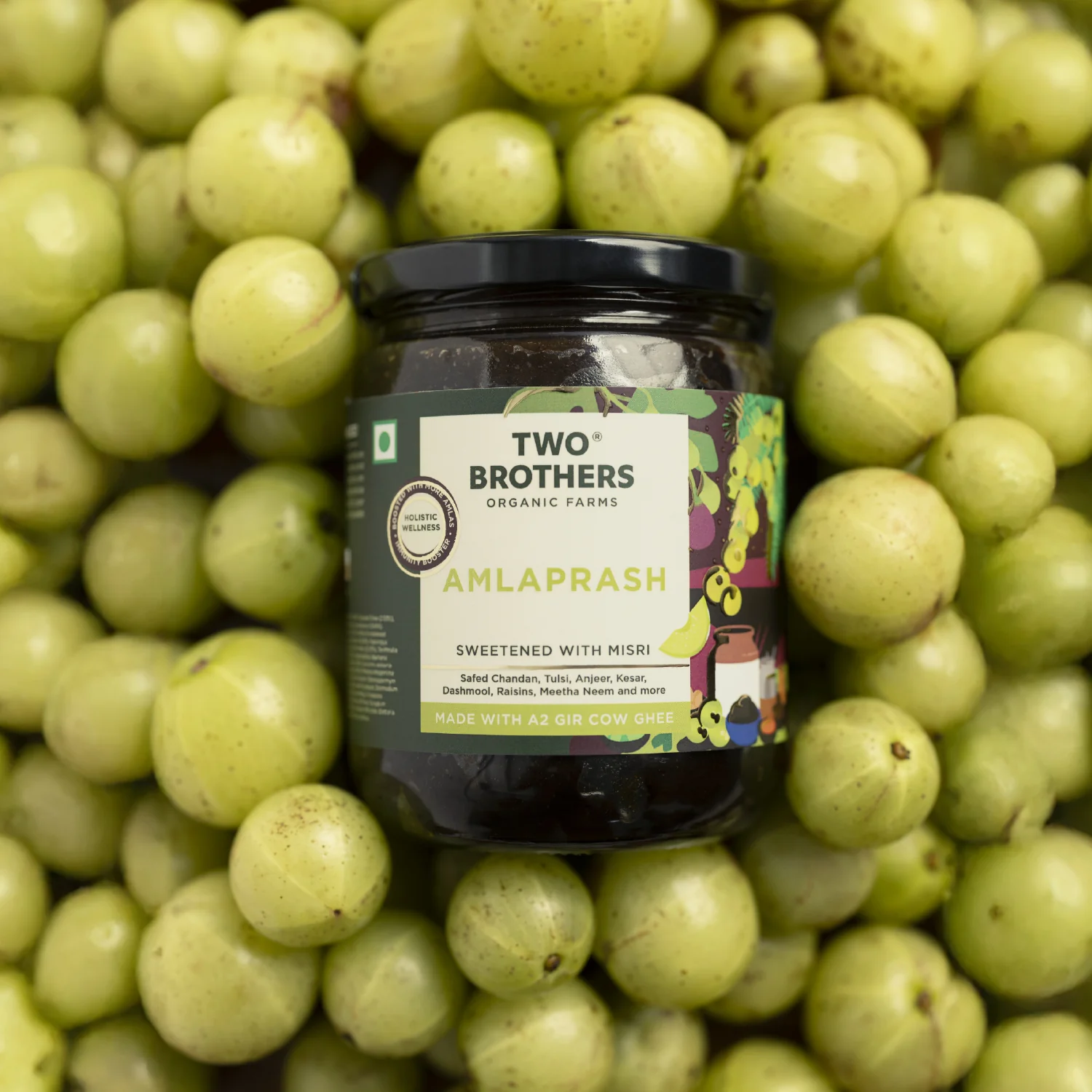
A closer look at how Two Brothers translates farm-first values into a trusted, premium identity.

Author:
Rishabh Jain

How The Whole Truth turned honesty into a design system, a business model, and a transparency movement.

Author:
Rishabh Jain

How SuperYou became India's fastest-growing celebrity D2C snack brand by making protein mainstream, not niche.

Author:
Rishabh Jain

How Paper Boat bottled childhood and sold it back to a generation, and why the next decade demands something more than memory.

Author:
Rishabh Jain

A closer look at how Phool reimagines a traditional ritual through sustainable design, storytelling, and modern luxury.

Author:
Rishabh Jain

How Mamaearth found the sweet spot between Patanjali and the Western beauty giants, and why that middle ground is getting harder to hold.

Author:
Rishabh Jain

Let’s Build The Next Big Thing

Portrait photo of Rishabh Jain, Founder of Confetti, smiling and sitting down.
Rishabh Jain's signature
Rishabh Jain
Founder @Confetti
Get Started
A stylized pink thunderbolt or lightning icon
Get Instant Response
We’re looking forward to talk to you!
There was an error in form submission.
Please try to submit the form again.

Global Recognition

The logo for the publication PACKAGING OF THE WORLD, featuring the word 'PACKAGING' in bold black capital letters and 'OF THE WORLD' in a smaller font size.
ITC Bingo Chatpat Kairi is featured in ‘Packaging Of The World', 2025
A product photograph showing a green bottle of 'Bingo! Chatpat Kairi' drink, surrounded by glasses of mango juice, a woven basket filled with raw green mangoes, and slices of mango.
The logo for the World Brand Design Society, which includes a black geometric symbol, the Royal Coat of Arms of the United Kingdom, and the words 'WORLD BRAND DESIGN SOCIETY'.
WhatABite is featured in ‘World Brand Design Society’, 2025
Close-up of a bag of orange-red 'WhatABite Chicken Chips (Barbecue)' resting on a bright yellow surface, surrounded by a laptop, an open book, a black vintage-style camera, a red thermos, and a small white bowl holding some of the chips.
The logo for the packaging editorial Dieline, represented by a black circle containing a stylized white 'D' shape.
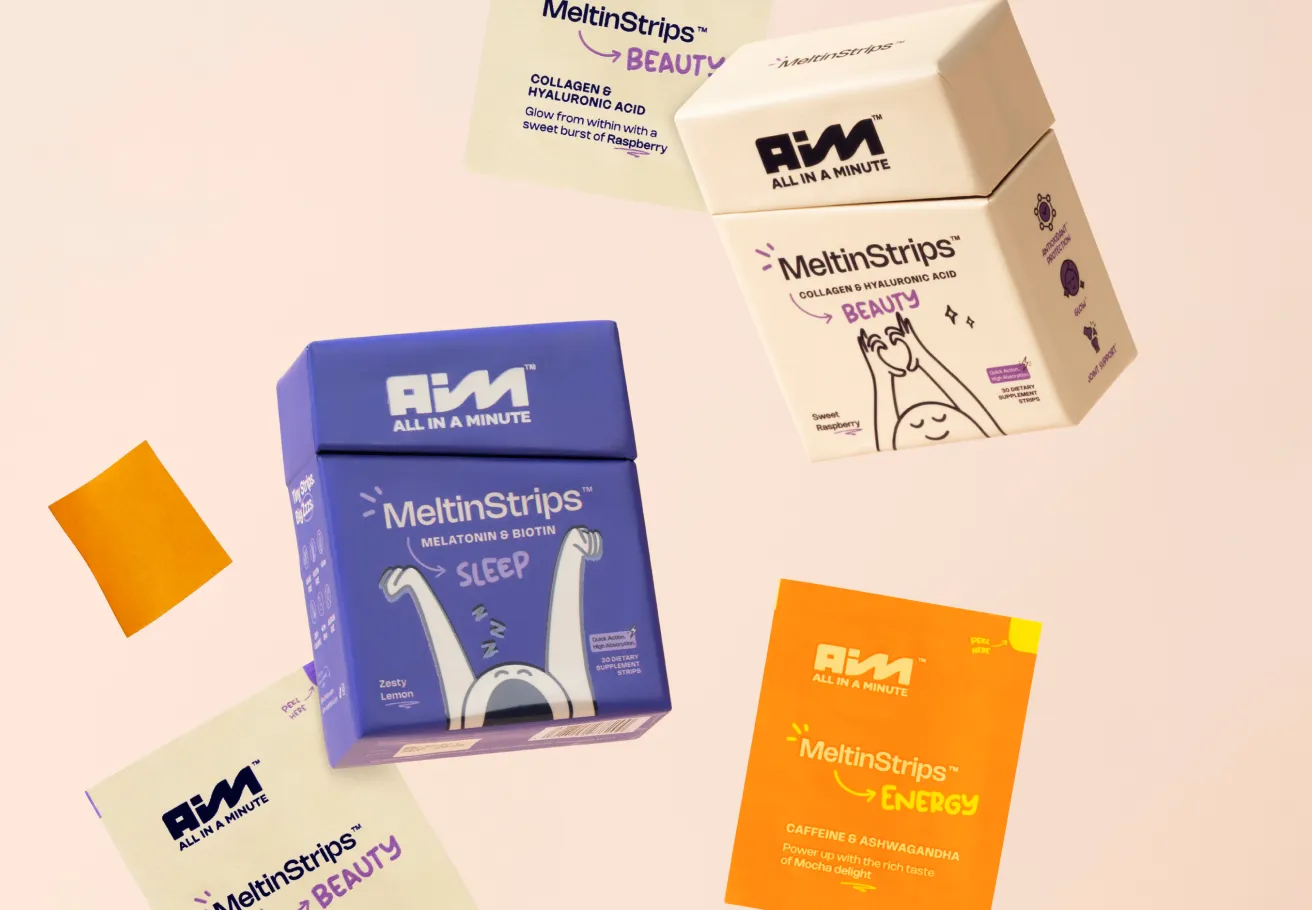
AIM Nutrition is featured on ‘Dieline, 2025’, a globally reputed packaging editorial
A flat lay photograph of several products from AIM Nutrition's 'MeltinStrips' line, including blue boxes for 'Sleep' and white boxes for 'Beauty,' along with small orange sachets for 'Energy,' all scattered on a light background
The logo for the publication PACKAGING OF THE WORLD, featuring the word 'PACKAGING' in bold black capital letters and 'OF THE WORLD' in a smaller font size.
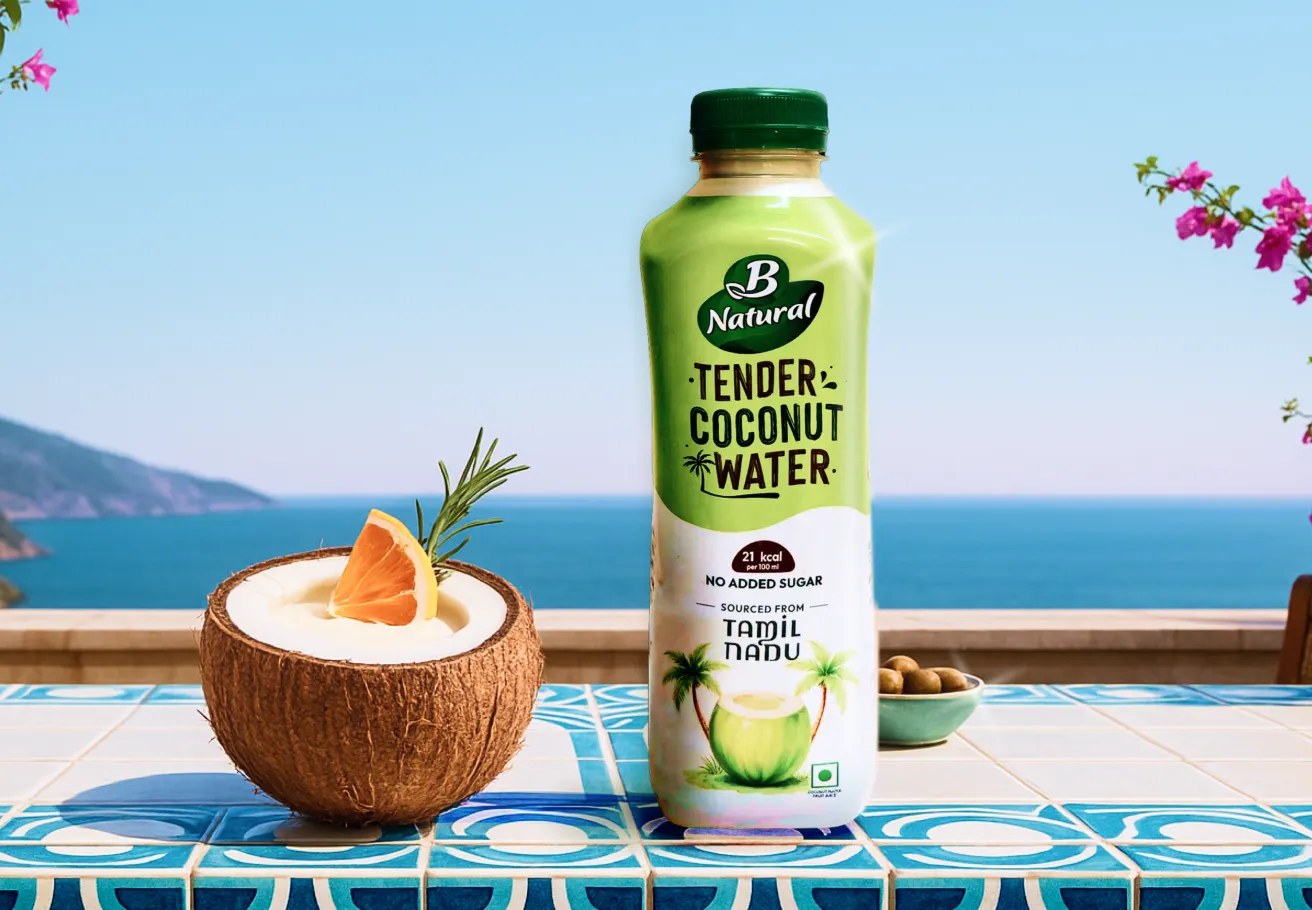
ITC B Natural is featured in ‘Packaging Of The World', 2025
A light green bottle of B Natural Tender Coconut Water sits on a blue and white patterned tile table next to a half coconut shell filled with a drink and garnished with a grapefruit slice and rosemary. The background is a bright seaside landscape with a blue ocean and distant cliffs.
The logo for the publication PACKAGING OF THE WORLD, featuring the word 'PACKAGING' in bold black capital letters and 'OF THE WORLD' in a smaller font size.
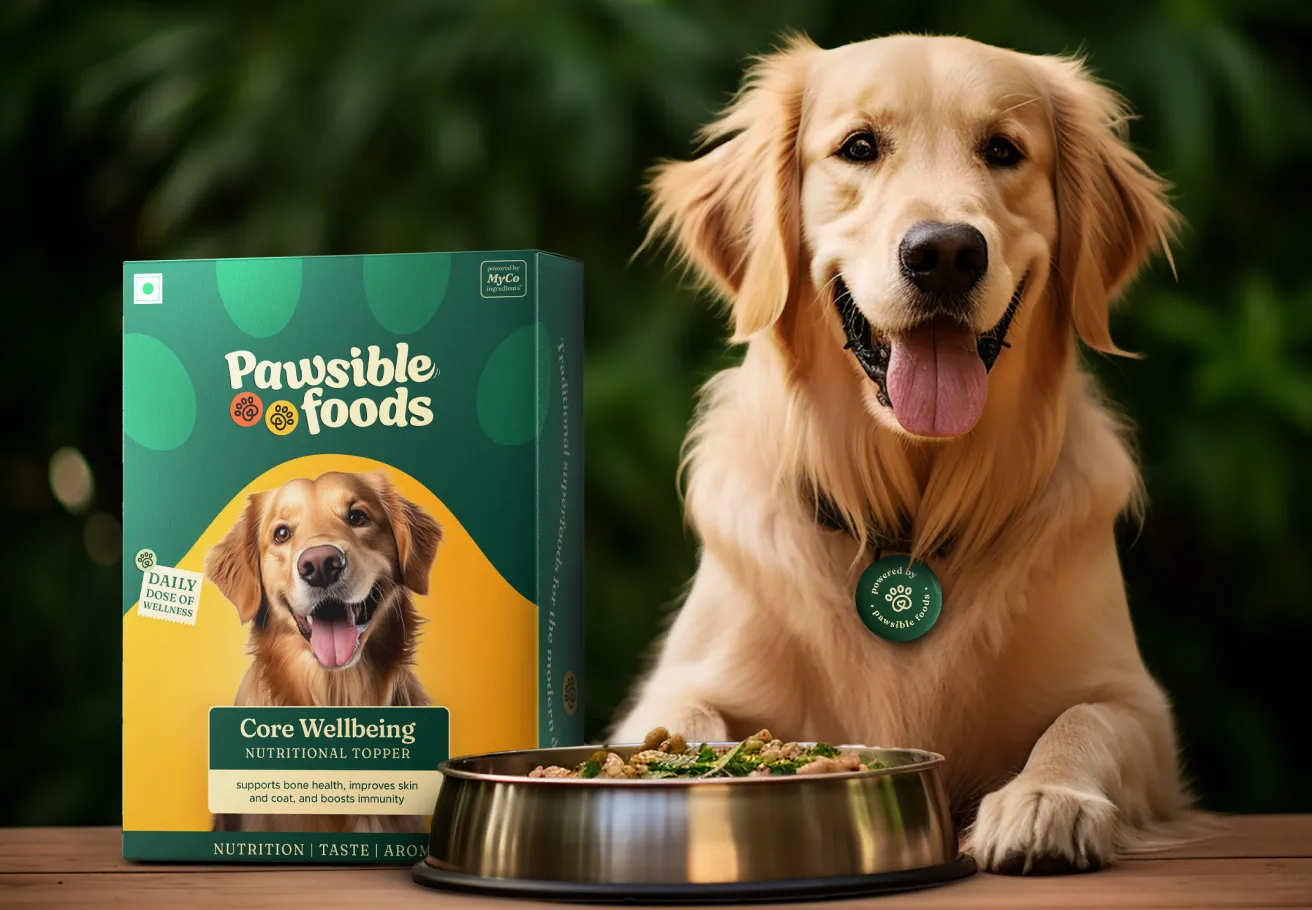
Pawsible Foods is featured in ‘Packaging Of The World', 2025
A smiling Golden Retriever dog wearing a green tag, leaning on a table next to a large green box of Pawsible Foods Core Wellbeing Nutritional Topper and a stainless steel bowl containing the food. The background is a blurred, lush green outdoor setting.
The logo for the publication PACKAGING OF THE WORLD, featuring the word 'PACKAGING' in bold black capital letters and 'OF THE WORLD' in a smaller font size.
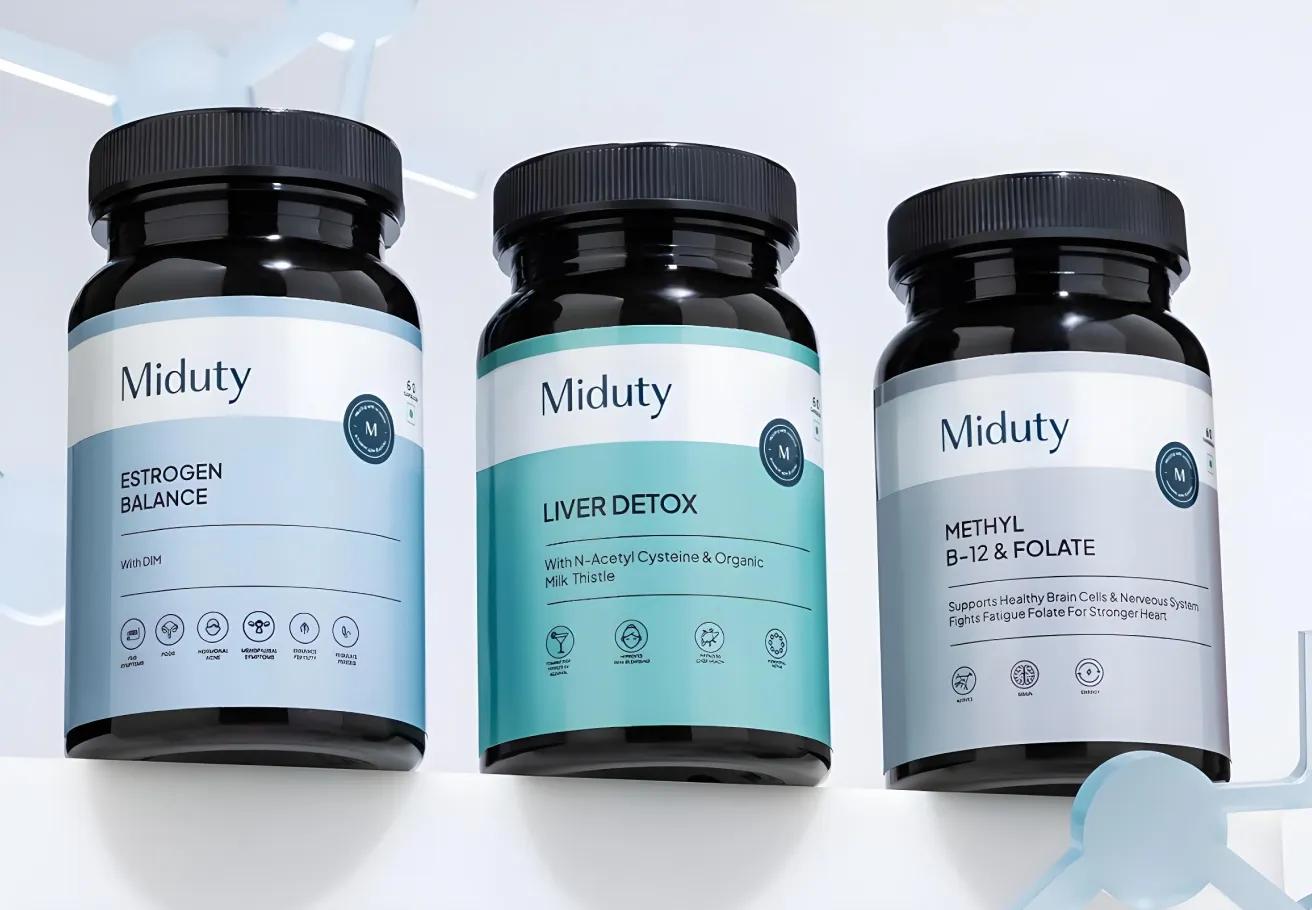
Miduty is featured in ‘Packaging Of The World', 2025
A set of three black-lidded supplement bottles from the Miduty brand, labeled Estrogen Balance, Liver Detox, and Methyl B-12 & Folate, displayed against a sleek, light blue, clinical-style background.
The logo for the publication PACKAGING OF THE WORLD, featuring the word 'PACKAGING' in bold black capital letters and 'OF THE WORLD' in a smaller font size.
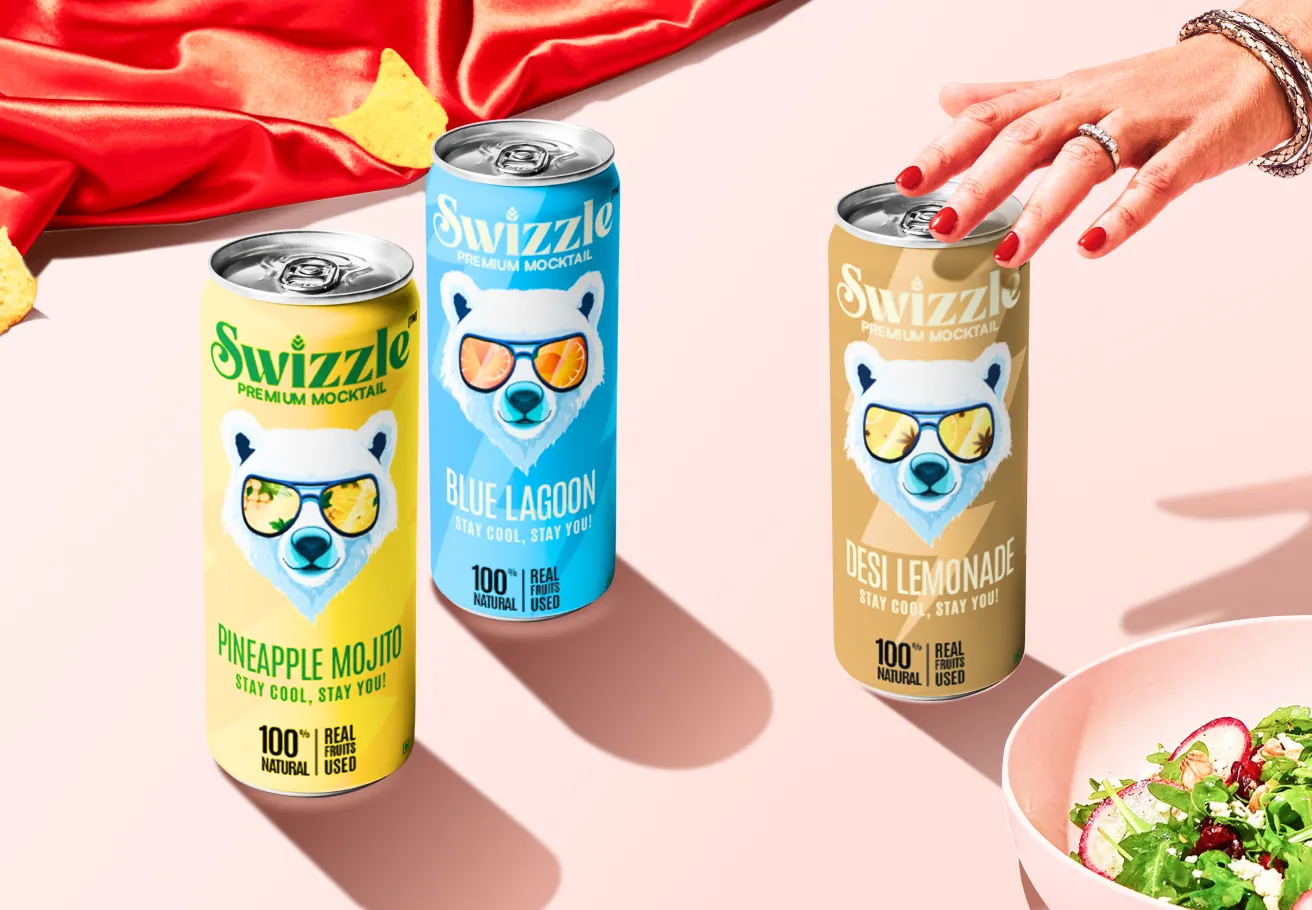
Swizzle is featured in ‘Packaging Of The World', 2025
A visually striking product photo featuring three cans of Swizzle Premium Mocktails (Pineapple Mojito, Blue Lagoon, and Desi Lemonade), each bearing a polar bear mascot wearing sunglasses. They are arranged on a pink surface next to a red cloth and a bowl of salad, with a hand reaching for the can on the right.
The logo for the publication PACKAGING OF THE WORLD, featuring the word 'PACKAGING' in bold black capital letters and 'OF THE WORLD' in a smaller font size.
ITC Bingo Chatpat Kairi is featured in ‘Packaging Of The World', 2025
A product photograph showing a green bottle of 'Bingo! Chatpat Kairi' drink, surrounded by glasses of mango juice, a woven basket filled with raw green mangoes, and slices of mango.
Like what you see?
Let's discuss your project
Book A Call