Brand Audit

Crumbl Brand Audit

Rishabh Jain
November 29, 2026
5 Minutes
November 29, 2026
5 Minutes
No items found.
No items found.
This is some text inside of a div block.
Posted On
Estimated Reading Time
5 Minutes
Category
Brand Audit
Wrriten By
Nimisha Modi

Book a call and get unlimited revisions for your project!

Book A Call
A stylized pink thunderbolt or lightning icon
Get Instant Response

Need Help In Building Your Brand?

Click the button below & book a call with our founder directly.

Rishabh Jain

Managing Director

Book A Call

Crumbl | Confetti's Verdict ⭐⭐⭐⭐

Attribute Details
Confetti Rating ⭐⭐⭐⭐ (4 / 5)
Brand Crumbl (formerly Crumbl Cookies)
Year Founded 2017 (first store opened in Logan, Utah)
Industry Dessert QSR, gourmet cookies and weekly rotating desserts
Founders Jason McGowan (CEO) and Sawyer Hemsley (Chief Branding Officer), cousins
Headquarters Lindon, Utah, USA
Stores 1,101 at the end of 2025, all franchised
Average Store Sales $1.139 million in 2025, down nearly 16% from $1.35 million in 2024
Ownership Founders, with a 2025 minority stake from TSG Consumer Partners at a reported valuation of nearly $2 billion including debt

Confetti Design Studio has analysed the packaging, weekly menu and franchise model of Crumbl. Thats’s the Utah dessert chain that turned a single cookie shop in Logan into a brand with 344 stores by January 2022 and 970 by the end of 2023. 

Cousins Jason McGowan and Sawyer Hemsley opened it on 29 September 2017. And their pink box and a Sunday menu reveal did most of the marketing. 

Their average store sales fell from $1.8 million in 2022 to $1.16 million in 2023, which makes the next chapter a design problem as much as a growth one. 

This audit looks at the branding, packaging and marketing of Crumbl, and at whether a brand built on novelty can also build a habit, and it is as per November 2026.
Crumbl Brand Strengths: What the Brand Gets Exceptionally Right 💪

1. The Menu Is a Weekly Show 📅

Most food brands keep the menu the same and change the marketing. 

But Crumbl’s changing menu is the marketing.

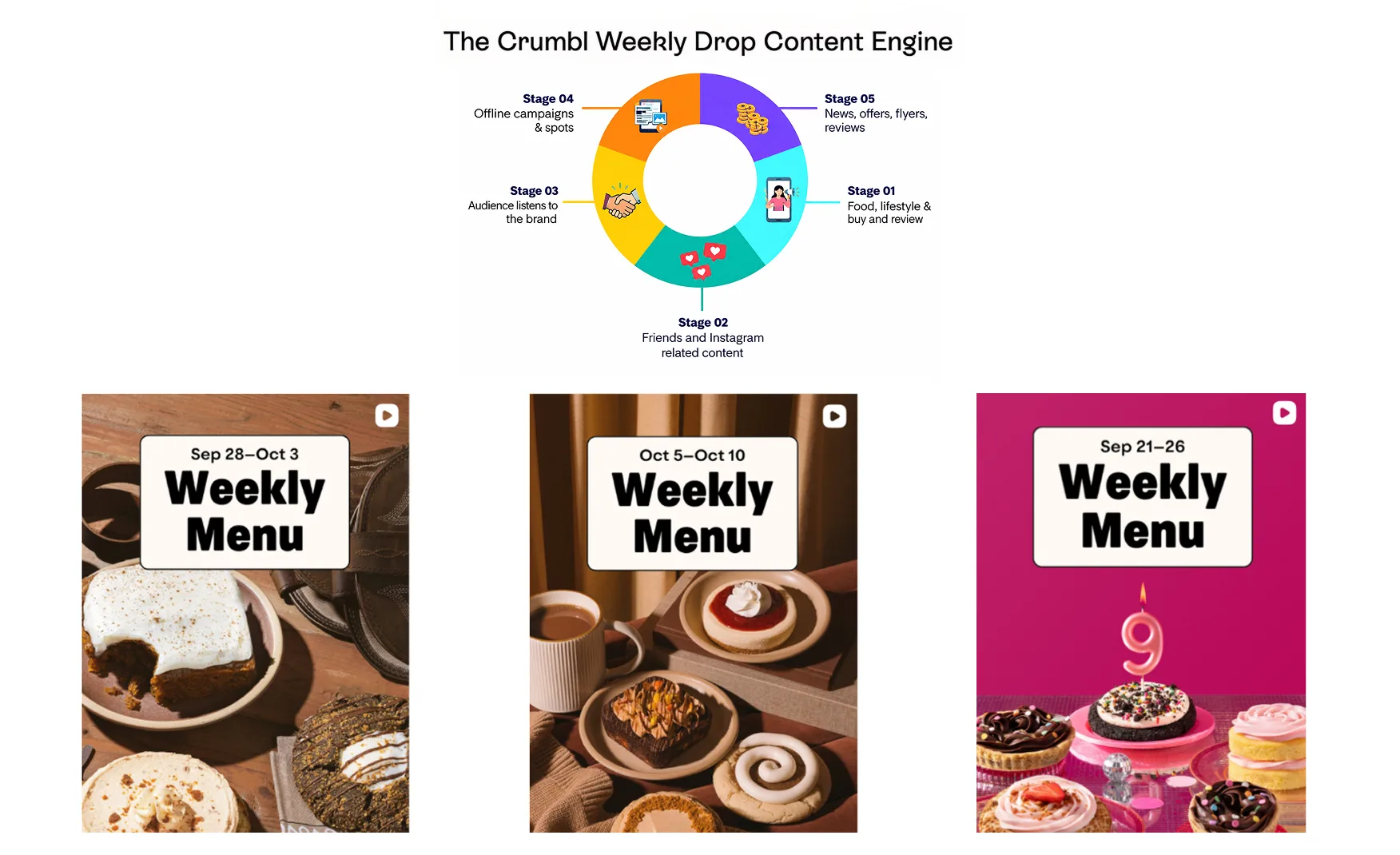
The stores are closed on Sundays, and that evening Crumbl reveals the week’s flavours in short videos. 

This gives creators a series they can count on and they end up filming their first-bite videos and weekly rankings. 

HypeAuditor found that Crumbl gained about 1.7 million Instagram followers between March 2024 and March 2025. It worked mostly with small and mid sized creators, many of whom are their customers.

Their idea of launching a new set of flavours each week also works as live product research. The winners can come back, and the flops are gone within days.

For founders, the lesson is not to launch a new flavour every week. It is to pick one moment in the week that people can expect, and make that moment part of the product. Starbucks does this with its seasonal pumpkin spice launch, which fans wait for each year.

Does your brand give people a moment to look forward to?
Talk to our team about building a ritual into your brand.
  • Discuss your project in detail
  • Get our expert advice, completely for free
  • Ask any questions you may have
Book A Call
Book A Call

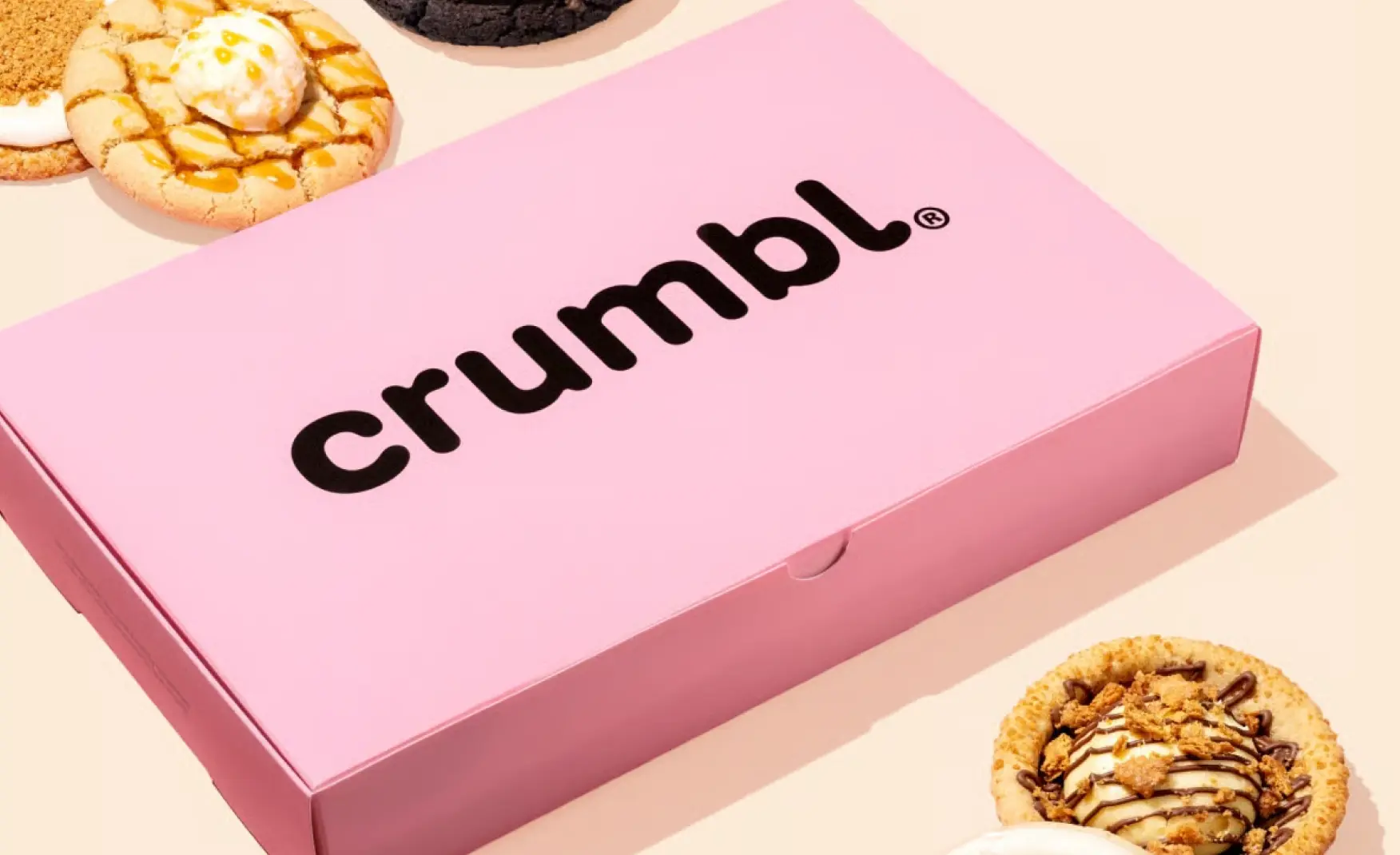
2. The Pink Box Is the Billboard 🎀

Bakery packaging usually exists to carry the product home. 

Crumbl designed its box to be seen and shared.

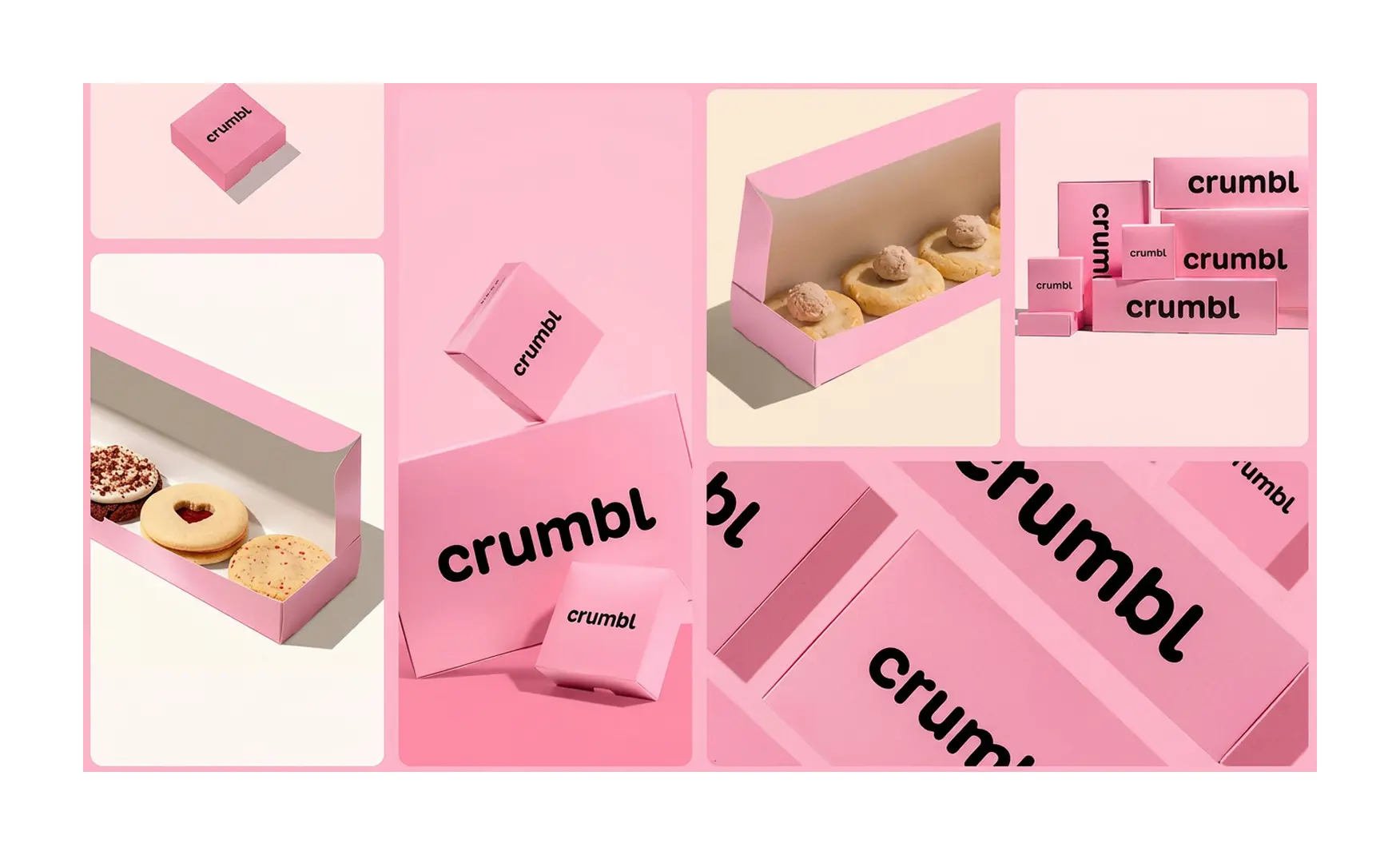
The long, slim box holds the cookies in a single row. When it is open, it looks clean from above, which is the angle of an overhead phone photo. 

The design came from a group of Utah State University marketing students who won a case competition.

The pink came from a 1959 Cadillac owned by a Hemsley family friend in Preston. And hence that’s how a personal memory became a brand colour. 

Confetti noticed that the pink rectangle packaging is easy to spot across a car park, and even in a tiny thumbnail.

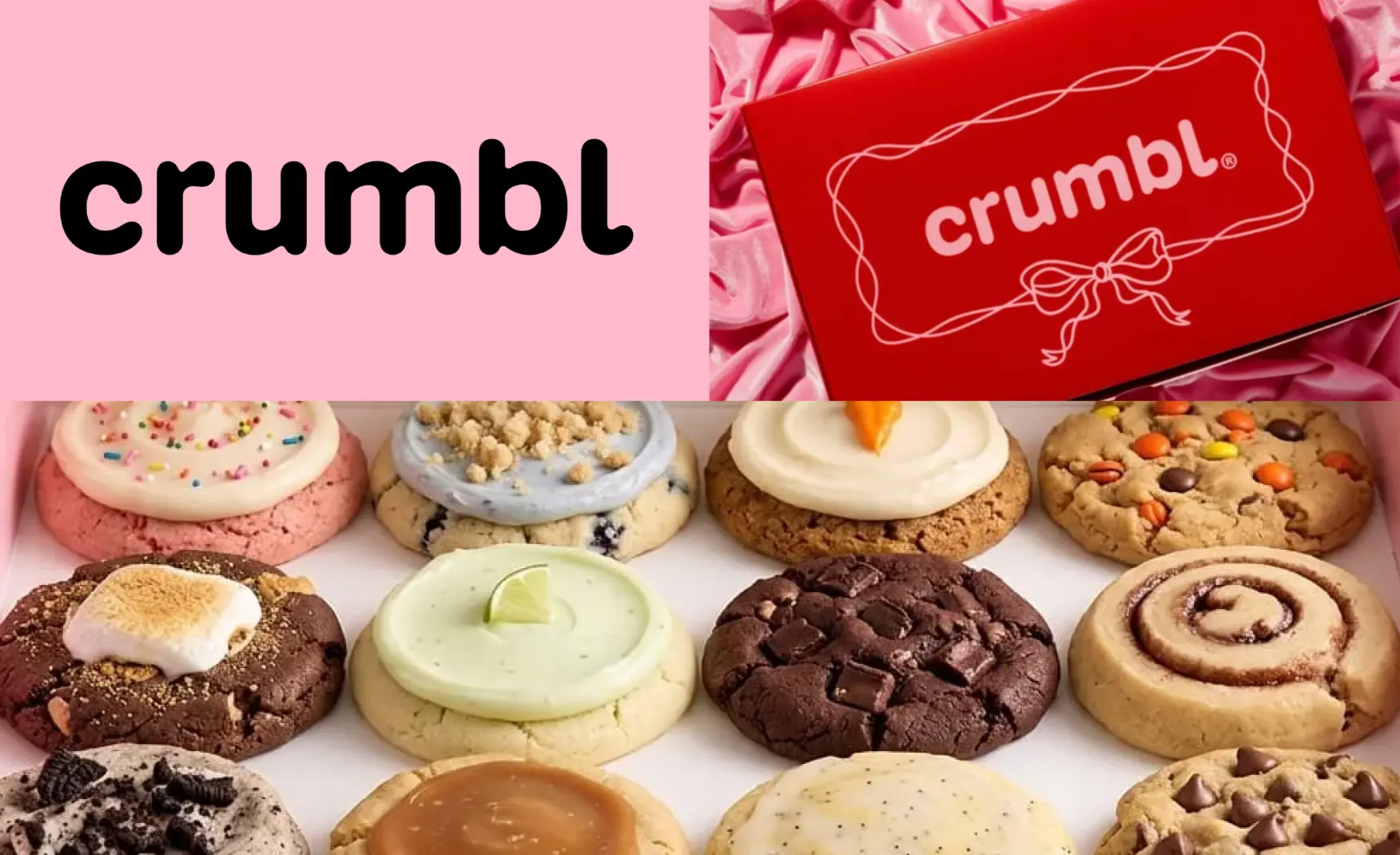
Hemsley, the founder said “Crumbl pink is a key part of our brand” and for the first time it turned red for the Valentine’s week in 2025. 

A brand can only surprise people with its packaging if the usual look is already easy to recognise. 
3.Collaborations That Feel Like a Limited Drop 🎤

Most food brands pay for a celebrity face in their Advertisements. 

But Crumbl gives the celebrity a spot on the menu.

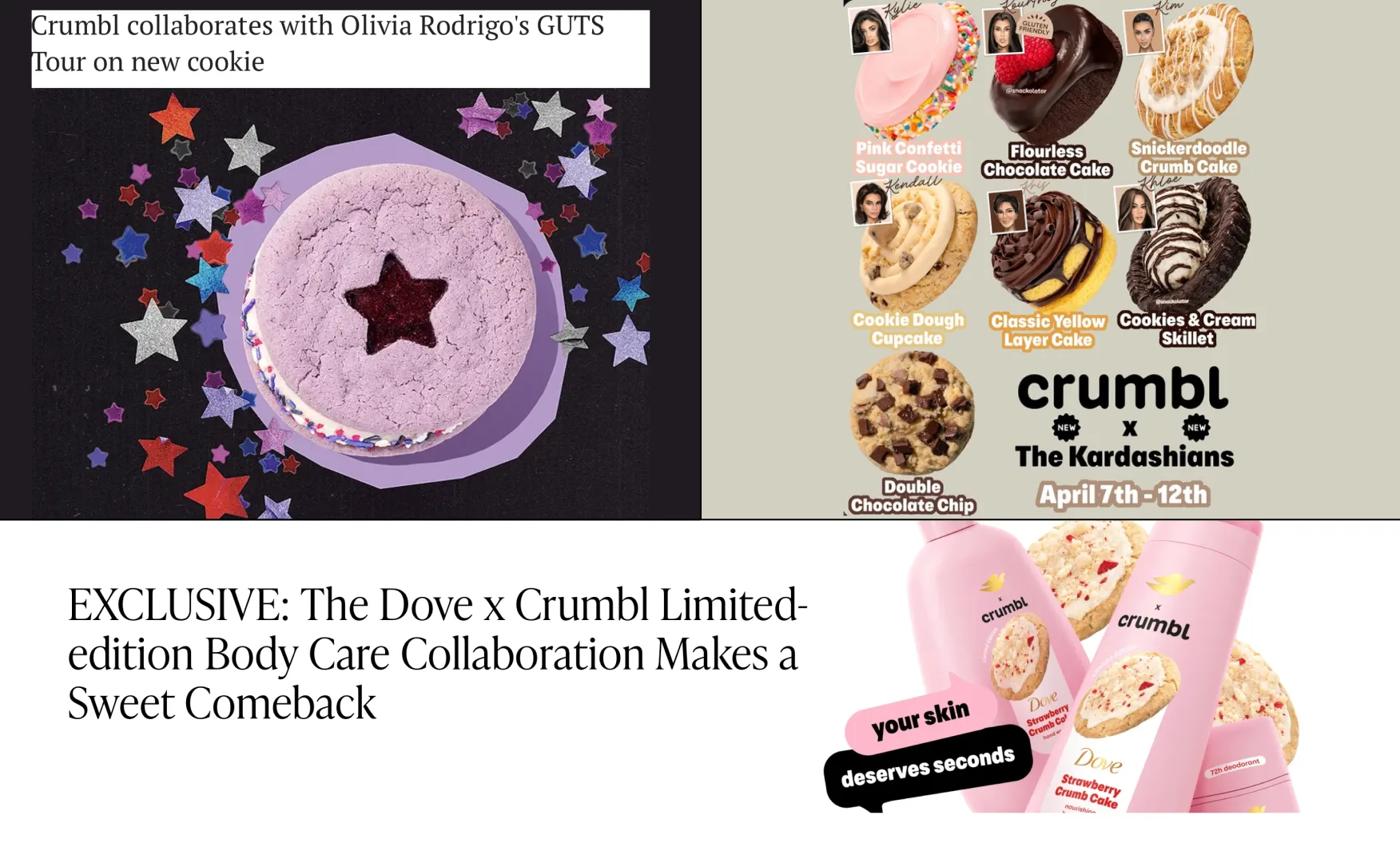
The Olivia Rodrigo Guts Cookie launched on 19 February 2024 near Palm Desert, ahead of her tour. It then became the seventh weekly item near each tour stop in North America. It ran across the US and Canada from 19 to 24 August.

In April 2025, the Kardashian Jenner family took over the whole menu with six cookies, one for each family member. 

Hemsley said that had never happened before. Each partnership fits into a weekly format that the audience already follows.

Crumbl has also taken this idea beyond food. Its limited Dove collection was announced on 26 December 2024 and sold at Walmart. 

It turned Confetti Cake, Lemon Glaze and Strawberry Crumb Cake into body wash, scrub, deodorant and hand wash.

Every partner comes for a short visit and then leaves, which makes the fans pay more attention. The pink box and the weekly rhythm stay the same, so the brand always feels like Crumbl.
4. A Store Format Built to Be Copied 🏪

Franchise brands usually grow slowly because every store is a little different. 

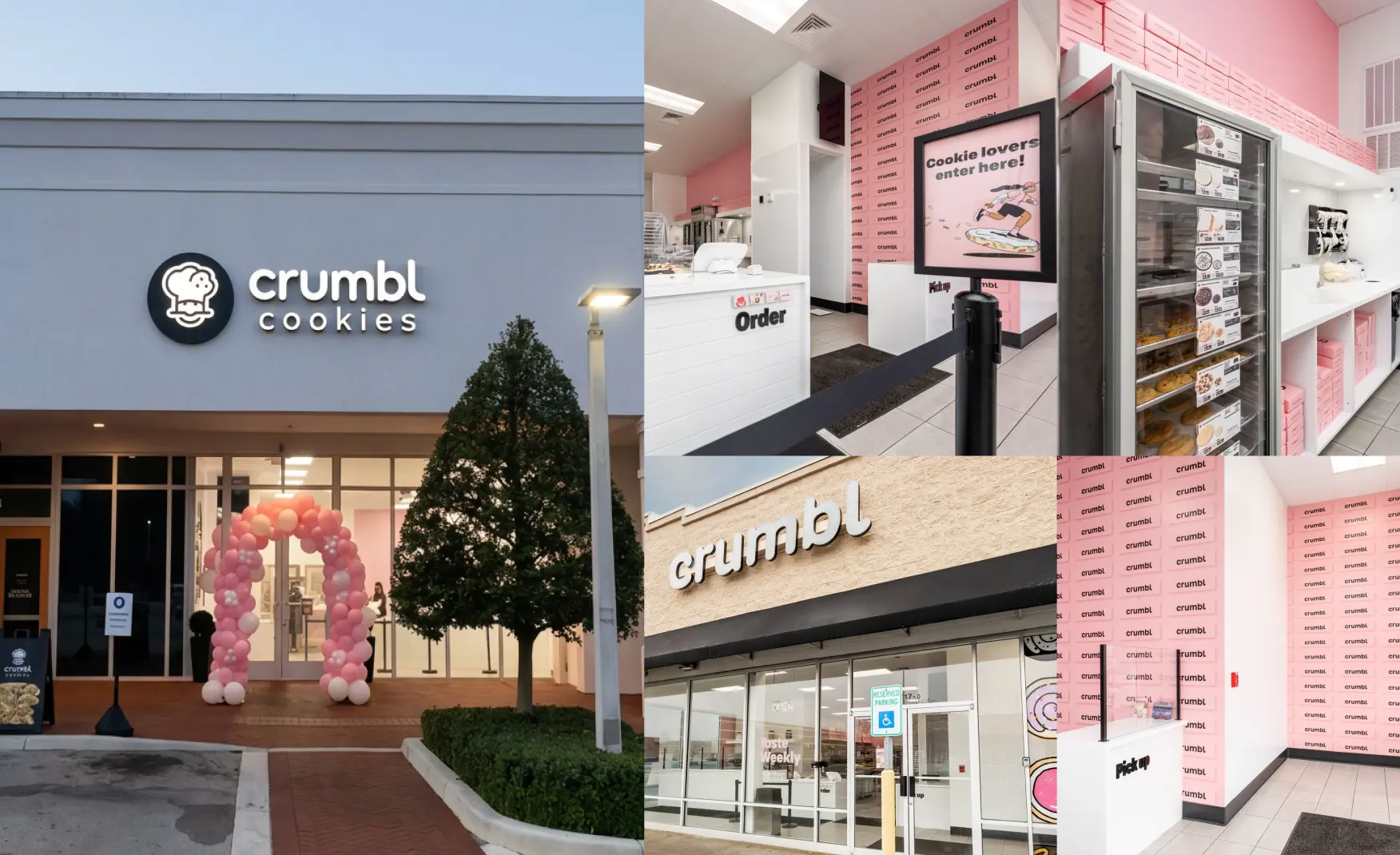
Crumbl made its format the same everywhere, so each new store looked and worked like the last.

It had 344 stores in January 2022, 689 by the end of that year and 970 by the end of 2023. It opened 281 stores in 2023 alone. By the end of 2025, all 1,101 stores were franchised, and Crumbl owned none itself.

Every franchise owner gets the same pink box, weekly menu and store look, so the brand feels like one brand in every city. But what is easy to repeat is also easy to copy.
5. Dropping Cookies From the Name Early 🍰

Most brands change their name late, once the old one has become a cage. 

Crumbl dropped the word “Cookies” from its logo while cookies were still its main product.

The new design took “Cookies” out of the wordmark and retired the Bakerhead chef mascot. 

It added a custom typeface called Crumbl Sans, an illustrated world called the Crumblverse and a Pantone shade called Crumbl Pink.

Hemsley called it “not a complete rebrand, but rather enhancements to the brand we’ve built a solid foundation upon.” Confetti feels that this move of fixing the name early gave Crumbl the room to grow.

After 2023, the brand added cakes and pies and started catering with cookies. A brand called Crumbl Cookies that sells a pie is a small mismatch, and it gets bigger as the range widens.

The pink, the soft lowercase look and the rounded letters all stayed. So customers saw the change as the brand growing up. Founders who plan to add new products can copy this idea which is fixing the name before the product outgrows it.
6. An Instagram That Feels Like a Candy Shop Window 🍪

Some Instagram pages feel like a catalogue. 

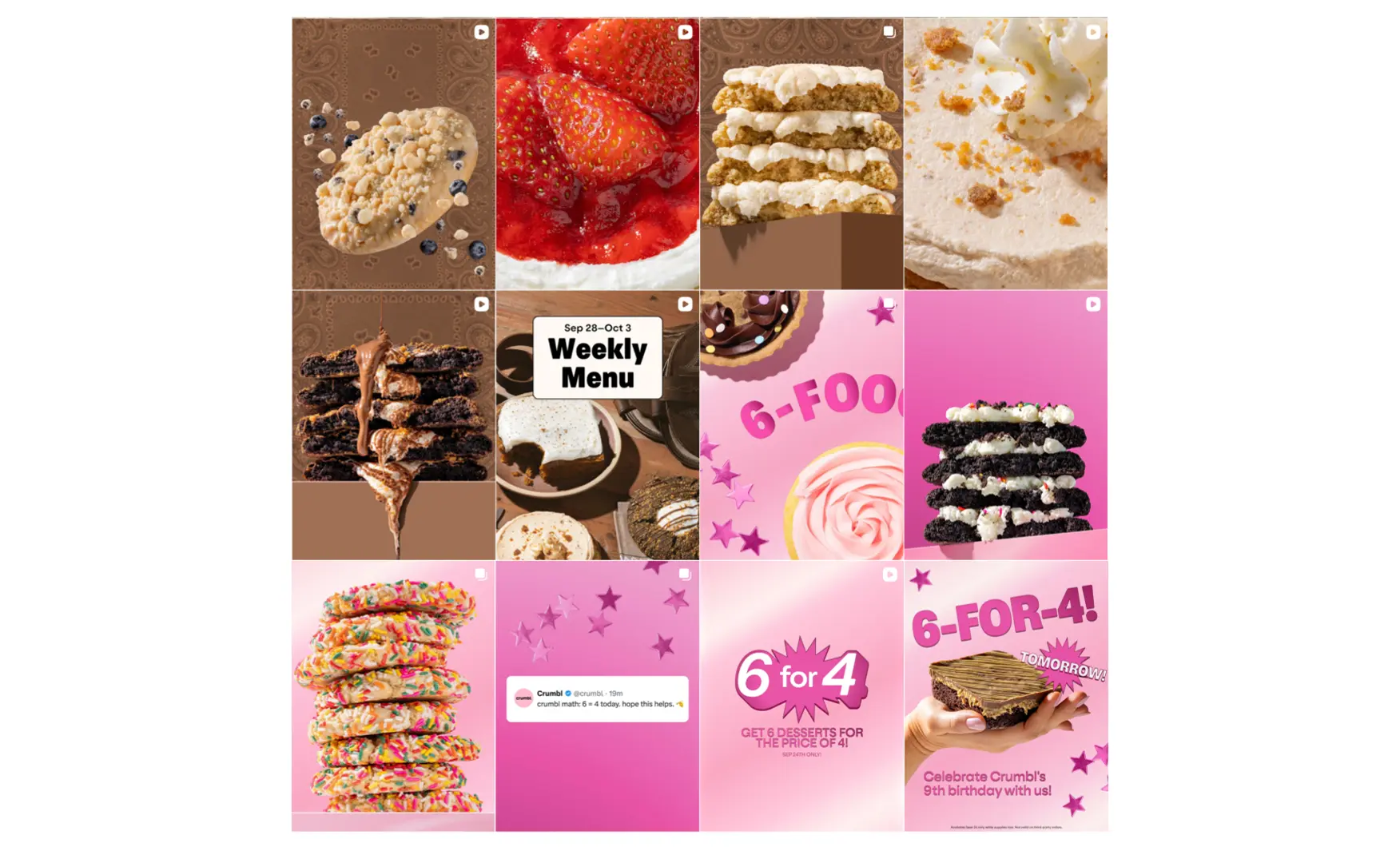
But Crumbl’s feels like a shop window you want to stop and look into.

The cookies are big and colourful, with icing, swirls and toppings that look good enough to eat. The ingredients show up too, so you can see what is inside each one.

The weekly menu keeps people coming back. Crumbl changes its flavours every week, and the page keeps up. Each new menu is a small reveal, so a fan can open the page and see right away what is new.

The offers are easy to understand. A line like “Get 6 desserts for the price of 4” shows the deal at a glance. There is no small print to read, and it gives people a quick reason to order.

It all feels like one brand. The page is bright, tidy and playful, with the same pink and the same friendly feel in every post. It matches the box and the logo.
Crumbl Growth Challenges and Areas to Watch ⚠️

1. The Franchise Maths Has Stopped Adding Up 📉

Crumbl’s brand grew faster than the demand each store could catch. 

In 2022, the average store sold $1.8 million. In 2023, the year 281 stores opened, that fell about 37 percent to $1.16 million.

Openings slowed to 81 in 2024, and average sales recovered about 17 percent to $1.35 million. Then the 2026 Franchise Disclosure Document shows them falling again by nearly 16 percent, to $1.139 million in 2025.

In 2024, the average store earned $251,706. But the middle store earned only $77,359, down 32 percent. Starting a store cost between $848,566 and $1.472 million. The 2026 document does not report store profit at all.

Only about 45 percent of the 776 stores with full reports met or beat the 2025 average. Even so, Crumbl still expects 99 new franchise stores in 2026.

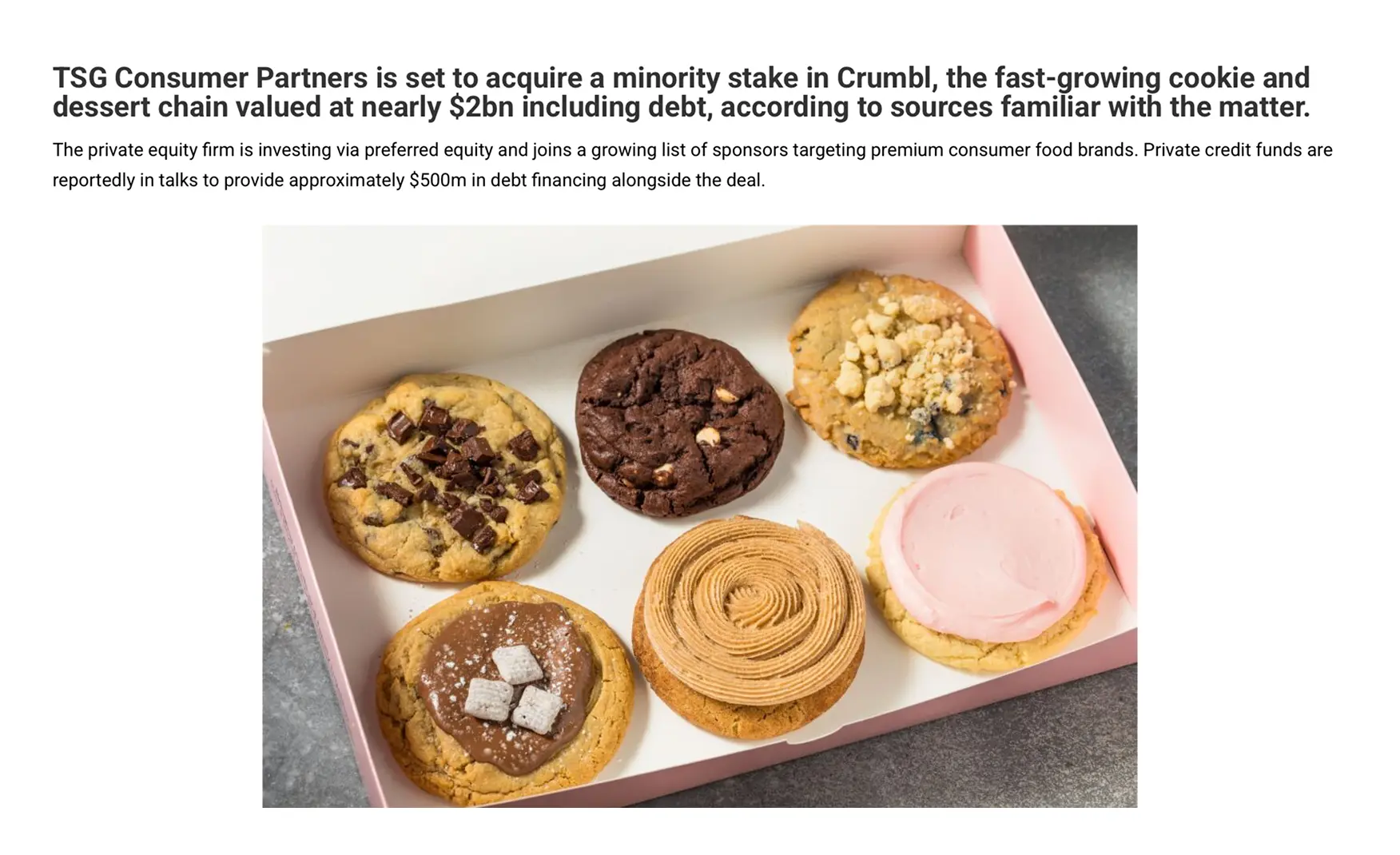
In 2025, TSG Consumer Partners was reported to have bought a stake that valued Crumbl at nearly $2 billion, including debt. 

About $500 million of debt financing was reportedly part of the deal. The company that runs the franchise needs the system to keep growing, even as the average store sells less.
2.Classics Keep Fans but Dims the Buzz 🔍

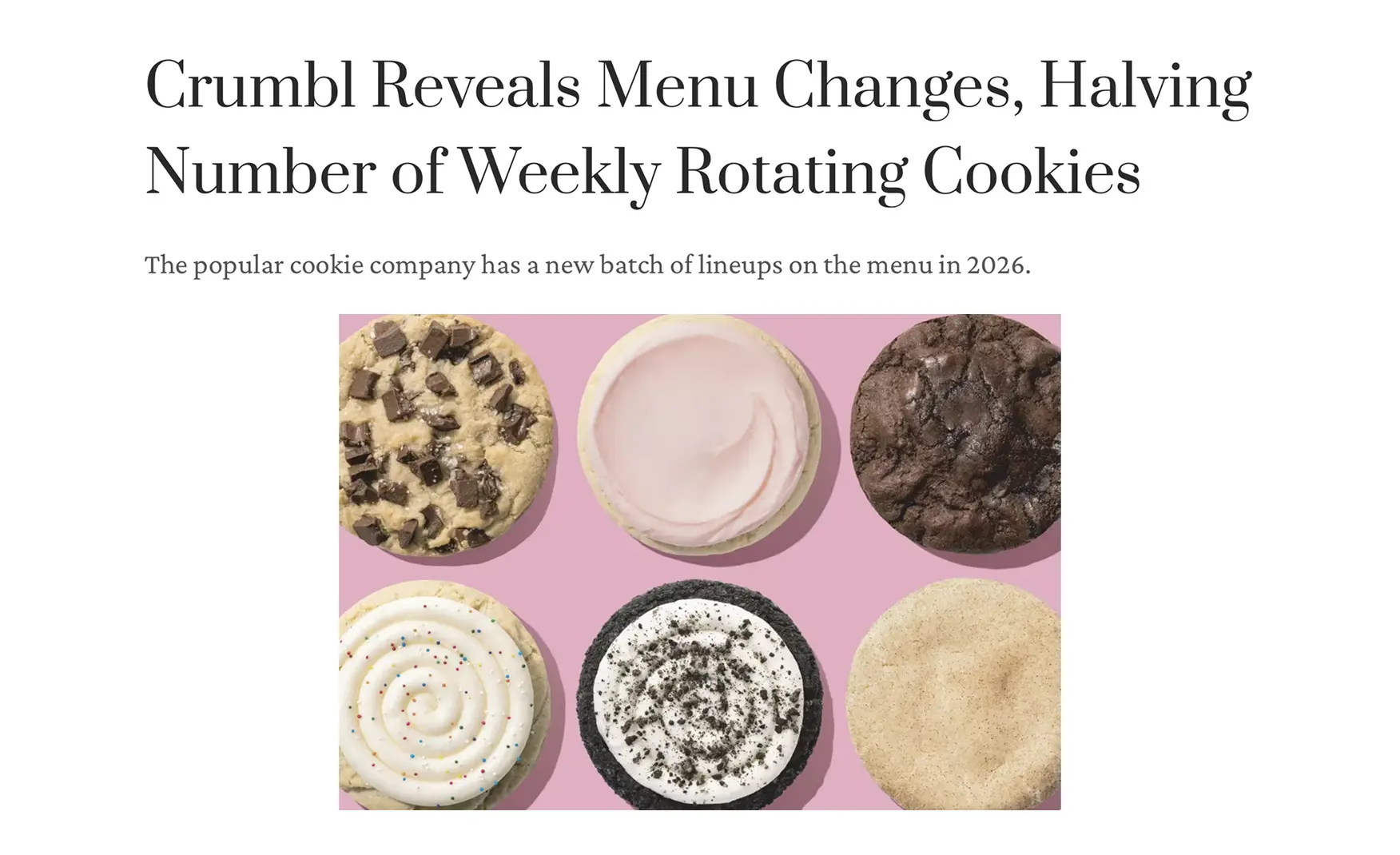
Crumbl added a Classic Menu in January 2026. It has six flavours that are always available, and it cut the weekly rotation from seven cookies to four.

McGowan said, “The Classic Menu is about consistent availability.” That is a sensible answer for customers who could not build a habit around a favourite flavour.

The trouble is that the weekly rotation is also the brand’s main way of getting attention. With fewer new flavours, there is less to reveal each week, just when stores need more people coming in.

Crumbl now wants people to visit out of habit, and also to visit for something new, all on one menu. But its pink box and its stores are still built only for the “something new” visit. Nothing in them says “your usual.”
3. A Media Company's Liabilities ⚡️

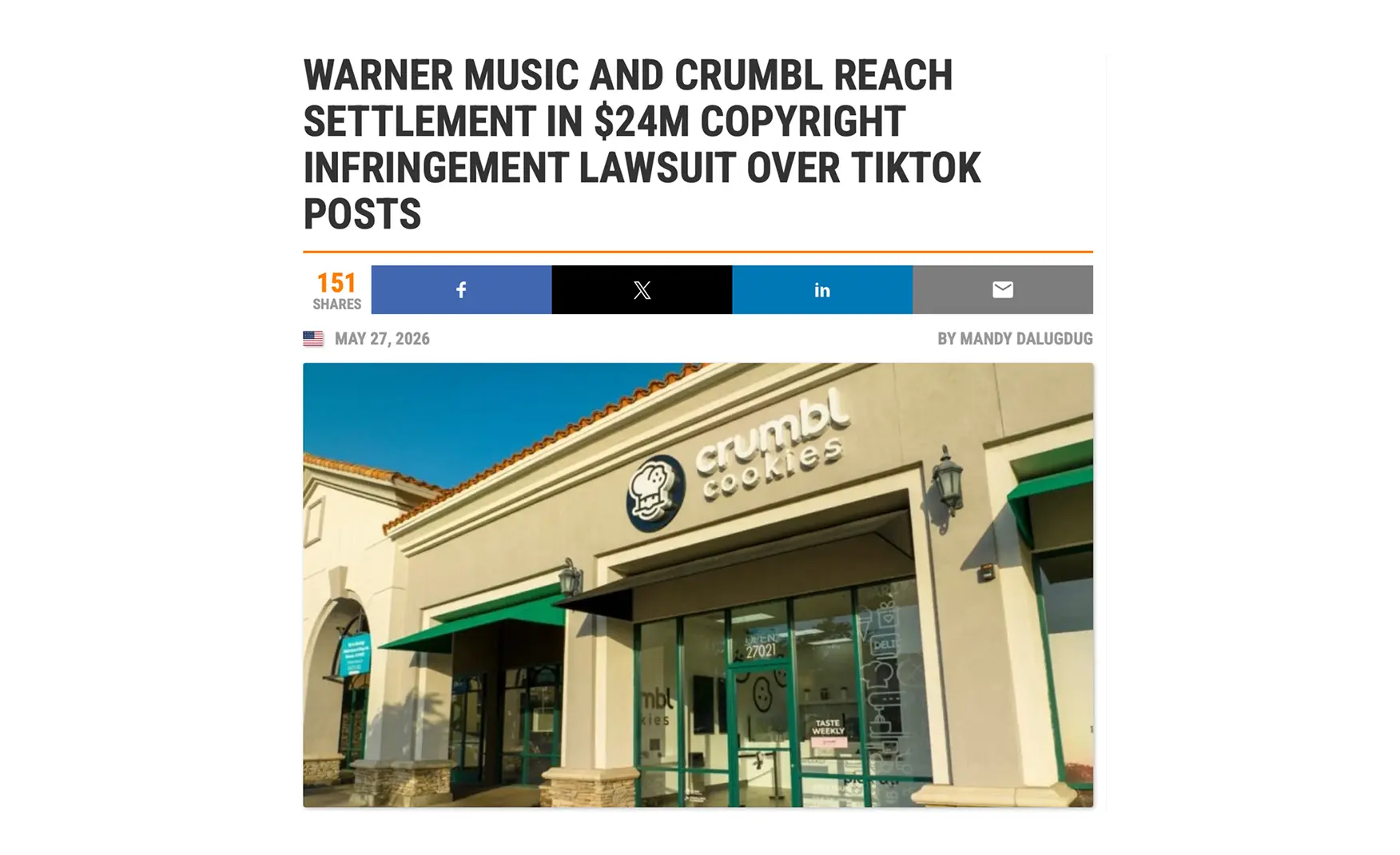
Crumbl acts like a media company, and it has started to face the risks that come with that. Warner Music Group sued it in a Utah federal court on 22 April 2025.

The claim said Crumbl used at least 159 songs without a licence, including music by Taylor Swift, Dua Lipa and Beyoncé, in its TikTok and Instagram videos. The damages could have reached about $23.85 million.

The two sides agreed to settle in principle in May 2026, and the settlement was reported in June.  The case showed how much of Crumbl’s video machine depended on borrowed culture.
How Confetti Sees Crumbl's Next Chapter 💡

1. Give the Classics Their Own Box 📦

Right now, the Classic Menu is just a list on a menu board. It should become its own range with its own look.

Confetti suggests to design a separate Classics box. It would still be Crumbl pink, but with a fixed layout for Pink Sugar, Brownie Batter, Snickerdoodle and the rest. A rotating This Week box would keep the sense of something new. That way, customers can tell at a glance whether they are buying an old favourite or a surprise.

This also makes the content clearer. The Sunday reveal stays focused on the new desserts. The Classics get quieter messages that build a habit, such as loyalty rewards and gift boxes.

Pink Sugar could become the hero product. It could be the one cookie people name when they explain Crumbl to someone new.

2. Design a Store for a $1.1 Million Year 🏗️

Crumbl’s store design was made for a system that was growing fast, with stores selling close to $1.8 million a year. The brand now needs a design built for today’s numbers.

That points to a smaller store made for pickup, with less seating and a lower cost to build. This gives franchise owners a realistic way to make a profit. The ordering app becomes the front door, and the store becomes the place where orders are made and picked up.

Pickup shelves branded as clearly as the boxes would help. So would a visible moment of cookies coming fresh from the oven. These would cut cost without losing the feeling of an occasion.

Fixing store costs through design hurts a brand far less than raising prices or cutting staff.

3. Take the Sunday Reveal Beyond the Store 🌍

The weekly drop is Crumbl’s most valuable asset, and it is limited by how many ovens it has. The next step is to let the idea travel.

The Dove collection showed that the brand can sit on a shelf outside its own stores. Limited take-home products and a boxed line of Classics could earn money from all that attention, without asking every franchise owner to carry them.

New countries are the other way to grow. Unofficial Crumbl pop-ups appeared in Australia, the United Kingdom and Mexico in 2024, and the company said it would speed up its official plans there.

The key is to protect the weekly drop. Anything that leaves the store should still feel timed, limited and fresh, with the pink box at the centre.

Crumbl Verdict and Confetti Rating ⭐

Crumbl is one of the most creative brand builds in modern food retail. It turned the day it was closed into its biggest marketing moment. It designed a pink box for the phone camera and not the shelf.

It used celebrities as one-week menu drops. It also dropped “Cookies” from its name before its menu forced it to. These choices took one shop in Logan to 1,101 stores in eight years.

The next chapter will be decided less on Instagram and more in the franchise accounts. Average store sales fell nearly 16 percent in 2025, and profit figures were removed from the disclosure document. Crumbl has to show that its content can support the network it built.

The new Classic Menu shows the company knows it needs a habit as well as hype. The brand is strong enough to make that shift, if it redesigns its boxes, stores and range quickly enough.

Confetti Rating: ⭐⭐⭐⭐ (4 / 5)

If you’re building a bakery or dessert brand, and you want your box and your new flavours to make every customer want to tell a friend, that’s the kind of branding and packaging work we do at Confetti. Get in touch with our team.

Want strategic branding and packaging like this for your business?

Book A Call
Share:

Other Brand Audits

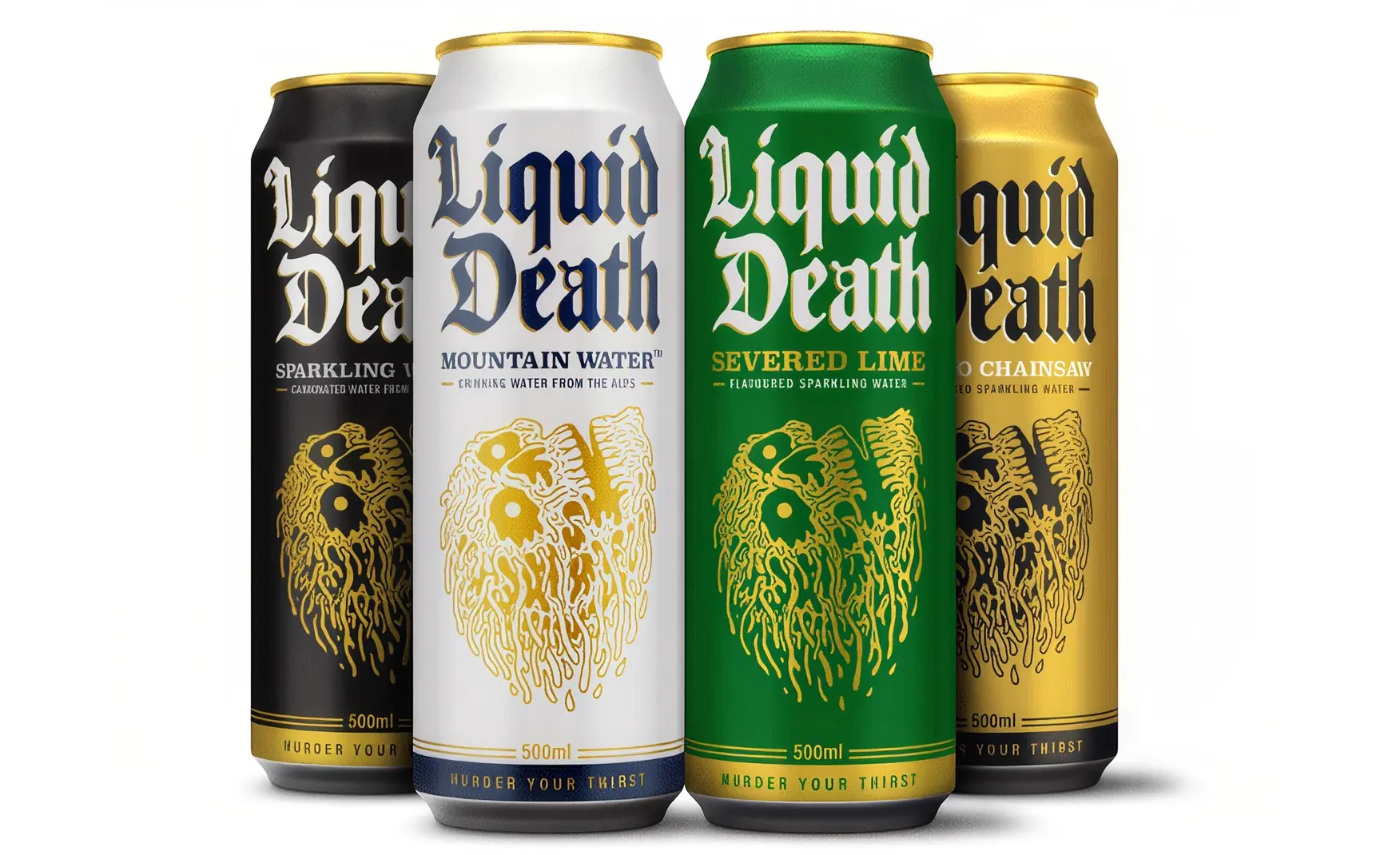
Liquid Death put mountain water in a heavy-metal tallboy with a blackletter wordmark and a melting skull, and built a packaging system that every new flavour inherits.

Author:
Rishabh Jain

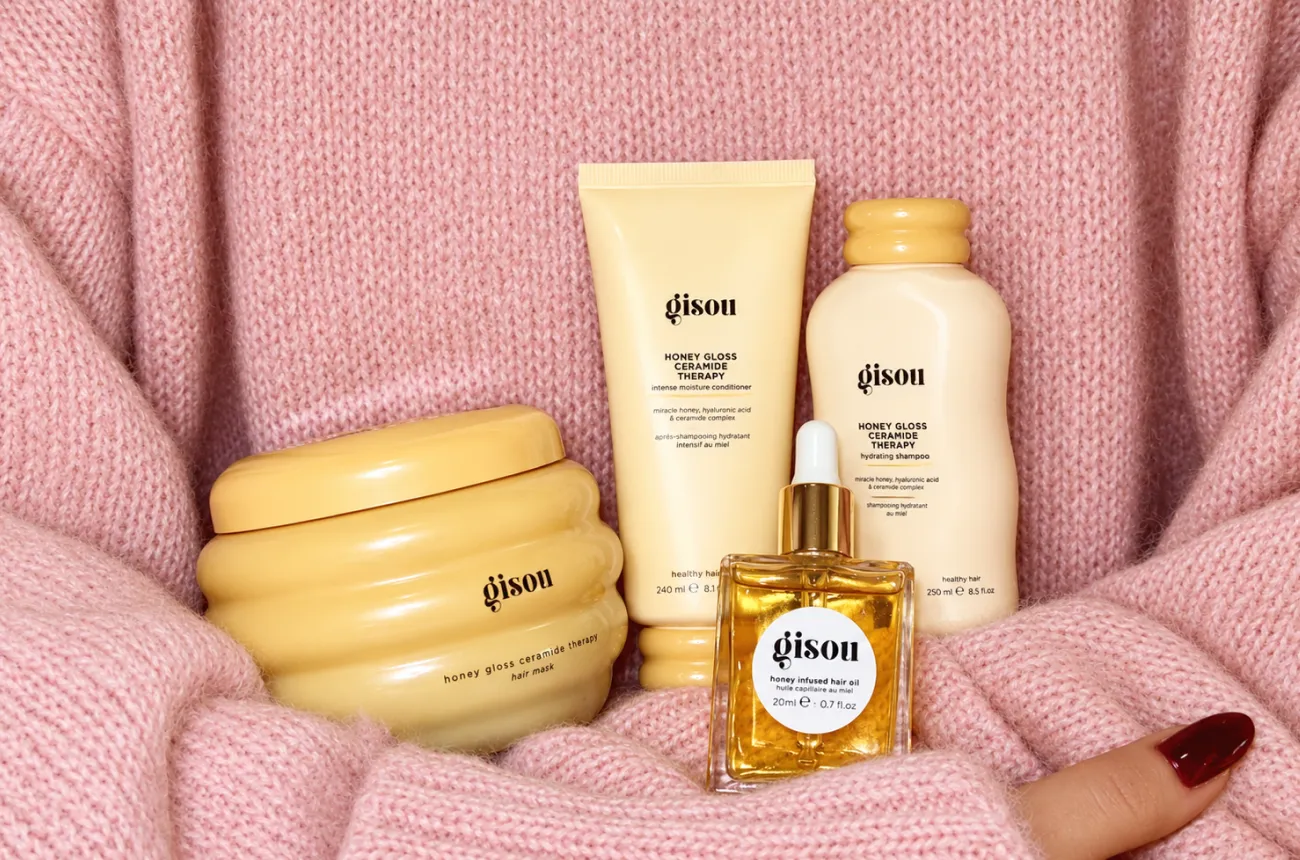
Gisou, founded by Negin Mirsalehi in 2015, put family harvested honey in clear amber glass, so the golden colour of the honey became the colour of the brand.

Author:
Rishabh Jain

WHOOP removed the screen, kept the strap black and let one green recovery ring carry the brand, so a single design decision became its whole positioning.

Author:
Rishabh Jain

The Ordinary took the naming of a chemist, the look of a lab reagent bottle and a $10 price, and built one packaging system that is recognisable from across a shop.

Author:
Rishabh Jain

Kim Kardashian built Skims on a new category name and a shade range that matches every skin tone, then won over the NBA and Nike in six years.

Author:
Rishabh Jain

Ben & Jerry's kept its hand-drawn lettering, Vermont cows and punning flavour names on every pint for forty years, and made that packaging the voice of its mission.

Author:
Rishabh Jain

Vans built a visual system from a waffle sole, a sidestripe and a checkerboard that its customers helped draw, and now has to protect it from overexposure.

Author:
Rishabh Jain

Alo Yoga built every flagship to be filmed first and shopped second, gave the brand a name that's actually a whole philosophy, and let retail itself become the brand's storyteller.

Author:
Rishabh Jain

Glow Recipe took a single idea, make every product look like the fruit it's named after, and turned it into one of skincare's most recognisable packaging systems.

Author:
Rishabh Jain

Fenty Beauty turned forty shades into an industry standard and a hexagon into a packaging system that has held five categories together for eight years, and still has more it could say.

Author:
Rishabh Jain

Summer Fridays named itself after a feeling instead of a product, then designed every pack to photograph better and now has to defend that exact look from everyone copying it.

Author:
Rishabh Jain

Lululemon built its premium on something customers could feel for themselves, not just believe. This audit looks at what's left of that promise now that leggings, stores and leadership are all being tested at once.

Author:
Rishabh Jain

Kayali made a generation start layering perfumes, a real shift, and the brand's whole identity. Now they've carried that idea into body care. But competitors already copied the playbook. The real question is whether Kayali can still own "layering" before it becomes industry wide.

Author:
Rishabh Jain

WishCare's name splits neatly into a promise and a discipline, and the packaging on its shelf does not carry the same idea.

Author:
Rishabh Jain

ClayCo designed a platform built to hold every beauty ritual on earth, and three years in, it still only tells Japan’s story, and even that one is slipping.

Author:
Rishabh Jain

NIC built a well-run house of ice cream brands, and gave its flagship label a name that keeps doing marketing work for a rival called Naturals.

Author:
Rishabh Jain

Foxtale is the upcoming skincare brand with colour coded packaging that customers can spot before reading the label, and now has to prove that colour can carry a brand once everyone else copies it.

Author:
Rishabh Jain

Rhode built a billion dollar exit on three products and one food led idea, and sold it for $10M in e.l.f Beauty in just 11 days.

Author:
Rishabh Jain

How Kimirica turned five-star hotel amenities into a bootstrapped Rs 300 crore vegan luxury bath and gifting brand.

Author:
Rishabh Jain

How BlissClub built India's most talked-about women's activewear brand from a WhatsApp community, and why profitability is now the harder game.

Author:
Rishabh Jain

How Inde Wild became the first homegrown Indian brand to sell out at Sephora US through founder-led branding and a modern take on Ayurveda.

Author:
Rishabh Jain

How Zouk built a Proudly Indian, PETA-approved bag brand by turning Indian handicraft into modern everyday carry, and why becoming iconic is the next design problem.

Author:
Rishabh Jain

How Hyphen used Kriti Sanon as a co-founder rather than a mascot to build a skincare brand in two years, and why credibility is now its real battle.

Author:
Rishabh Jain

How Needledust turned the traditional jutti into a luxury, celebrity-worn shoe, and why growing beyond the occasion is its next design problem.

Author:
Rishabh Jain

How Dancing Cow turned animal rescue into an alt-dairy brand, and why its two names now compete for the same shelf.

Author:
Rishabh Jain

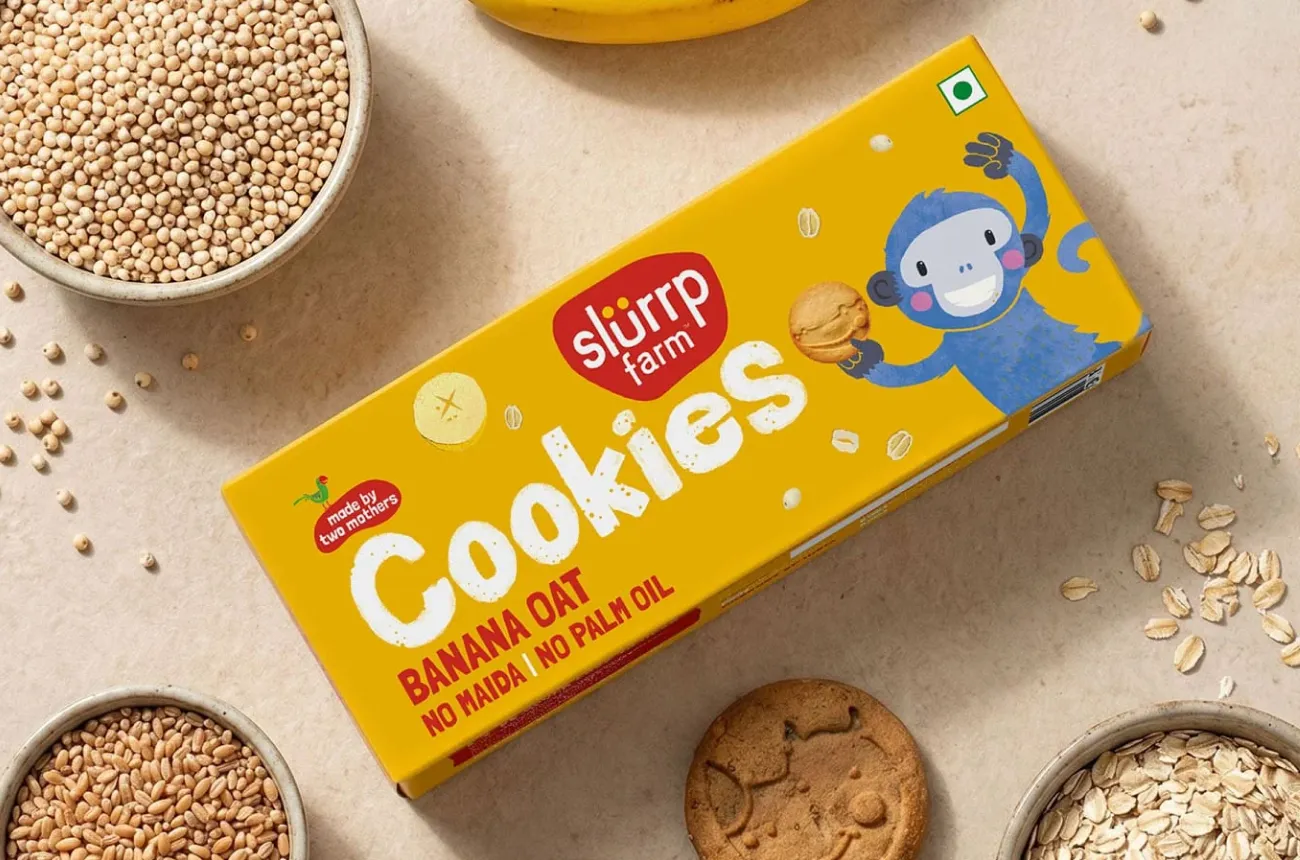
How Slurrp Farm made millets a children's food category through design-led packaging and a parent community it built itself.

Author:
Rishabh Jain

How Soulflower turned two decades of aromatherapy expertise into India's best-selling online hair oil, and why coherence is now its design challenge.

Author:
Rishabh Jain

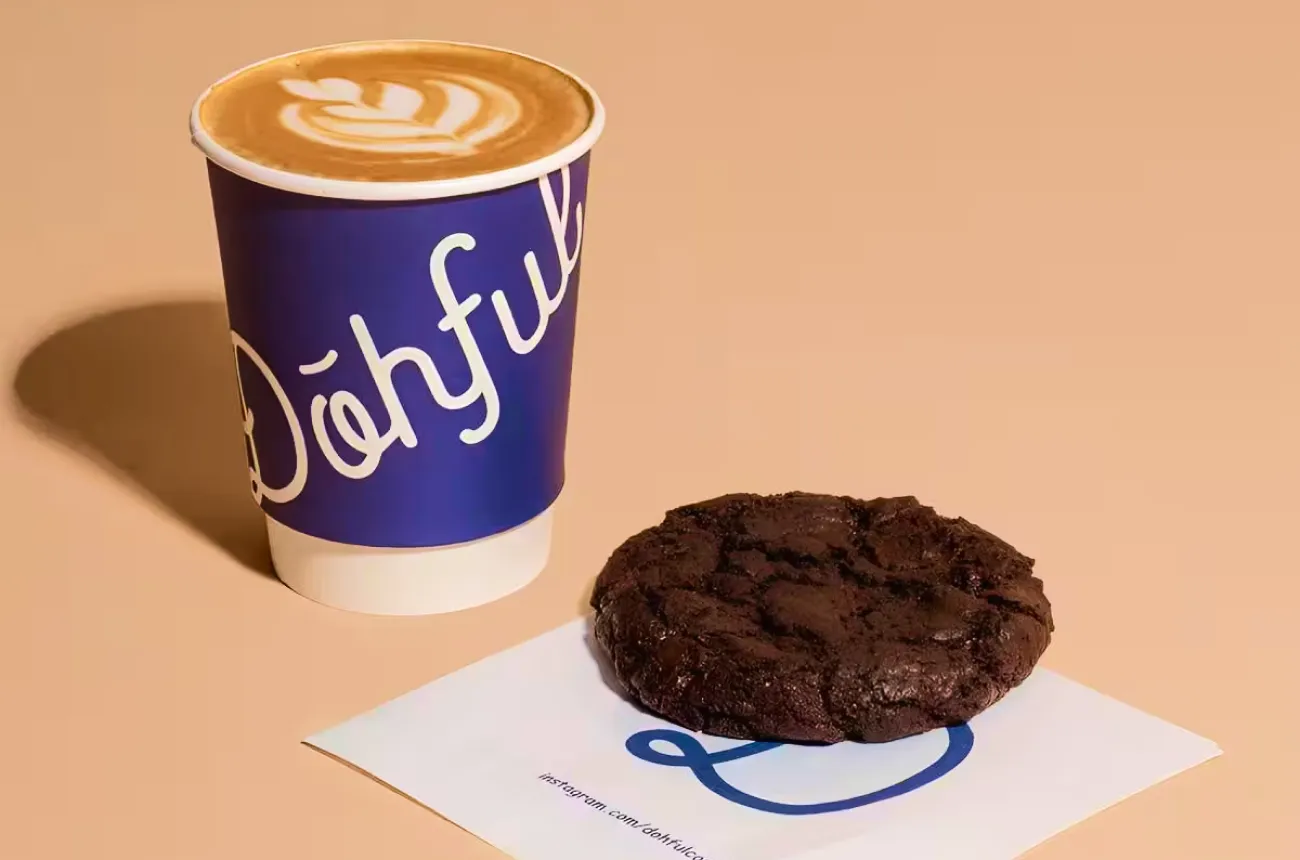
How Dohful turned soft-baked cookies and a candid founder newsletter into India's most intimate D2C brand, and why its offline pivot is the real test.

Author:
Rishabh Jain

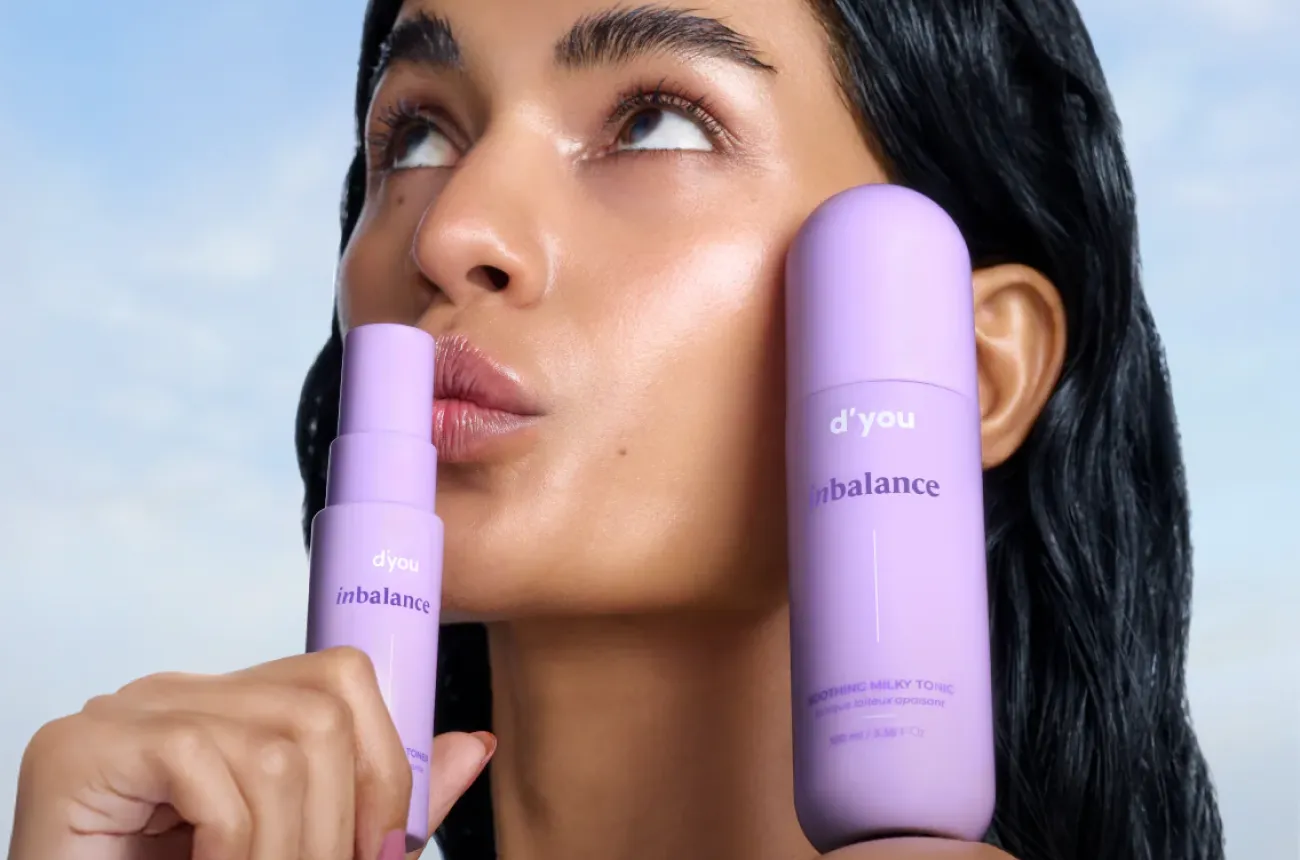
How d'you turned a single 11-active serum into a bootstrapped, profitable cult skincare brand by making the formula the whole brand.

Author:
Rishabh Jain

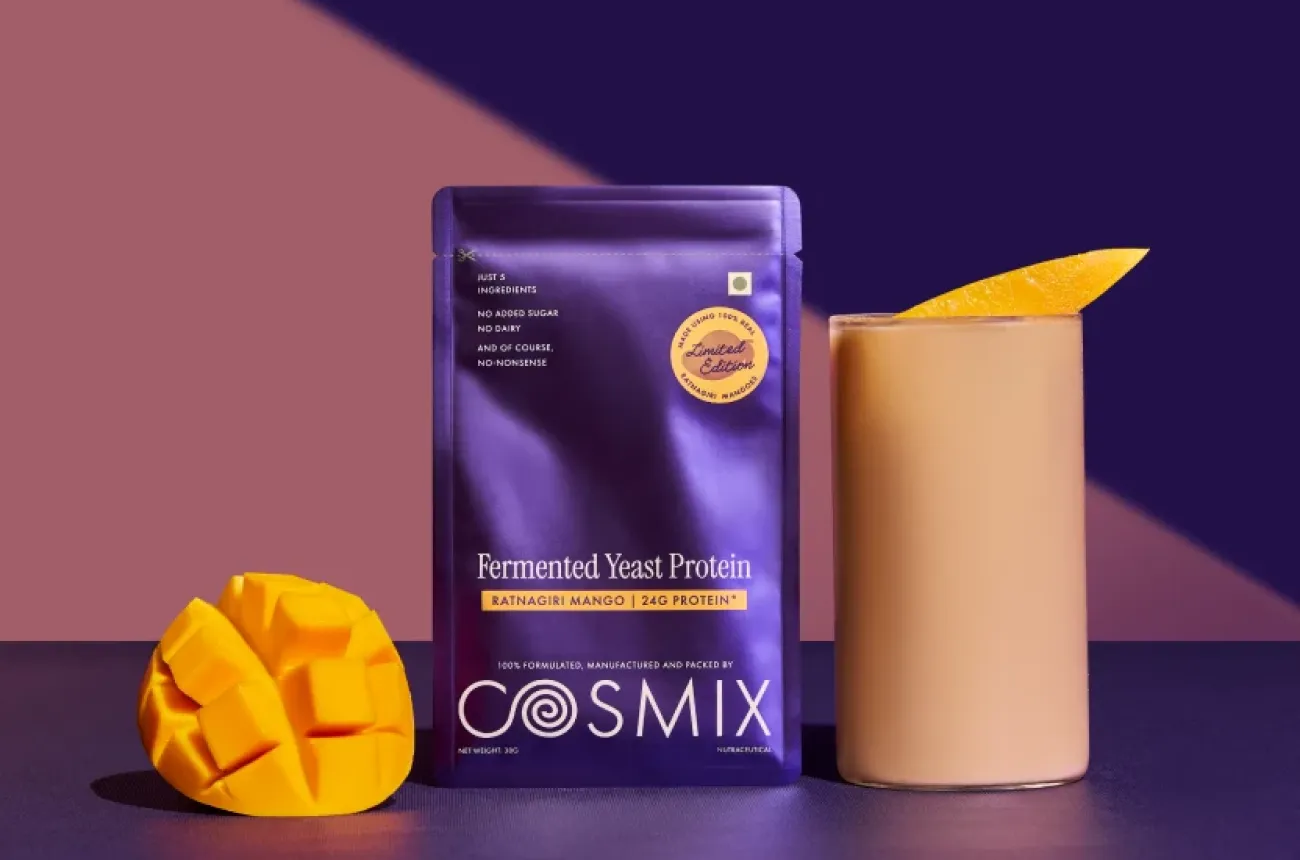
Cosmix built one of India's cleanest supplement brands through root-cause formulation and founder-led education, and earned a Marico buyout doing it.

Author:
Rishabh Jain

XYXX has cracked distribution in a way almost no premium Indian menswear brand has, but that same reach is now the thing putting its premium identity at risk.

Author:
Rishabh Jain

Bombay Shirt Company built a genuine zero inventory business on the promise that a shirt made for you fits better than one made for everyone, and now it has to prove that promise still holds across 40 stores.

Author:
Rishabh Jain

Palmonas turned a Bollywood actor into an equity holding co-founder and rode that bet to 40x revenue growth, but the brand behind the face still looks like every other demi-fine label on the shelf.

Author:
Rishabh Jain

India built the luxury Ayurveda category around Kama, and the brand is now watching a rival it once matched get bought outright by a global beauty giant.

Author:
Rishabh Jain

How Plix grew to Rs 436 crore by solving a format problem before a formulation problem, built a browse-by-plant experience no competitor has matched.

Author:
Rishabh Jain

How Benne built a Rs 350 crore brand story from a 12-seater dosa café in Bandra by picking one product, doing it obsessively well, and letting the queues tell the rest of the story.

Author:
Rishabh Jain

How Bummer built the first genuine personality in Indian innerwear, survived Ashneer Grover's "doglapan" moment on national television, and still has the most important question in front of it: how does a brand this loved become a business this large?

Author:
Rishabh Jain

How Nicobar built India's most disciplined lifestyle brand by refusing to raise capital, discount, or borrow a design language from anywhere else, and why it has become the quiet reference point for an entire generation of Indian founders.

Author:
Rishabh Jain

How Moxie Beauty told Indian women with curly and wavy hair something the global haircare industry had never bothered to say: it was never your hair, it was always the product.

Author:
Rishabh Jain

How Forest Essentials turned ancient Indian Ayurveda into a Rs 585 crore global luxury brand, and why the full Estée Lauder acquisition announced in March 2026 is the most consequential moment in its 25-year history.

Author:
Rishabh Jain

How Sleepy Cat built India's most coherent sleep brand by doing the one thing its better-funded rivals forgot: staying obsessively focused on sleep, and nothing else.

Author:
Rishabh Jain

How Country Bean made flavoured coffee India's softest entry into specialty before anyone else thought the market was ready, and why the brand that opened the category needs a next act before the market moves fully past it.

Author:
Rishabh Jain

How Nuuk is filling the gap between Dyson and cheap imports with design-first home appliances built for modern Indian homes, and why the brand identity now needs to move as fast as the product has.

Author:
Rishabh Jain

How Poppi turned colour, a founding story, and a TikTok community into a USD 1.95B acquisition by PepsiCo and why its biggest design challenge now has nothing to do with the can.

Author:
Rishabh Jain

How ZYN used design precision and sport sponsorship to make nicotine feel like a premium lifestyle choice, and what that reveals about the power and limits of branding.

Author:
Rishabh Jain

How OLIPOP made gut health fun instead of clinical, built a USD 1.85B brand that turned down acquisitions from both Coke and Pepsi, and became the last serious independent in a category that consolidated around it.

Author:
Rishabh Jain

How Gully Labs made Indian streets the design brief, built a Noida factory before most investors believed in it, and raised Rs 35 crore to prove the category is real.

Author:
Rishabh Jain

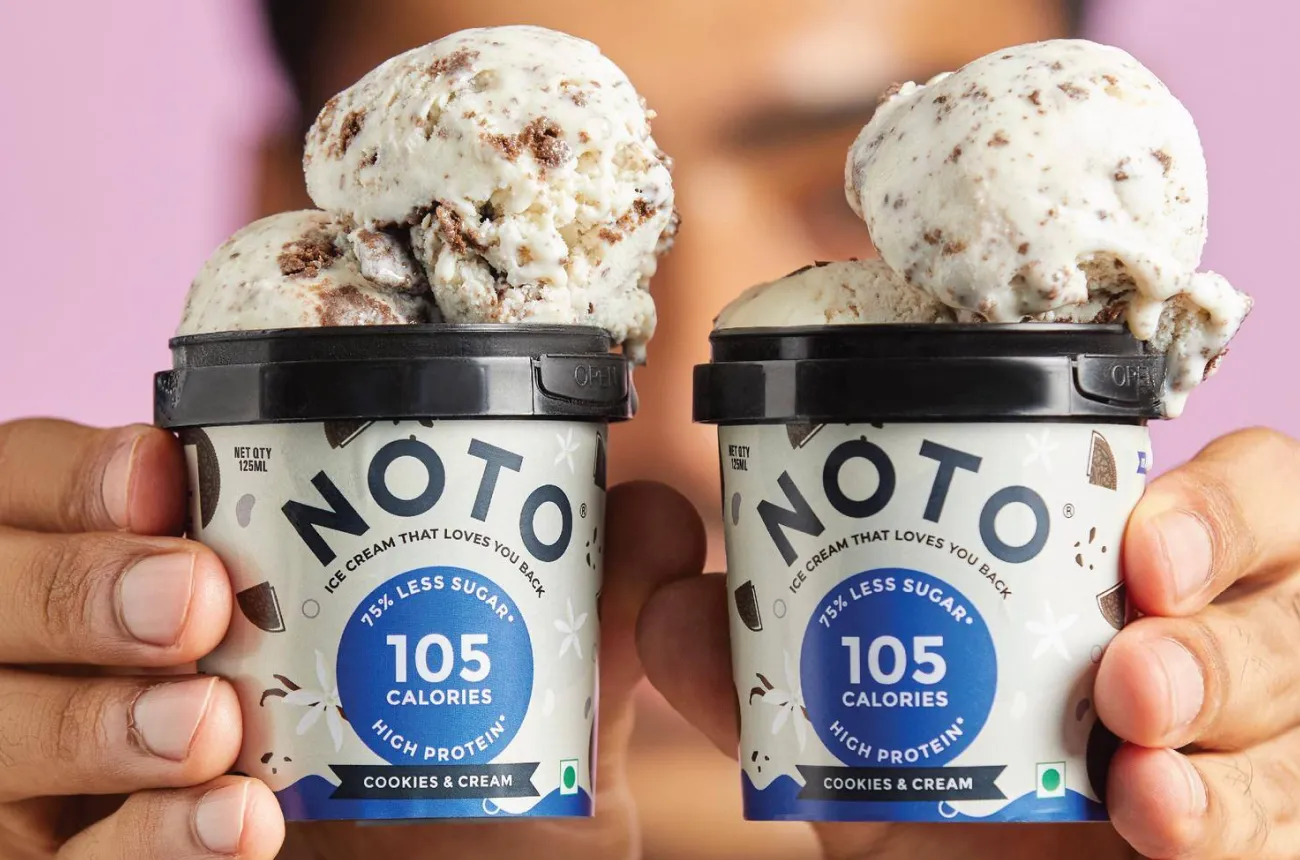
How NOTO spotted India's guilt-free ice cream opportunity before anyone else, earned 87 investors across eight rounds, and why the packaging and portfolio focus need to catch up with the founding insight before the competition does.

Author:
Rishabh Jain

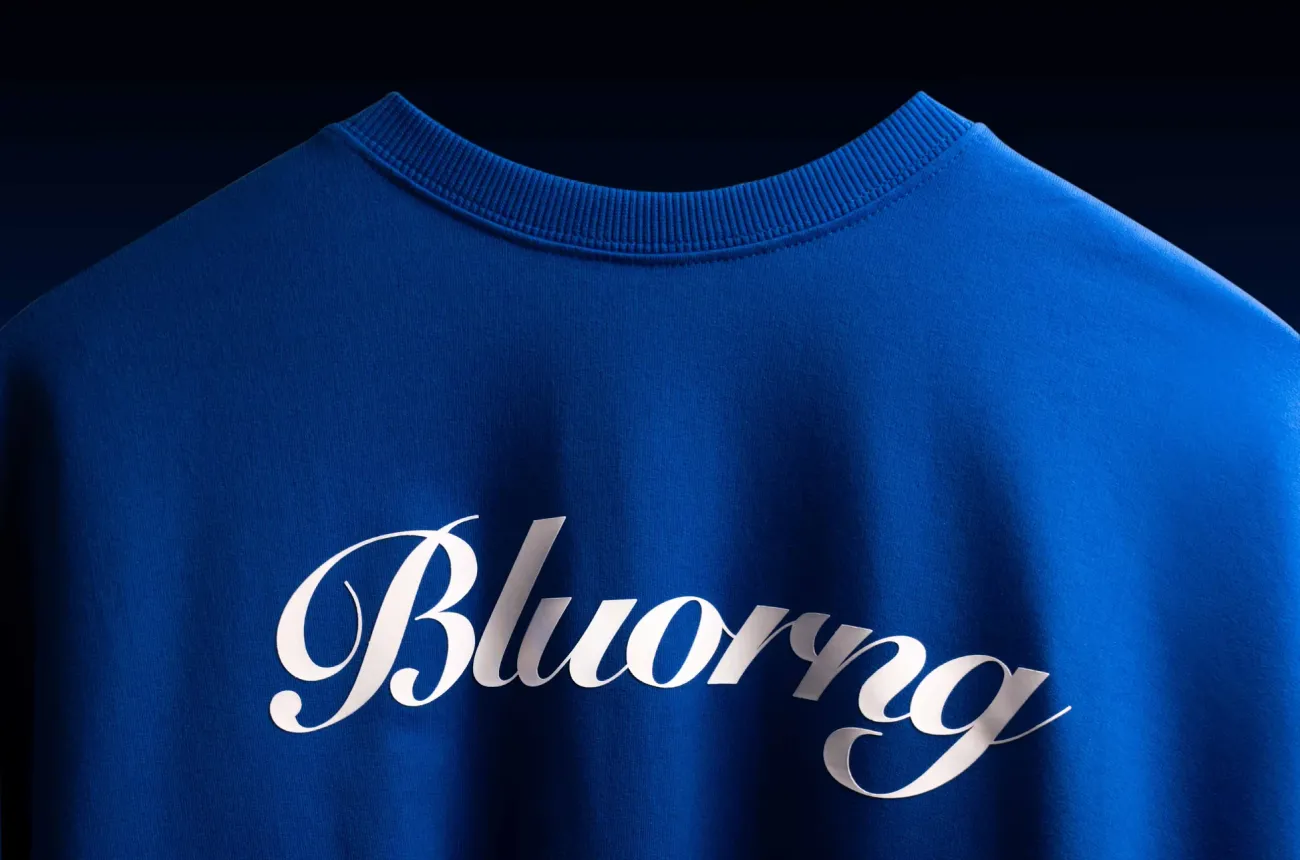
How Bluorng proved that Indian streetwear does not need a Western reference point to command Rs 20,000 for a sweatshirt, and what it means for every brand building in a category that did not exist before they arrived.

Author:
Rishabh Jain

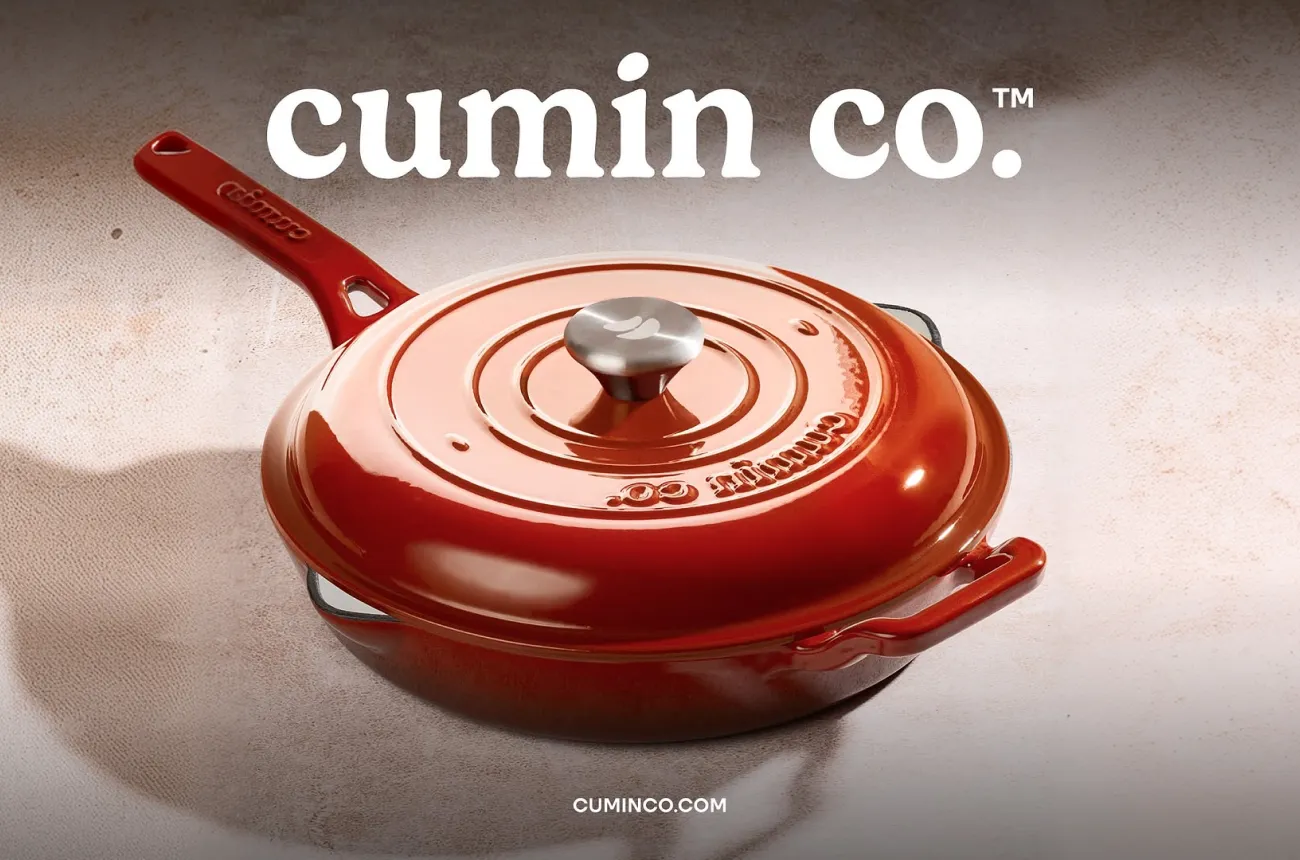
How Cumin Co consolidated India's scattered cookware market with patented technology and design so good that people ask where to buy it, and why the brand building work is what comes next.

Author:
Rishabh Jain

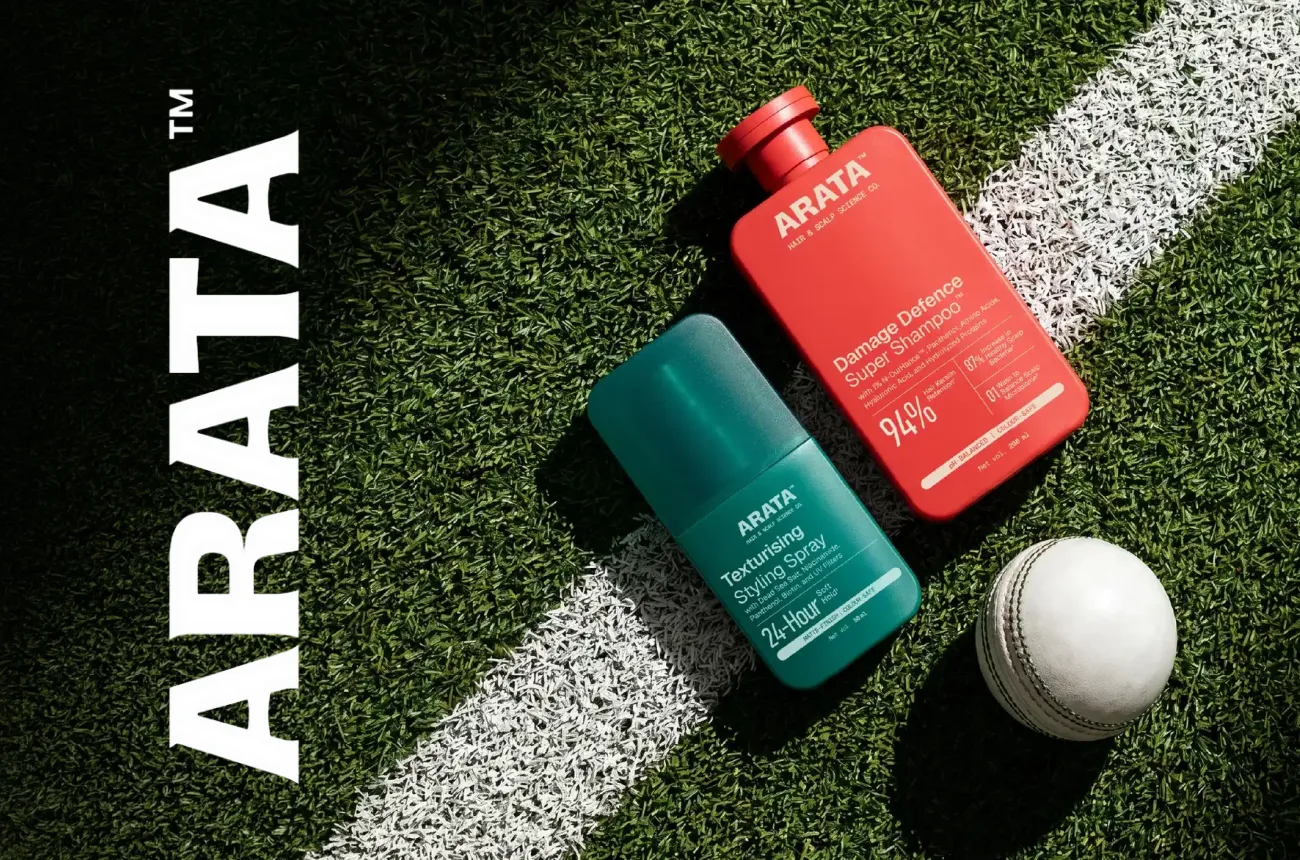
How Arata built a 1.5 million customer haircare business on product quality and quick commerce reach alone, and why both Unilever and L'Oréal invested in it.

Author:
Rishabh Jain

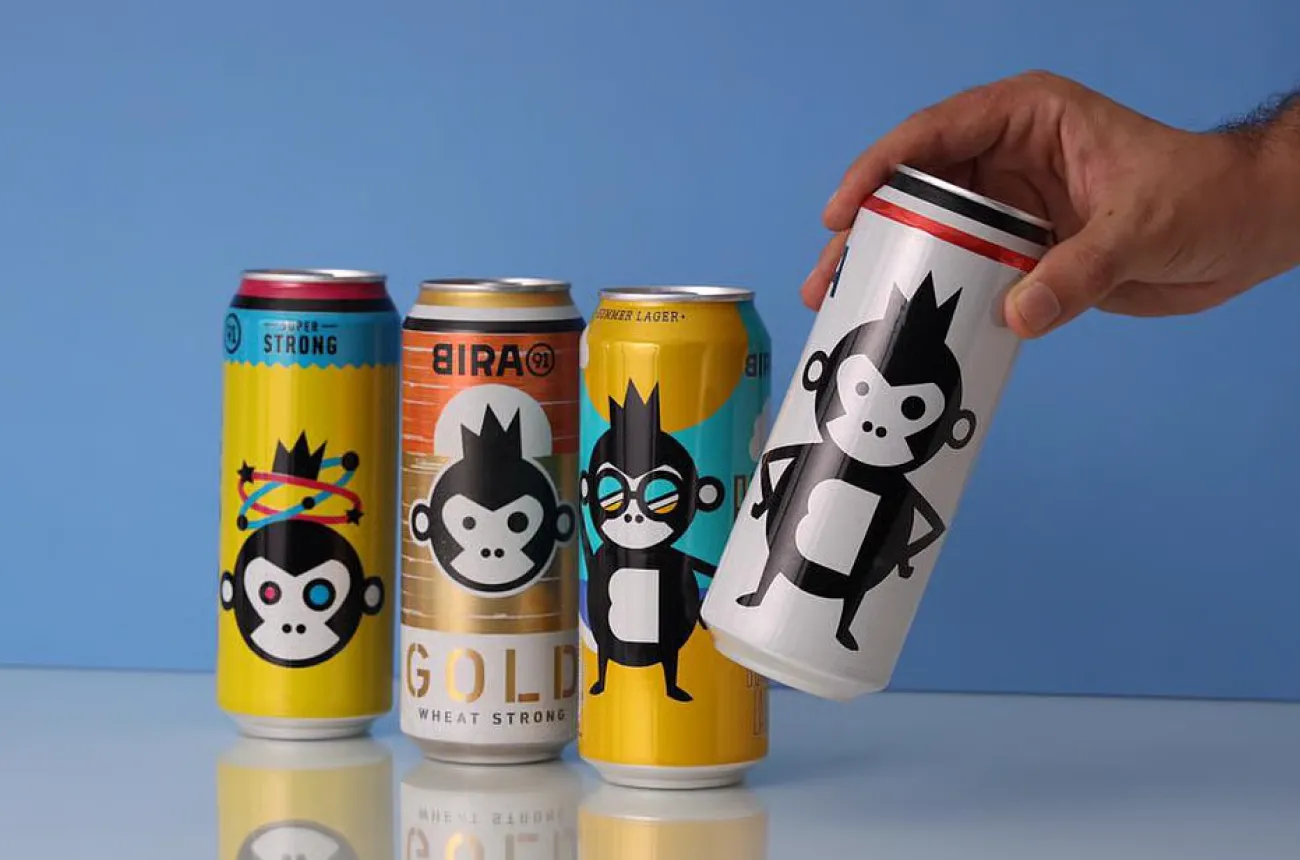
How Bira91 created India's craft beer category, became the default drink of a generation, and why the brand's cultural achievement and the business's financial crisis are two entirely separate stories.

Author:
Rishabh Jain

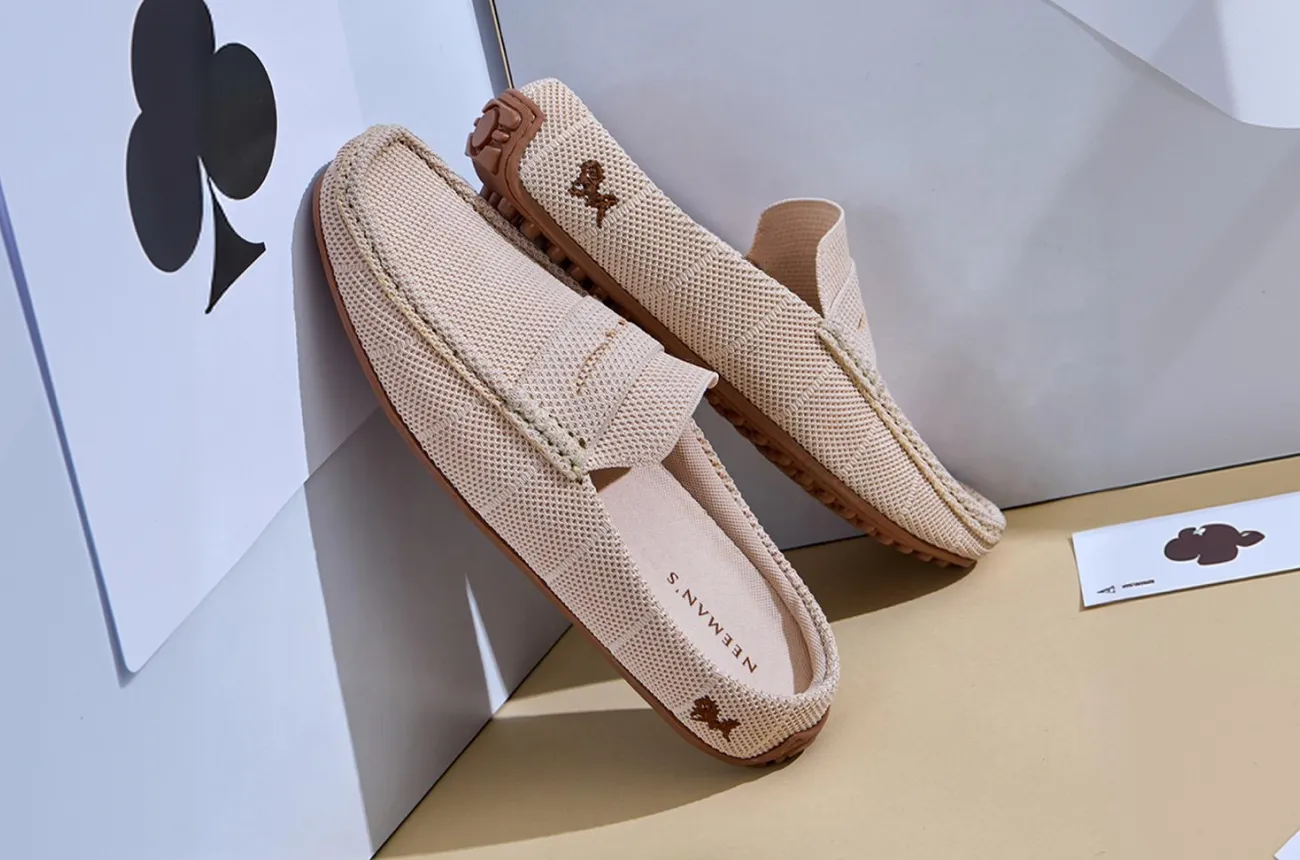
How Neeman's democratised sustainable footwear for India rather than premium-ising it, and why the brand identity has not yet caught up with the product's ambition.

Author:
Rishabh Jain
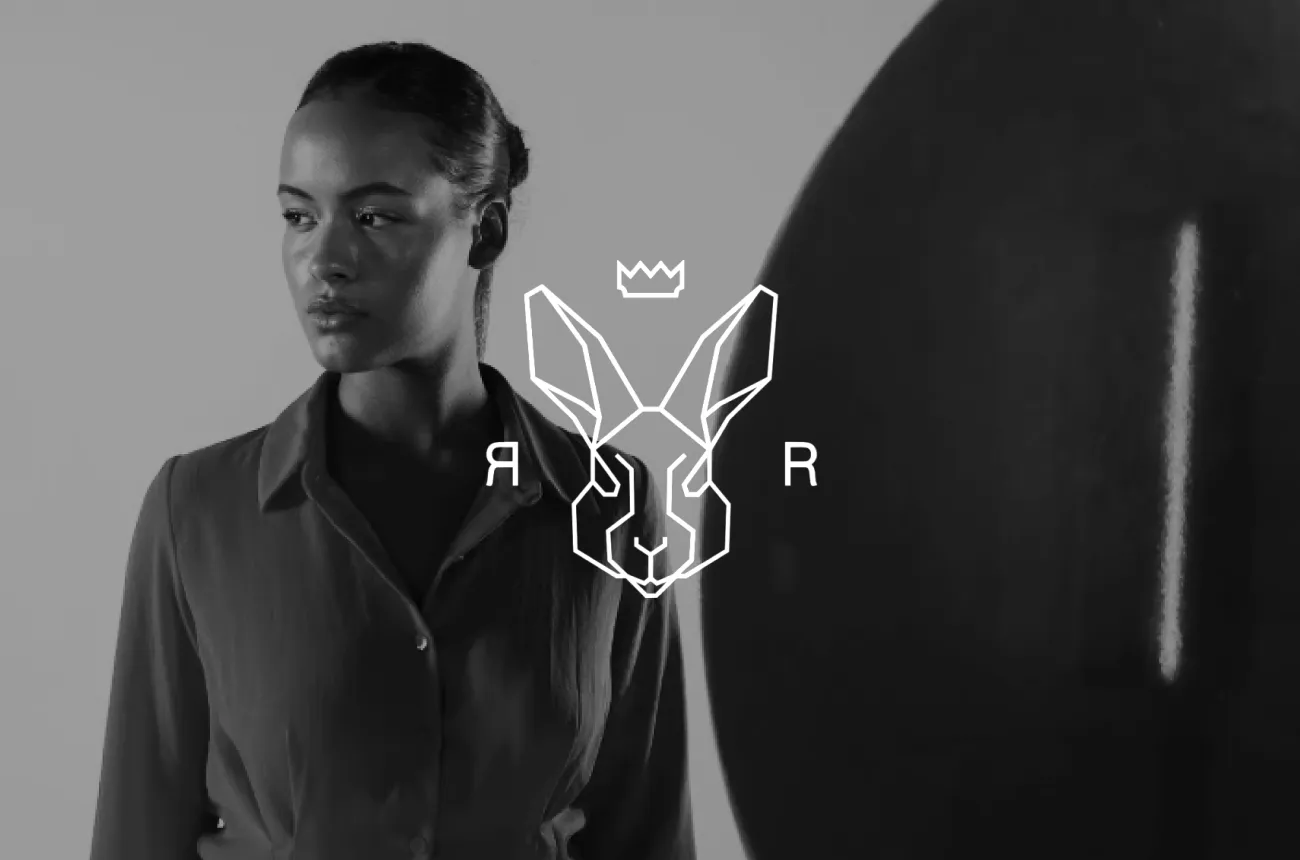
Rare Rabbit Brand Audit By Confetti Design Studio

How Rare Rabbit built India's most commercially serious premium fashion brand on product restraint, a tier 2-3 city strategy nobody talked about, and a monogram that does more brand work than any billboard could.

Author:
Rishabh Jain

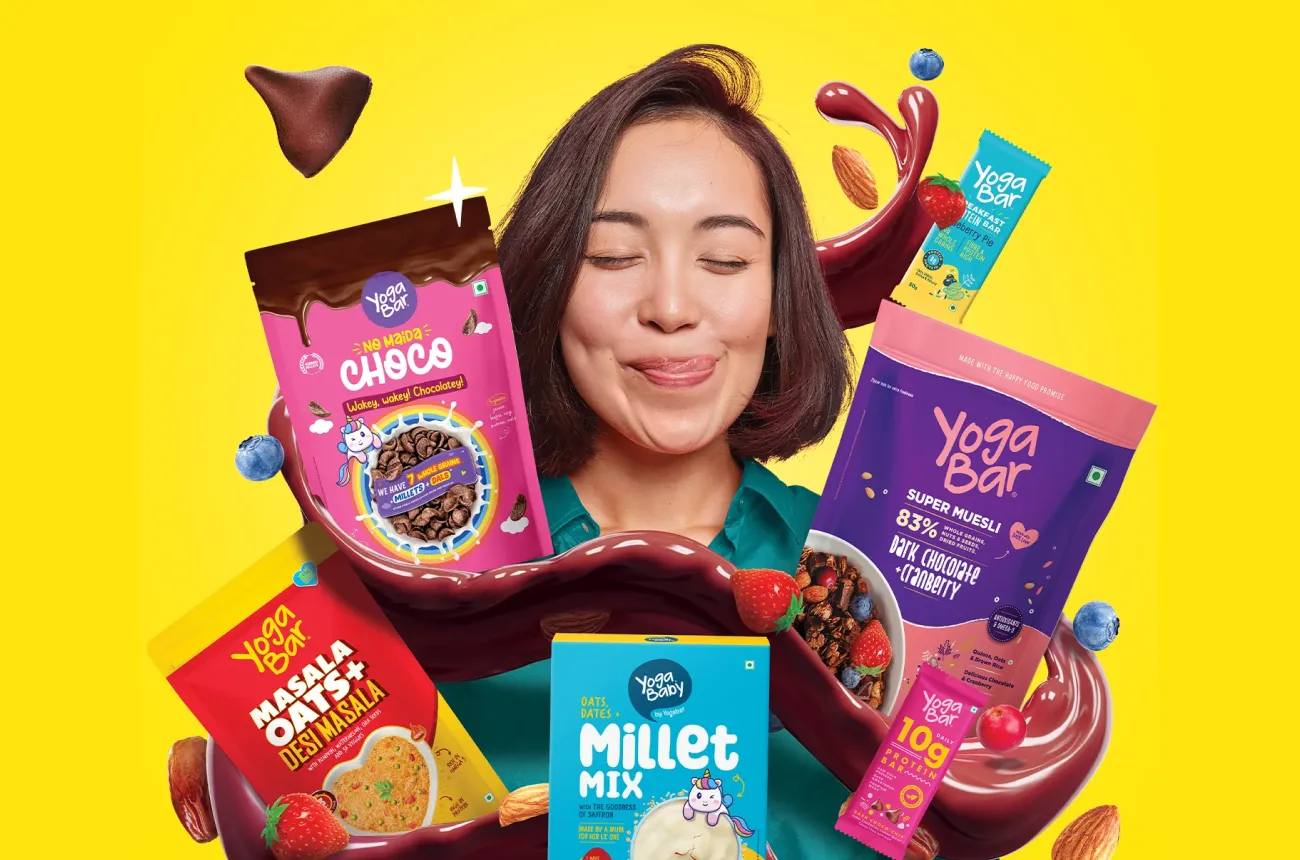
How Yogabar built a decade of consumer trust on ingredient honesty, scaled to Rs 201 crore through ITC's distribution reach, and now faces its most important brand question yet.

Author:
Rishabh Jain

How Jaipur Rugs built the most powerful Indian luxury story in the world through 40,000 artisans, Paris Fashion Week, and a founder who started with a Rs 5,000 loan.

Author:
Rishabh Jain

How Snitch went from Rs 11 crore to Rs 900 crore in five years by building the fastest trend pipeline in Indian menswear, and why the next Rs 900 crore requires something the machine cannot produce by itself.

Author:
Rishabh Jain

Mokobara made Indian luggage worth wanting. Whether it can hold its ground as the scrutiny grows is the next design problem to solve.

Author:
Rishabh Jain

How the Comet sneakers brand is building hype in India through iconic design, limited drops and streetwear culture.

Author:
Rishabh Jain

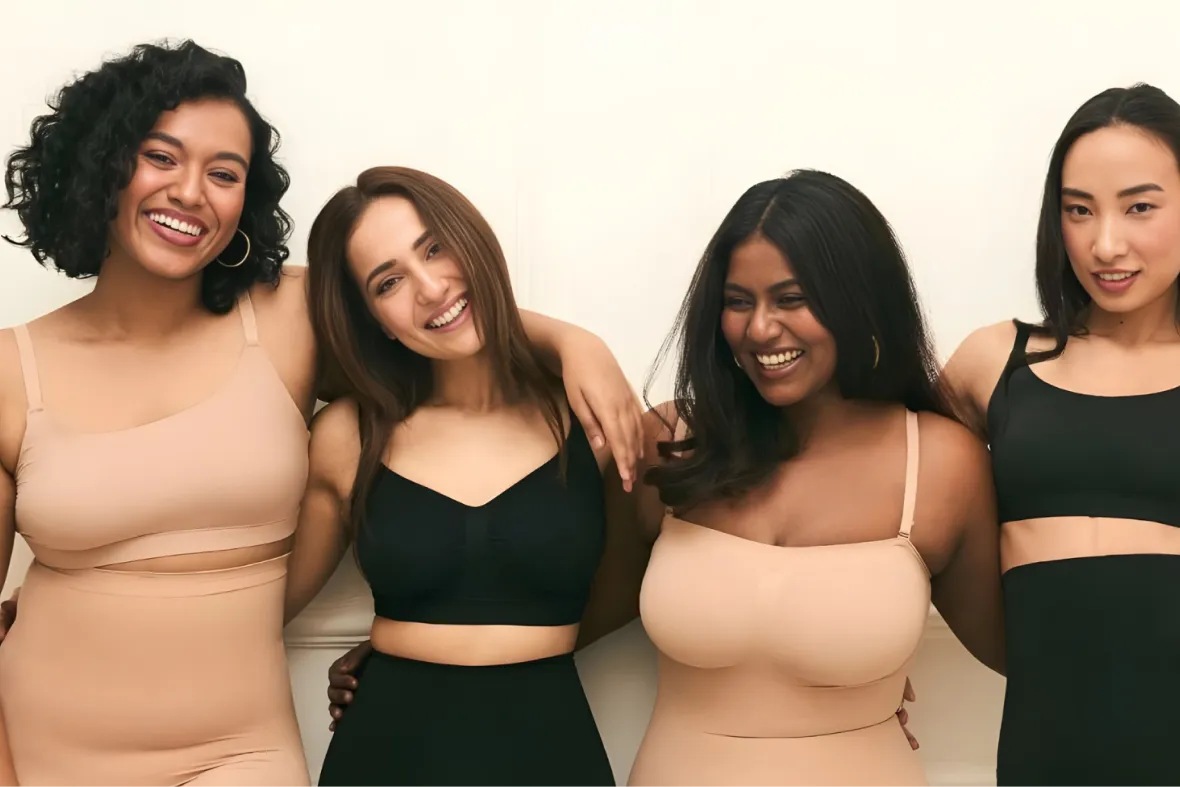
How UnderNeat is normalising shapewear in India through influencer-led branding, real women, and category-first storytelling.

Author:
Rishabh Jain

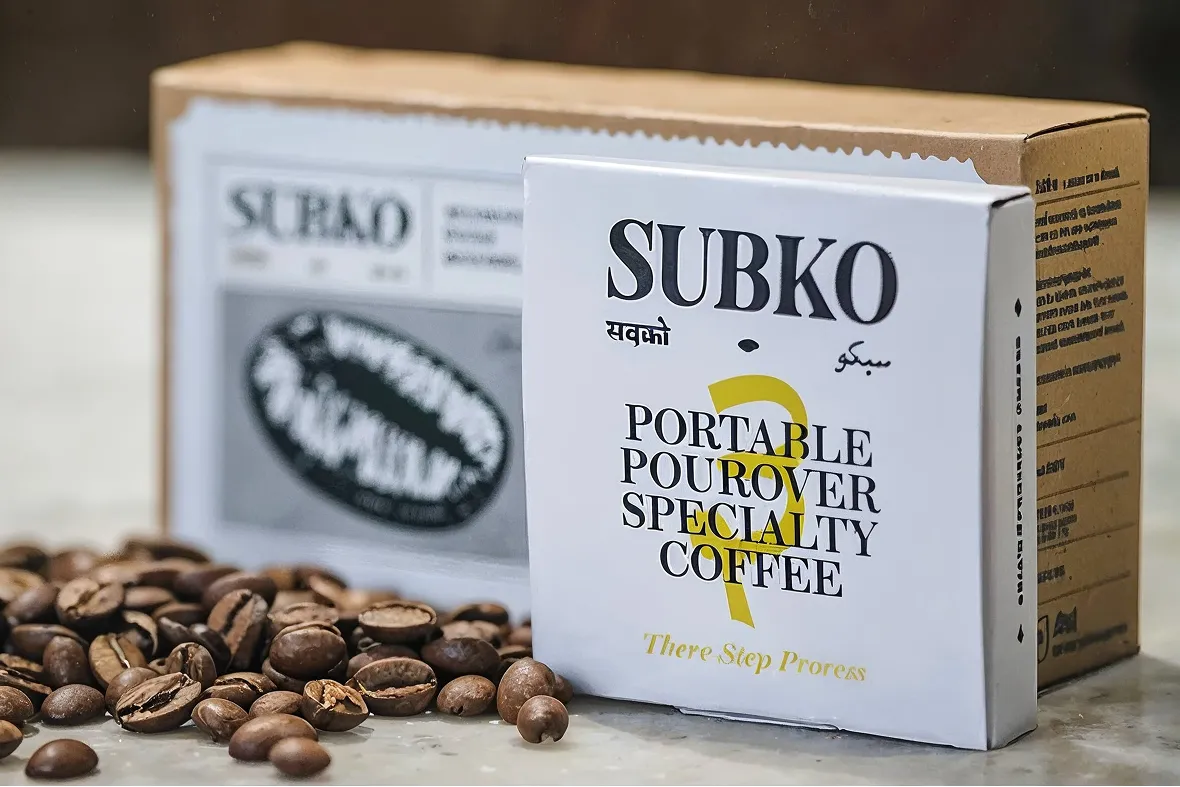
How Subko turned specialty coffee into a South Asian cultural movement: a Confetti brand audit.

Author:
Rishabh Jain

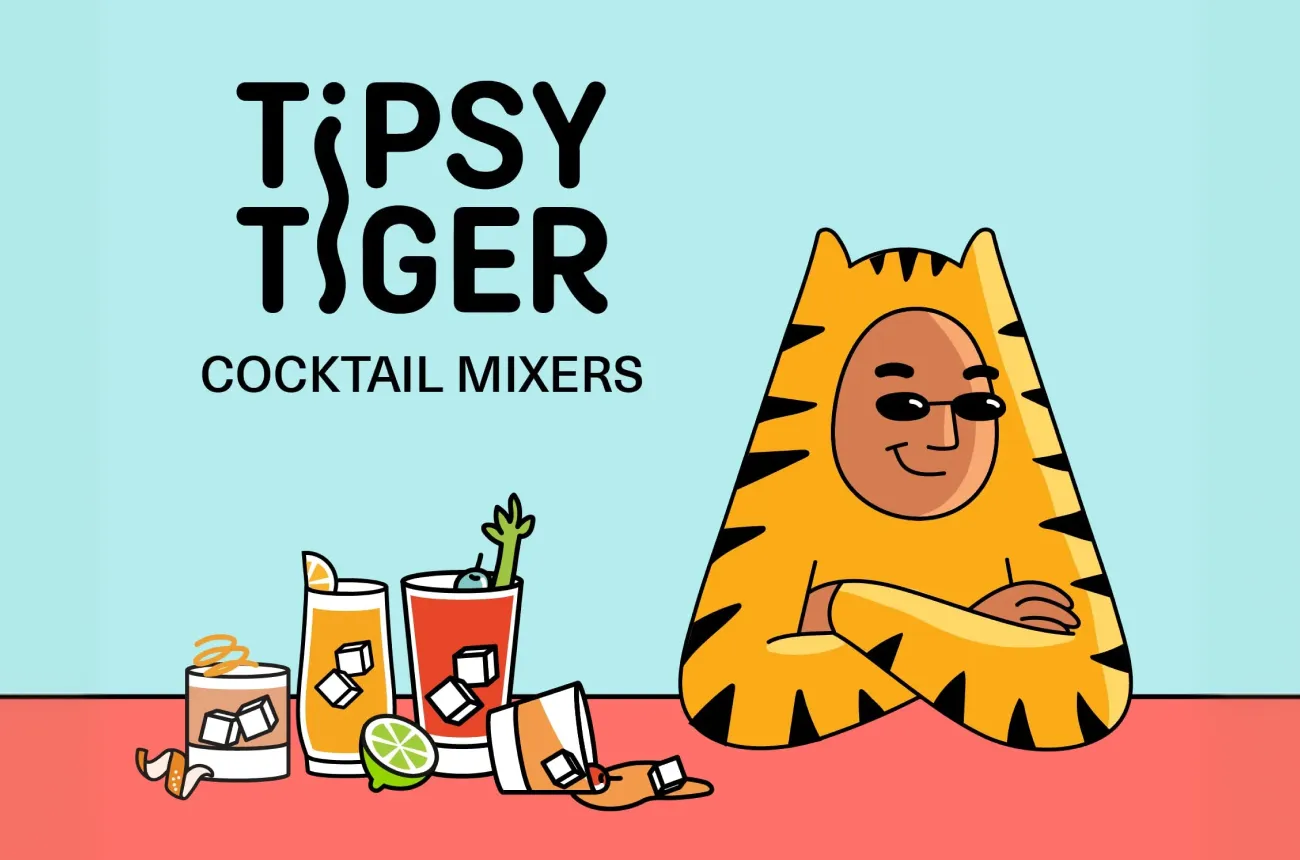
How Tipsy Tiger built a cocktail mixer brand with more personality than most funded competitors, and what it needs to do to translate that identity into breakout commercial scale.

Author:
Rishabh Jain

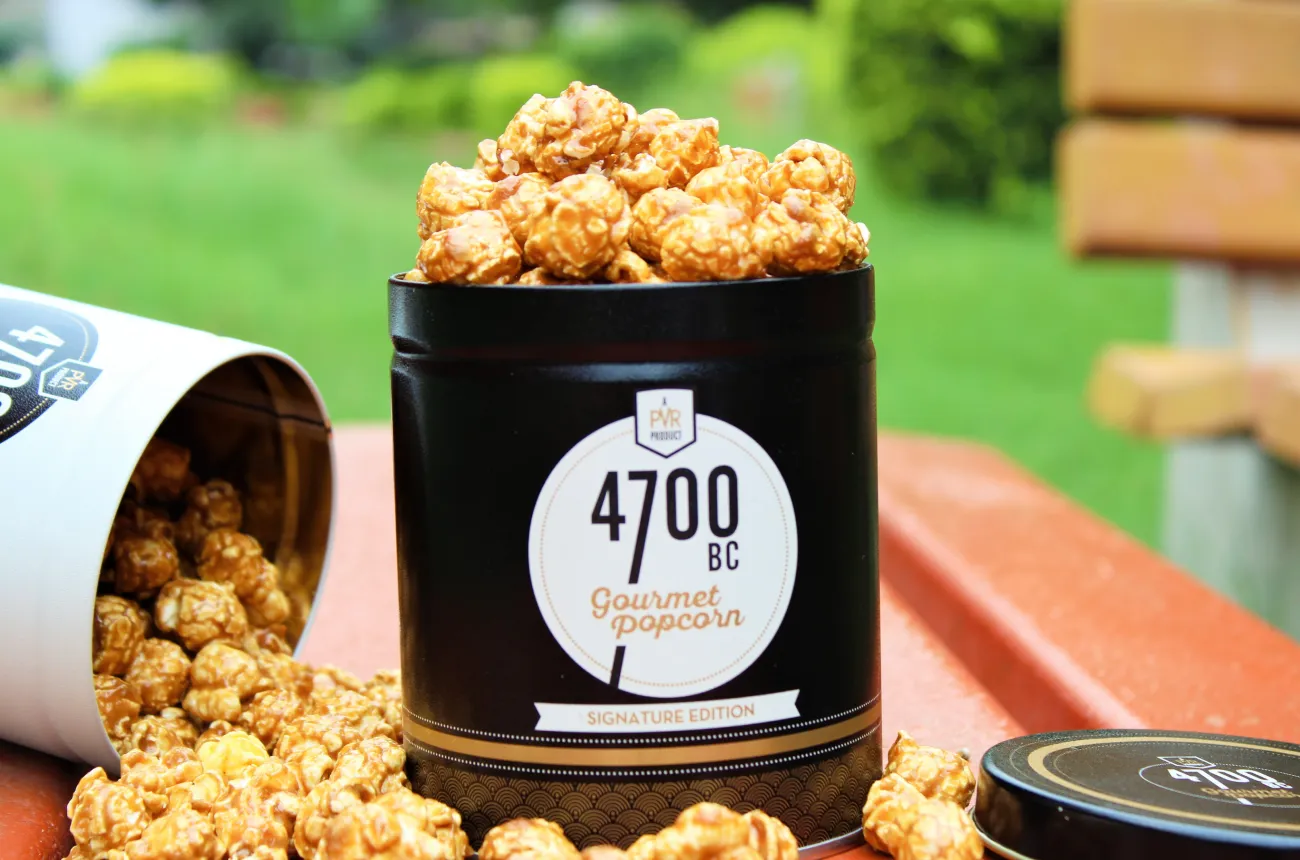
4700BC turned a commodity snack into a gourmet category, attracted PVR INOX and then Marico, and built the most disciplined brand identity in Indian premium snacking.

Author:
Rishabh Jain

Bold Care turned one of India's most stigmatised categories into a Rs 100 crore conversation. The next chapter is about proving the brand can convert attention into sustainable profit.

Author:
Rishabh Jain

Bombay Shaving Company scaled faster than most Indian D2C brands ever will. The question now is whether the brand system can catch up with the ambition.

Author:
Rishabh Jain

How The Good Bug made gut health feel like a lifestyle choice rather than a medical prescription, and why brand consistency is now the most important product it needs to build.

Author:
Rishabh Jain

How Vahdam built a globally scaled Indian tea brand by controlling the supply chain from plantation to doorstep, without losing what makes it Indian.

Author:
Rishabh Jain

How Plum turns simplicity and functional design into a skincare staple, and what it takes to go from dependable to iconic.

Author:
Rishabh Jain

How Keventers blends a century of legacy with contemporary design to stay timelessly relevant in India's crowded indulgence category.

Author:
Rishabh Jain

A closer look at how bold naming and visual cues turn coffee into an adrenaline experience, and why Rage Coffee has not fully committed to the promise its name makes

Author:
Rishabh Jain

How Sleepy Owl made cold brew a habit for urban India, and why staying interesting is now the harder challenge.

Author:
Rishabh Jain

How MyMuse made sexual wellness feel safe, modern, and completely normal for India.

Author:
Rishabh Jain

What happens when cocktail culture is designed for real homes, real parties, and real drinkers.

Author:
Rishabh Jain

How Indri became India's most awarded single malt by designing for all five senses, not just the glass.

Author:
Rishabh Jain

A look at how focus, simplicity, minimalism and intention built an unmistakably premium coffee experience.

Author:
Rishabh Jain

Third Wave Coffee put specialty coffee on the Indian map. The harder question now is whether it can protect the philosophy that made the name mean something.

Author:
Rishabh Jain

How Wellbeing Nutrition built a design system flexible enough to serve every age group without losing the plot.

Author:
Rishabh Jain

How Hocco reimagined indulgence through playful design, bold naming, and a joyful brand language that India's frozen aisles had never seen before.

Author:
Rishabh Jain

A closer look at how Two Brothers translates farm-first values into a trusted, premium identity.

Author:
Rishabh Jain

How The Whole Truth turned honesty into a design system, a business model, and a transparency movement.

Author:
Rishabh Jain

How SuperYou became India's fastest-growing celebrity D2C snack brand by making protein mainstream, not niche.

Author:
Rishabh Jain

How Paper Boat bottled childhood and sold it back to a generation, and why the next decade demands something more than memory.

Author:
Rishabh Jain

A closer look at how Phool reimagines a traditional ritual through sustainable design, storytelling, and modern luxury.

Author:
Rishabh Jain

How Mamaearth found the sweet spot between Patanjali and the Western beauty giants, and why that middle ground is getting harder to hold.

Author:
Rishabh Jain

Let’s Build The Next Big Thing

Portrait photo of Rishabh Jain, Founder of Confetti, smiling and sitting down.
Rishabh Jain's signature
Rishabh Jain
Founder @Confetti
Get Started
A stylized pink thunderbolt or lightning icon
Get Instant Response
We’re looking forward to talk to you!
There was an error in form submission.
Please try to submit the form again.

Global Recognition

The logo for the publication PACKAGING OF THE WORLD, featuring the word 'PACKAGING' in bold black capital letters and 'OF THE WORLD' in a smaller font size.
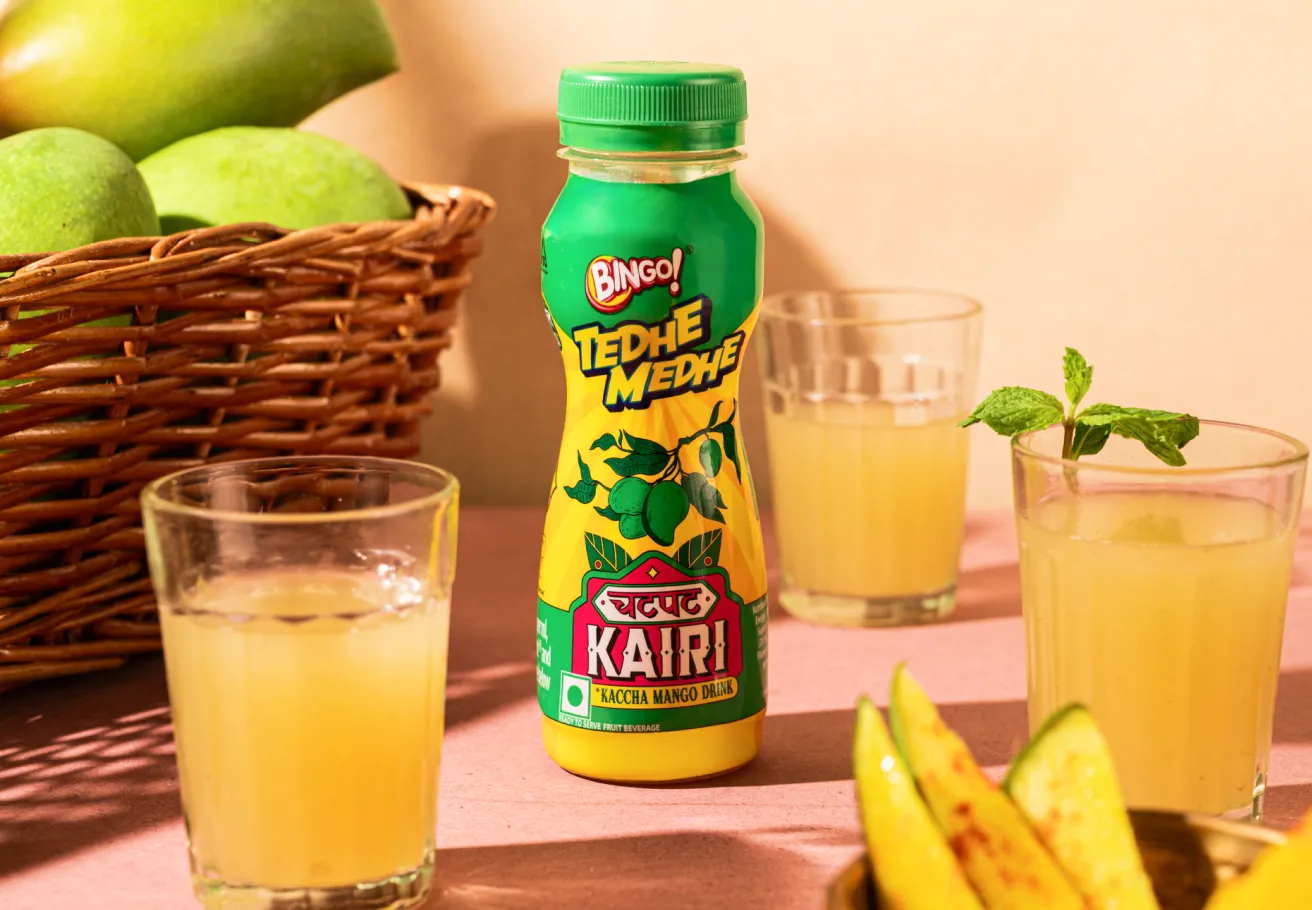
ITC Bingo Chatpat Kairi is featured in ‘Packaging Of The World', 2025
A product photograph showing a green bottle of 'Bingo! Chatpat Kairi' drink, surrounded by glasses of mango juice, a woven basket filled with raw green mangoes, and slices of mango.
The logo for the World Brand Design Society, which includes a black geometric symbol, the Royal Coat of Arms of the United Kingdom, and the words 'WORLD BRAND DESIGN SOCIETY'.
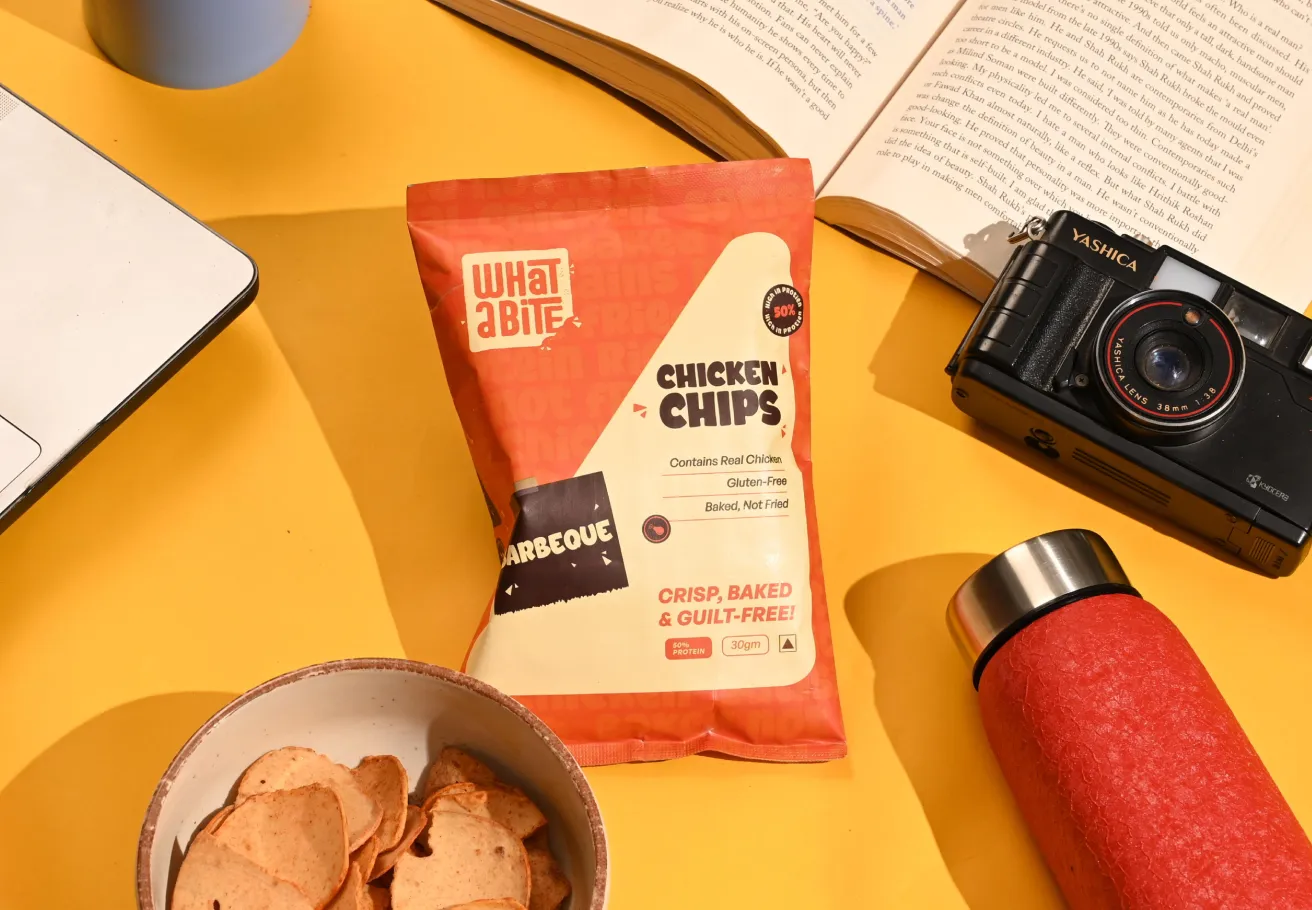
WhatABite is featured in ‘World Brand Design Society’, 2025
Close-up of a bag of orange-red 'WhatABite Chicken Chips (Barbecue)' resting on a bright yellow surface, surrounded by a laptop, an open book, a black vintage-style camera, a red thermos, and a small white bowl holding some of the chips.
The logo for the packaging editorial Dieline, represented by a black circle containing a stylized white 'D' shape.
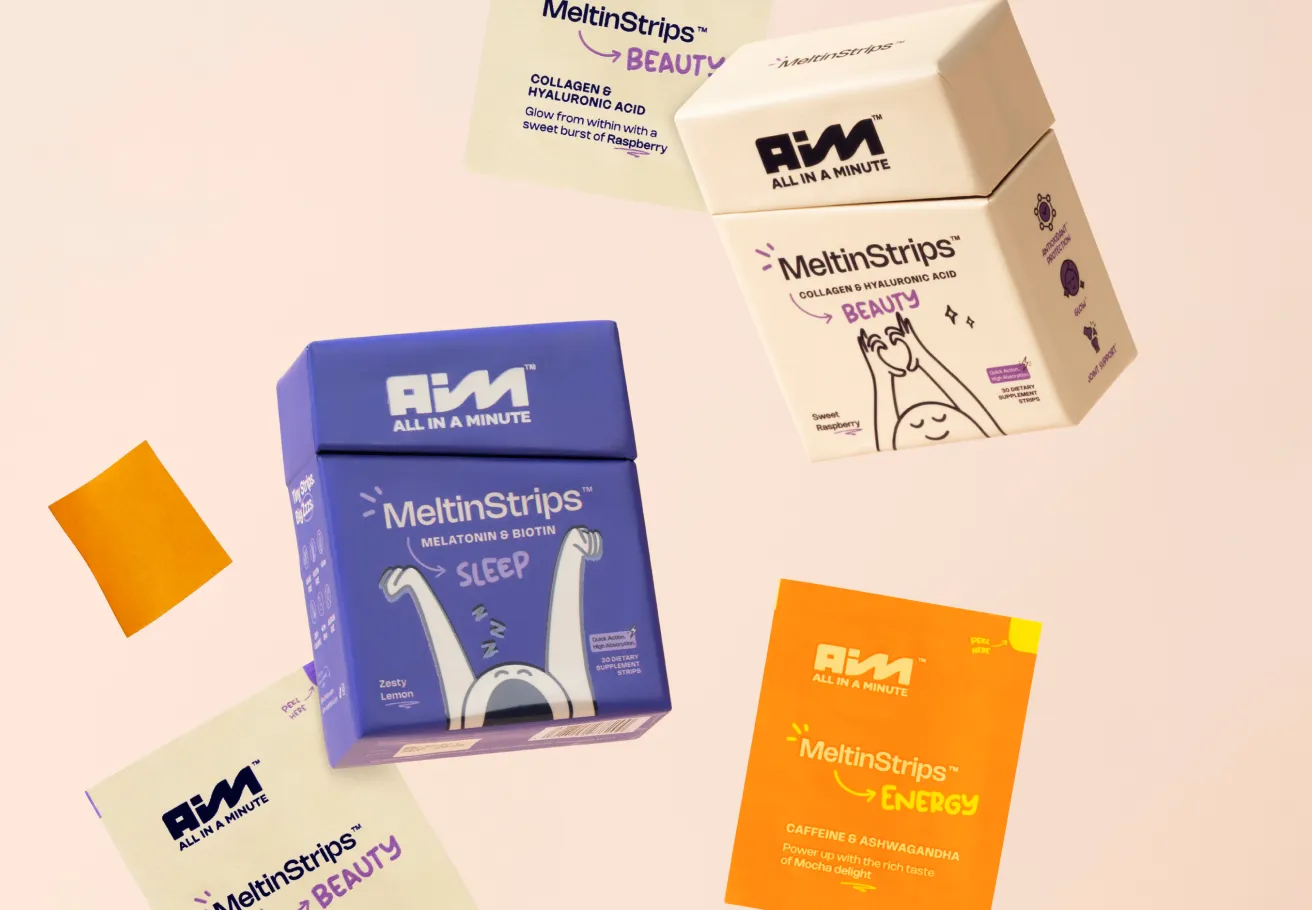
AIM Nutrition is featured on ‘Dieline, 2025’, a globally reputed packaging editorial
A flat lay photograph of several products from AIM Nutrition's 'MeltinStrips' line, including blue boxes for 'Sleep' and white boxes for 'Beauty,' along with small orange sachets for 'Energy,' all scattered on a light background
The logo for the publication PACKAGING OF THE WORLD, featuring the word 'PACKAGING' in bold black capital letters and 'OF THE WORLD' in a smaller font size.
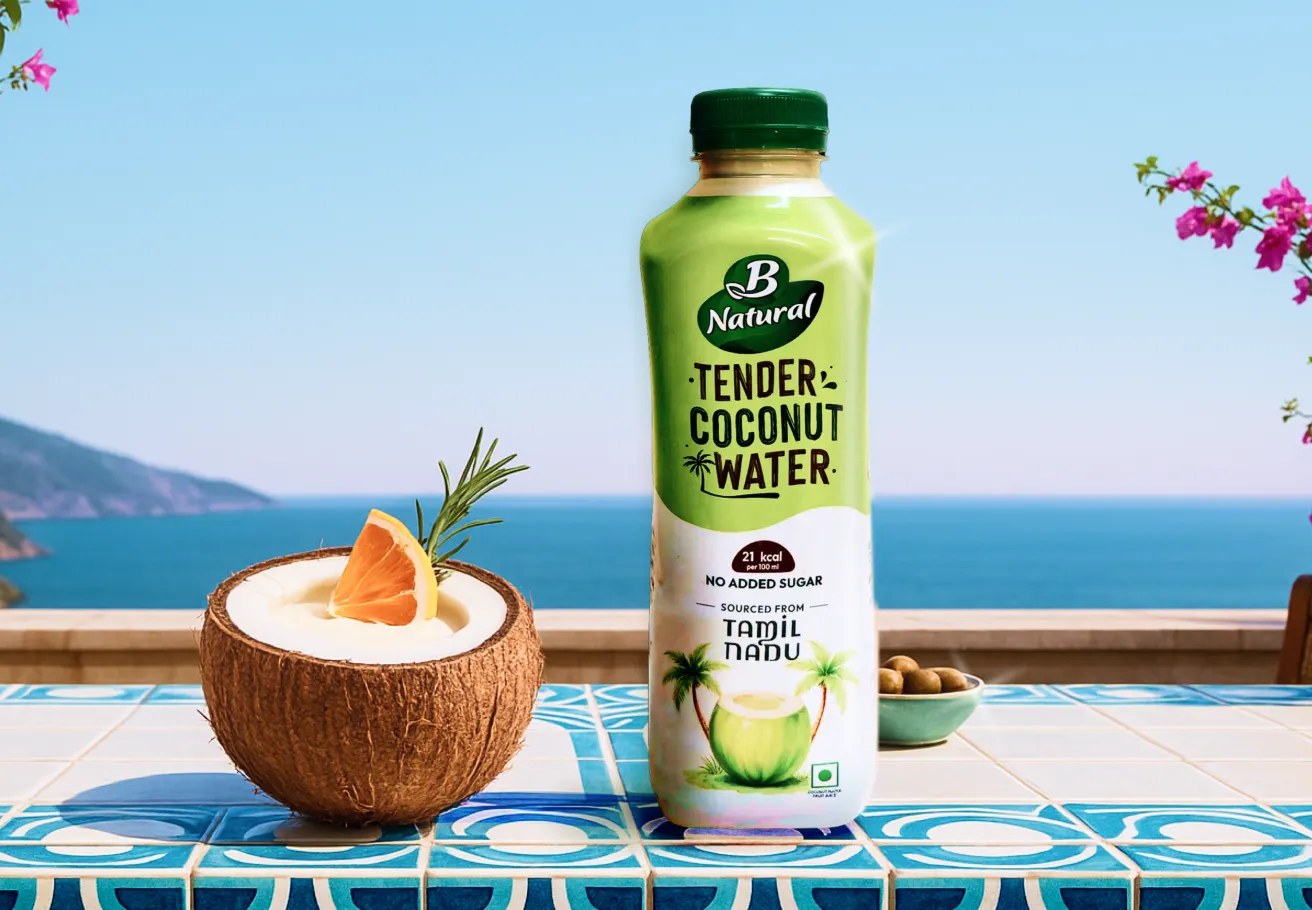
ITC B Natural is featured in ‘Packaging Of The World', 2025
A light green bottle of B Natural Tender Coconut Water sits on a blue and white patterned tile table next to a half coconut shell filled with a drink and garnished with a grapefruit slice and rosemary. The background is a bright seaside landscape with a blue ocean and distant cliffs.
The logo for the publication PACKAGING OF THE WORLD, featuring the word 'PACKAGING' in bold black capital letters and 'OF THE WORLD' in a smaller font size.
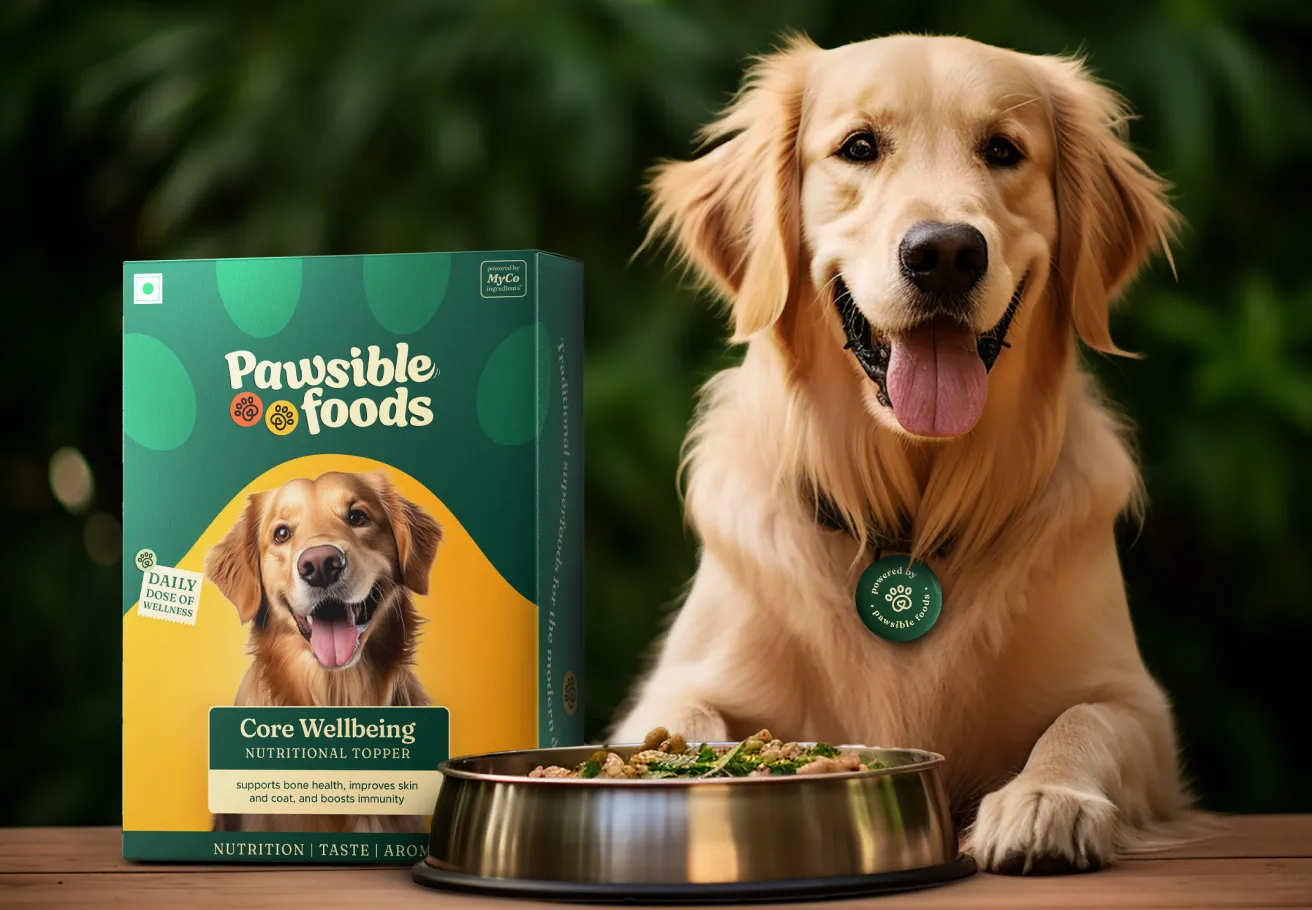
Pawsible Foods is featured in ‘Packaging Of The World', 2025
A smiling Golden Retriever dog wearing a green tag, leaning on a table next to a large green box of Pawsible Foods Core Wellbeing Nutritional Topper and a stainless steel bowl containing the food. The background is a blurred, lush green outdoor setting.
The logo for the publication PACKAGING OF THE WORLD, featuring the word 'PACKAGING' in bold black capital letters and 'OF THE WORLD' in a smaller font size.
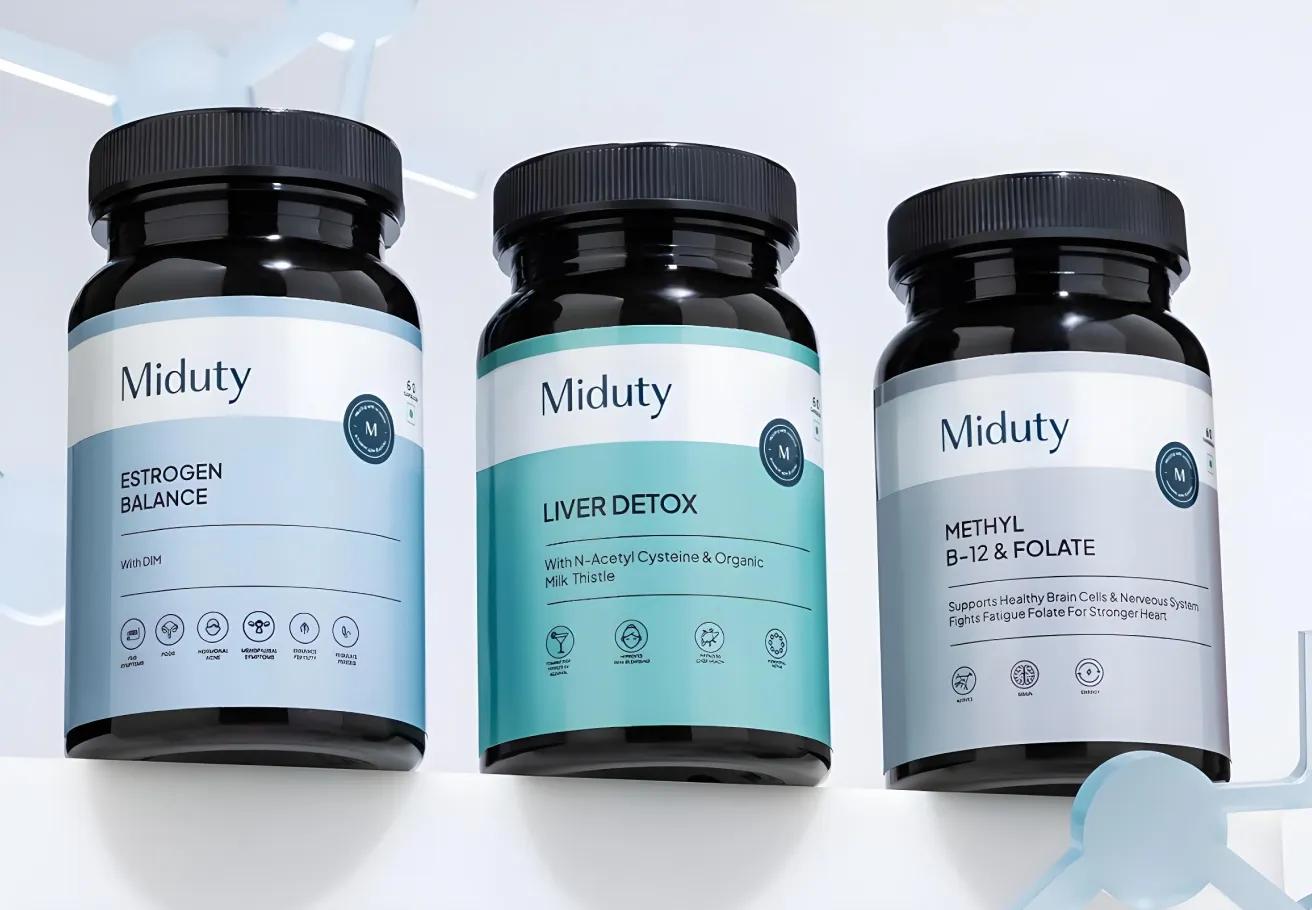
Miduty is featured in ‘Packaging Of The World', 2025
A set of three black-lidded supplement bottles from the Miduty brand, labeled Estrogen Balance, Liver Detox, and Methyl B-12 & Folate, displayed against a sleek, light blue, clinical-style background.
The logo for the publication PACKAGING OF THE WORLD, featuring the word 'PACKAGING' in bold black capital letters and 'OF THE WORLD' in a smaller font size.
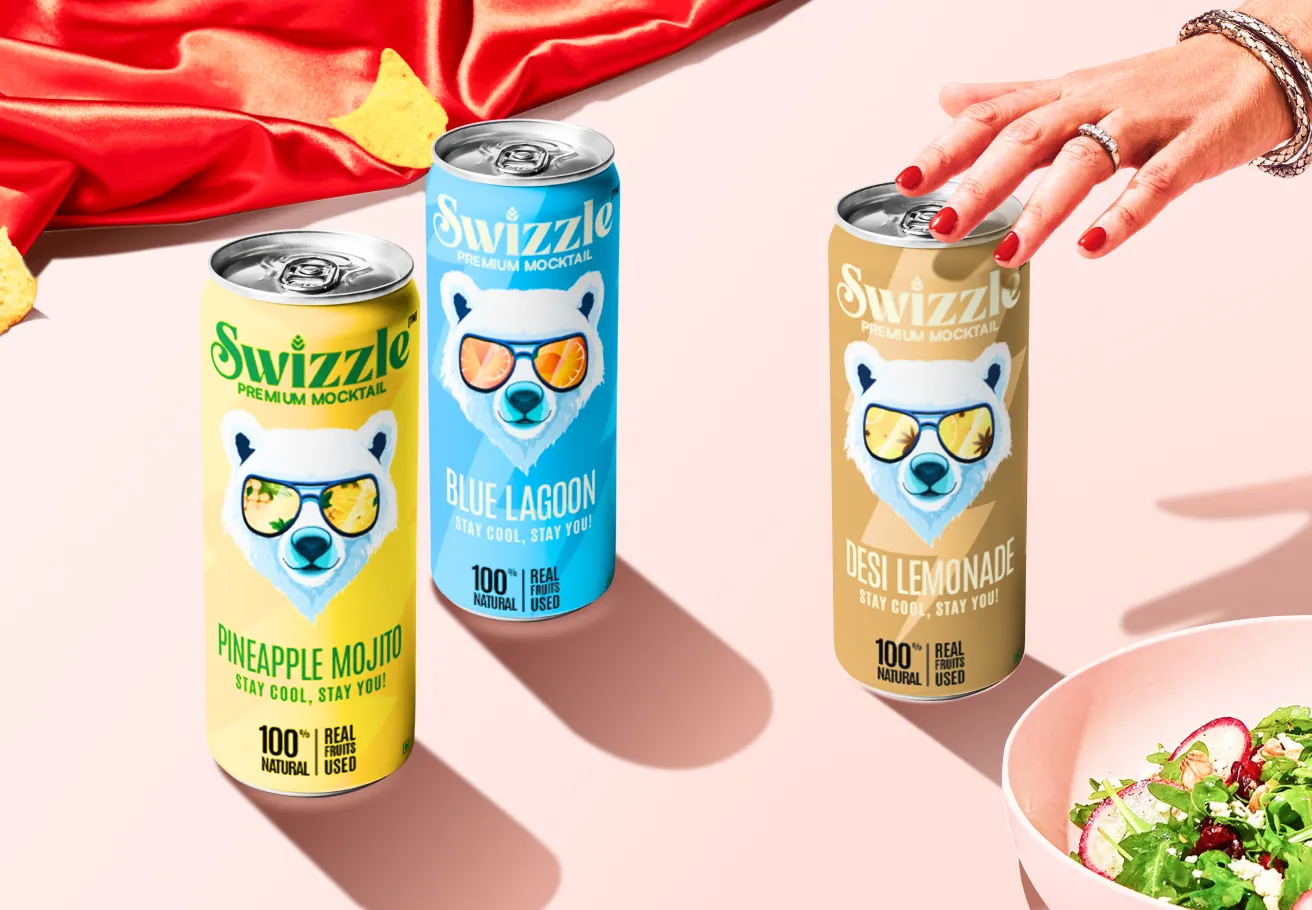
Swizzle is featured in ‘Packaging Of The World', 2025
A visually striking product photo featuring three cans of Swizzle Premium Mocktails (Pineapple Mojito, Blue Lagoon, and Desi Lemonade), each bearing a polar bear mascot wearing sunglasses. They are arranged on a pink surface next to a red cloth and a bowl of salad, with a hand reaching for the can on the right.
The logo for the publication PACKAGING OF THE WORLD, featuring the word 'PACKAGING' in bold black capital letters and 'OF THE WORLD' in a smaller font size.
ITC Bingo Chatpat Kairi is featured in ‘Packaging Of The World', 2025
A product photograph showing a green bottle of 'Bingo! Chatpat Kairi' drink, surrounded by glasses of mango juice, a woven basket filled with raw green mangoes, and slices of mango.
Like what you see?

Let's discuss your project
Book A Call